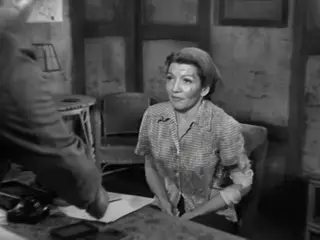
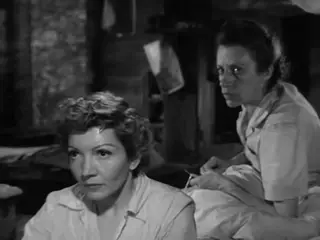
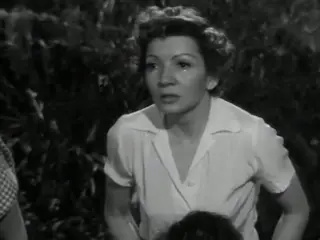
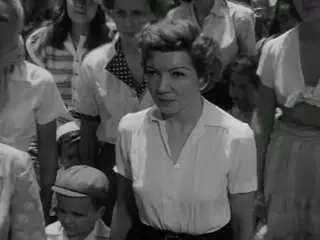
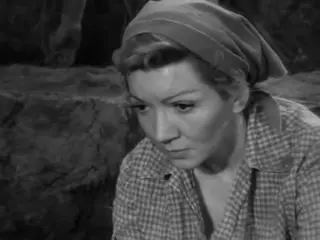
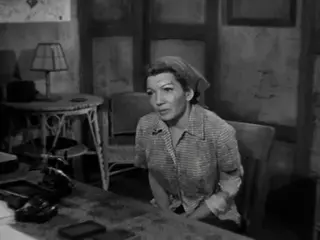
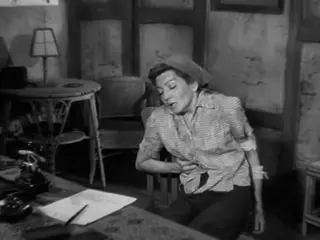
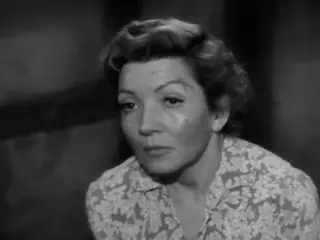
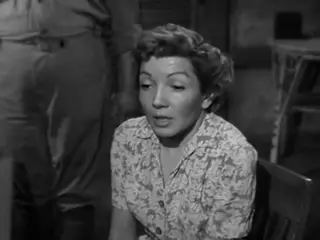
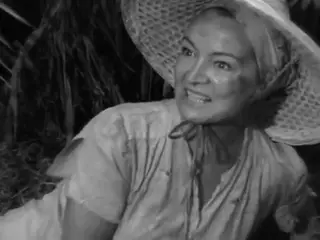
Claudette Colbert plays a captive writer whose standing with a Japanese commandant offers recognition, but no dependable protection.
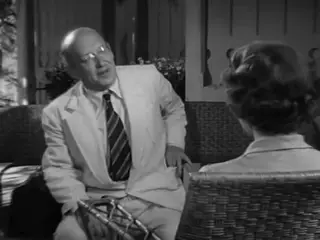
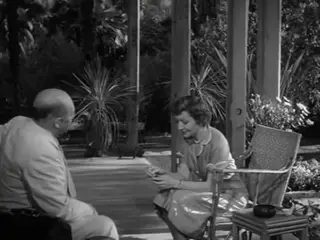
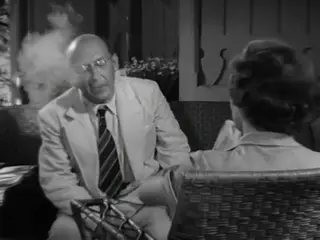
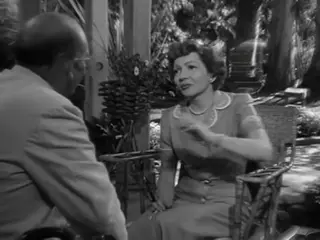
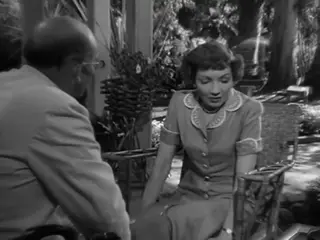
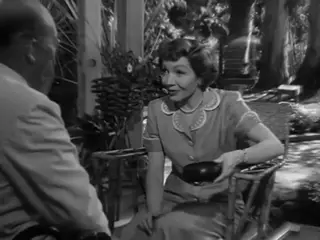
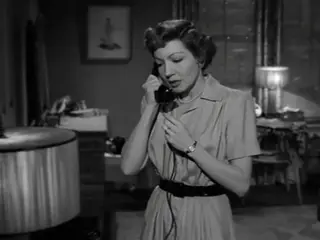
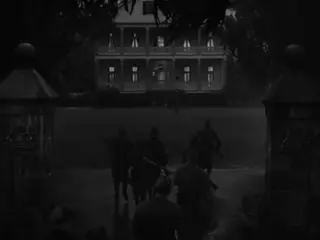
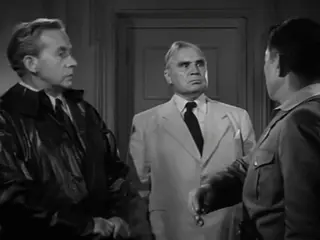
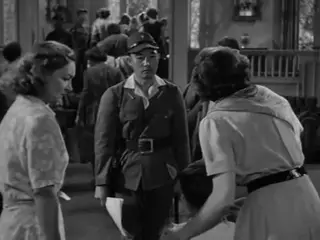
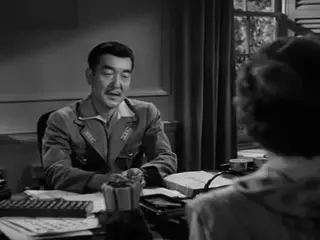
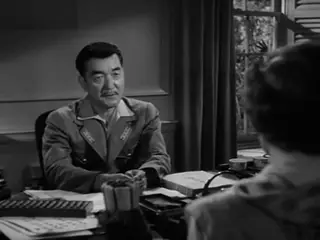
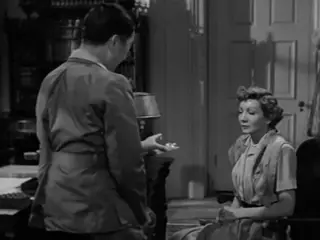
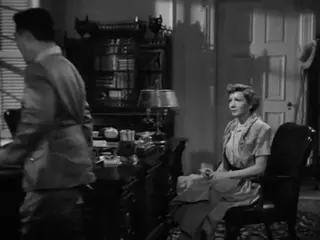
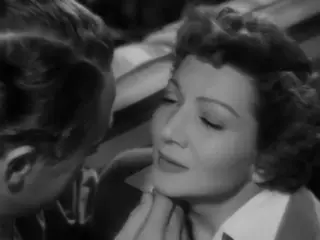
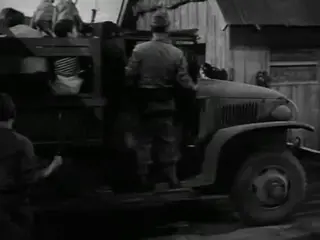
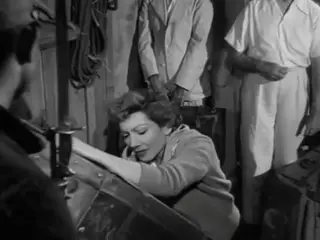
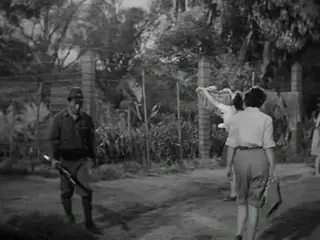
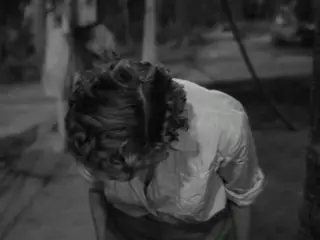
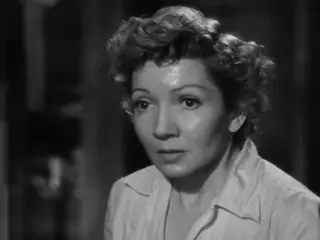
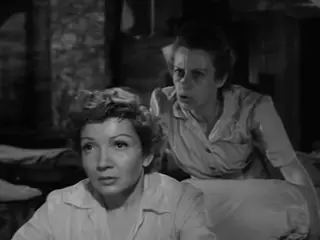
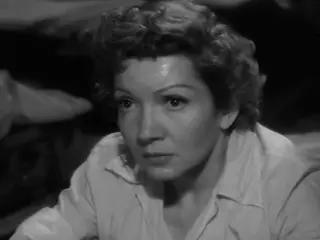
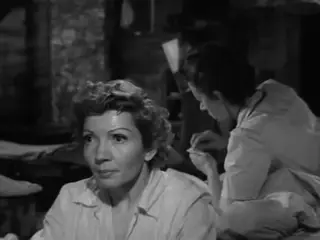
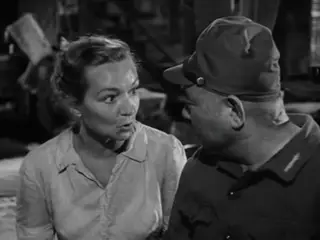
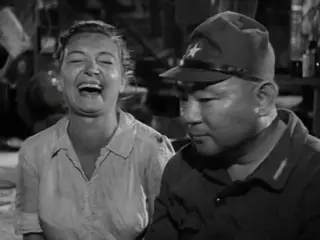
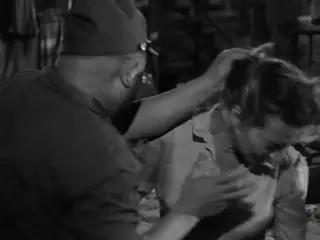
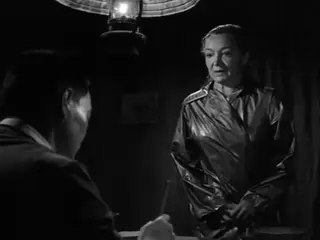
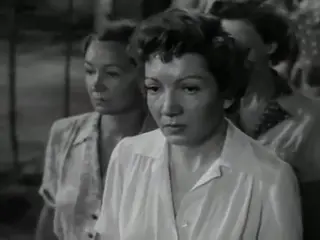
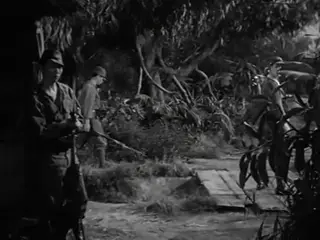
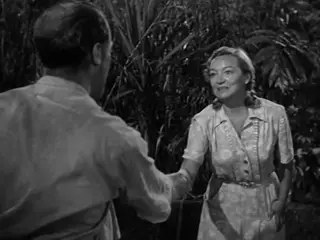
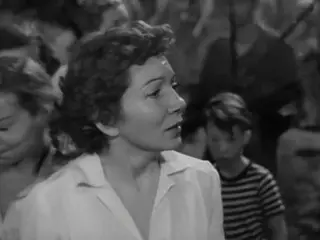
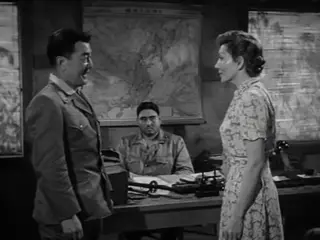
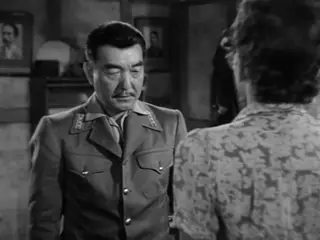
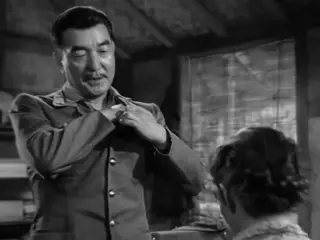
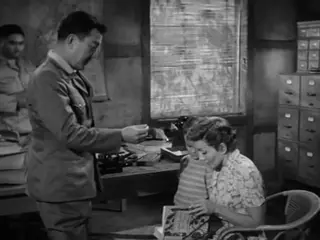
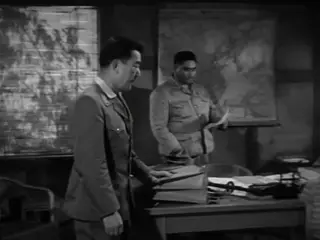
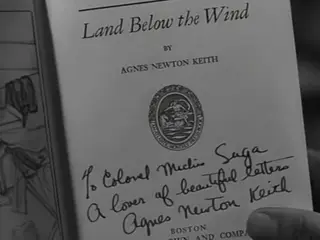
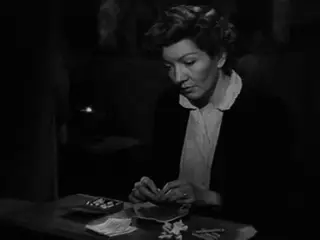
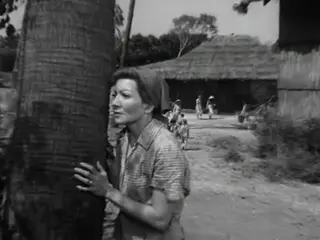
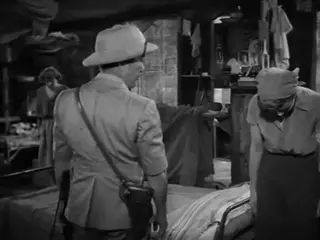
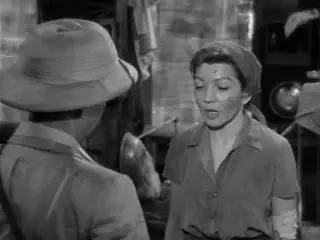
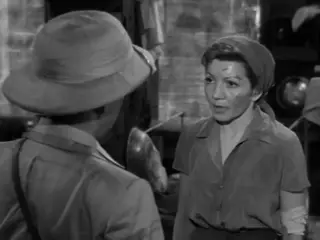
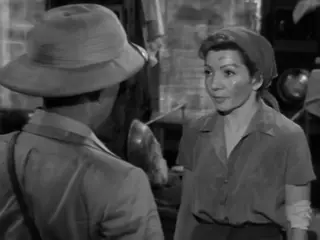
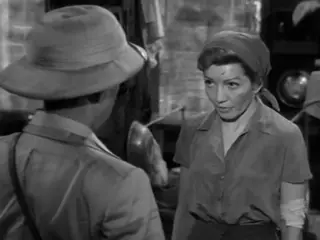
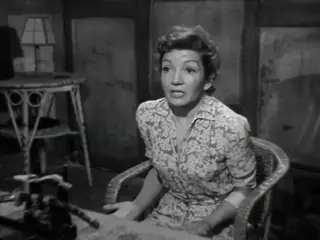
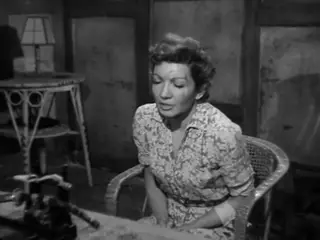
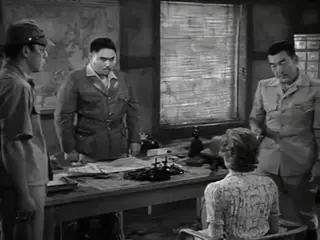
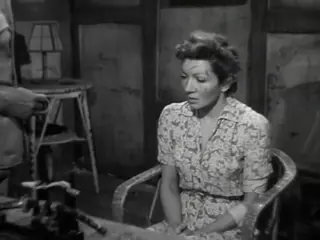
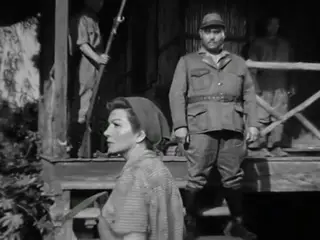
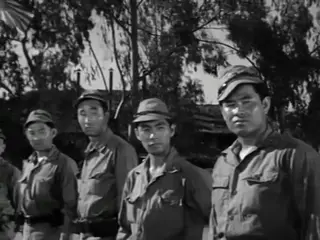
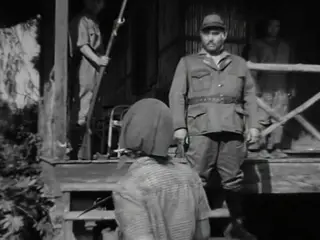
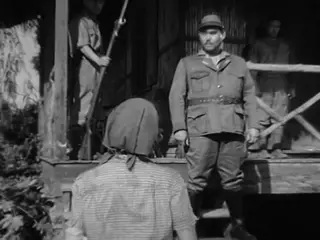
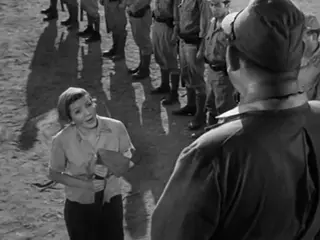
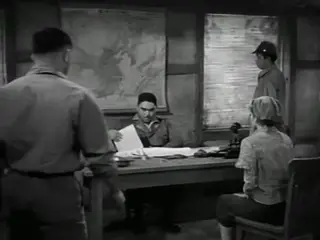
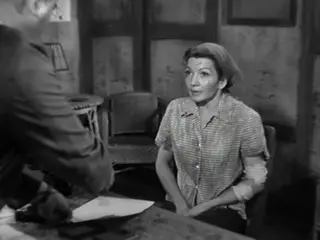
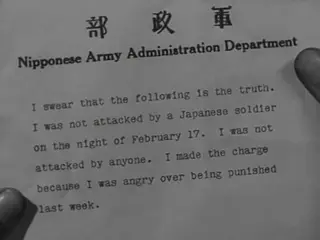
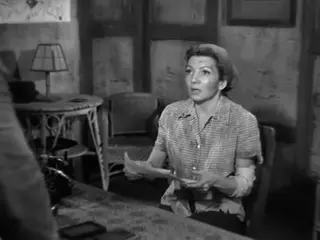
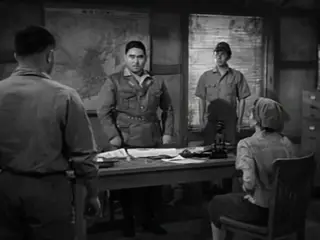
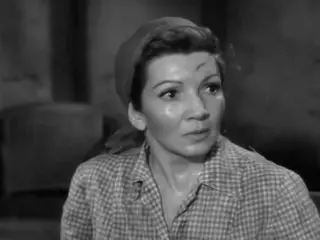
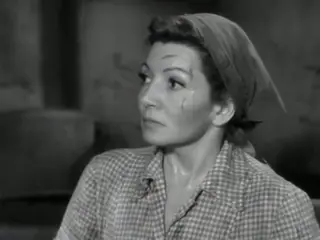
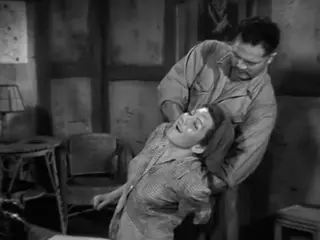
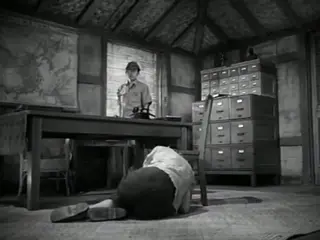
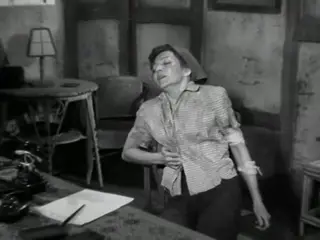
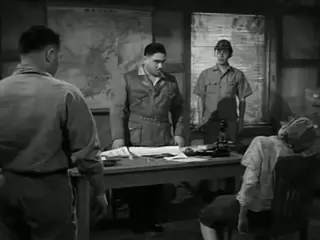
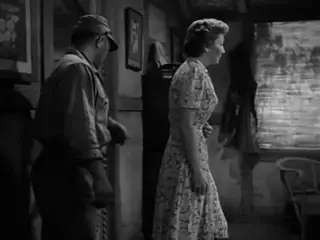
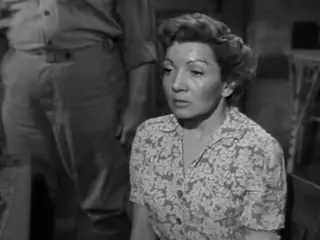
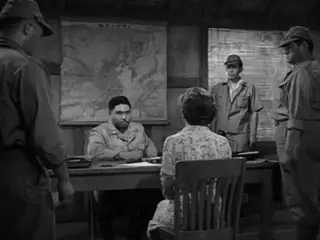
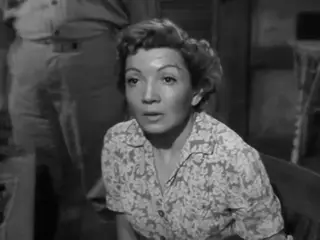
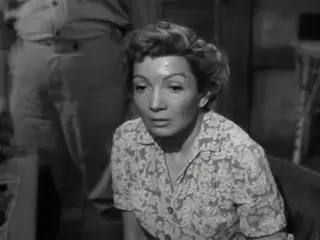
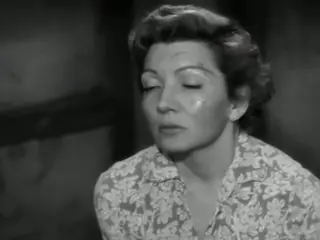
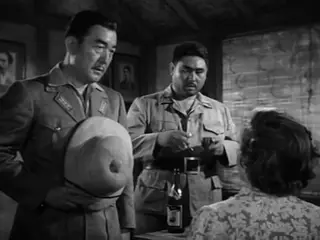
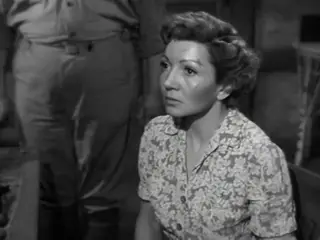
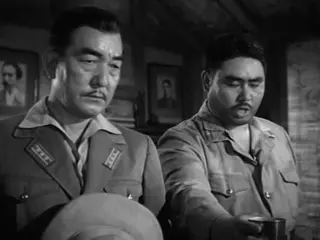
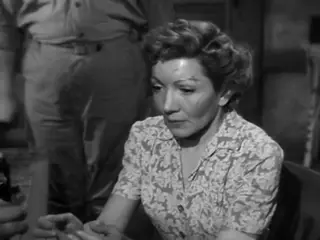
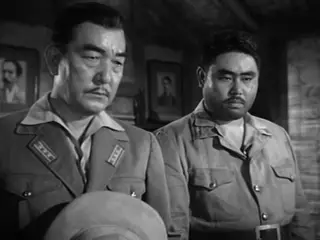
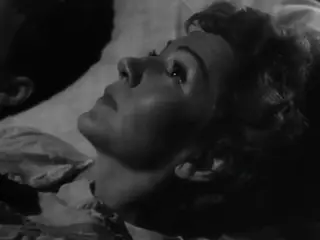
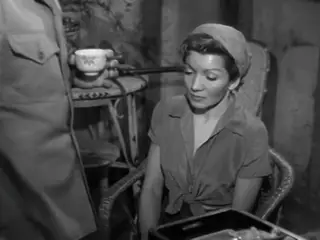
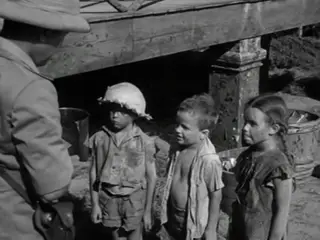
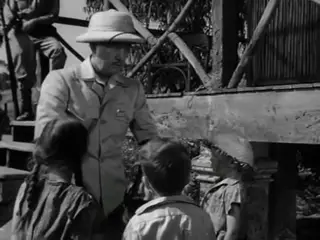
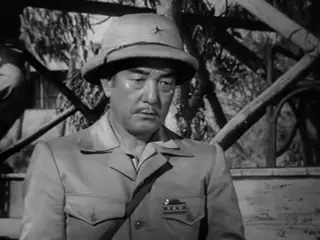
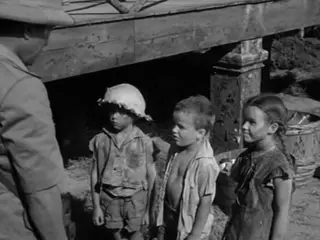
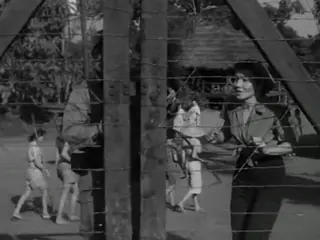
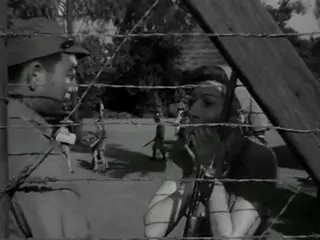
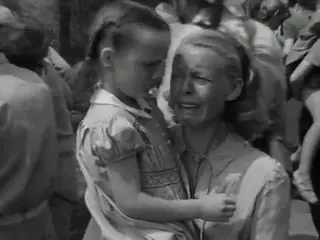
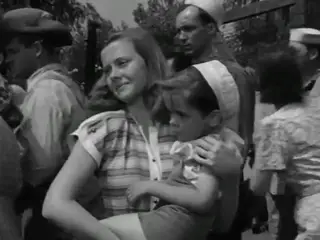
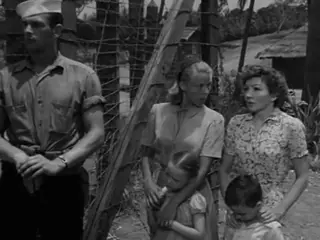
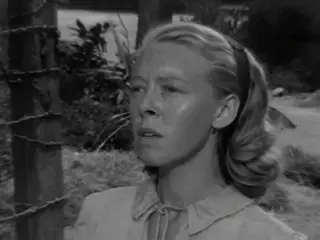
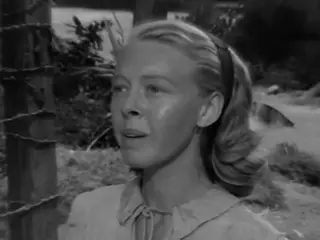
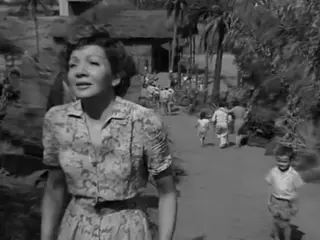
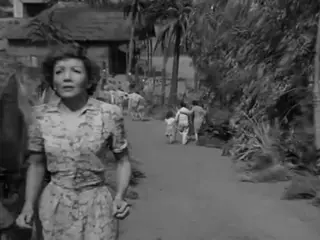
A prison commandant’s admiration for a writer does nothing to make her free. That uncomfortable distinction runs through Three Came Home, in which Agnes Newton Keith, played by Claudette Colbert, discovers that Colonel Suga knows her work.1 Their acquaintance does not suspend the camp’s violence. Instead, it makes captivity harder to understand in simple terms: recognition of another person’s intelligence can coexist with the power to deny her ordinary choices. The film keeps testing the distance between being heard and being protected.
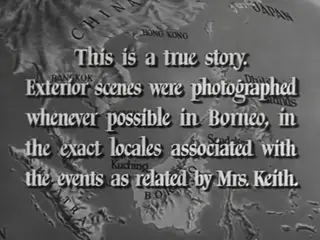
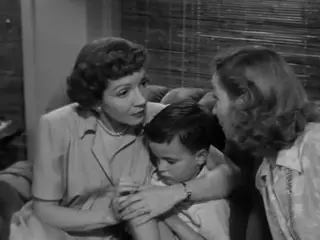
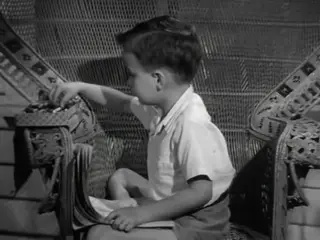
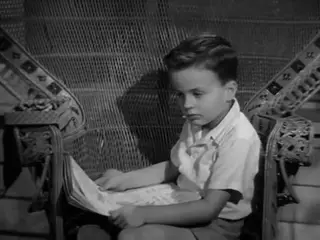
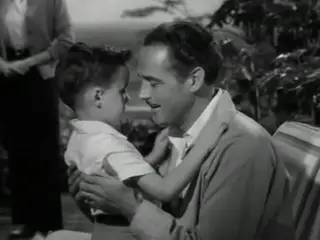
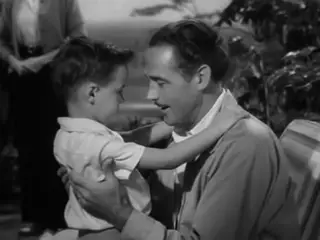
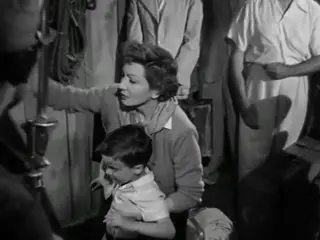
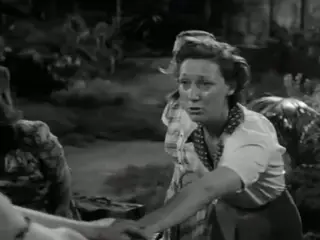
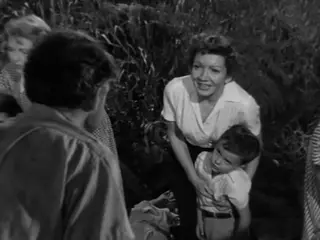
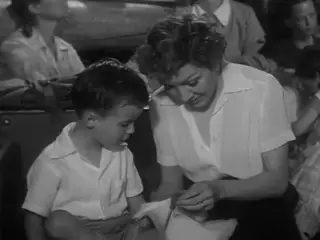
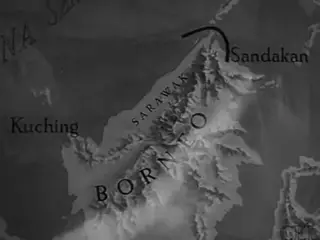
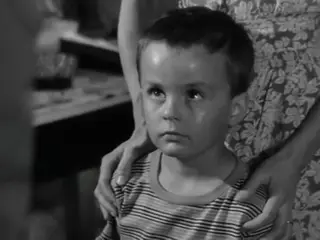
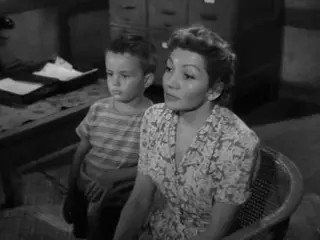
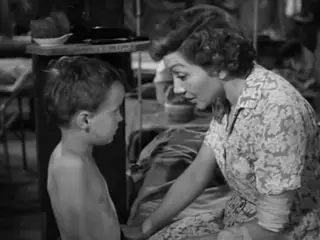
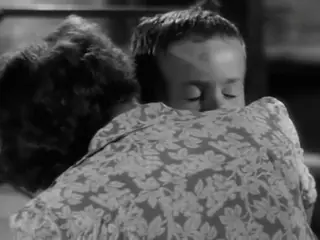
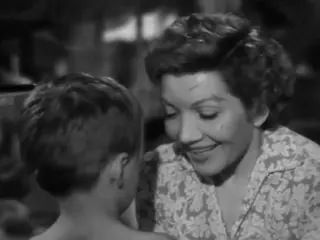
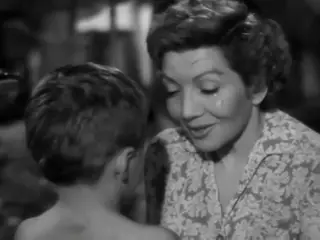
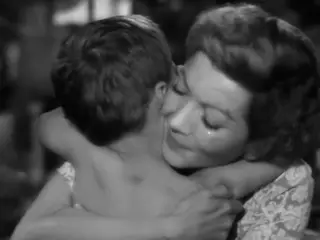
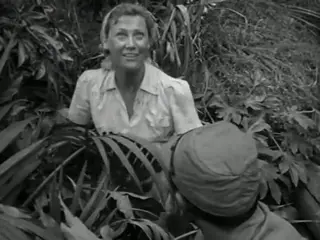
Keith’s memoir, published in 1947, supplied the story.4 It recounts her imprisonment in Japanese prisoner-of-war and civilian internment camps in North Borneo and Sarawak.3 Nunnally Johnson adapted the book for the screen.1 He also produced the film.5 Jean Negulesco directed.5 The film’s war story is organised around a mother’s efforts to keep her child alive, rather than around military campaigns. Maintaining contact with her husband gives those efforts a purpose beyond the camp’s boundaries. Keeping that small unit imaginable during separation supplies the drama.
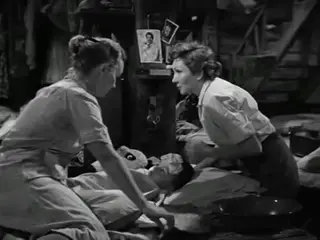
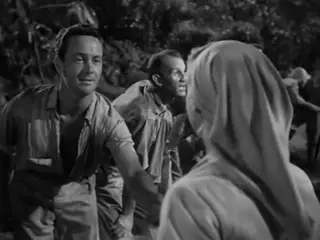
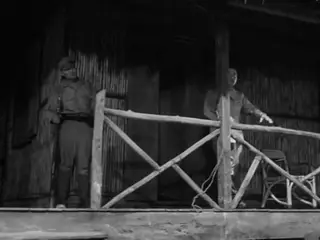
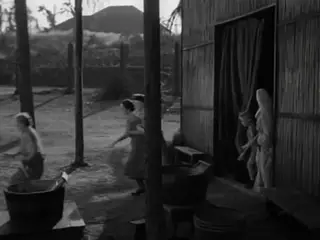
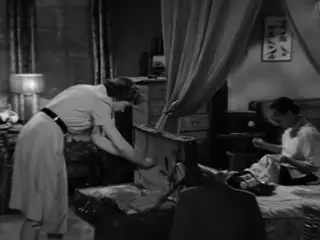
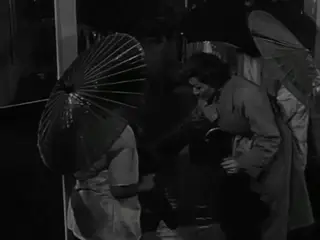
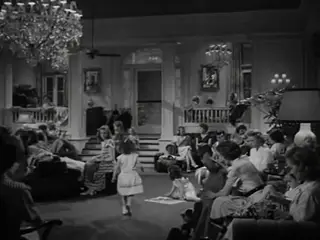
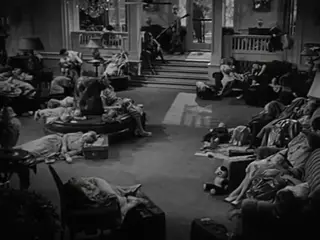
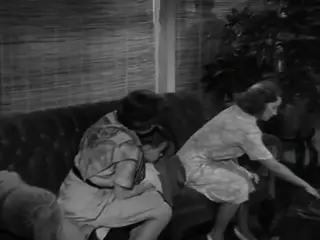
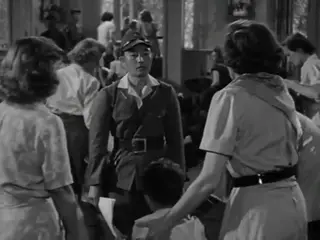
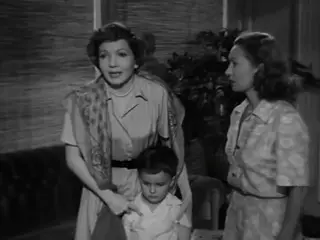
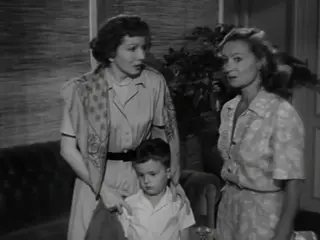
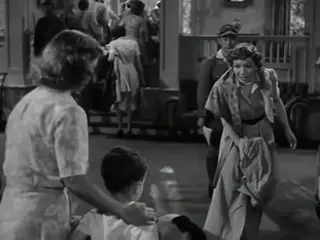
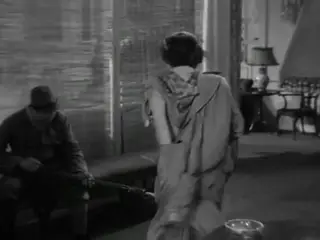
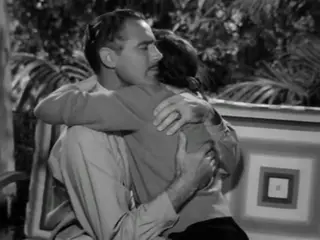
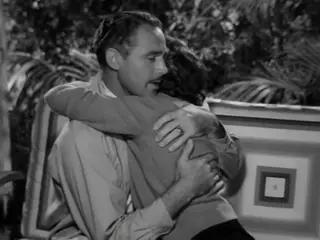
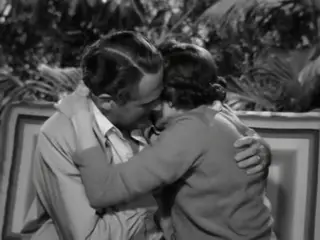
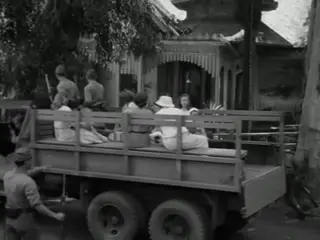
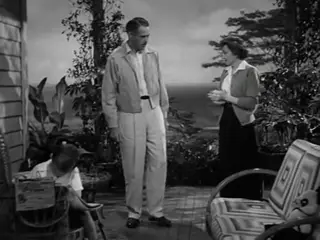
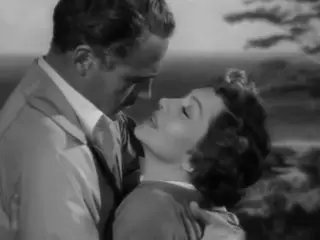
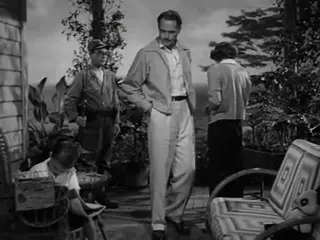
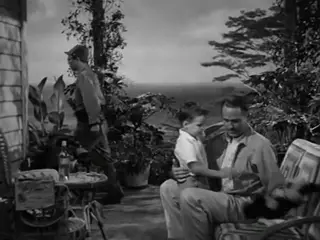
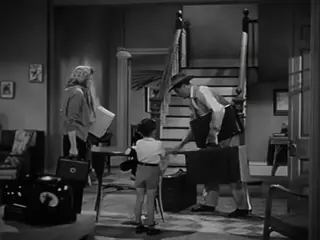
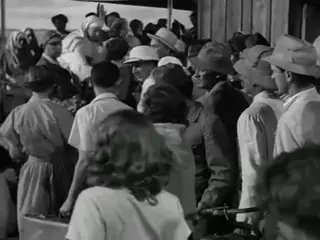
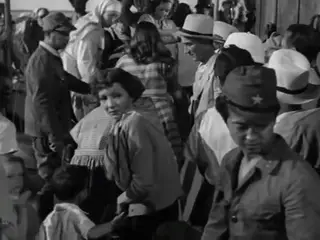
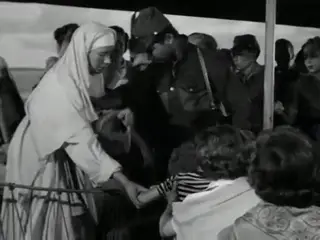
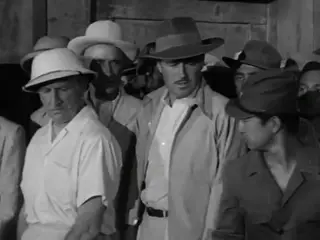
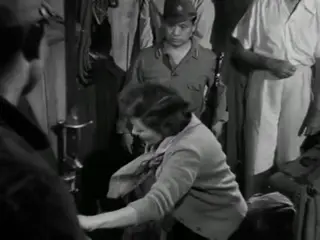
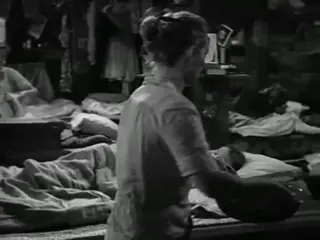
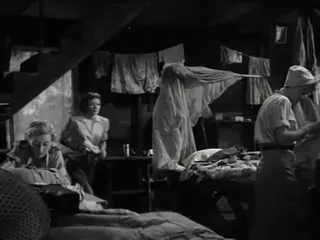
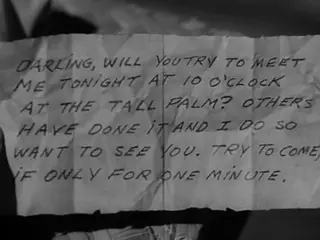
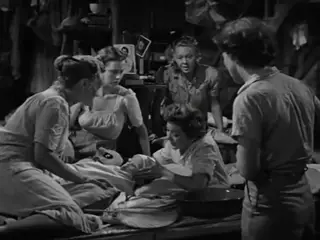
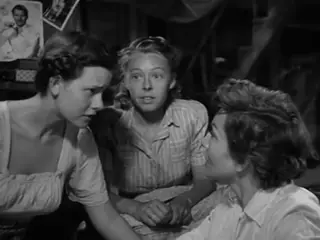
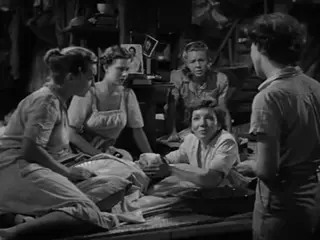
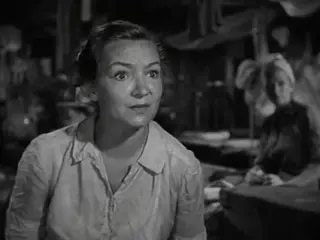
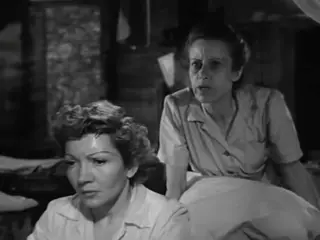
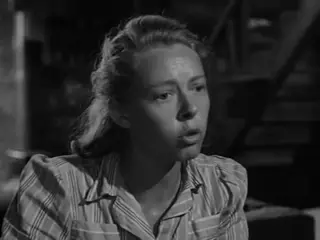
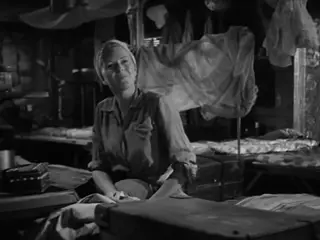
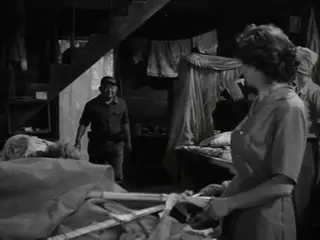
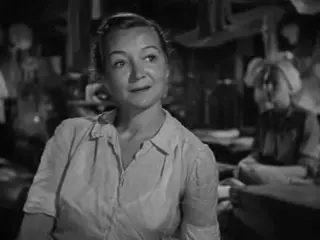
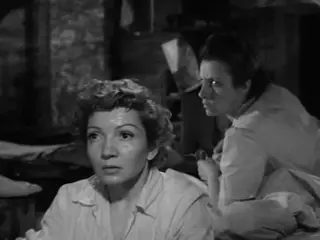
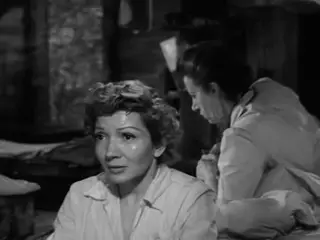
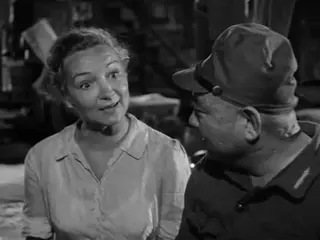
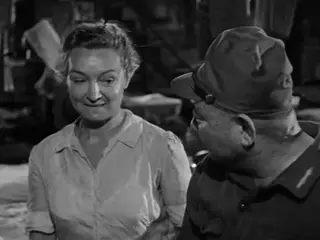
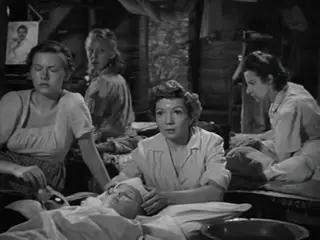
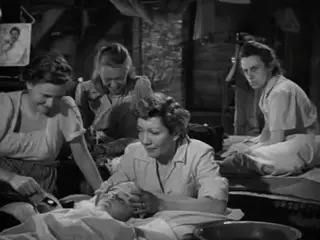
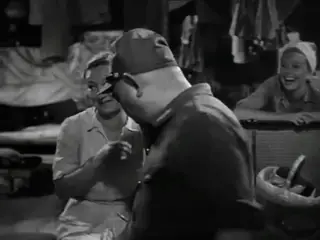
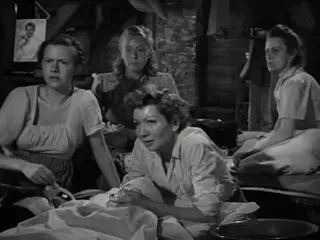
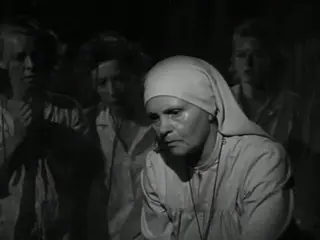
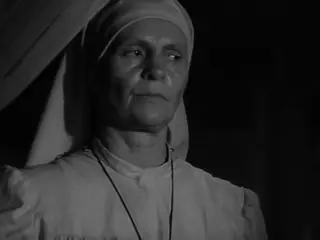
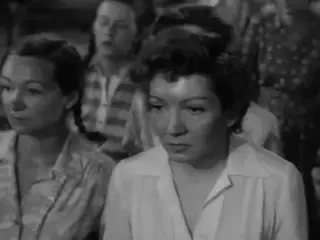
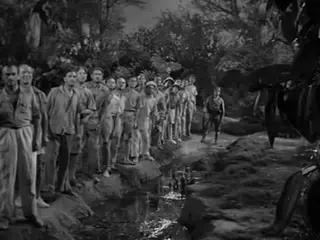
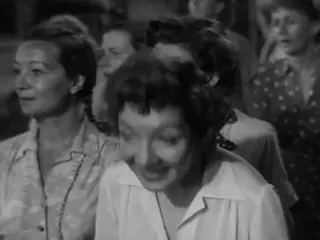
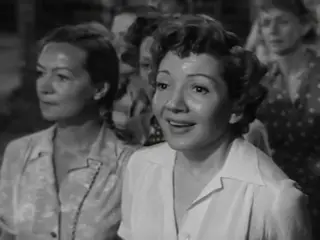
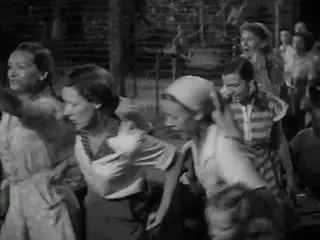
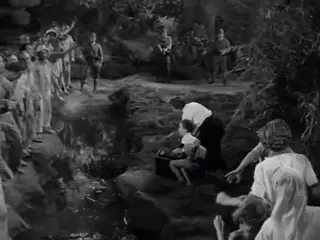
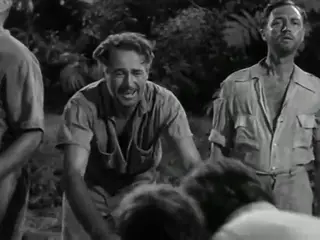
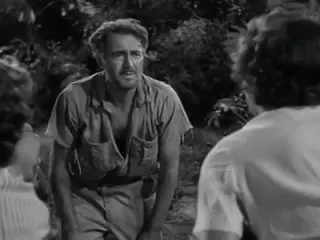
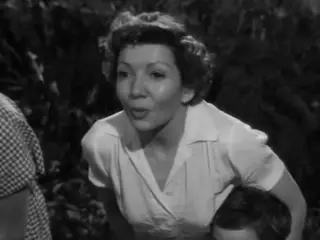
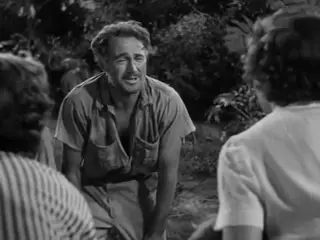
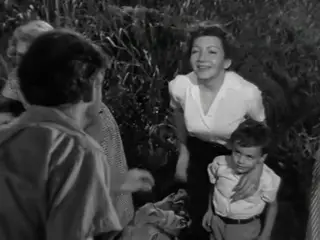
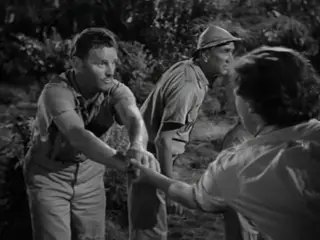
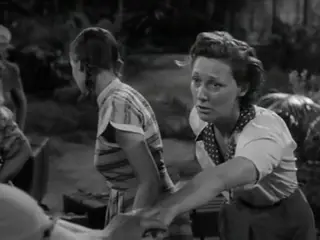
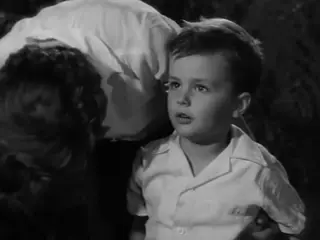
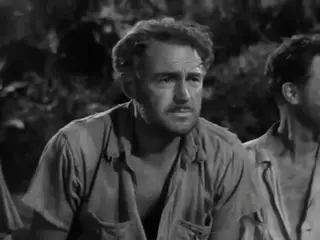
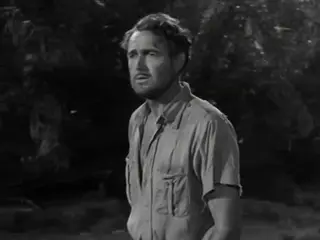
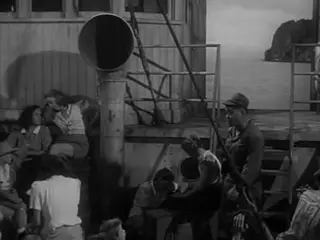
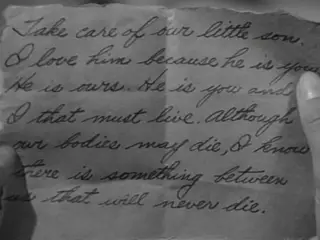
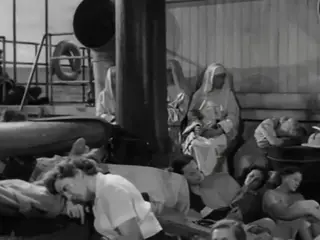
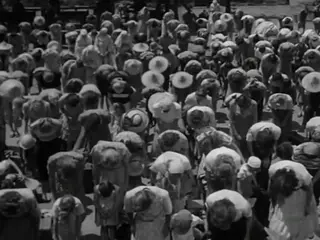
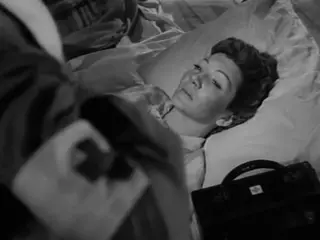
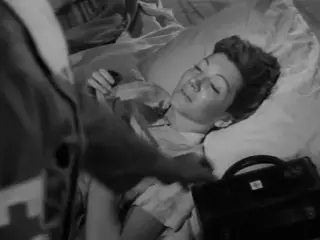
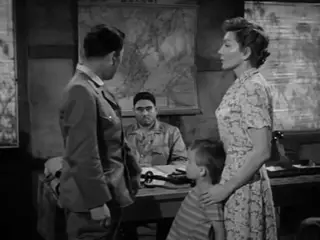
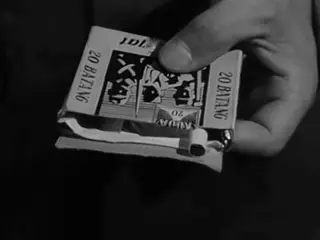
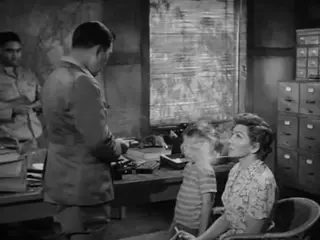
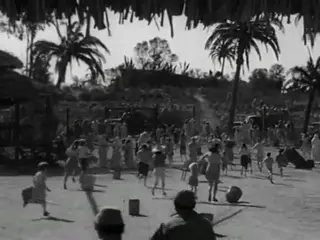
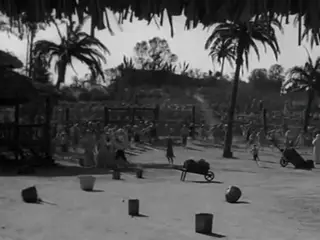
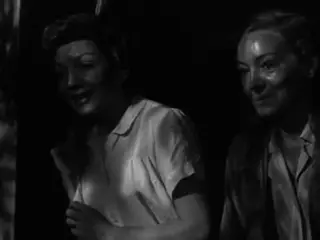
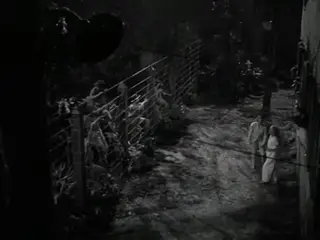
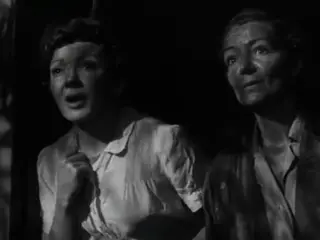
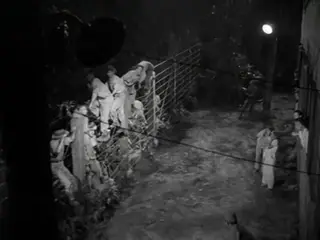
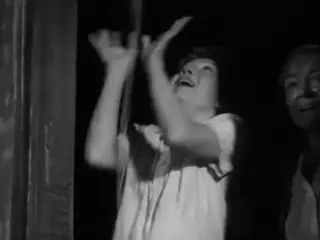
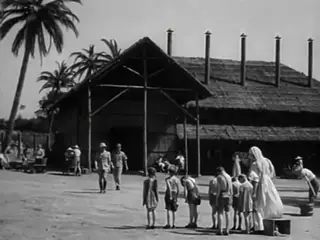
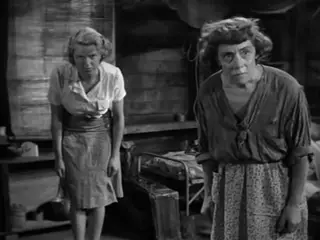
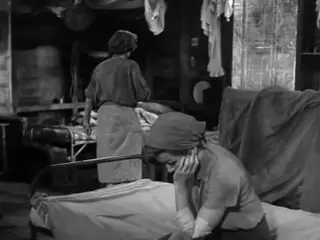
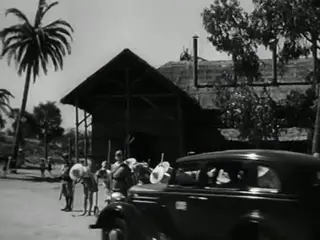
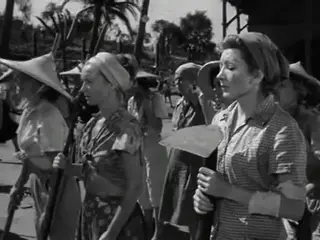
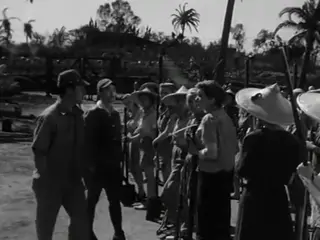
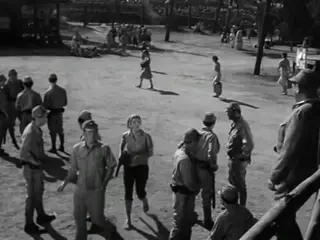
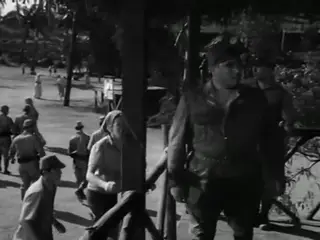
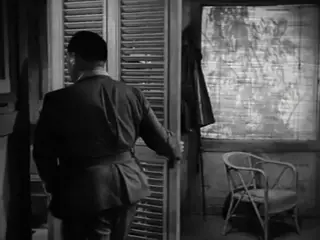
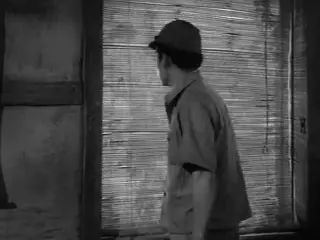
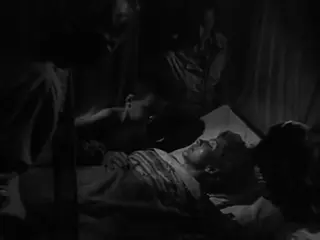
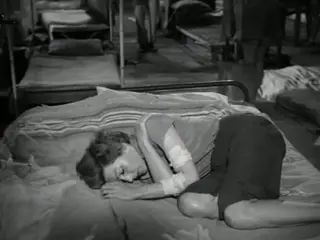
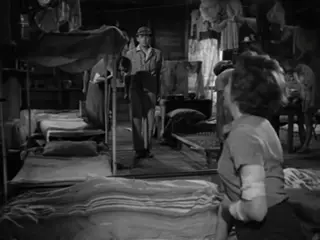
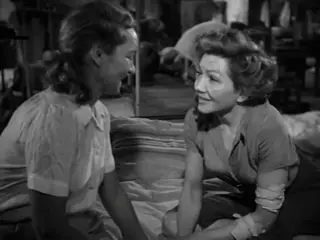
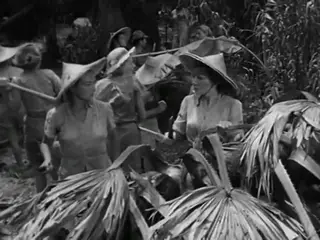
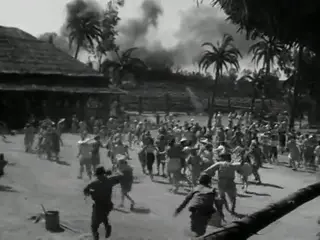
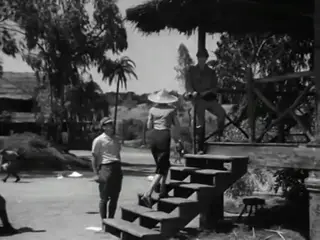
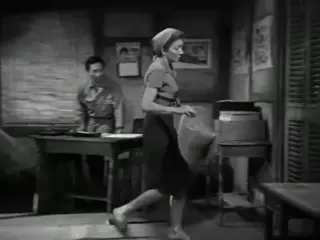
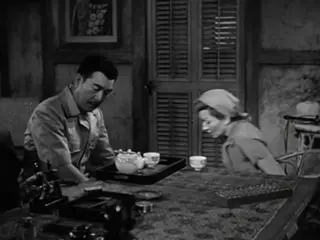
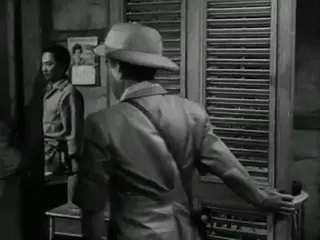
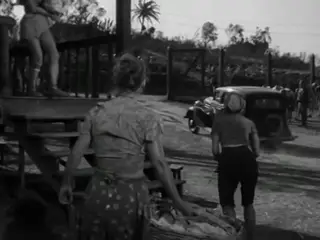
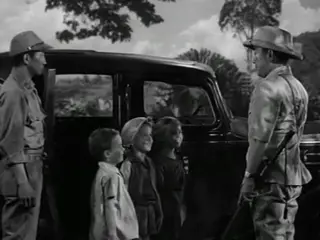
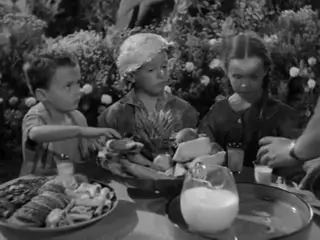
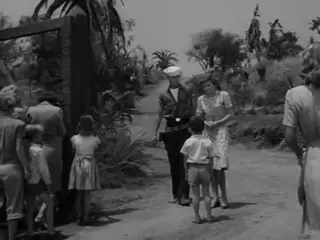
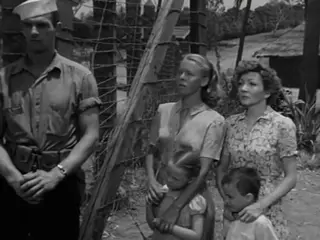
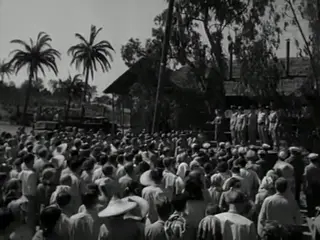
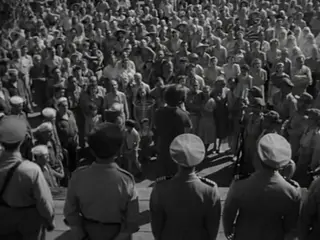
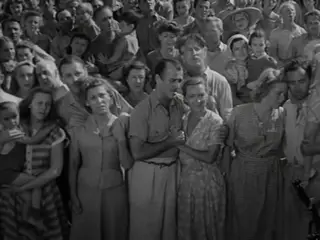
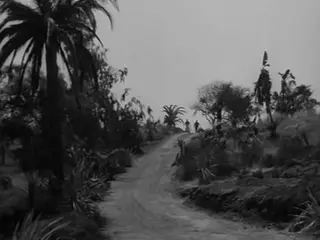
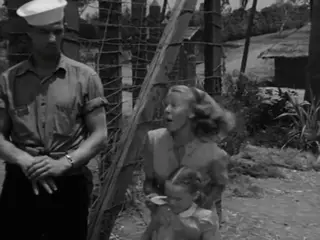
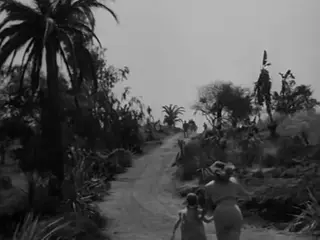
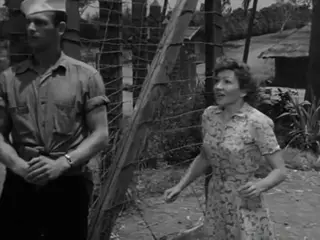
The camp divides people into categories that cut across their closest attachments. Agnes and her son George are separated from her husband Harry, played by Patric Knowles.1 Marriage becomes a relationship conducted under rules neither spouse has chosen. The plot repeatedly turns on permission to cross the boundaries of confinement. Even delivering a message depends on access that cannot be taken for granted. Such concerns bring the machinery of imprisonment down to the scale of daily life. The film does not give Agnes a substitute military mission. Her work is to preserve enough of a household for survival to remain something more than an individual undertaking. Florence Desmond’s Betty belongs to that practical world of companionship among the confined women.1
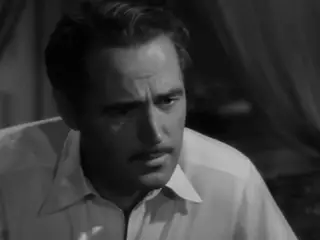
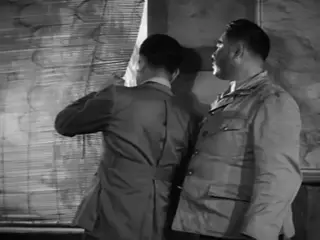
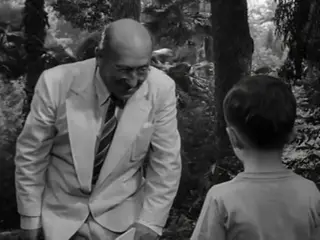
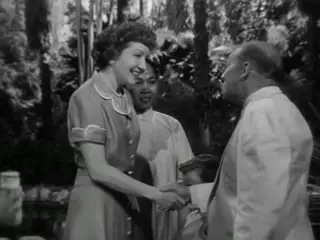
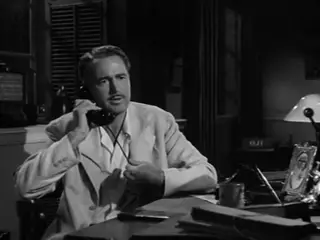
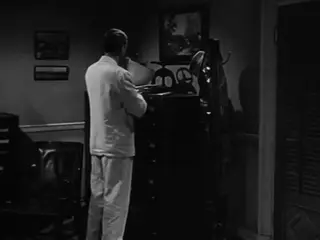
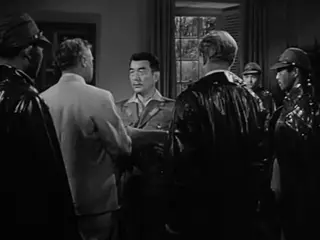
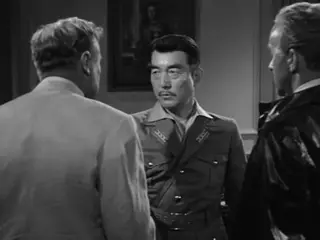
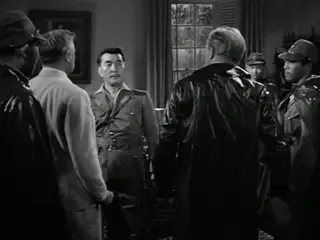
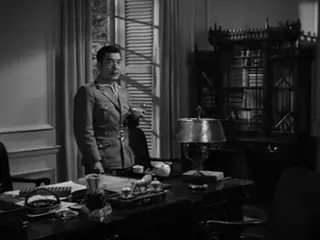
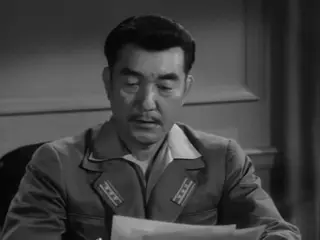
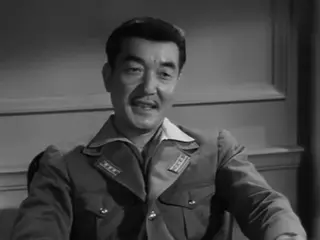
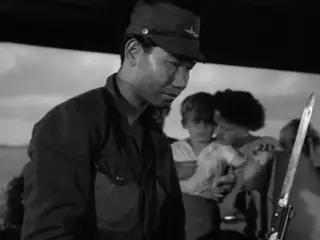
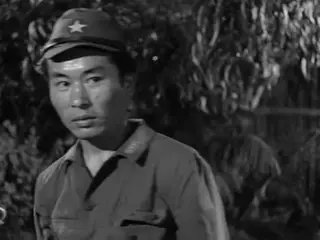
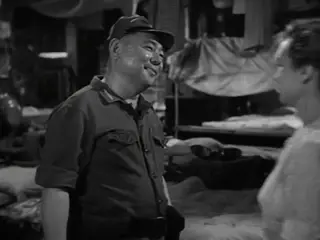
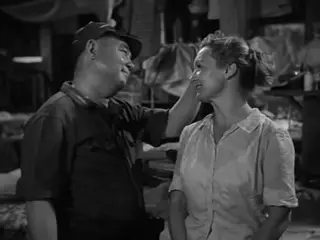
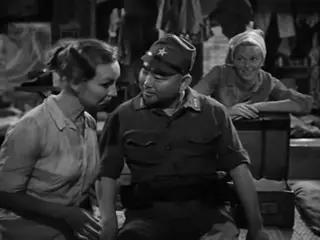
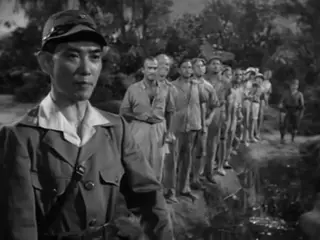
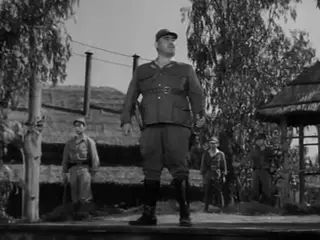
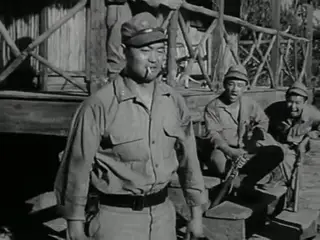
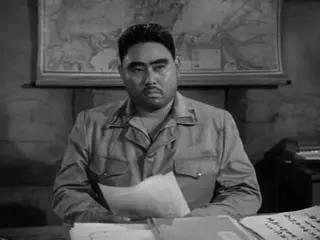
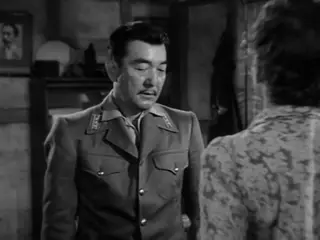
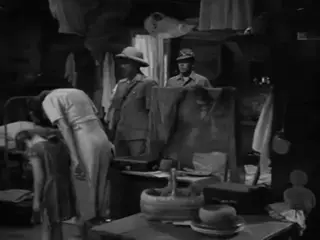
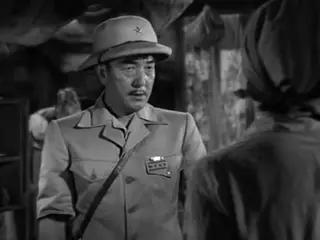
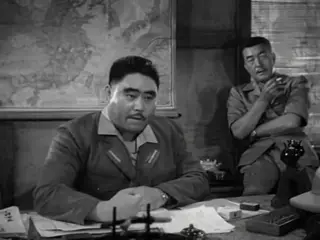
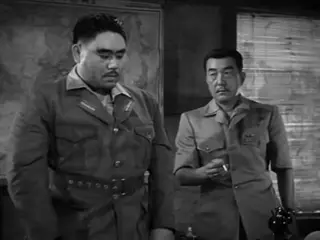
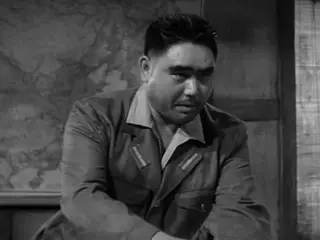
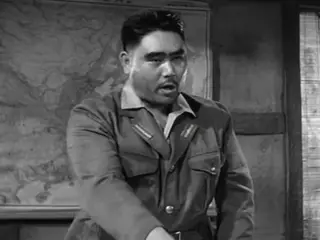
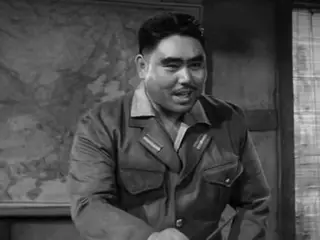
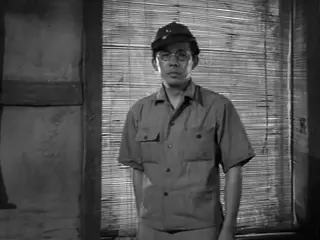
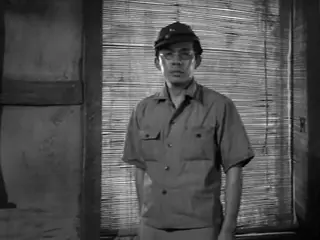
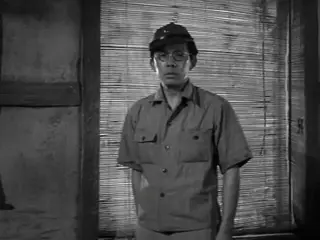
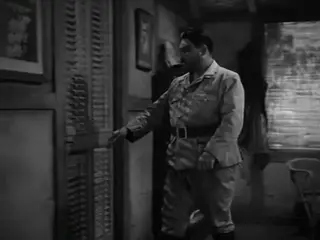
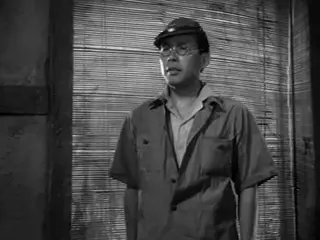
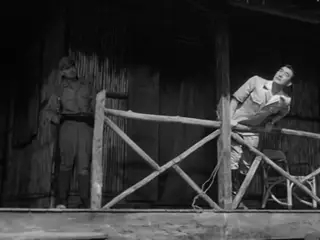
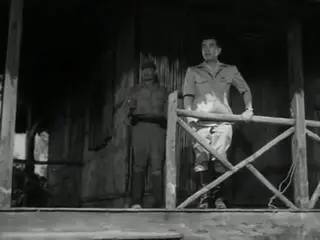
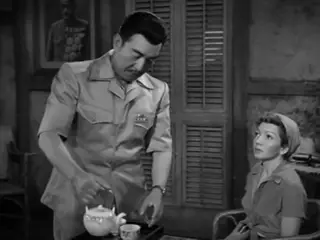
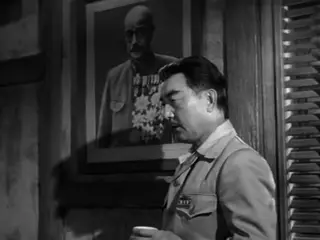
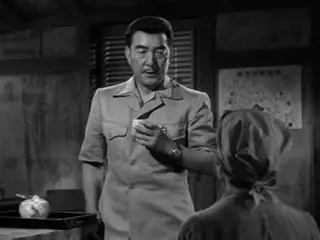
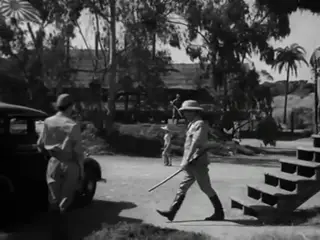
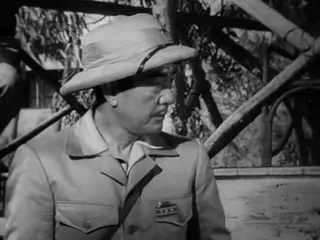
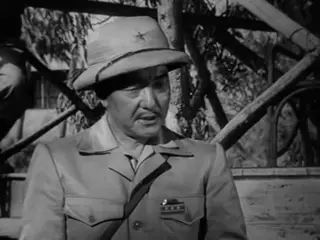
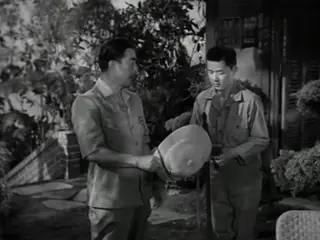
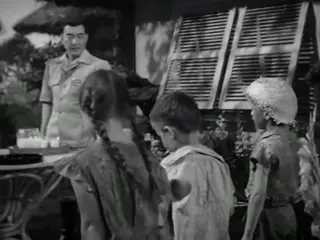
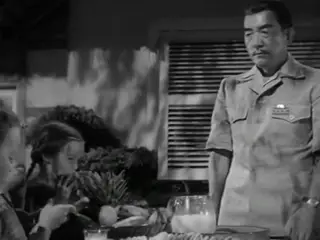
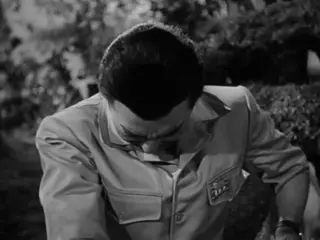
Sessue Hayakawa plays Suga.1 His respect for Agnes’s authorship gives them a language outside the formal exchanges between guard and prisoner. It is a language available on unequal terms. She must continue to reckon with his power whether he is courteous or threatening. The distinction matters to the film’s treatment of brutality: an officer’s capacity for personal feeling is not evidence that the institution he serves has become humane. Nor does Agnes’s ability to speak to him make her responsible for reaching some reconciliation. The story keeps returning to needs more immediate than mutual understanding, especially the safety of her child.
The New York Times review appeared on 21 February 1950 under the headline “Moving Story of War Against Japan.”5 That wording offers a contrast with the title itself, which counts survivors rather than announcing a conflict. The title locates the measure of the war in a household. Its promise of return gives the separations within the camp their particular weight.
The later documentary trail supplied here is modest. A poster-image catalogue describes the film as free of copyright restrictions.8 The same page points to a Japanese DVD listing.8 Neither establishes the legal basis of a particular edition. Nor does the existence of a release show that a lapse in protection caused its distribution. The atlas’s viewing copy and the registry’s rights inquiry therefore answer different questions. The copy provides access to the film as an object of close observation. The inquiry concerns the evidence for its American copyright term.
The record: Registration LP24 by Twentieth Century~Fox Film Corp is dated 21 February 1950. The registry found no renewal in the renewal volumes for 1977 to 1979, nor in the Copyright Office's records from 1978 on; on that reading the term ended on 31 December 1978 and the film has been free in the US since 1 January 1979. This is the registry’s reading, not a conclusion independently confirmed by primary copyright records in the gathered sources. Rights in Keith’s underlying memoir remain outside this finding. The record does not establish the status of a particular later edition. Its territorial scope is the United States.
Written 6 September 2026 by gpt-6-astra from the registry record, the atlas's own evidence and the sources below, gathered by Qwen/Qwen3.8-Max with web search and questioned by deepseek-ai/DeepSeek-V4-Pro. Numbered notes are the sources; a claim marked unverified has no source yet; times open the atlas at that second. How these are made and checked.
- en.wikipedia.org https://en.wikipedia.org/wiki/Three_Came_Home
- catalog.afi.com https://catalog.afi.com/Film/26524-THREE-CAME-HOME?cxt=filmography
- en.wikipedia.org https://en.wikipedia.org/wiki/Agnes_Newton_Keith
- amazon.com https://www.amazon.com/Three-came-reading-program-special/dp/0809436078
- nytimes.com https://www.nytimes.com/1950/02/21/archives/the-screen-in-review-moving-story-of-war-ag...
- commons.wikimedia.org https://commons.wikimedia.org/wiki/File:3camehome.jpg
- inlibra.com https://www.inlibra.com/10.5771/9781461674078.pdf
- commons.wikimedia.org https://commons.wikimedia.org/wiki/File:ThreeCameHome-poster2.jpg
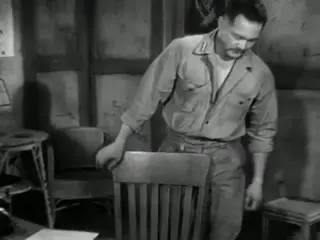
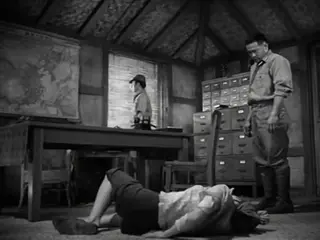
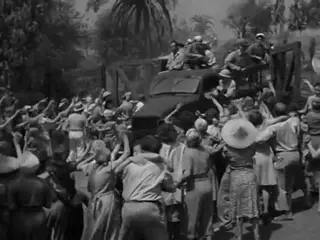
 1:09
1:09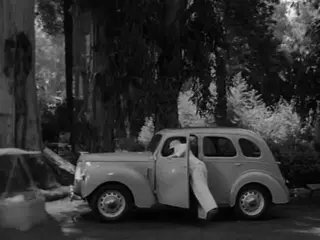











 The Admiral Was a Lady
  The Torch
  Quicksand
  Why Play Leap Frog?
  The Snows of Kilimanjaro
  Behind Green Lights
  They Made Me a Criminal
  Africa Screams
  Renfrew of the Royal Mounted
