Lew Ayres’s only Hollywood feature as director places divided lovers beside the rival ironclads of the American Civil War.
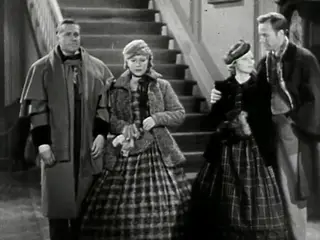
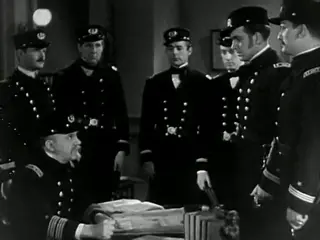
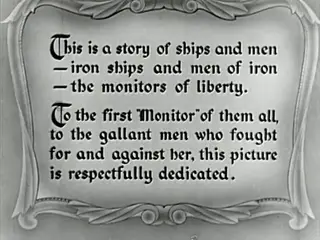
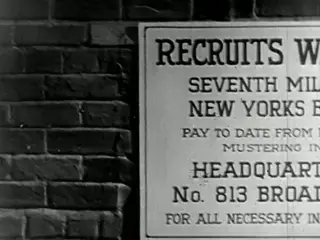
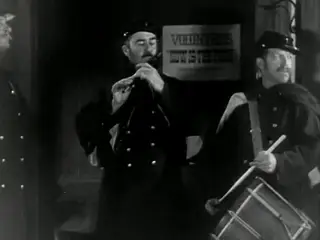
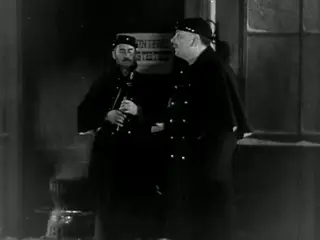
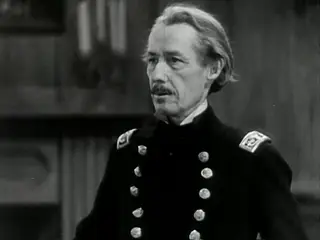
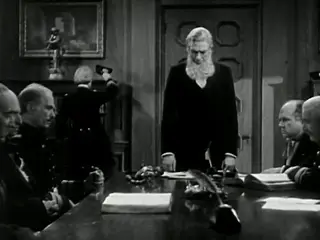
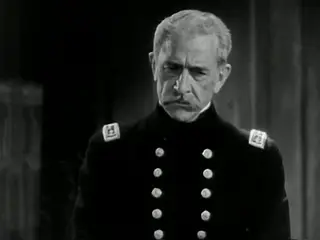
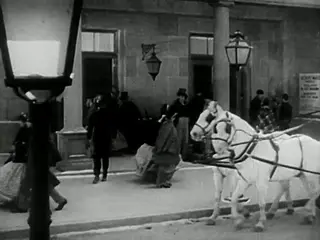
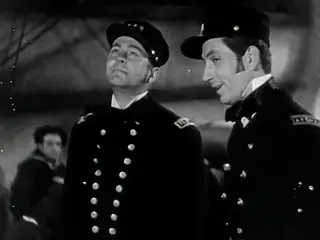
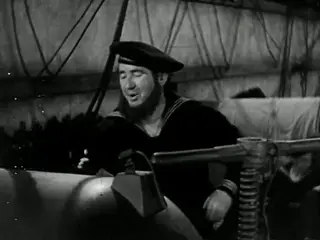
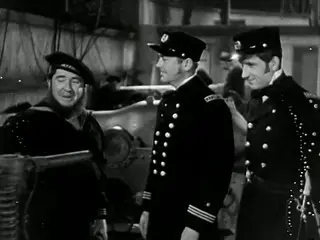
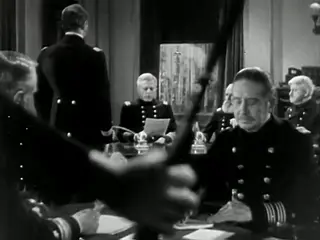
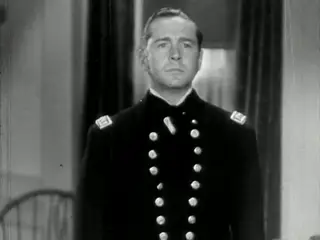
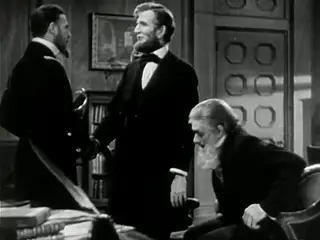
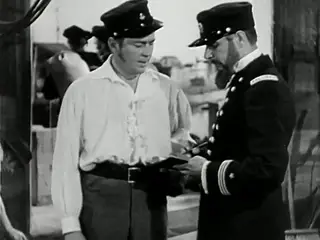
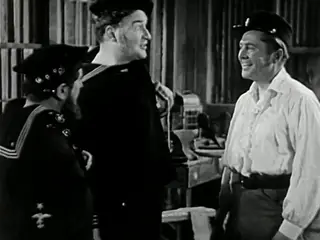
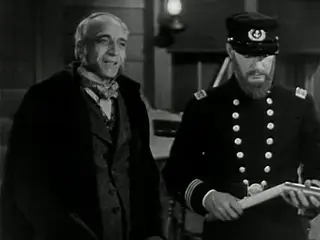
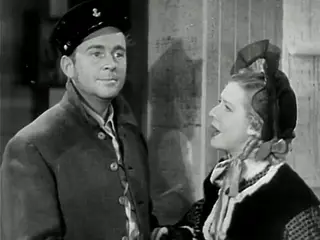
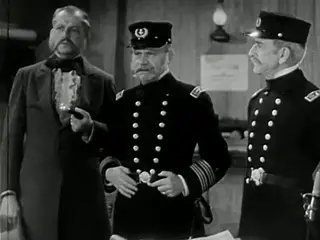
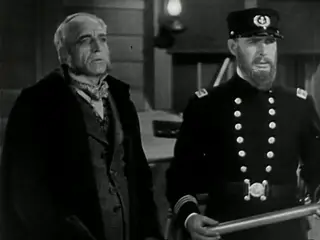
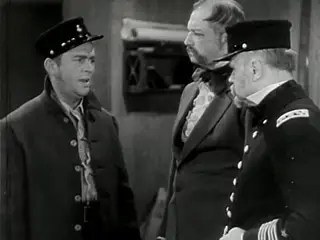
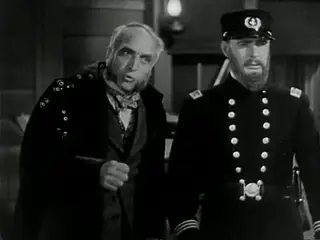
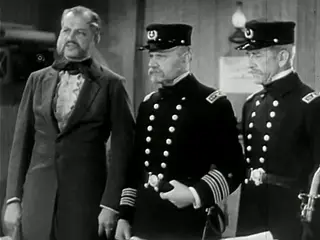
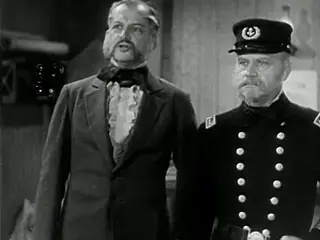
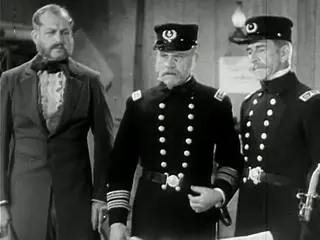
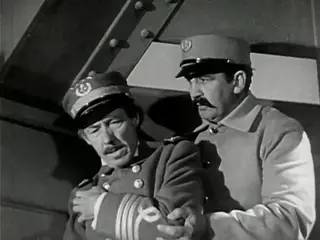
Hearts in Bondage was the only Hollywood feature that the actor Lew Ayres directed.2 It offers a chance to consider his work from the other side of the camera, without a succession of later films to guide the comparison. Made for Republic Pictures, the drama takes place during the American Civil War.1 James Dunn and Mae Clarke play lovers on opposing sides of the conflict.6 Its military subject is the encounter between the Union’s Monitor and the Confederate Virginia, the former Merrimack.5 The personal division and the naval confrontation give the film two different measures of conflict.
The project’s working title was The Glory Parade.3 The phrase points toward public ceremony. Hearts in Bondage directs attention instead toward private feeling under constraint. A change of title is not, by itself, evidence of a change in the screenplay. The contrast nevertheless names the competing interests within the film’s premise. The credits distinguish Wallace MacDonald’s story from the screenplay by Bernard Schubert and Olive Cooper.4 Karl Brown received a separate credit for adaptation.4 That division of work cautions against treating the film simply as Ayres’s personal statement. Its dramatic construction belongs to writers whose contribution cannot be separated from the director’s by the credits alone.
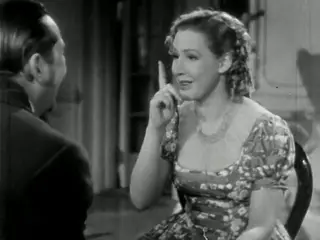
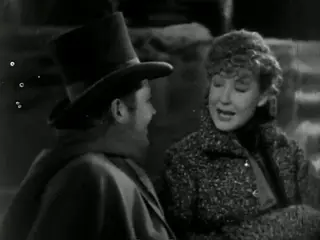
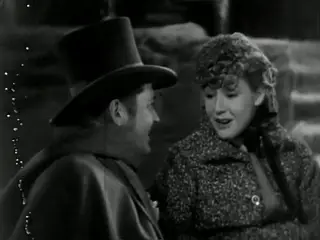
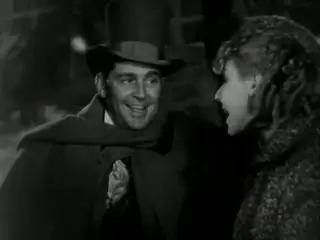
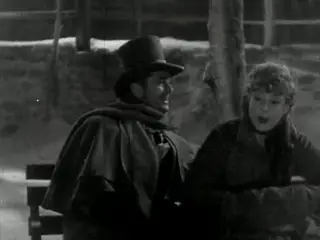
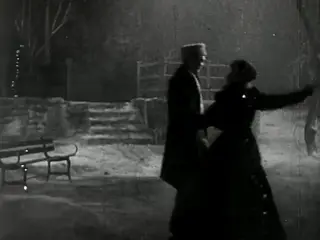
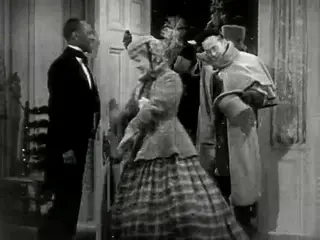
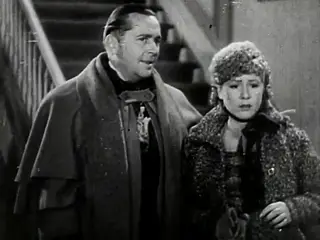
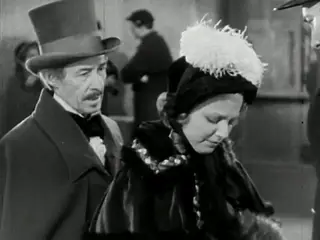
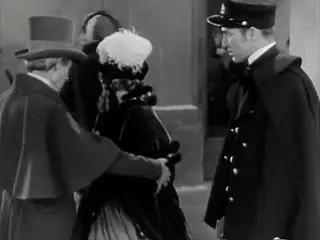
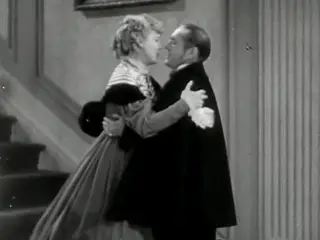
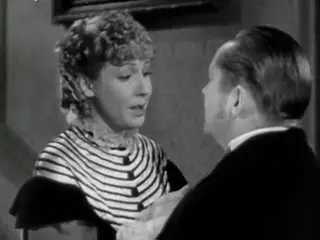
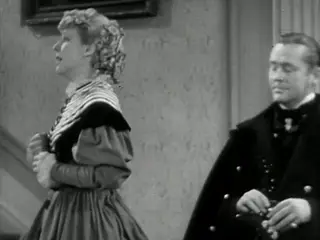
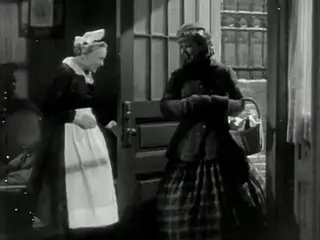
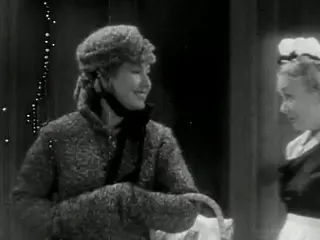
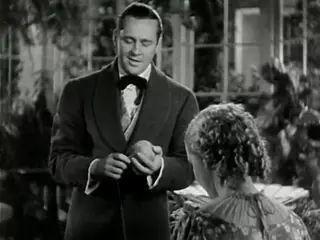
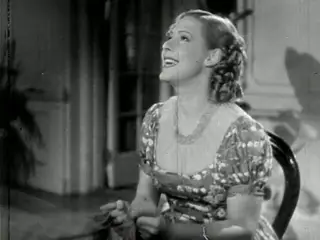
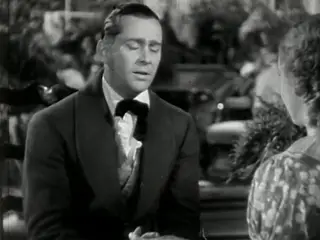
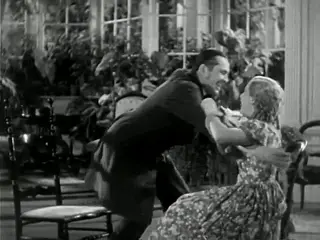
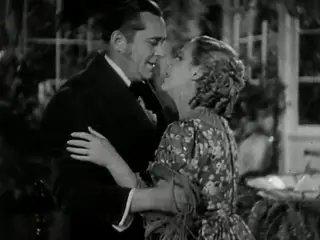
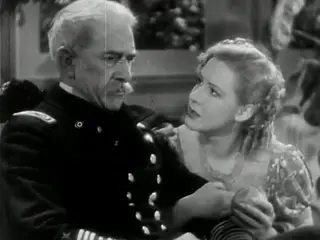
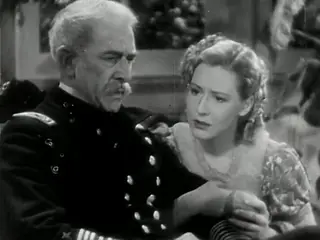
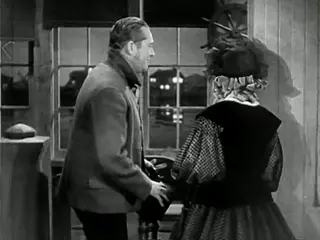
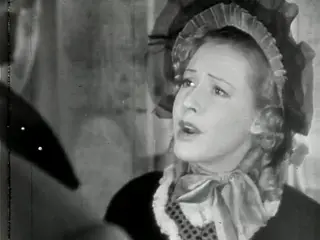
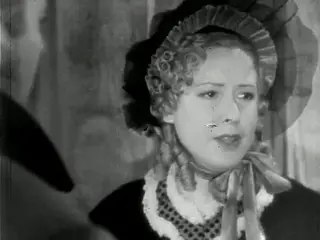
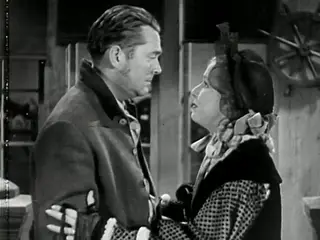
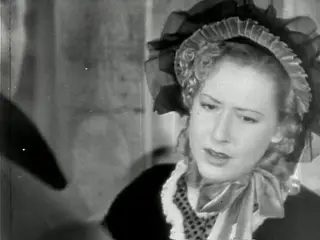
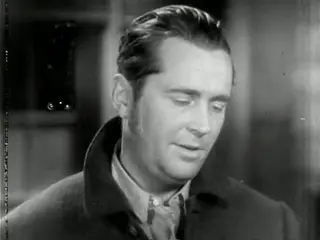
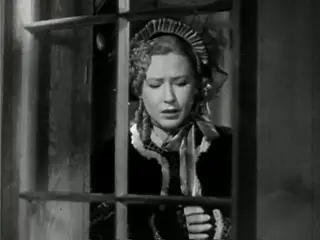
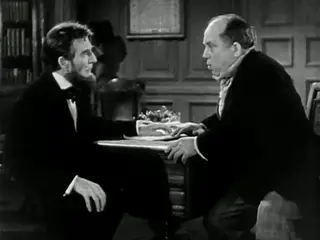
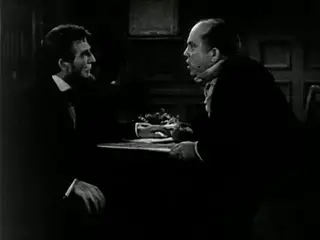
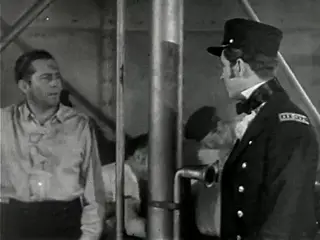
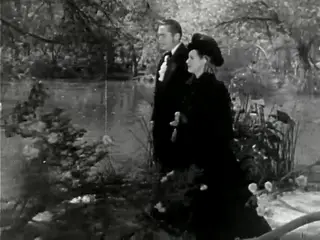
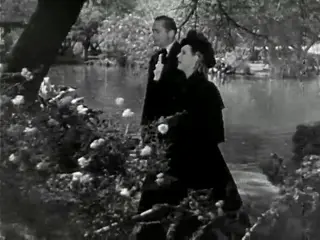
Dunn and Clarke’s lovers make the war a problem of attachment rather than only allegiance. A romance across opposing sides gives political identity consequences at the scale of a couple. Choosing a cause need not mean ceasing to care for someone beyond it. The title’s “bondage” might describe the hold of affection upon someone whose duty points elsewhere. It might equally describe the restrictions that war imposes upon affection. Neither reading requires the romance to resolve the film’s historical subject. The tension lies in the possibility that intimate feeling and public duty cannot be made to agree.
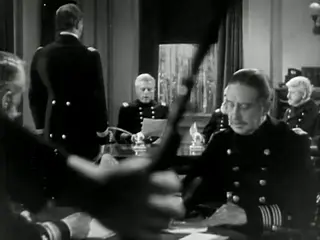
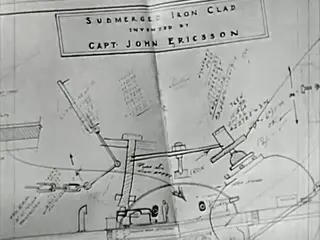
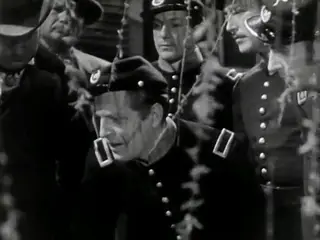
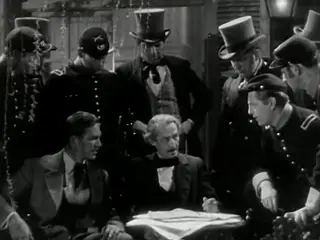
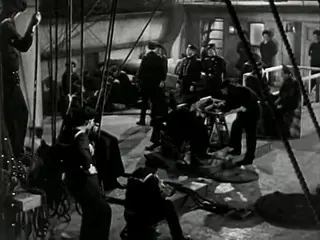
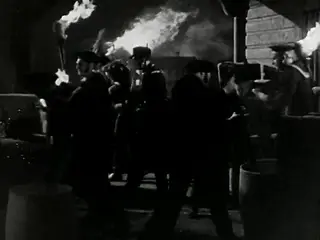
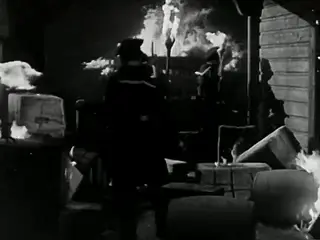
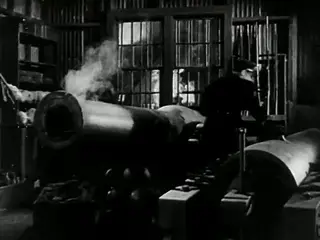
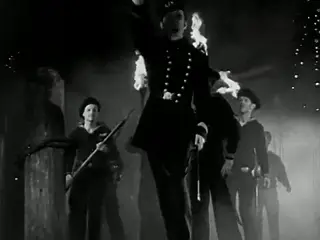
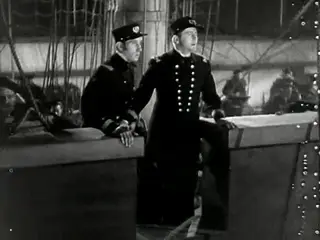
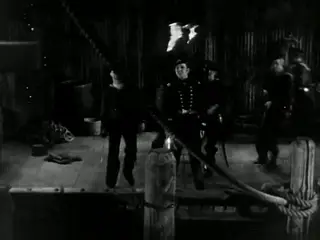
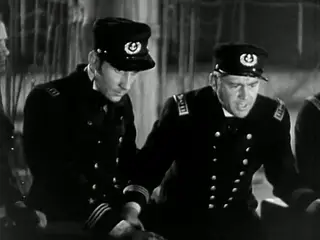
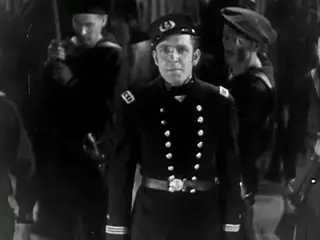
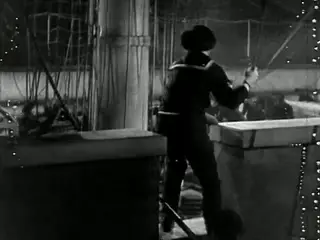
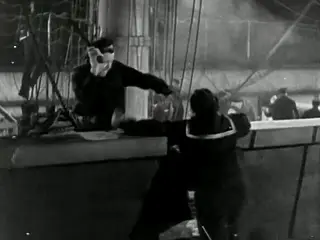
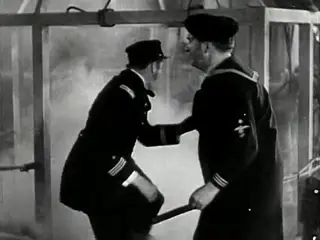
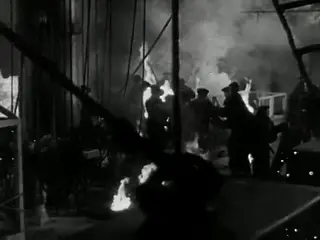
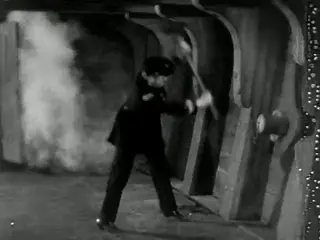
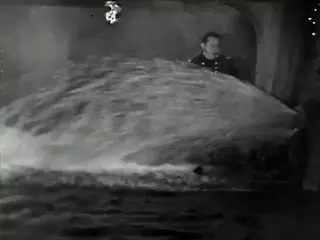
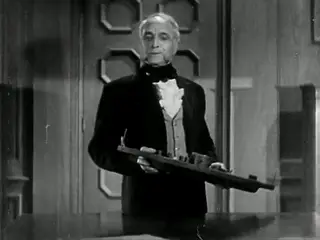
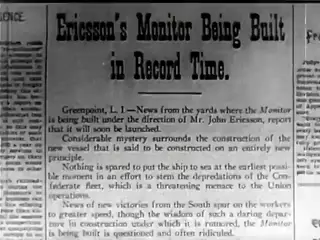
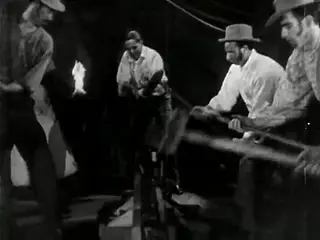
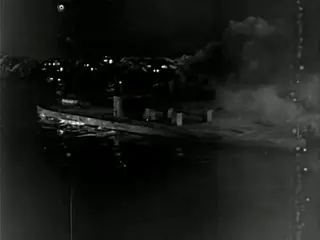
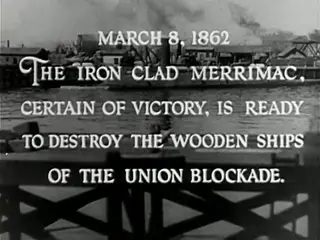
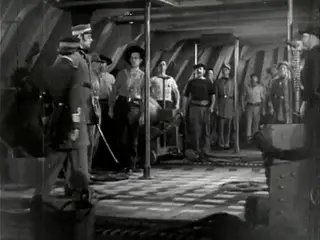
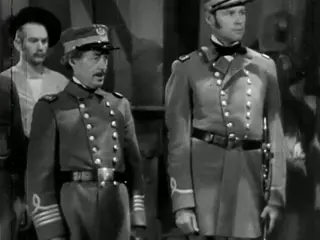
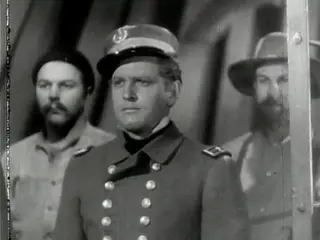
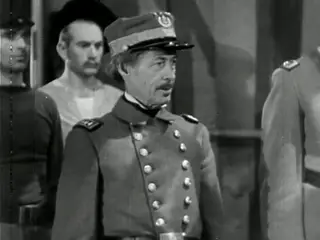
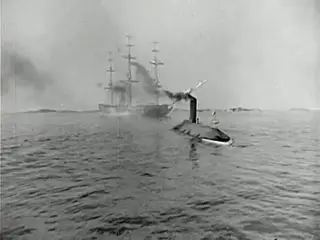
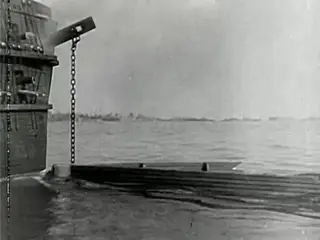
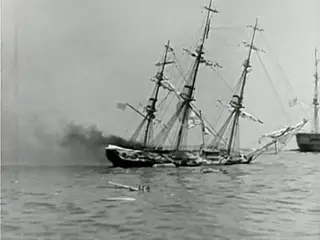
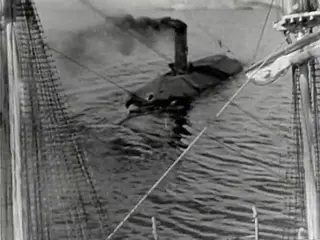
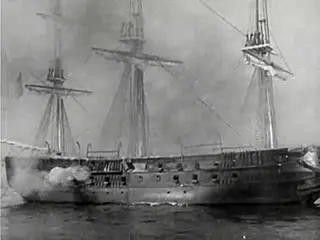
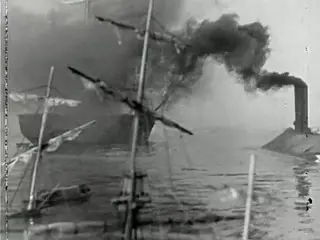
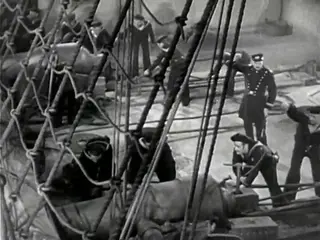
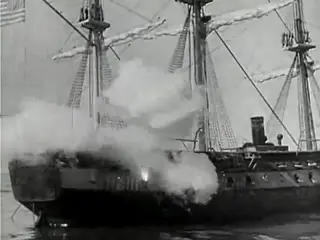
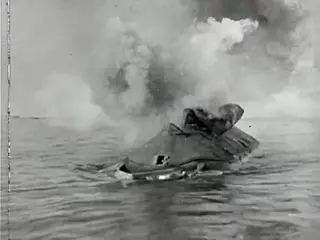
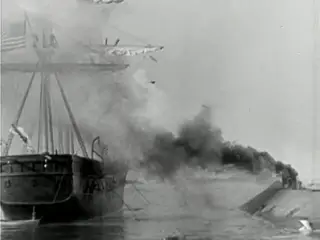
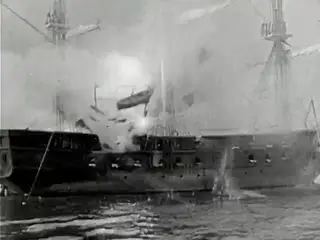
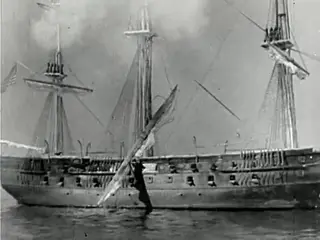
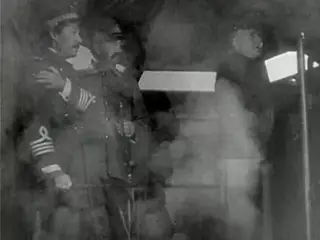
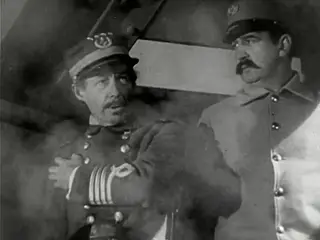
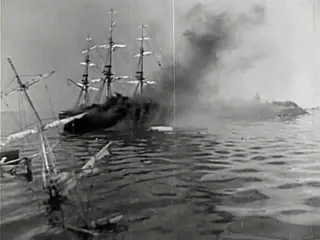
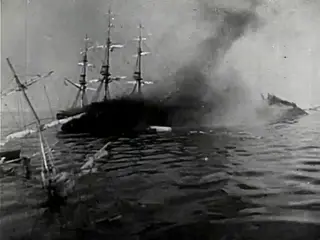
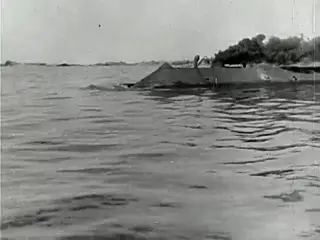
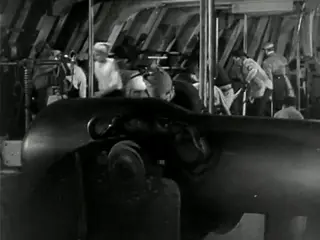
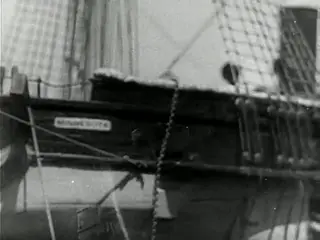
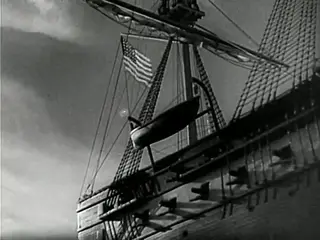
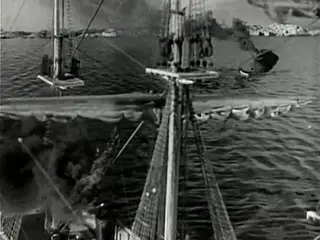
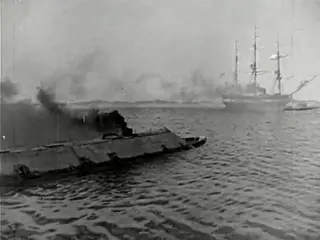
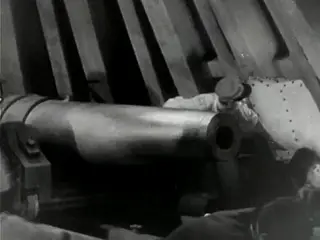
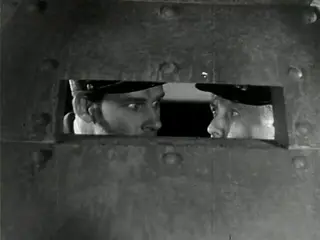
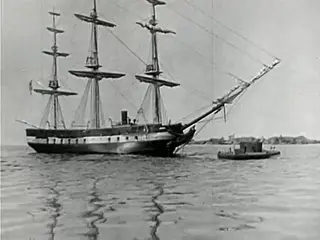
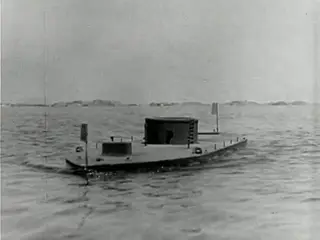
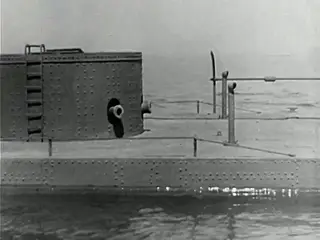
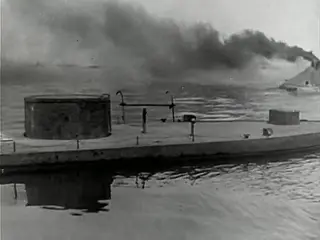
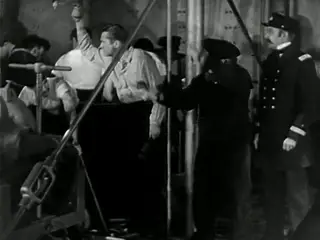
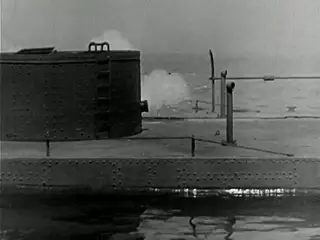
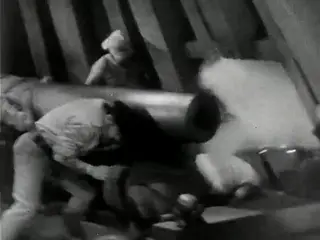
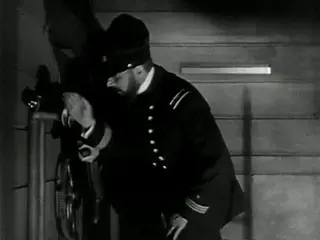
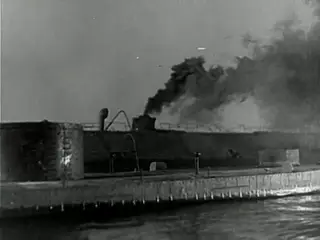
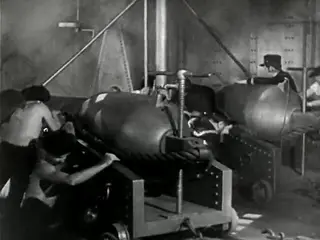
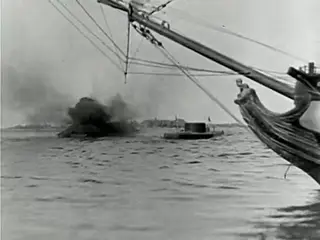
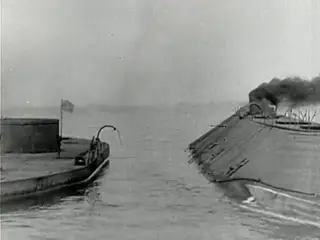
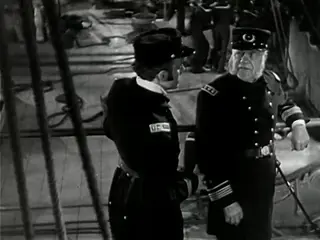
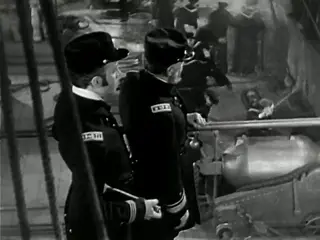
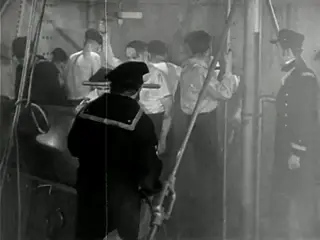
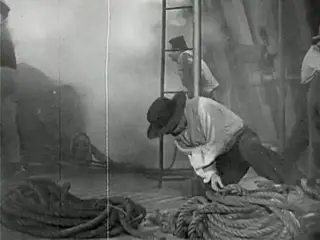
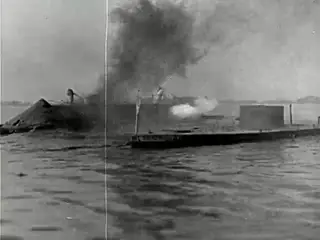
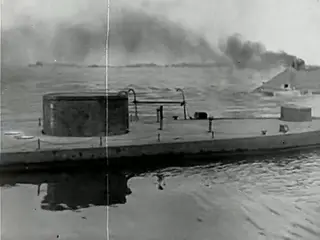
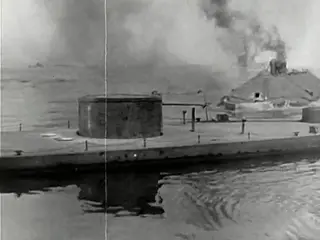
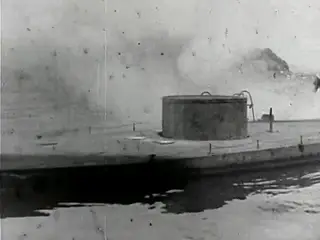
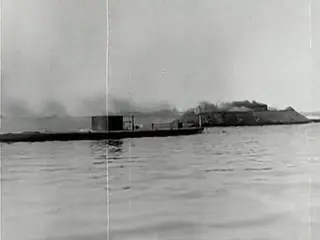
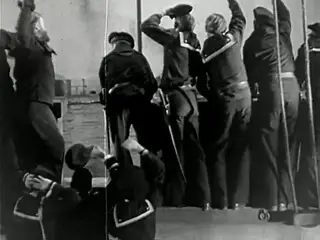
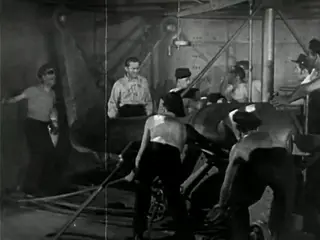
The ironclads supply a contrasting dramatic subject. Here the opposing sides take material form in two named vessels. Their encounter gives the conflict a focus that divided affections cannot have so neatly. By dramatizing the battle, the film makes the Civil War more than a setting for the lovers.5 A recognisable historical event becomes an anchor for the invented personal stakes. The romance, in turn, proposes an imagined experience of living through that history. To treat the film only as an illustrated account of the battle would be to overlook the different kind of claim that its love story makes upon the past.
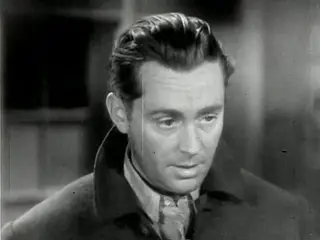
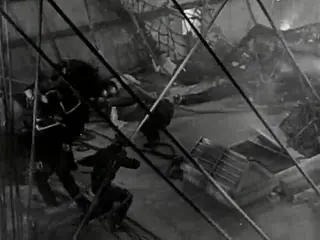
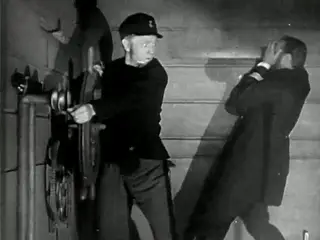
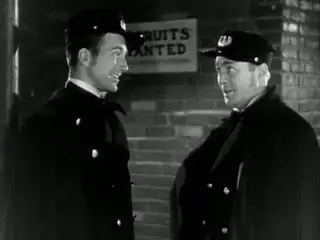
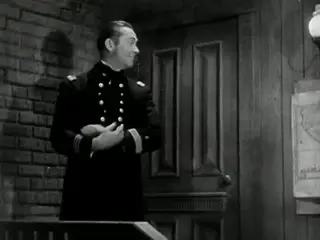
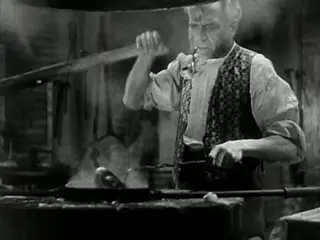
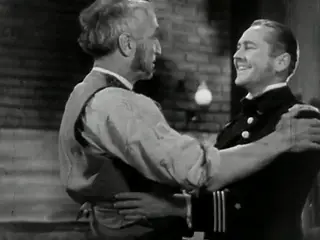
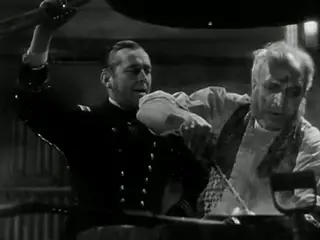
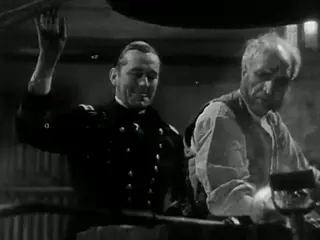
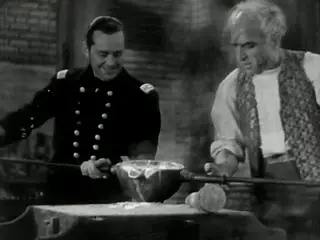
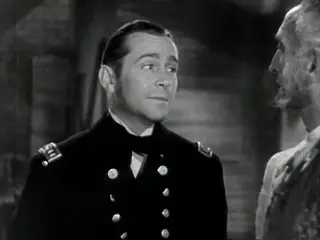
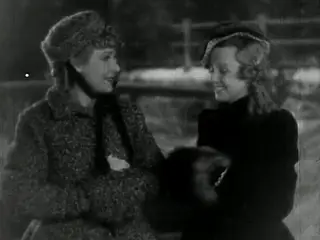
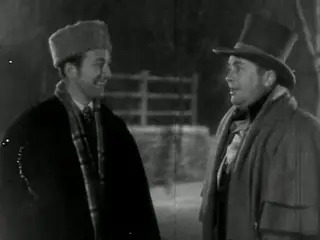
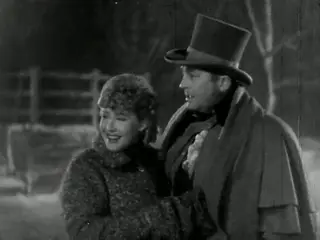
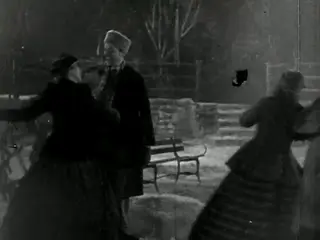
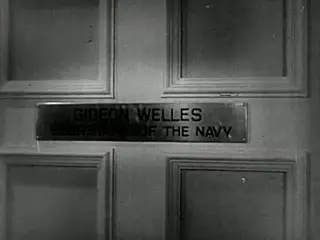
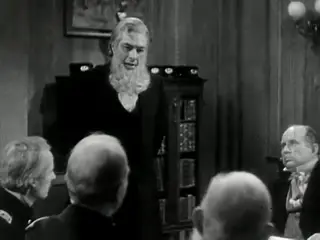
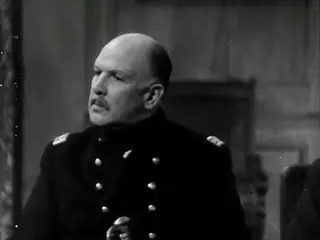
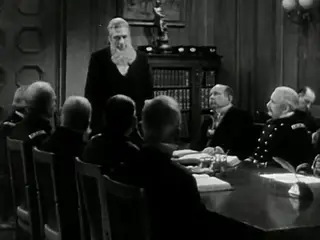
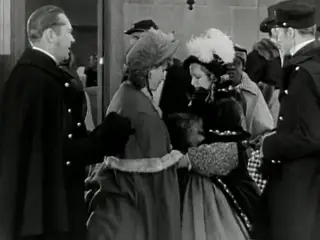
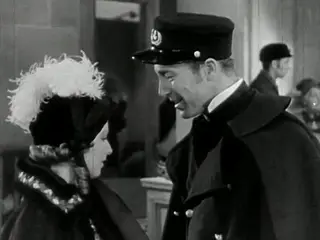
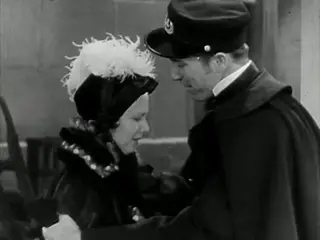
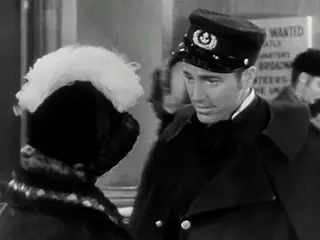
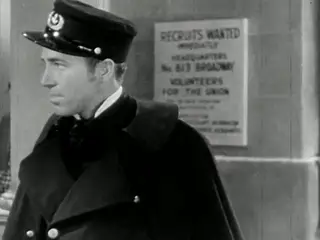
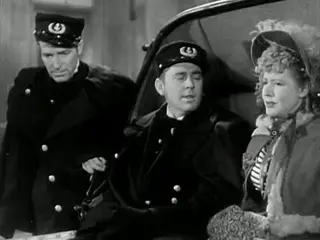
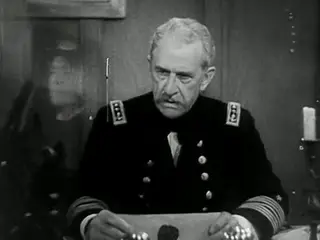
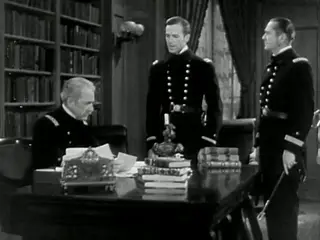
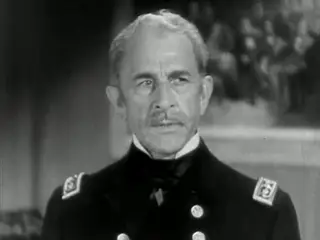
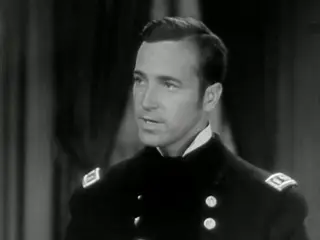
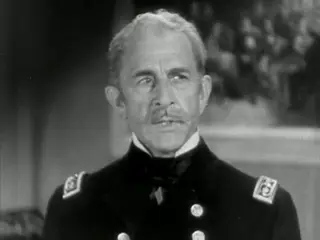
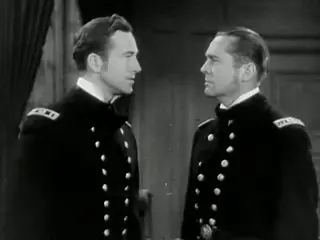
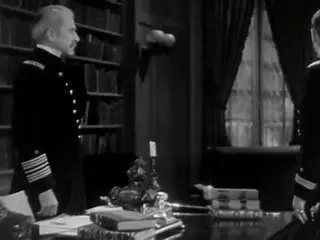
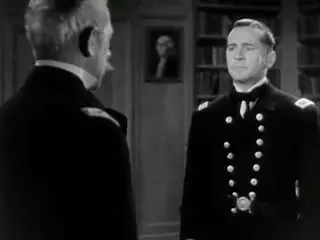
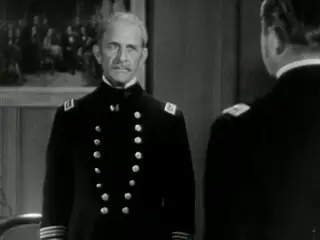
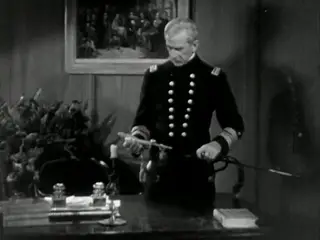
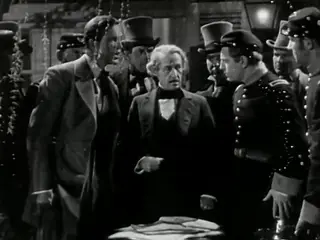
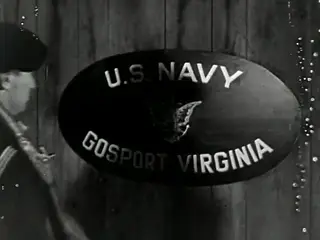
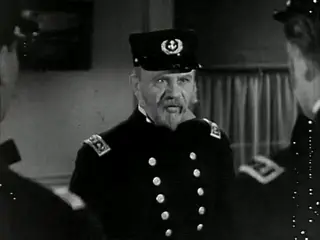
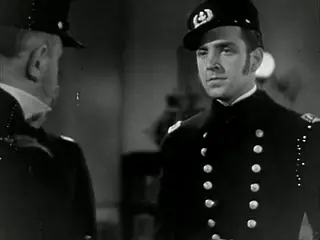
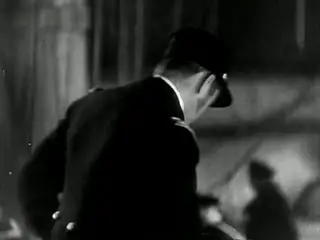
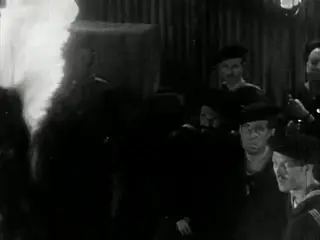
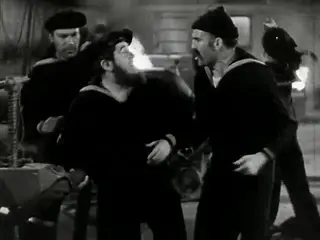
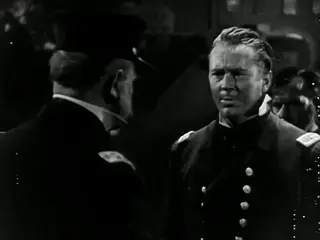
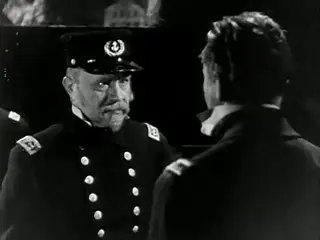
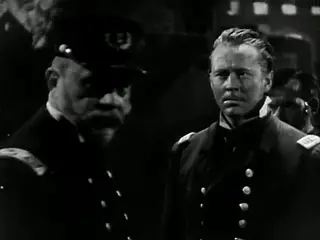
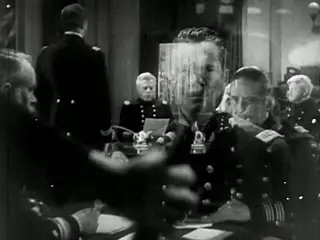
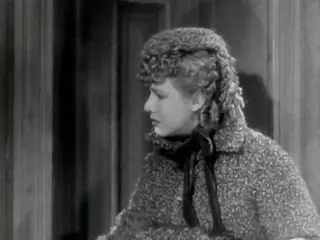
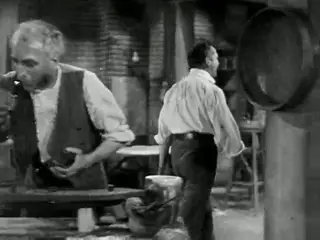
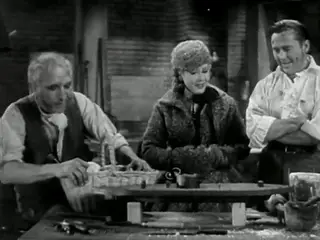
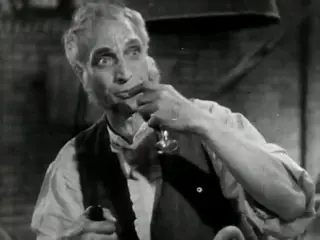
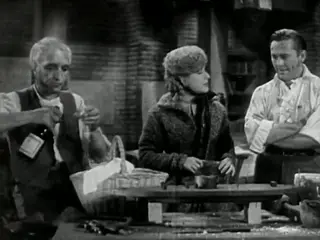
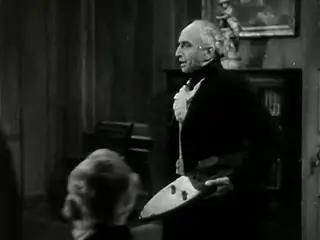
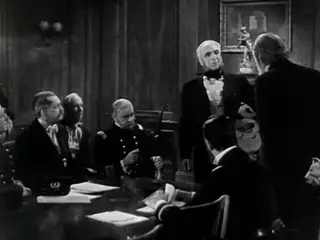
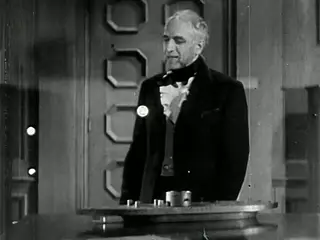
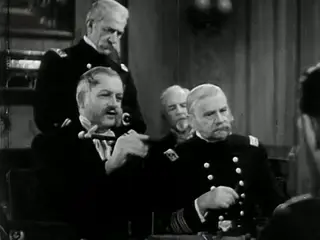
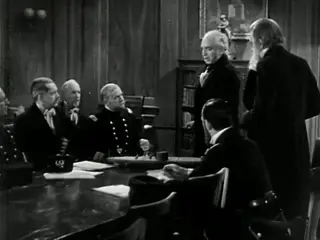
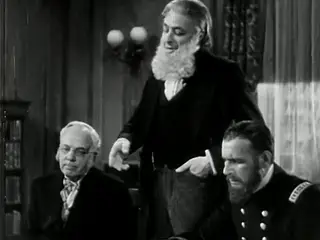
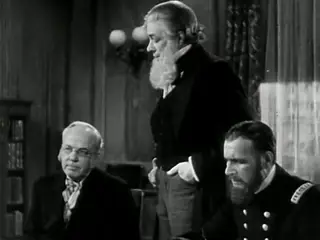
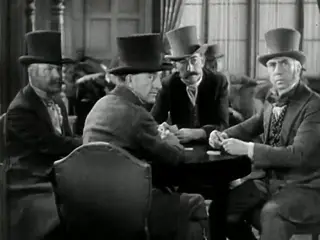
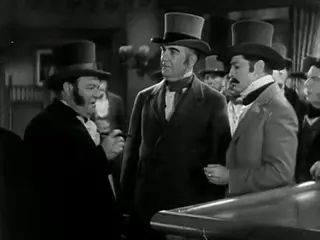
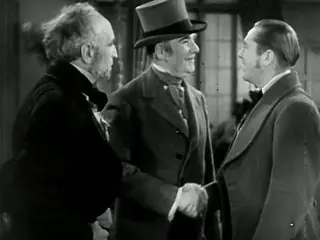
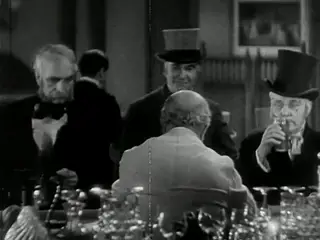
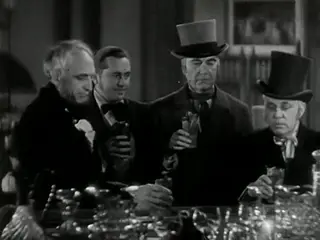
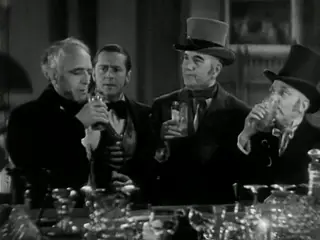
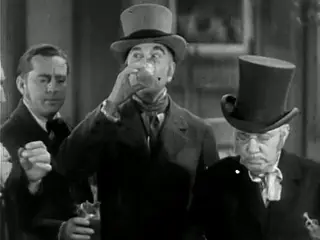
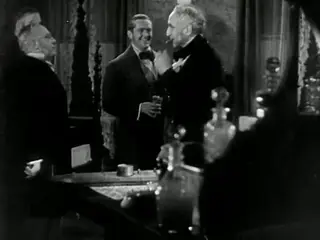
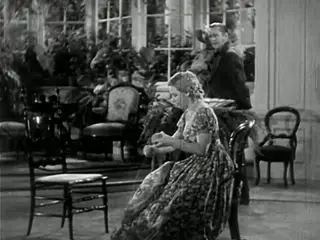
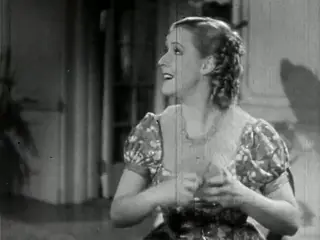
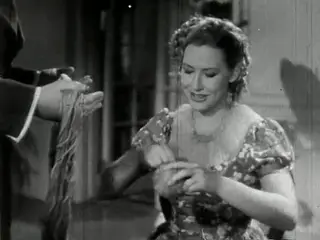
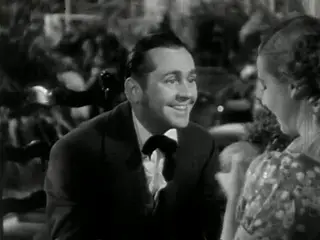
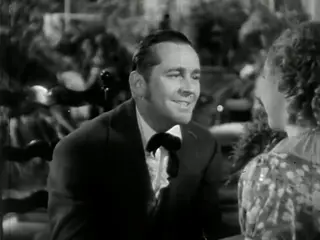
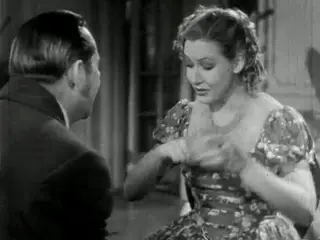
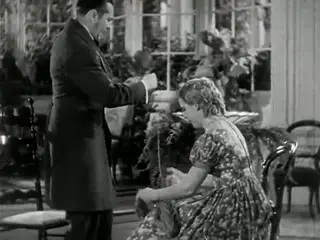
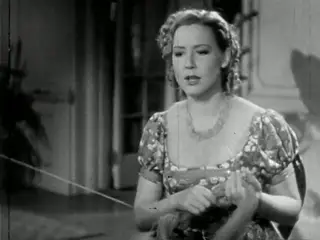
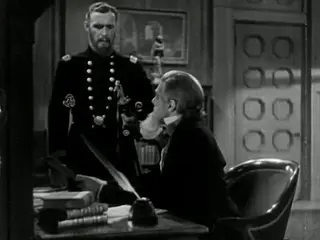
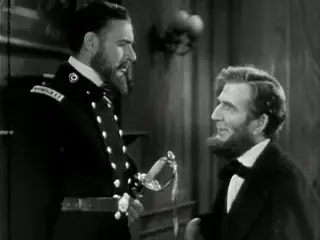
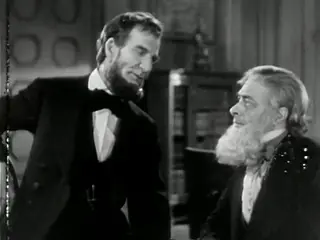
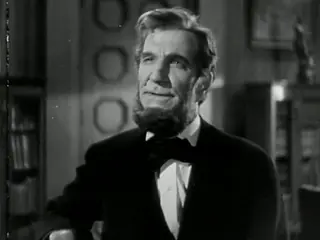
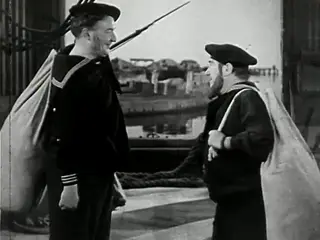
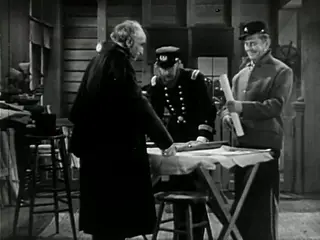
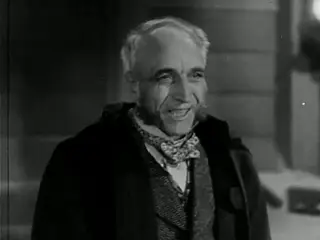
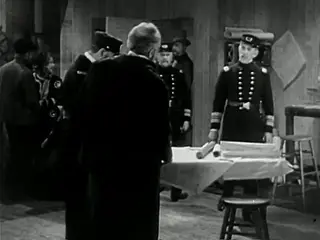
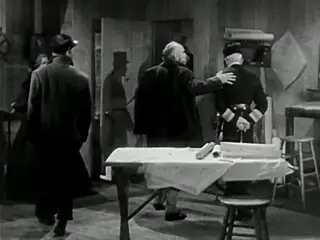
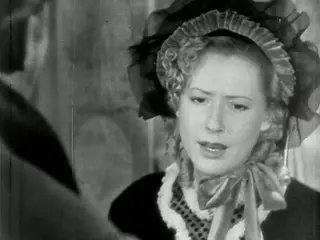
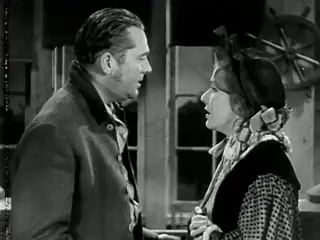
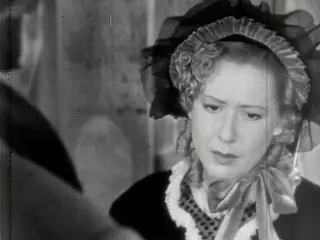
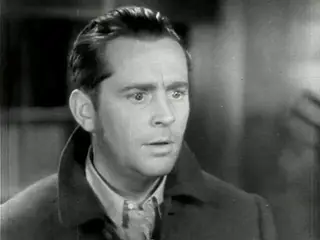
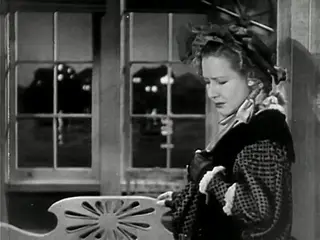
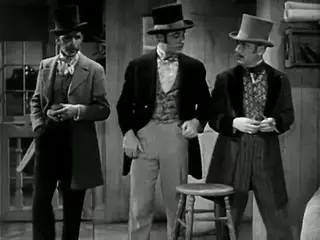
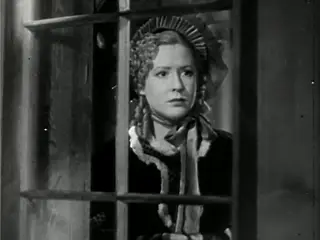
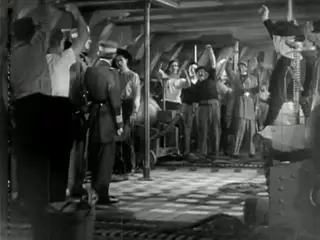
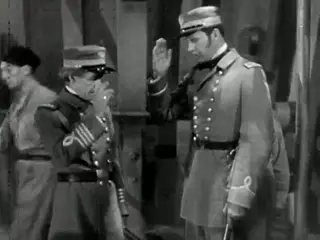
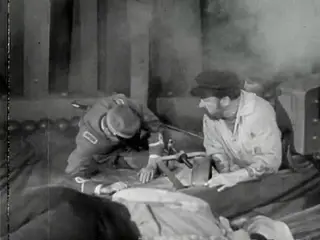
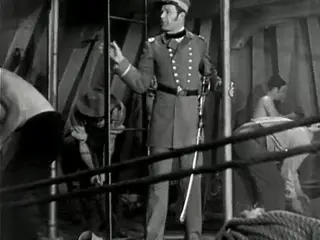
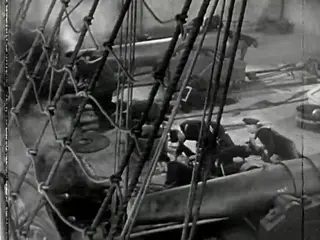
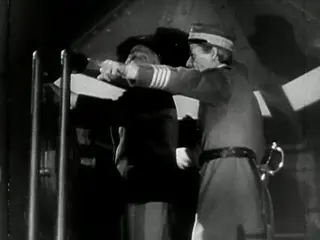
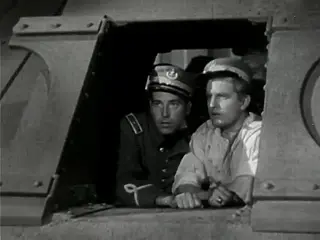
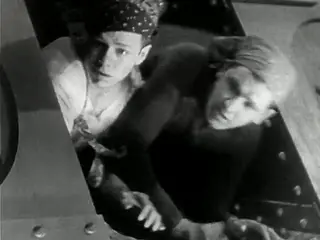
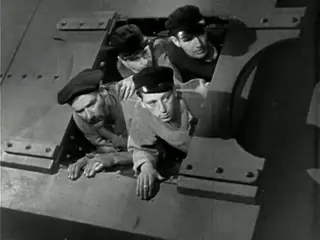
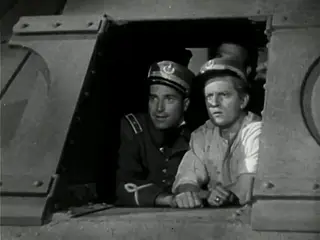
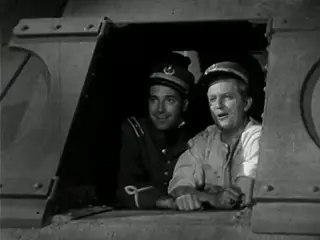
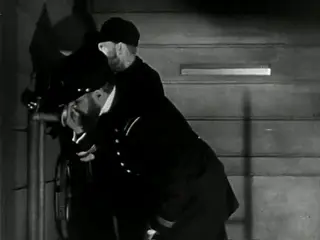
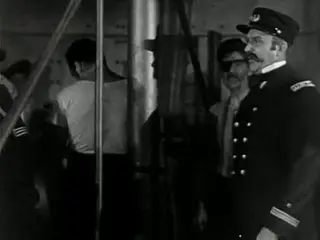
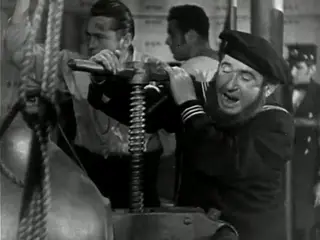
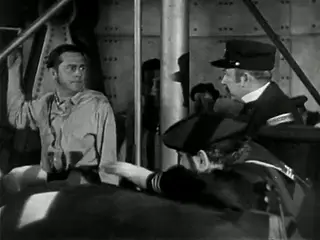
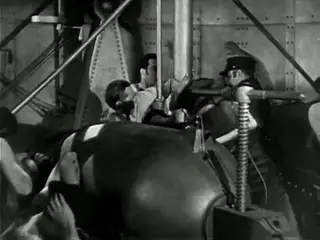
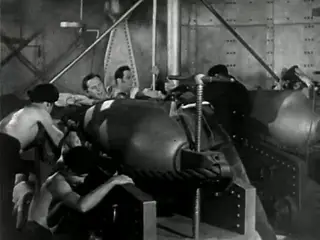
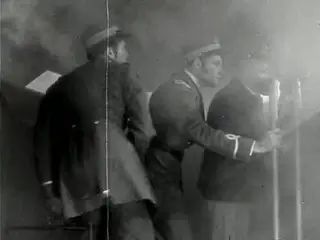
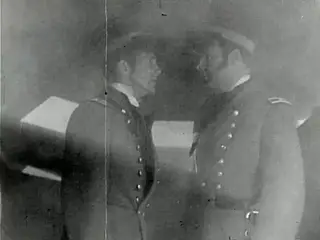
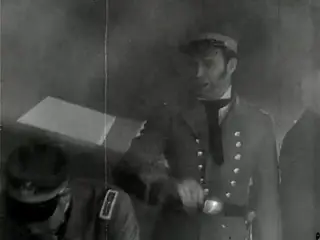
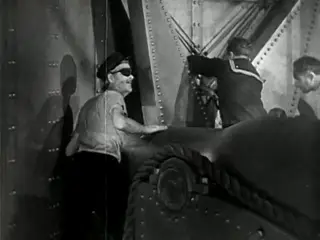
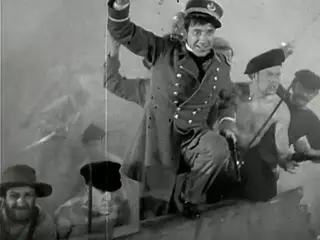
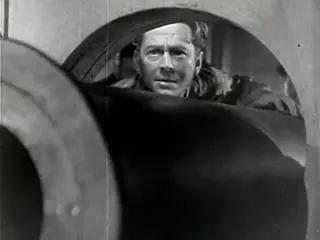
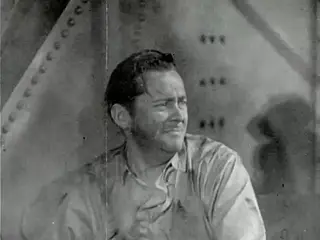
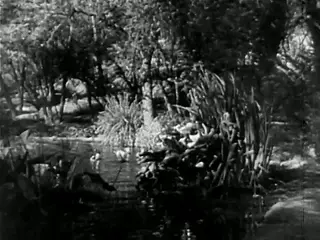
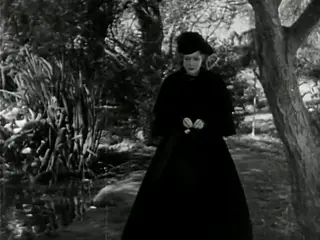
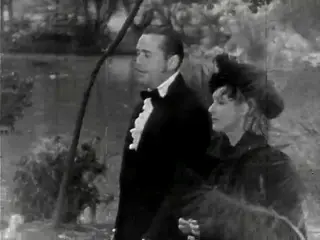
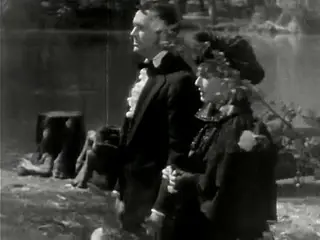
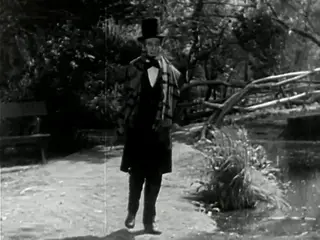
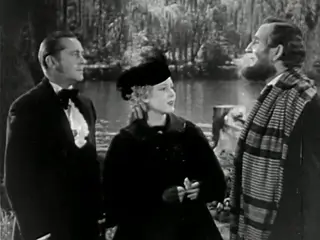
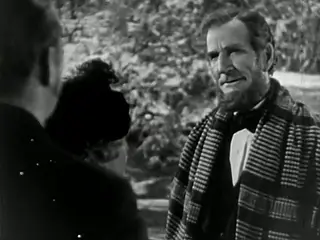
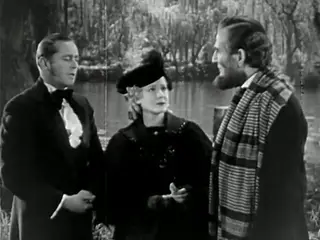
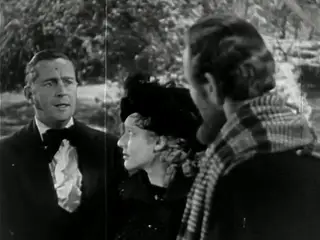
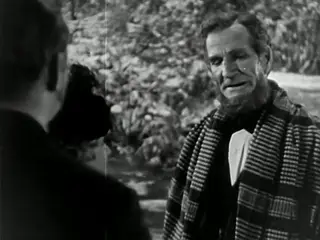
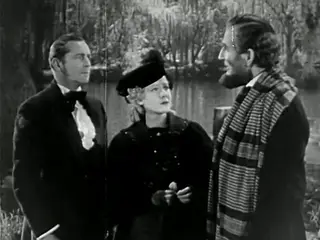
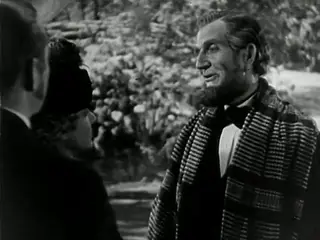
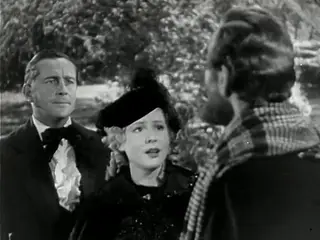
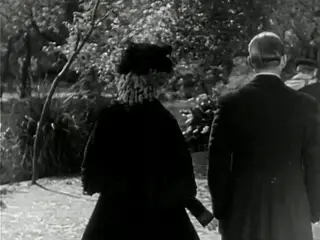
Its surviving presentation requires another distinction. The atlas uses the Internet Archive item hearts_in_bondage, comprising 445 shots over 52 minutes.unverified No annotated beats have yet been supplied for this copy.unverified Without them, the available atlas evidence does not support a close, time-coded reading of a performance or action. The catalogued release length is 72 minutes.2 The recorded release date is 15 August 1936.2 The difference in running time is a reason for caution. It does not establish what was removed or how the shorter copy came about. The accessible object and the catalogued feature should not silently be treated as identical. Nor does the supplied research establish a distribution history connecting the lapse of the recorded copyright term to this particular copy’s circulation.
The record: Registration LP6459 by Republic Pictures Corp is dated 10 July 1936. The registry found no renewal in the renewal volumes for 1963 to 1965, nor in the Copyright Office's records from 1978 on; on that reading the term ended on 31 December 1964 and the film has been free in the US since 1 January 1965. That record does not settle the completeness or provenance of the copy used by the atlas.
Written 6 September 2026 by gpt-6-astra from the registry record, the atlas's own evidence and the sources below, gathered by Qwen/Qwen3.8-Max with web search and questioned by deepseek-ai/DeepSeek-V4-Pro. Numbered notes are the sources; a claim marked unverified has no source yet; times open the atlas at that second. How these are made and checked.
- en.wikipedia.org https://en.wikipedia.org/wiki/Hearts_in_Bondage
- catalog.afi.com https://catalog.afi.com/Film/4925-HEARTS-INBONDAGE
- catalog.afi.com https://catalog.afi.com/Catalog/moviedetails/4925
- archive.org https://archive.org/stream/photoplay51chic/photoplay51chic_djvu.txt
- en.wikipedia.org https://en.wikipedia.org/wiki/USS_Monitor
- americanheritage.com https://www.americanheritage.com/when-hollywood-makes-history
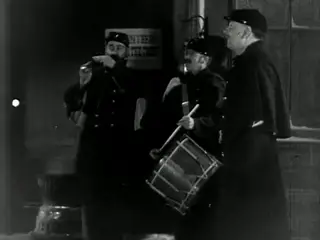
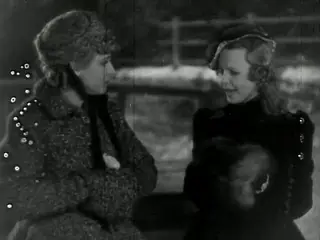
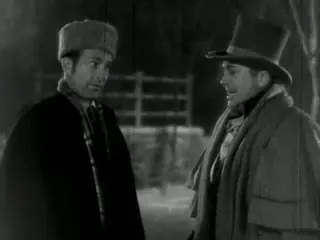
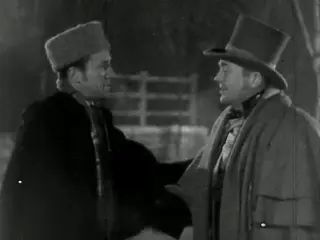
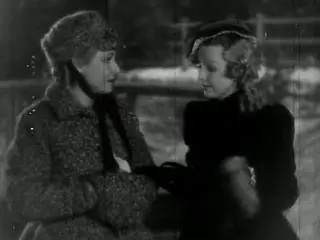
 0:32
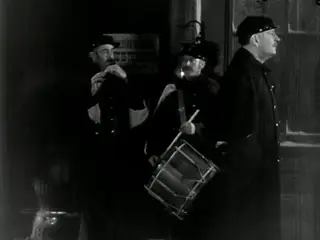
0:32


















 The Dark Hour
  Secret Agent
  The Milky Way
  Disorder in the Court
  Angel and the Badman
  Calendar Girl
  Paradise Express
  A Man Betrayed
  Windjammer
  Captain Kidd
  Abilene Town