A newspaper invents a desperate man, then discovers that the people who believe in him want something its proprietor cannot safely give.
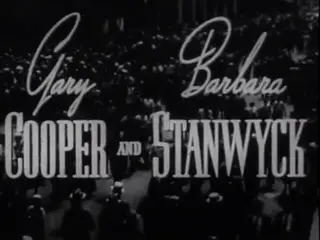
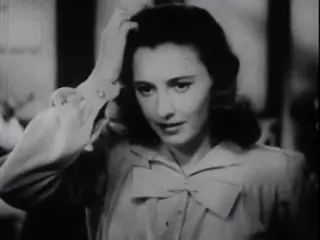
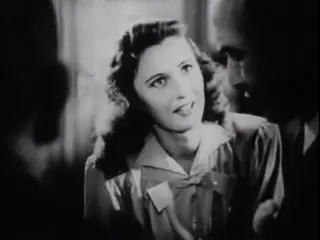
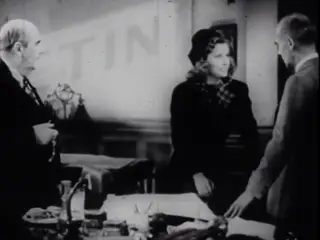
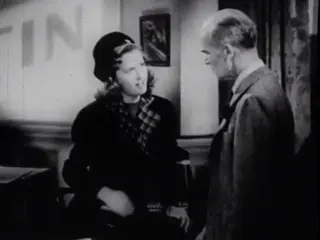
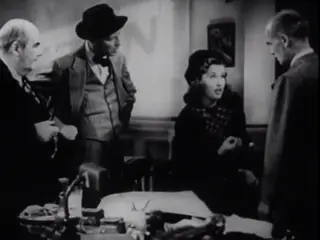
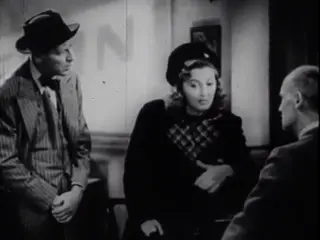
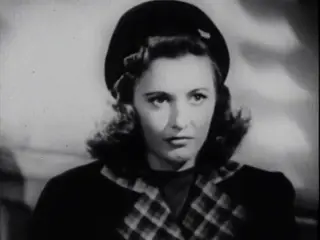
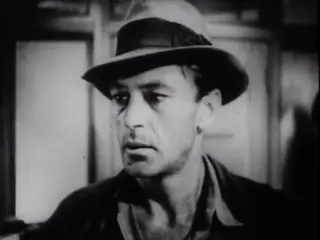
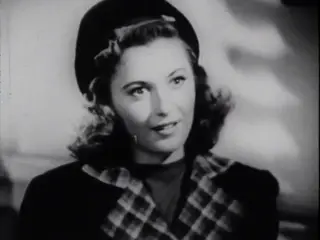
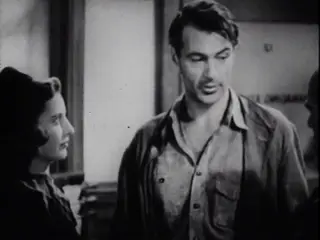
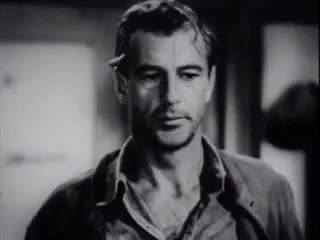
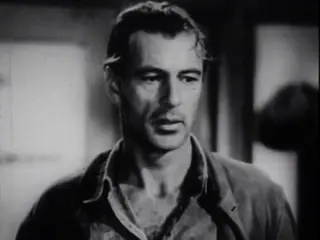
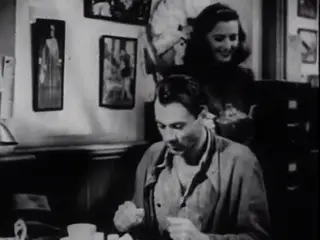
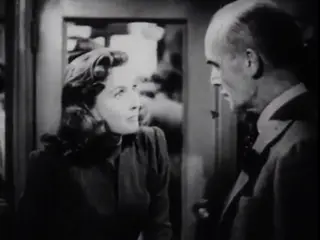
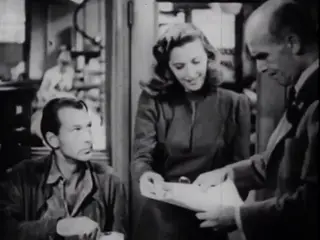
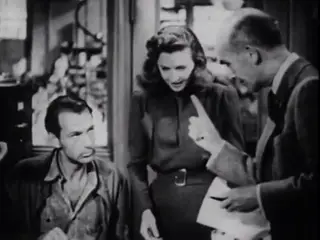
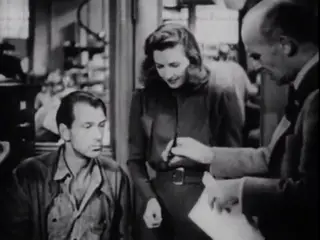
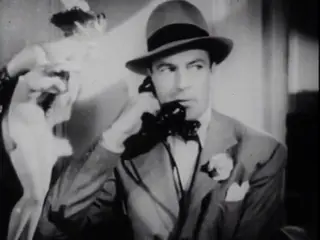
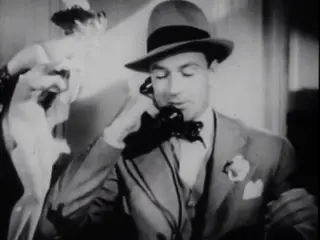
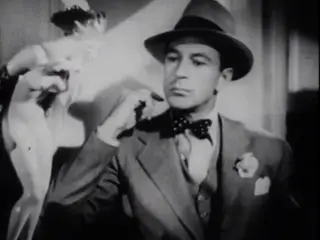
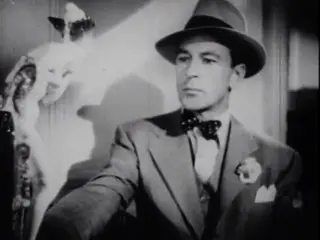
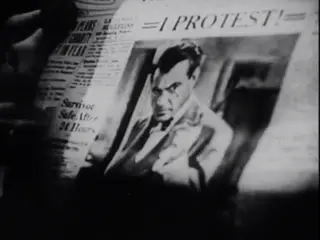
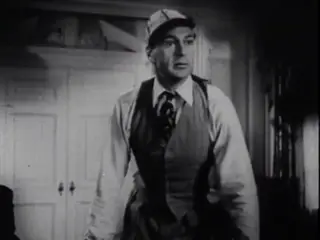
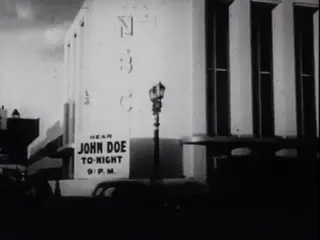
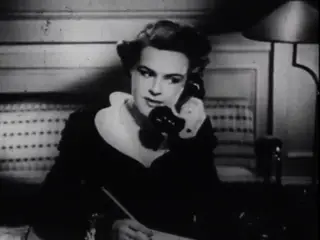
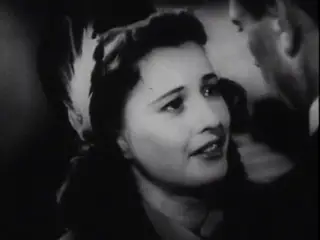
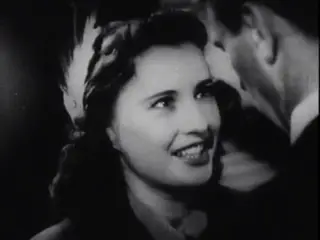
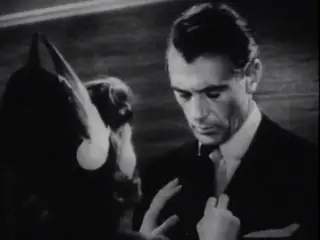
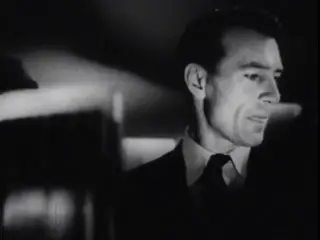
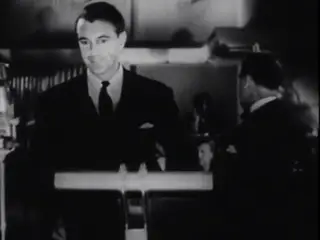
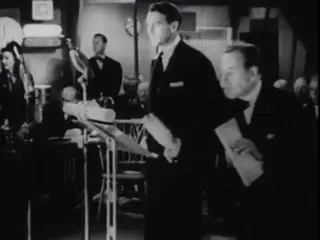
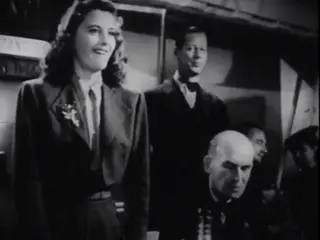
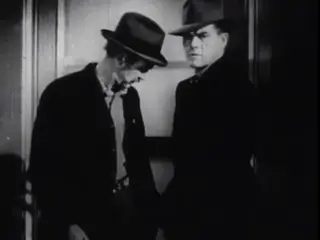
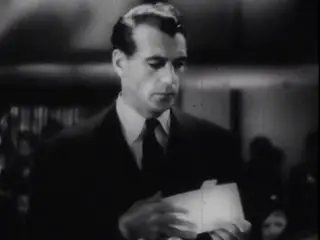
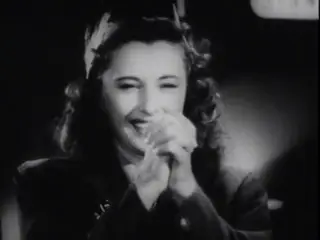
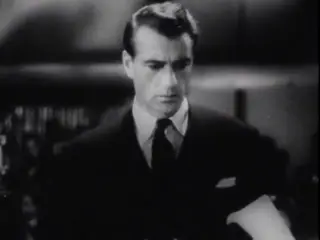
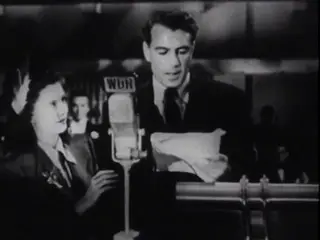
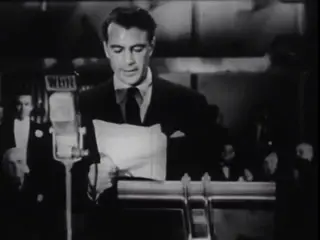
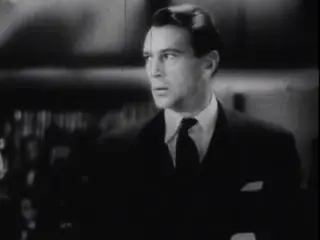
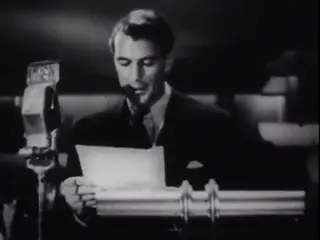
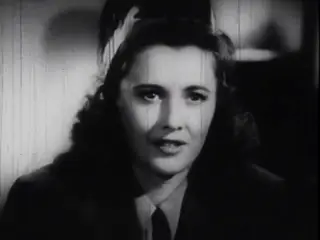
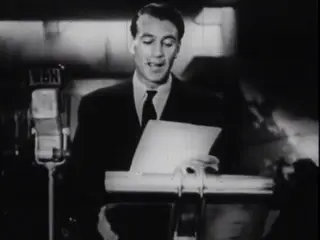
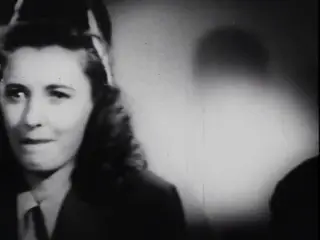
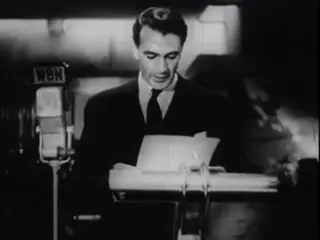
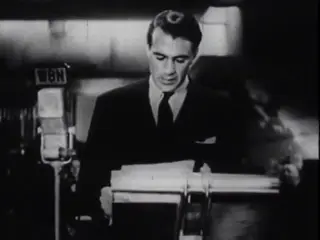
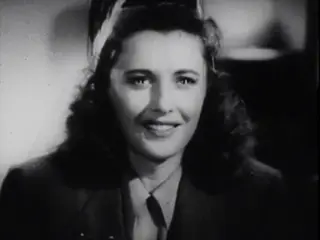
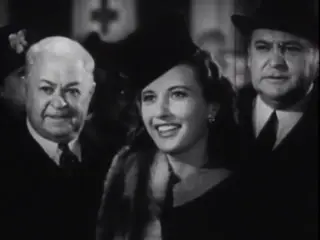
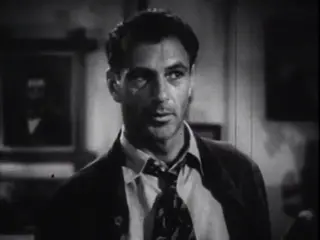
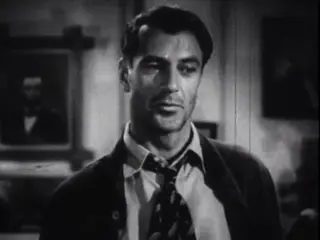
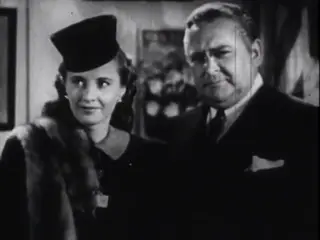
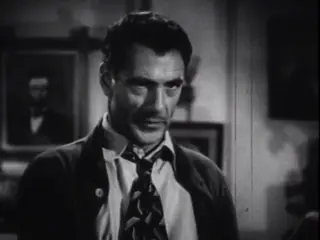
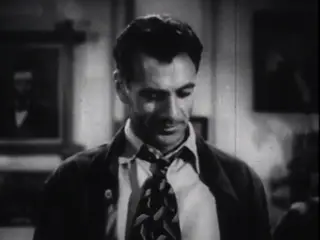
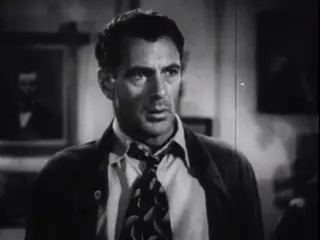
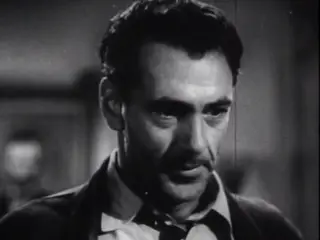
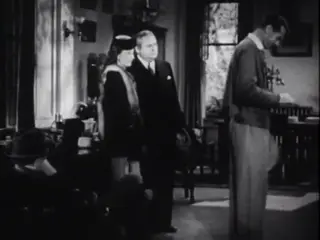
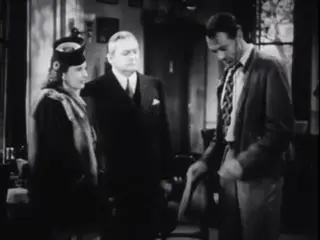
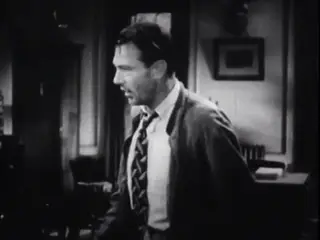
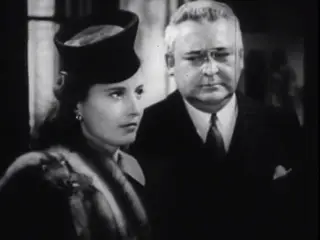
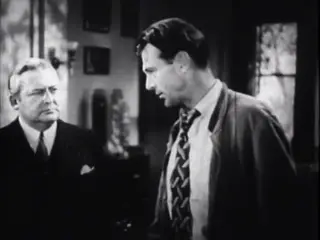
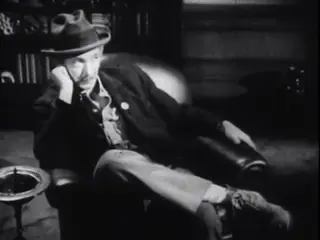
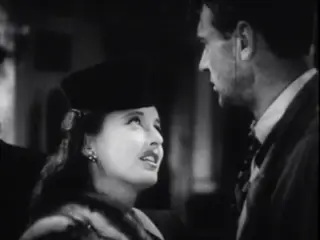
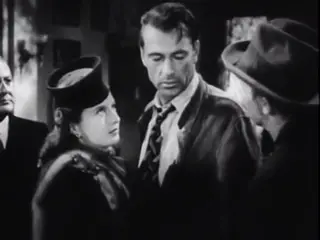
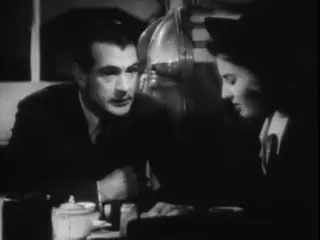
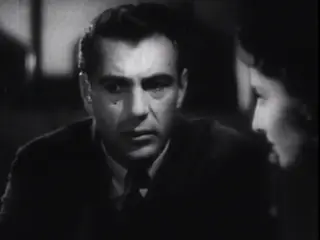
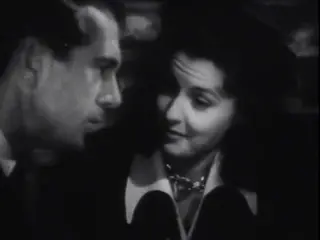
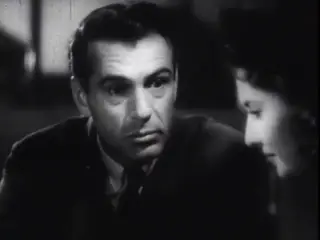
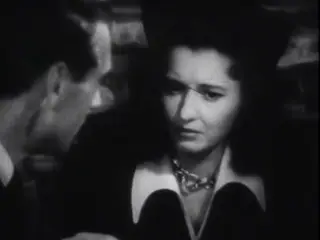
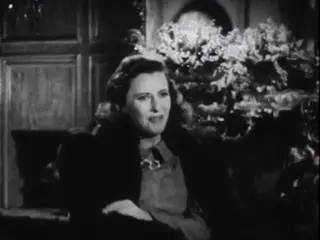
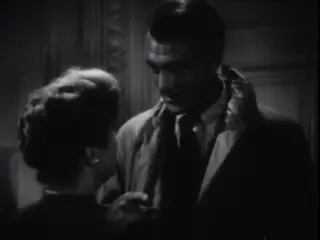
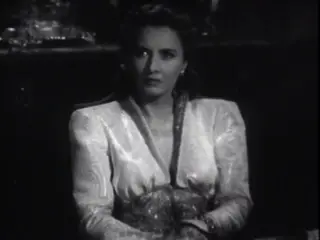
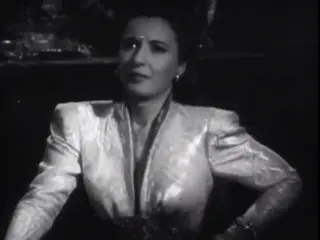
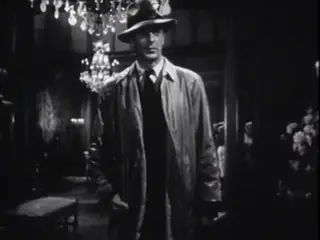
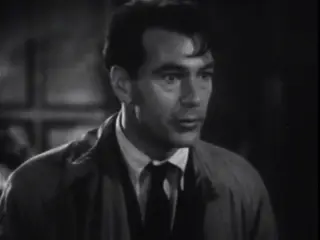
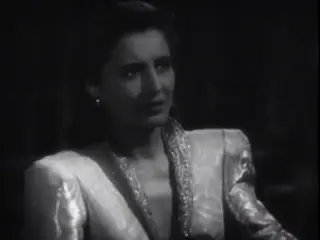
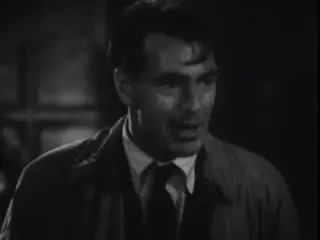
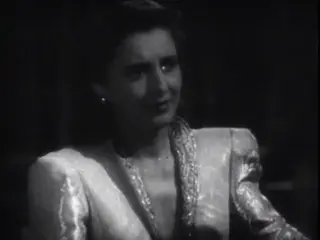
The man at the centre of Meet John Doe does not exist, but the need for him does. Facing dismissal from her newspaper, columnist Ann Mitchell invents a letter from an unemployed reader who threatens to kill himself on Christmas Eve in protest against the state of society. When the letter attracts attention, the paper needs a body to put behind the signature. It hires Long John Willoughby, a former baseball player with an injured arm, to impersonate its imaginary correspondent. Barbara Stanwyck’s Ann supplies the language that Gary Cooper’s Willoughby makes credible through his hesitant physical presence. The deception works because neither component is wholly false. Ann’s ear for grievance finds its counterpart in Willoughby’s knowledge of what it means to need a meal.
This was the first film Capra produced through his newly formed Frank Capra Productions, Inc.2 Warner Bros. distributed it.1 Its route to the screen involved several forms of the same premise. Richard Connell’s short story “A Reputation” supplied the underlying source, which Connell and Robert Presnell developed for the stage.2 Their 1939 screen treatment, “The Life and Death of John Doe,” reached Capra through Robert Riskin.3 Riskin wrote the credited screenplay.1 That passage from reputation to life and death suits the finished film: a publicity device acquires obligations to the people who trust it. The newspaper comedy becomes a struggle over who owns the meaning of the words Ann writes.
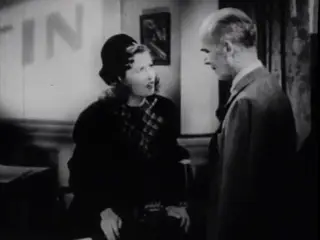
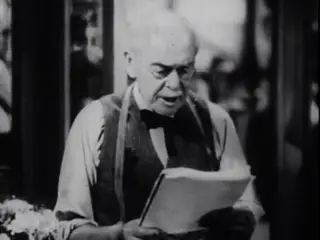
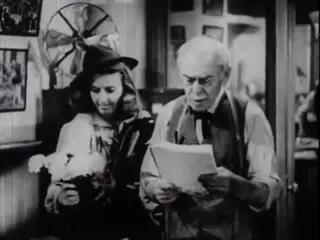
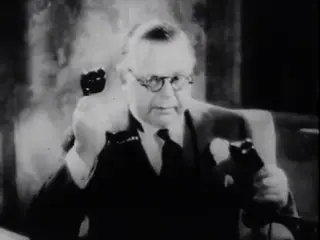
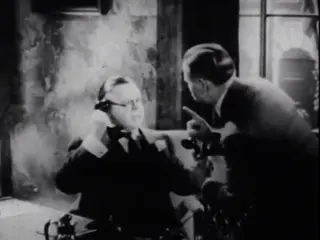
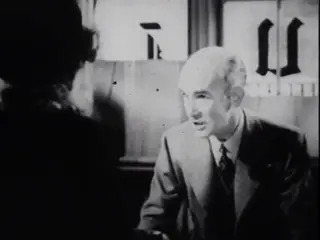
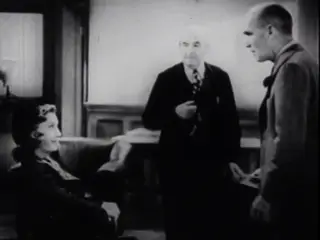
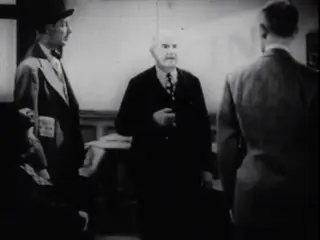
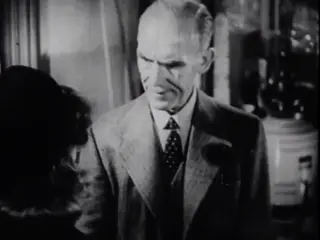
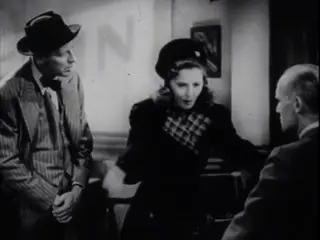
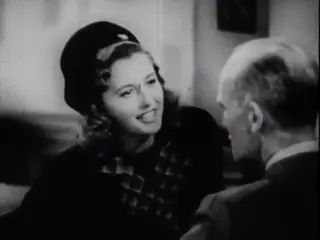
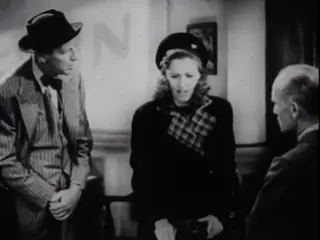
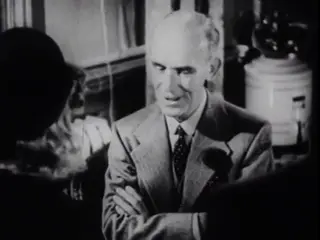
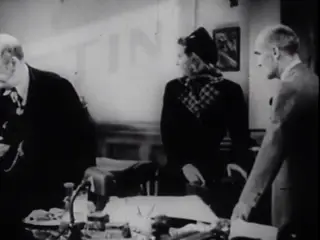
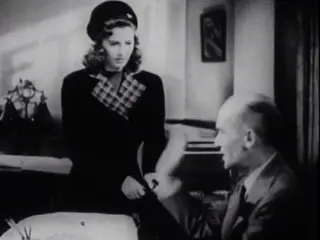
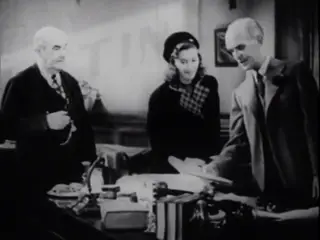
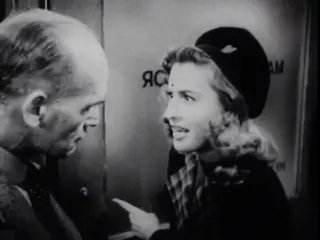
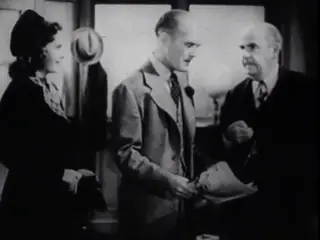
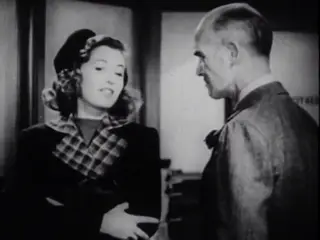
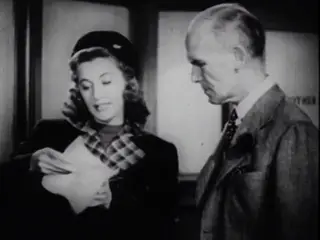
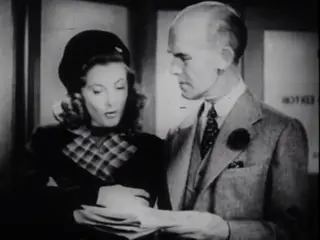
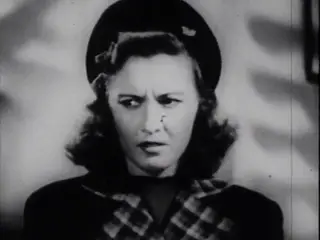
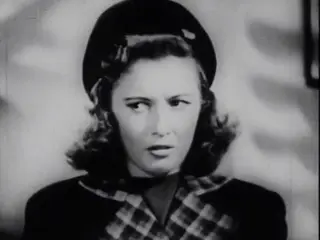
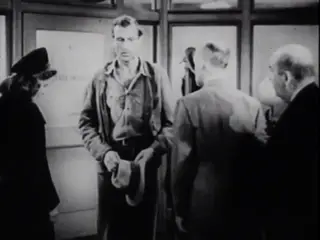
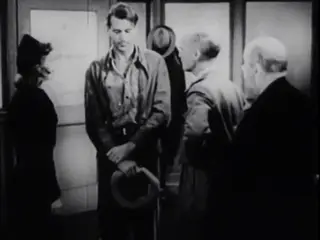
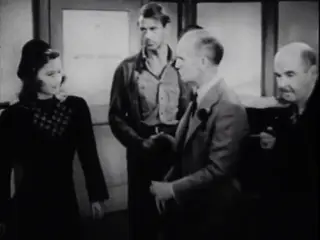
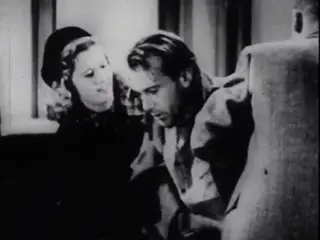
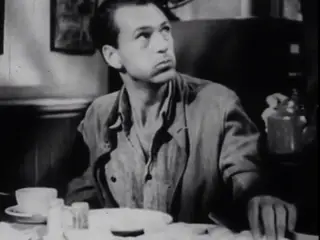
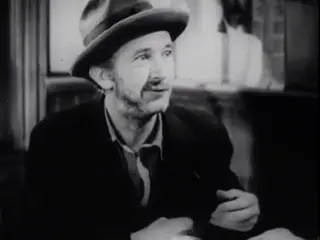
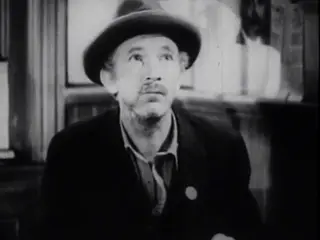
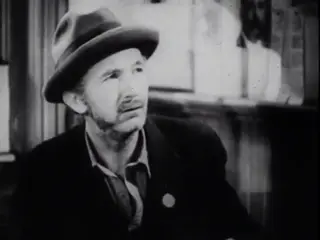
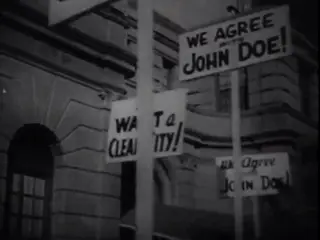
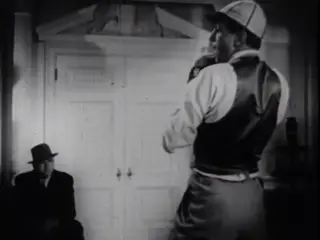
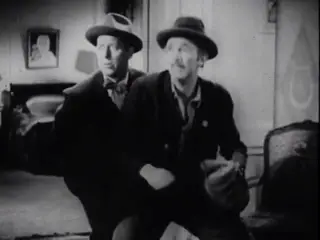
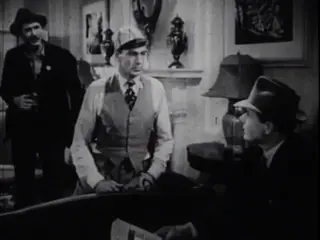
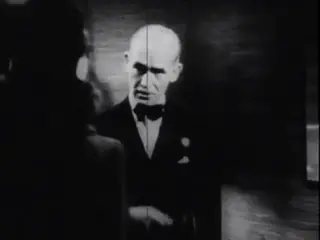
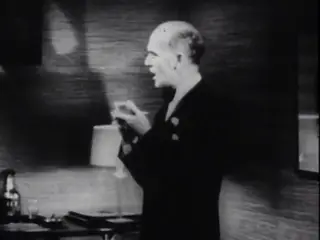
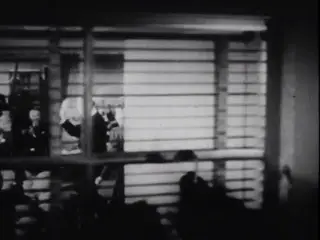
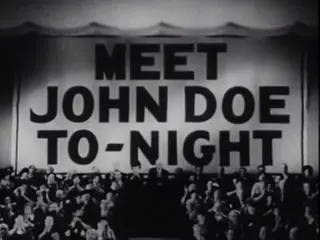
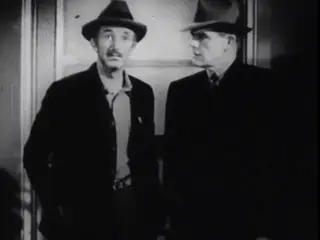
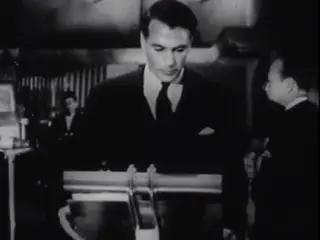
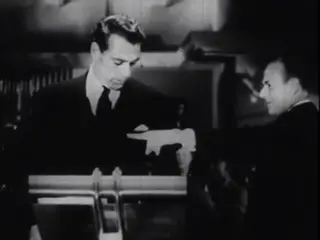
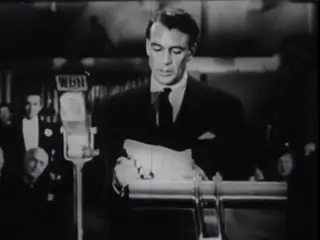
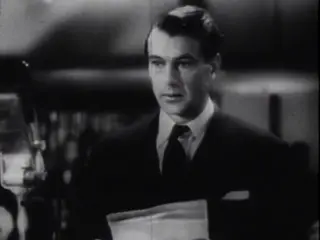
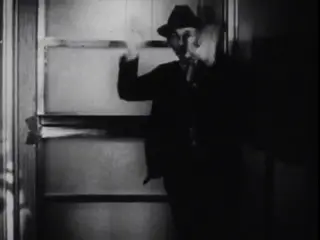
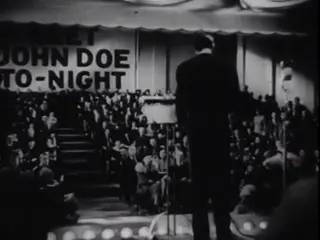
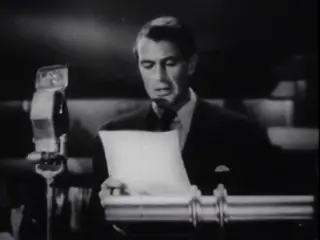
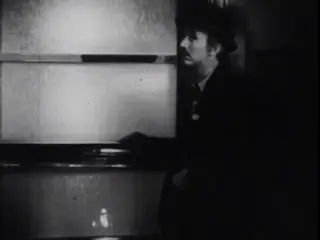
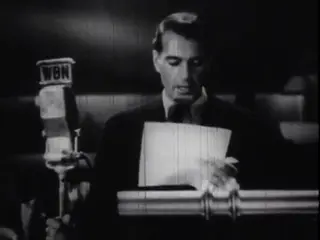
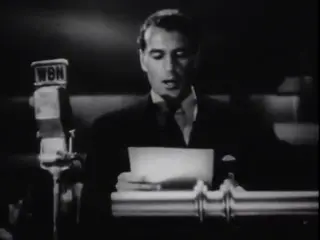
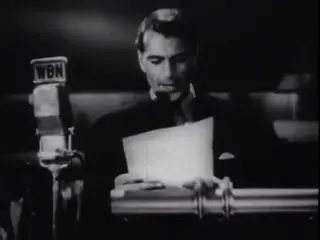
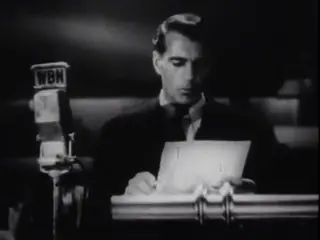
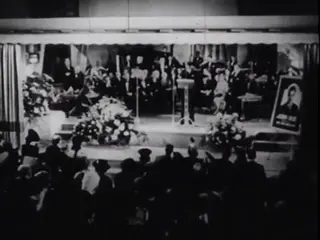
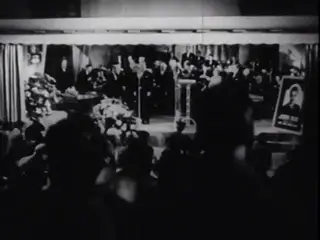
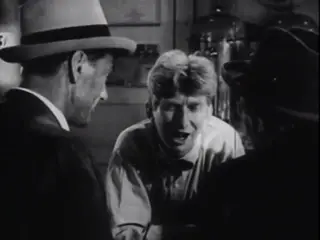
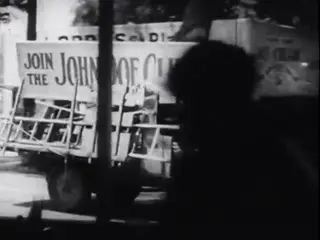
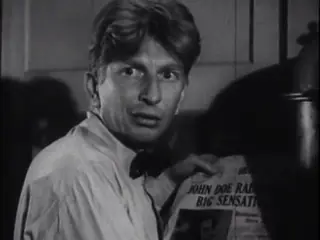
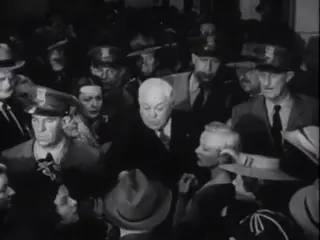
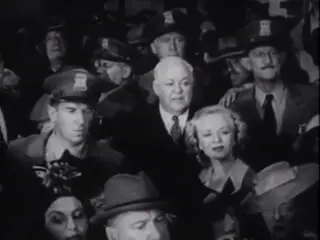
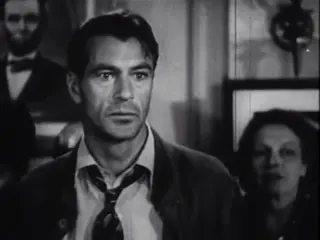
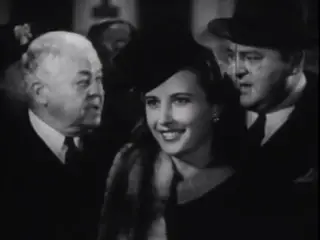
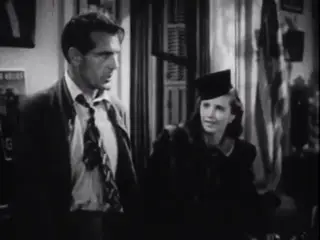
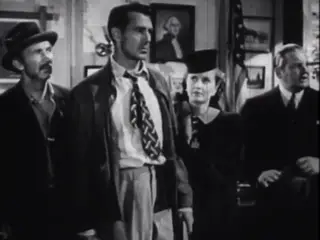
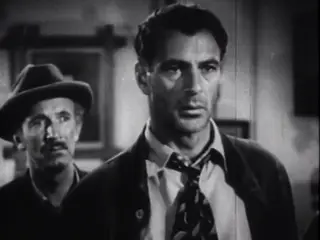
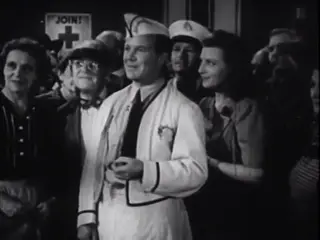
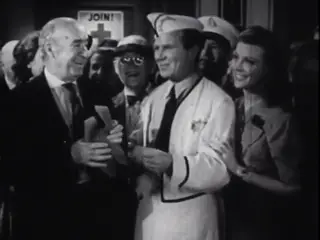
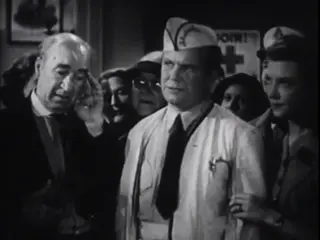
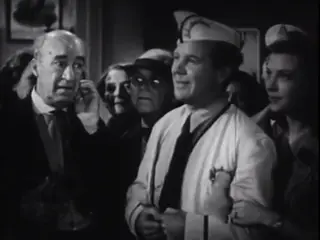
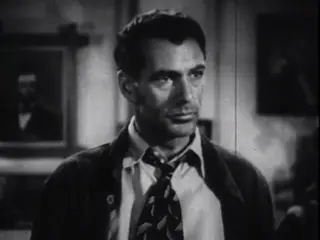
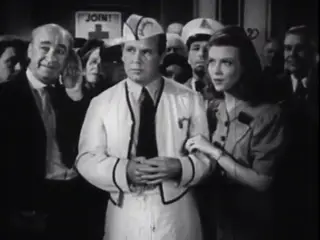
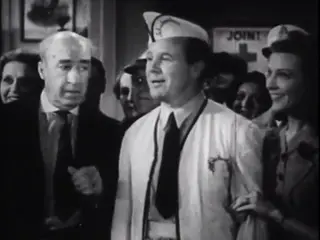
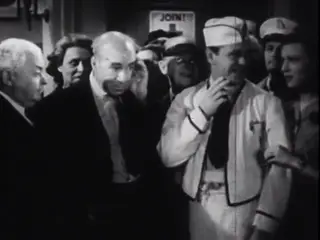
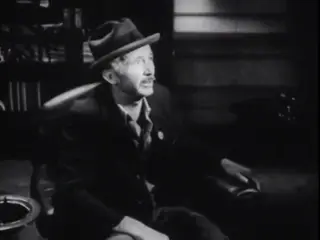
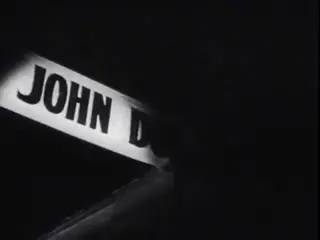
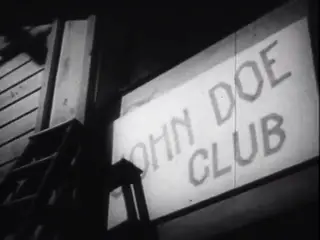
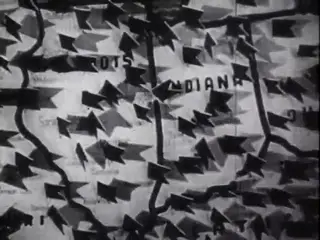
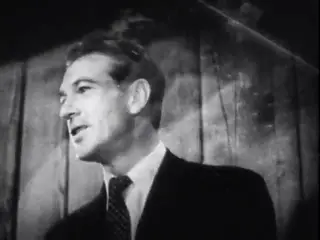
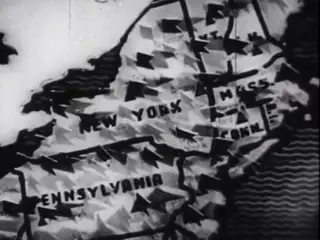
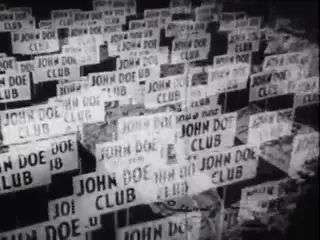
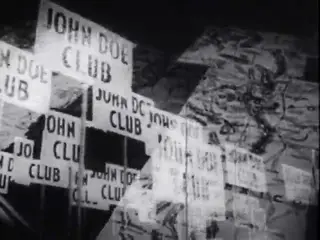
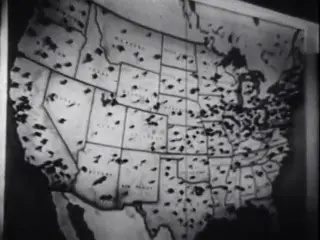
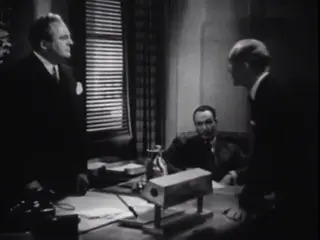
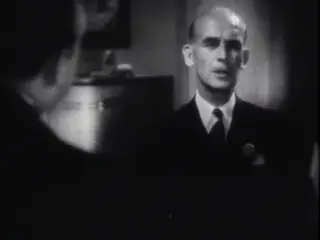
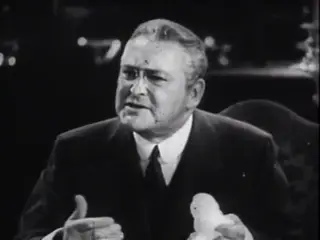
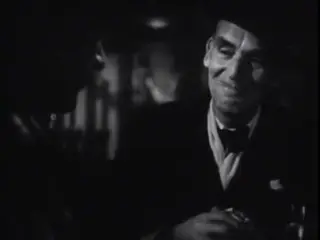
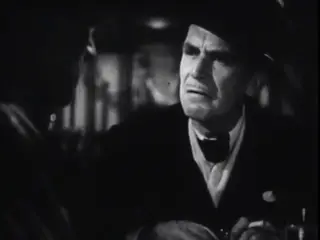
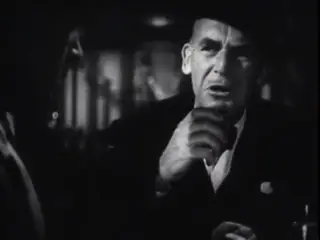
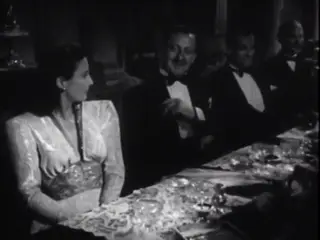
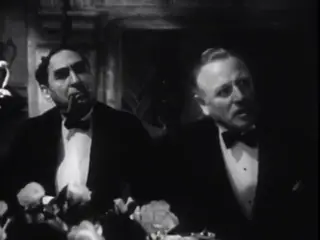
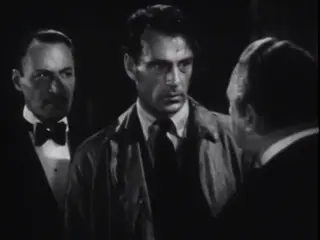
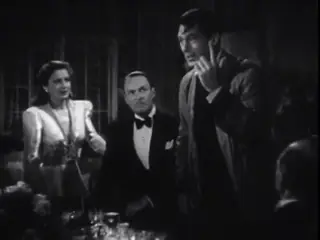
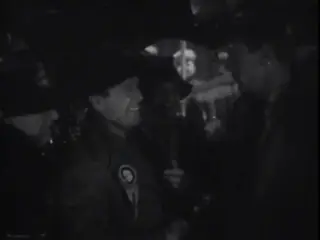
At 27:31 in the Internet Archive copy used by the atlas, the assertion “I still say that this John Doe person is a myth” appears in a passage showing signs supporting John Doe. The denial is followed by “And you can quote me on that.” The exchange catches the film’s peculiar traffic between speech and print: even an attack on the newspaper’s invention is phrased for further circulation. John Doe is becoming something that cannot be disposed of merely by establishing whether he exists. Willoughby’s employers cannot dictate every use listeners will make of their manufactured spokesman.
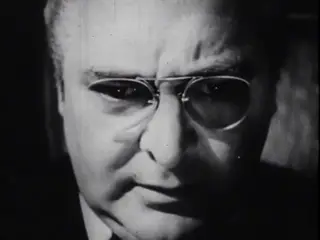
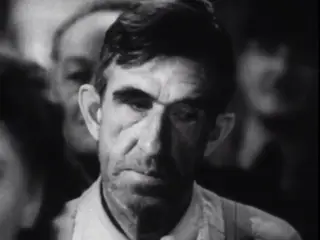
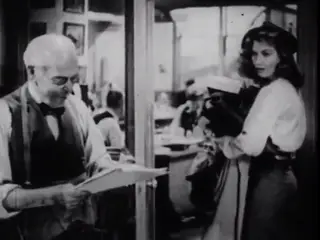
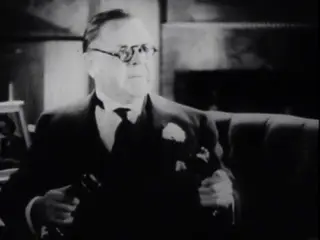
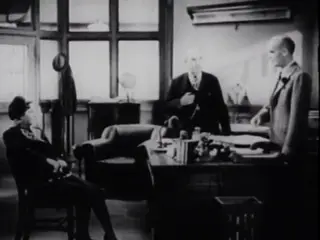
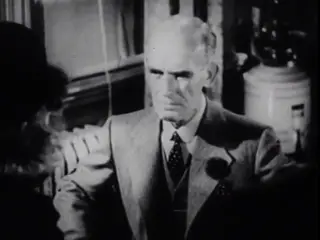
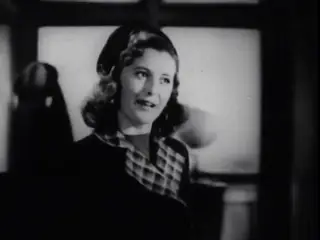
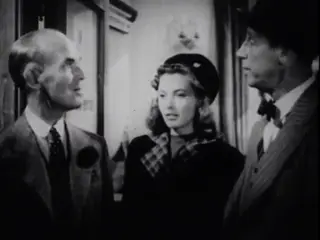
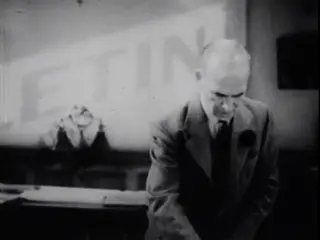
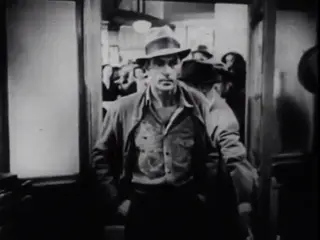
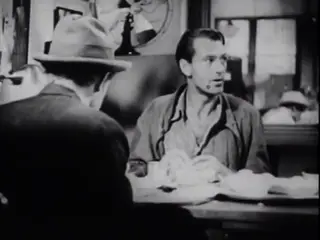
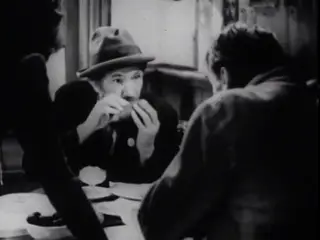
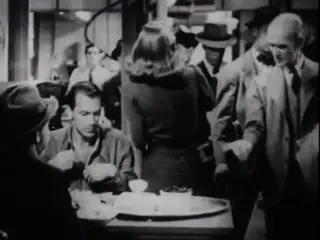
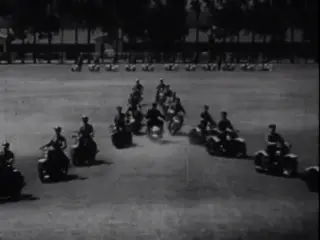
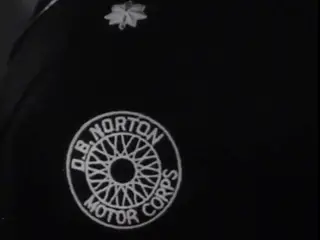
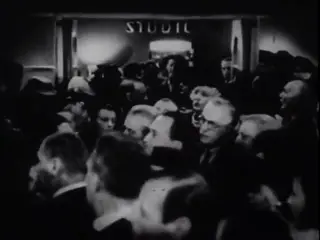
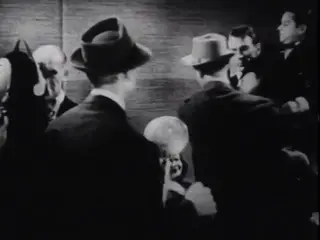
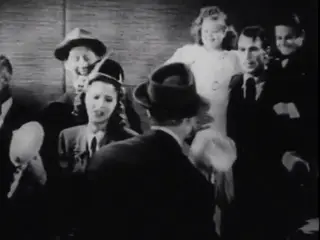
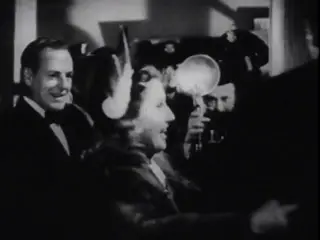
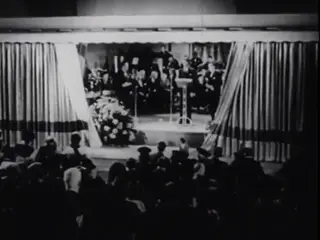
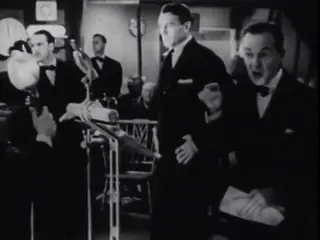
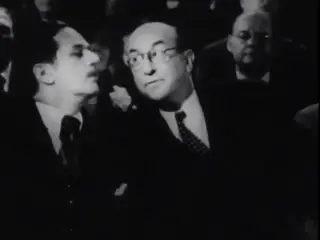
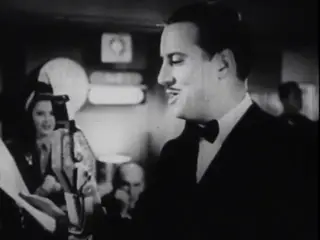
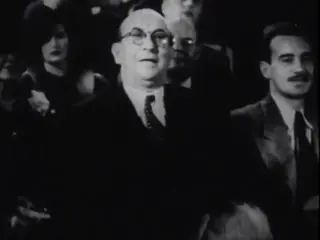
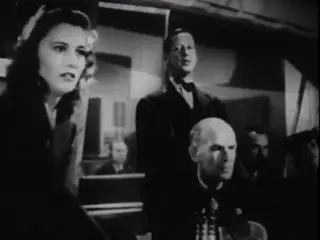
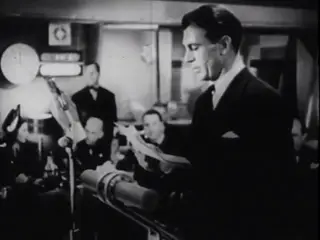
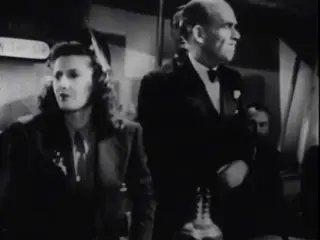
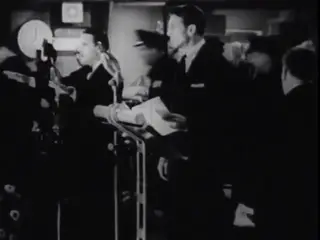
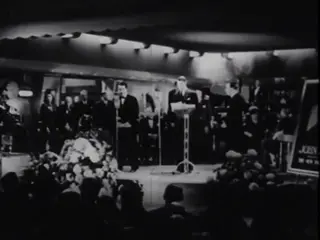
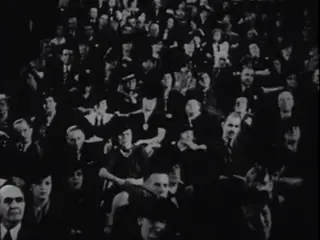
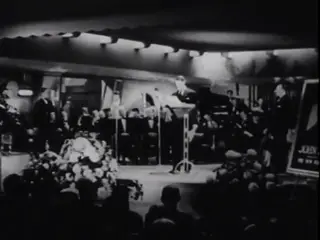
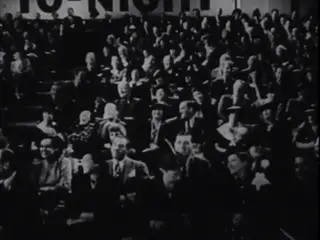
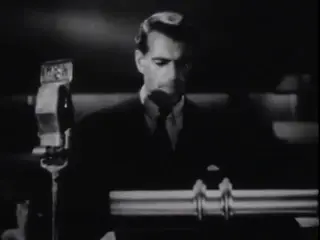
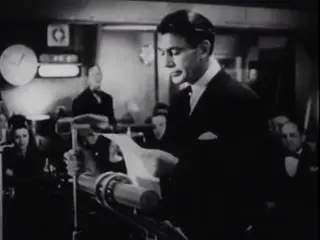
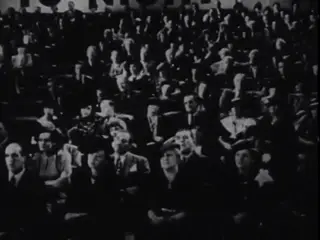
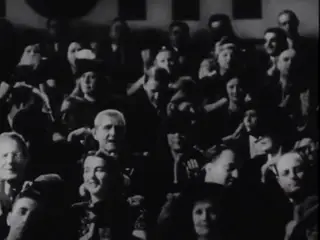
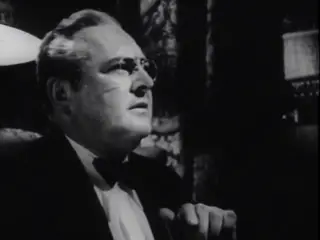
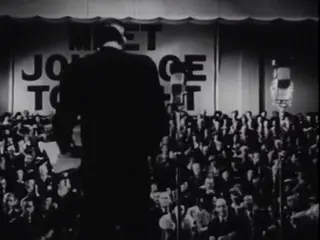
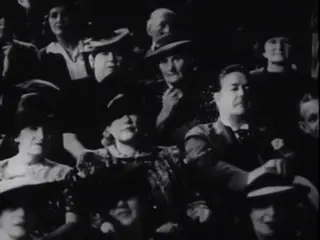
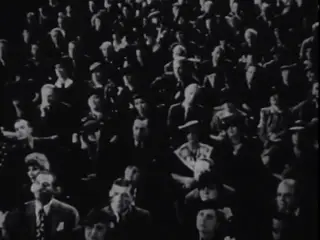
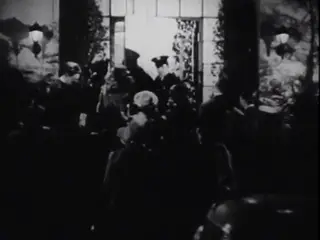
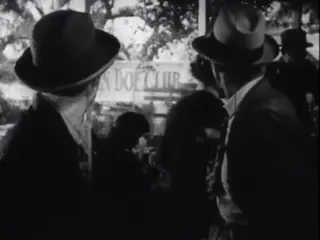
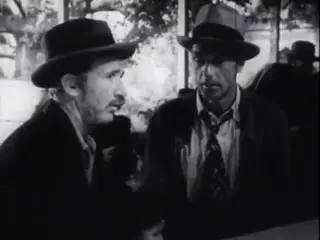
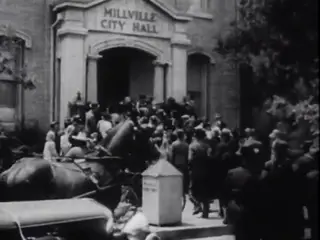
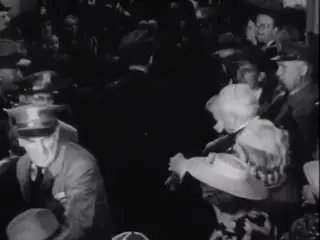
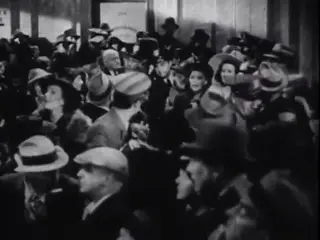
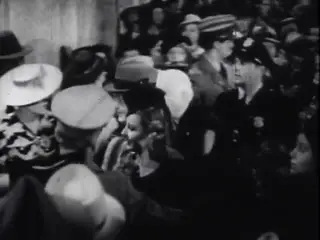
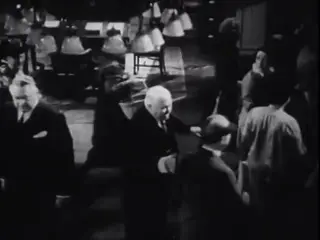
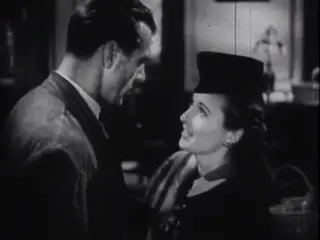
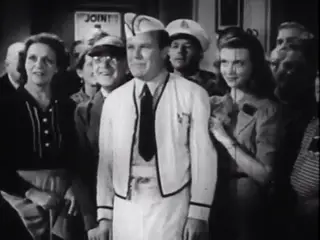
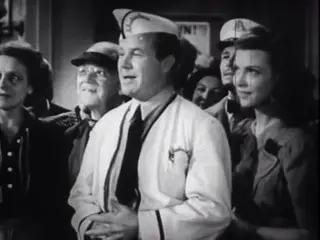
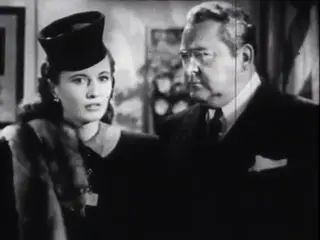
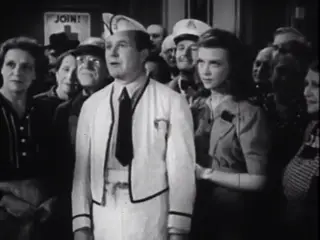
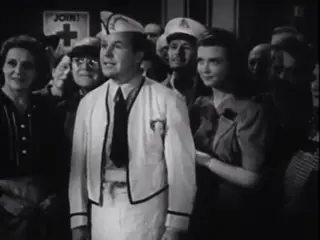
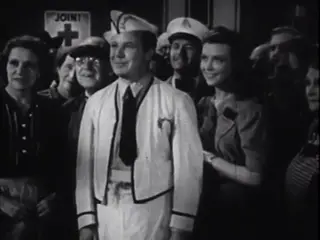
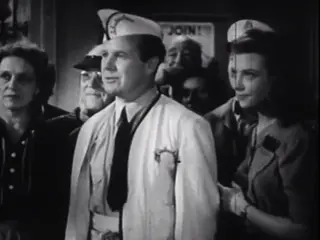
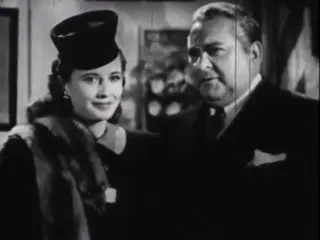
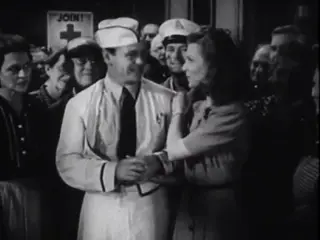
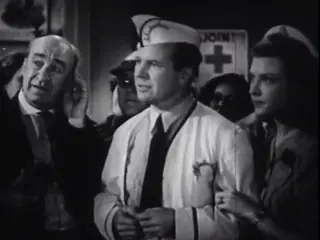
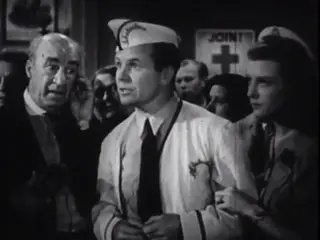
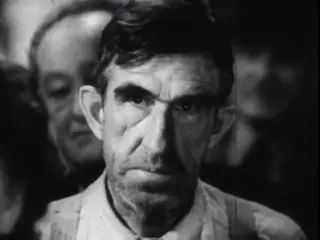
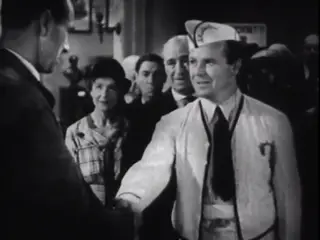
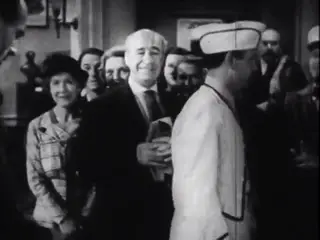
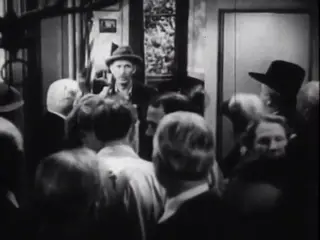
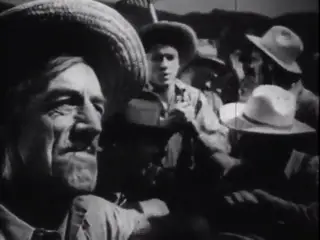
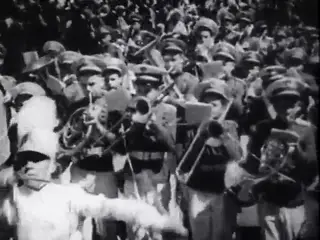
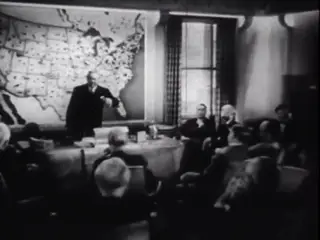
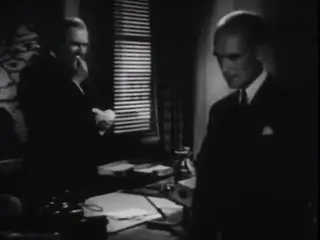
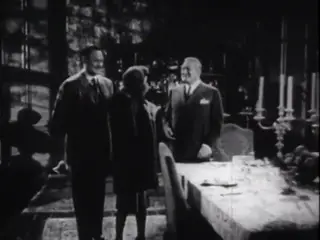
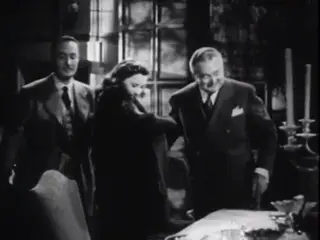
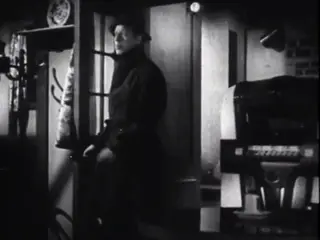
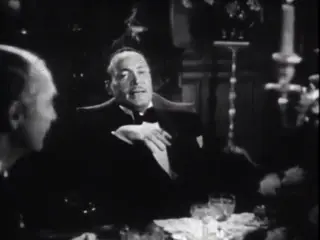
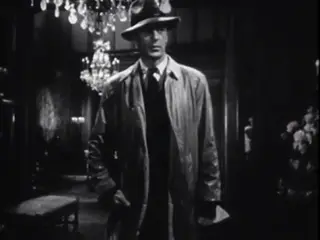
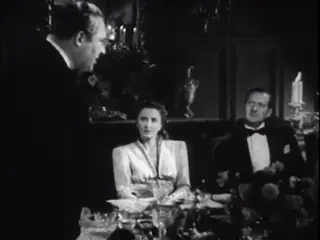
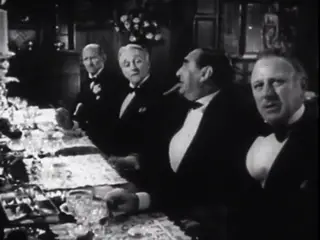
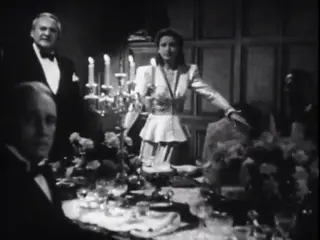
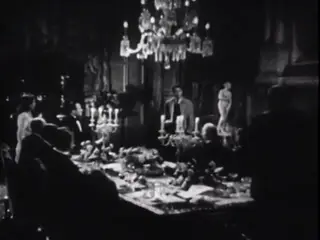
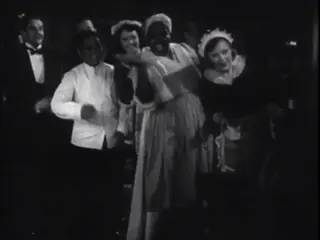
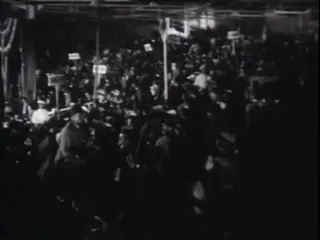
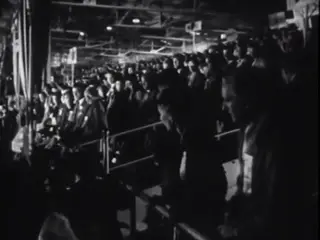
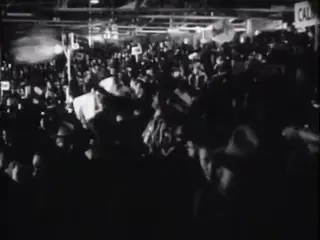
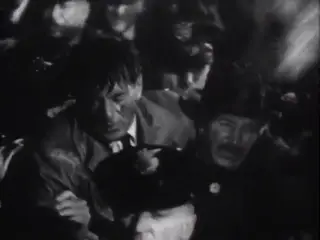
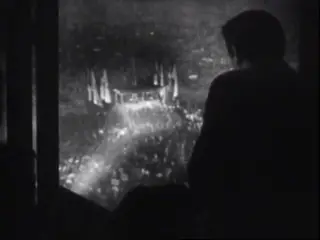
The crowd and uniformed marching band at 1:08:13 give that change a public scale. What began as a columnist’s manoeuvre now has the apparatus of a civic occasion. The John Doe clubs turn an audience into neighbours who meet and act together. Their visible organisation also makes them attractive to someone seeking power. Edward Arnold’s newspaper proprietor, D. B. Norton, sees a political instrument where the members see fellowship. The film’s uneasiness lies in how closely these possibilities occupy the same space. A crowd can be evidence of mutual confidence or a resource waiting for a proprietor.
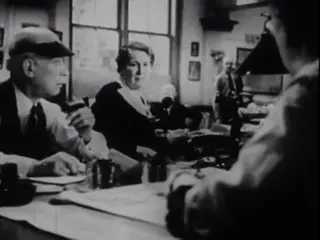
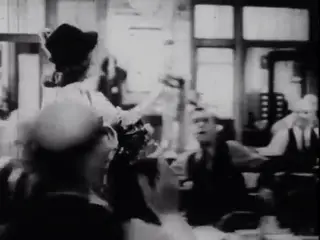
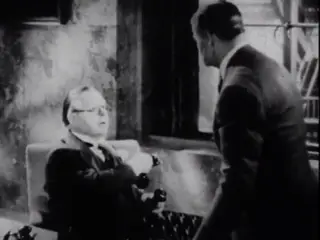
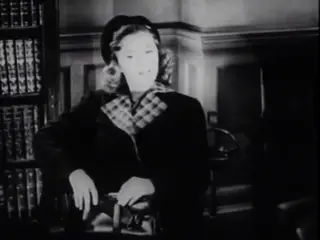
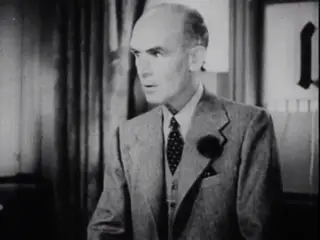
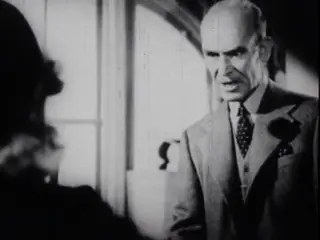
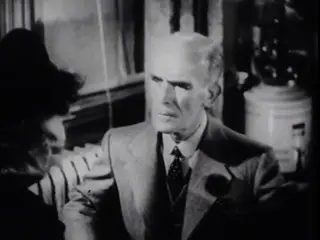
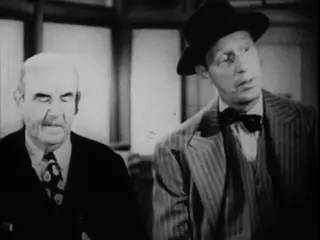
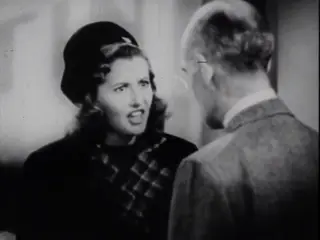
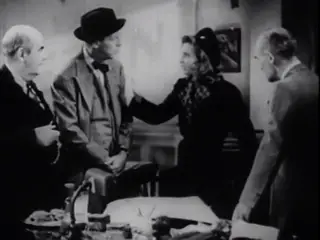
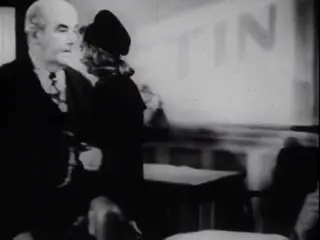
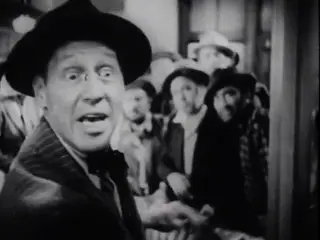
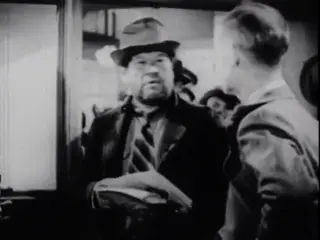
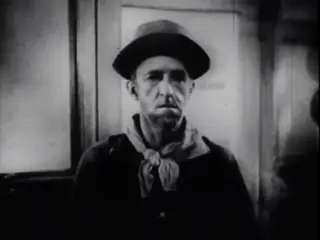
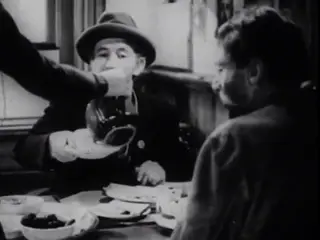
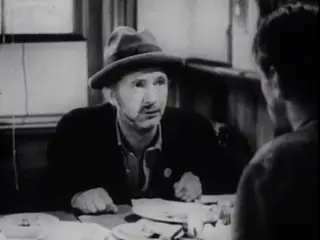
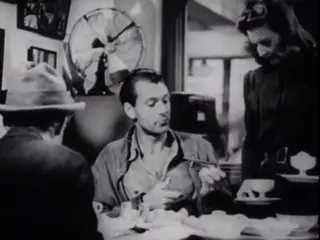
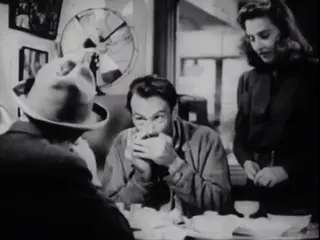
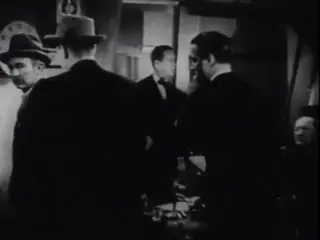
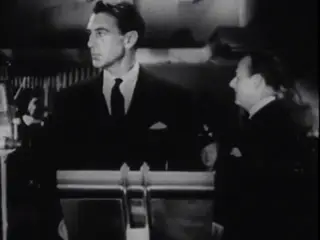
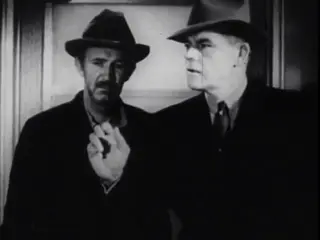
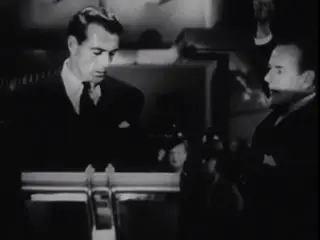
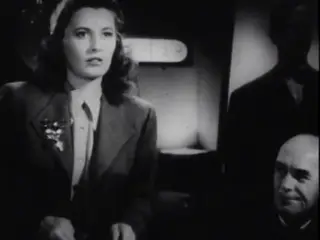
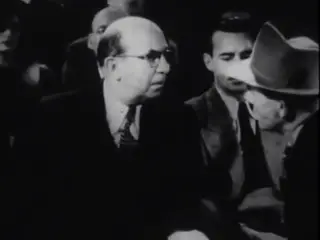
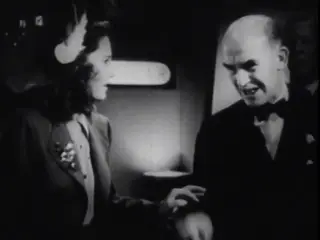
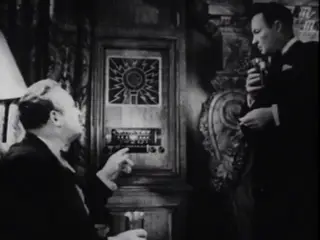
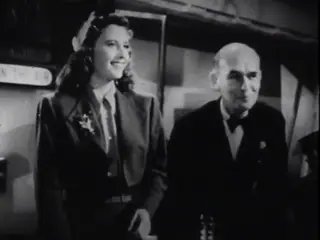
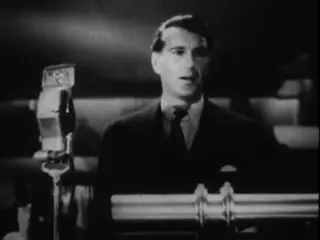
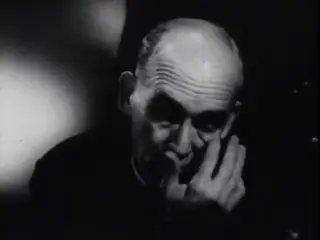
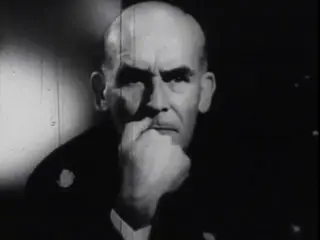
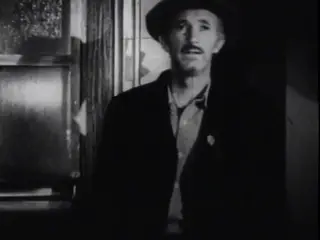
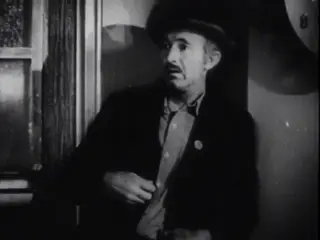
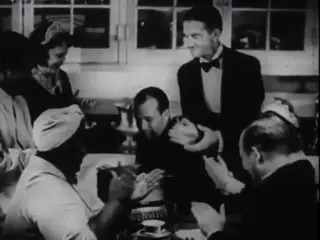
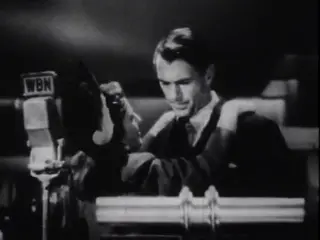
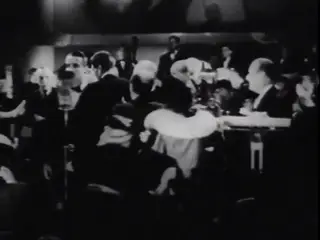
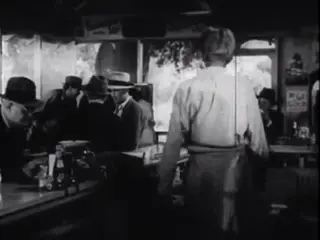
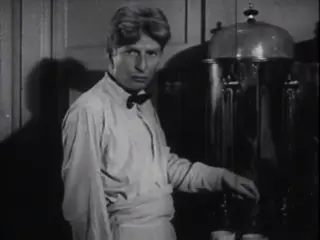
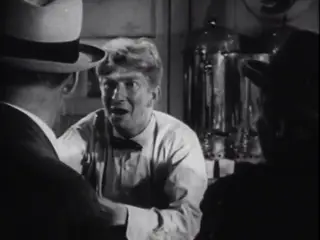
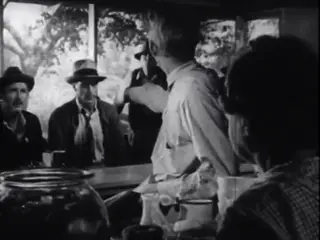
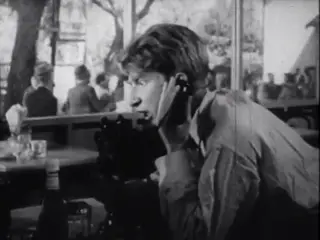
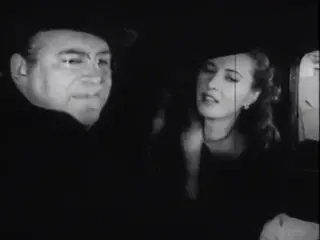
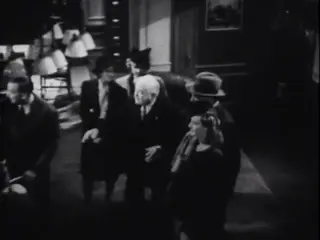
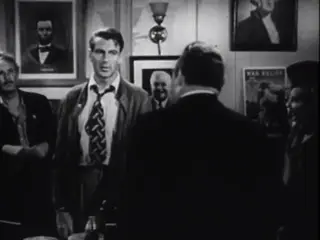
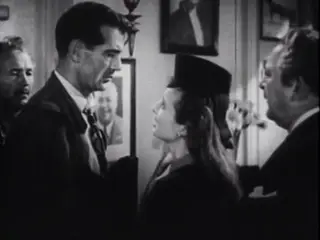
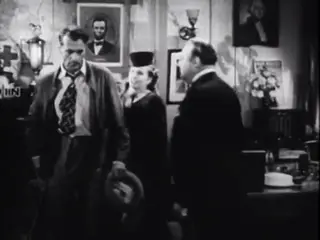
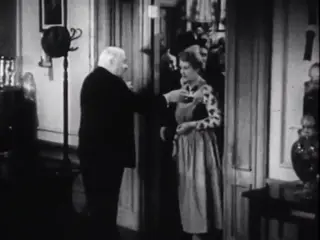
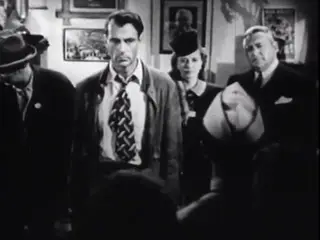
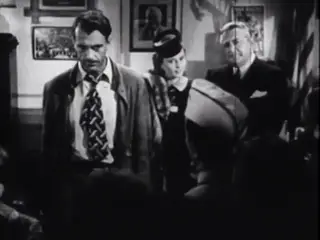
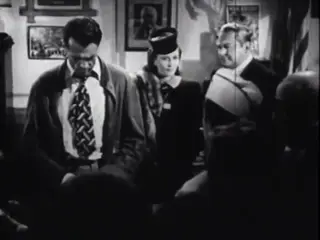
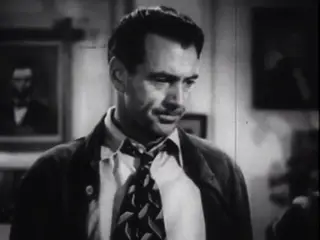
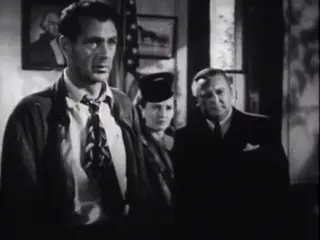
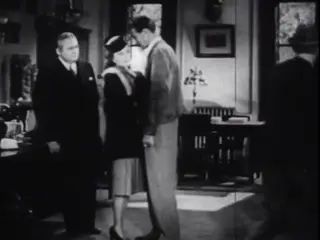
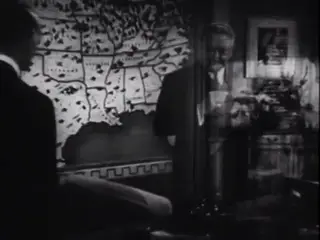
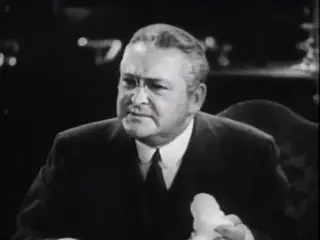
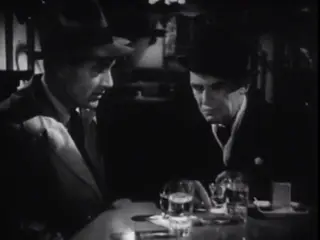
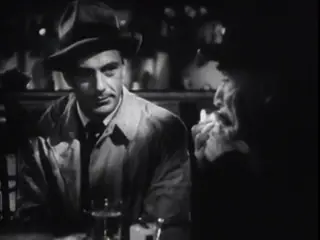
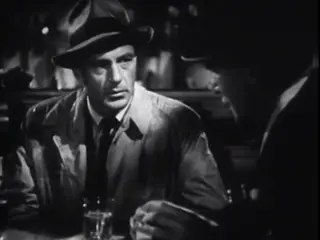
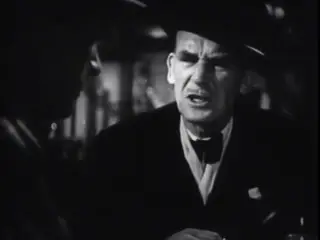
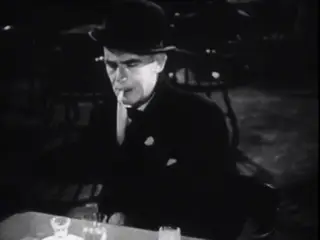
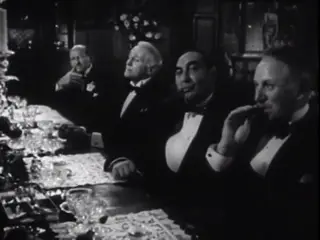
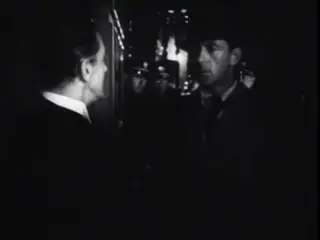
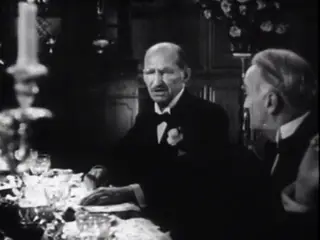
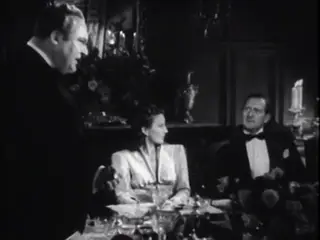
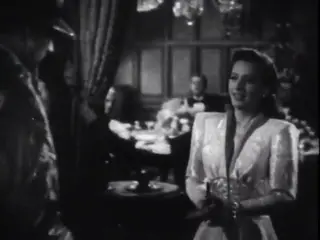
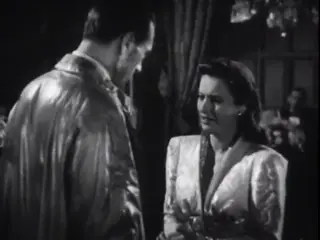
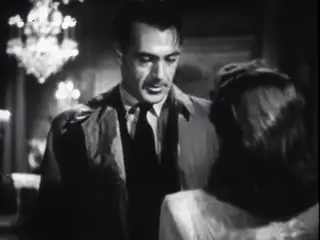
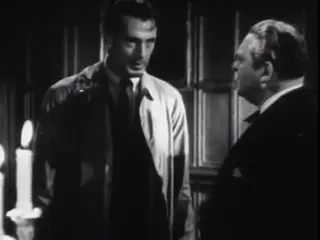
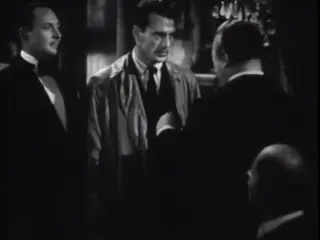
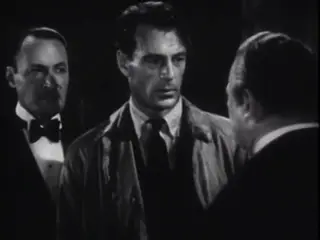
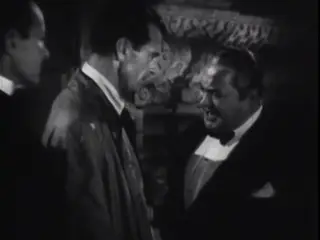
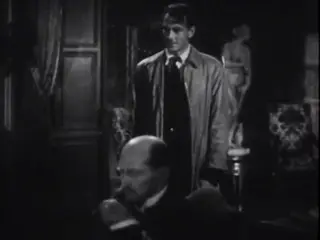
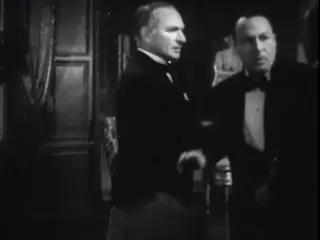
By the bar exchange at 1:29:46, the language has lost its promotional polish. “A no good dangerous skunk” meets the response “You’re not talking about Mr. Norton, are you?” A blunt judgement becomes harder to voice when attached to a powerful man’s name. The film brings its political danger into an ordinary conversation, where recognition has to overcome deference. Leonard Quart reads it as a fable about the dangers of home-grown fascism.6 The dramatic pressure comes from Willoughby’s predicament: he must oppose the machinery that gave him a voice without abandoning those who heard something true in it.
The contemporary New York Times review called the film “an inspiring lesson in Americanism.”8 Its subsequent circulation was shaped by questions of ownership and physical care. By 1945, ownership had reverted to Capra and Riskin.10 Their sale of the film to Goodwill Pictures brought $150,000.10 Goodwill is reported to have failed to renew the copyright.10 The camera negative deteriorated under the company’s care.10 One account of the film’s home-video circulation links non-renewal to the proliferation of editions drawn from inferior materials.1 Wider availability did not necessarily mean better access to what had been photographed.
The record: Registration LP10474 by RKO Radio Pictures, Inc., New York, $226 Men Of Lightship 61 is dated 28 March 1941. The registry found no renewal in the renewal volumes for 1968 to 1970, nor in the Copyright Office's records from 1978 on; on that reading the term ended on 31 December 1969 and the film has been free in the US since 1 January 1970. The different title within the supplied registration wording calls for verification against the underlying entry. The record does not establish that entry’s connection to Meet John Doe. It also leaves open any separate rights in material added to later editions.
Written 6 September 2026 by gpt-6-astra from the registry record, the atlas's own evidence and the sources below, gathered by Qwen/Qwen3.8-Max with web search and questioned by deepseek-ai/DeepSeek-V4-Pro. Numbered notes are the sources; a claim marked unverified has no source yet; times open the atlas at that second. How these are made and checked.
- en.wikipedia.org https://en.wikipedia.org/wiki/Meet_John_Doe
- catalog.afi.com https://catalog.afi.com/Film/27680-MEET-JOHN-DOE?cxt=ymal
- tcm.com https://www.tcm.com/articles/289114/the-big-idea-meet-john-doe
- torontofilmsociety.com https://torontofilmsociety.com/film-notes/meet-john-doe-1941-3/
- tcm.com https://www.tcm.com/articles/12738/meet-john-doe
- cineaste.com https://www.cineaste.com/summer2011/meet-john-doe
- variety.com https://variety.com/1940/film/reviews/meet-john-doe-1200413533/
- nytimes.com https://www.nytimes.com/1941/03/13/archives/meet-john-doe-an-inspiring-lesson-in-americ...
- oscars.org https://www.oscars.org/oscars/ceremonies/1942
- tcm.com https://www.tcm.com/articles/289117/pop-culture-101-meet-john-doe
- publicdomainmovies.info https://publicdomainmovies.info/frank-capras-meet-john-doe/
- publicdomainreview.org https://publicdomainreview.org/collection/meet-john-doe-1941/
- tcm.com https://www.tcm.com/articles/289116/critics-corner-meet-john-doe
- dvdbeaver.com http://www.dvdbeaver.com/30/blu-ray_and_4K_UHD_of_the_year_2024.htm
- imdb.com https://www.imdb.com/title/tt0033891/awards/
 0:18
0:18
 Spooks Run Wild
  Superman
  Nevada City
  Penny Serenade
  The Most Dangerous Game
  Love Affair
  The Hitch-Hiker
  Dick Tracy’s Dilemma
  Two Weeks to Live
  Great Guy
  Angel on My Shoulder