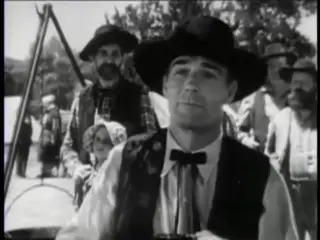
Randolph Scott’s marshal serves a town whose cattle money buys influence, in a western about the uneasy passage from trailhead to settled community.
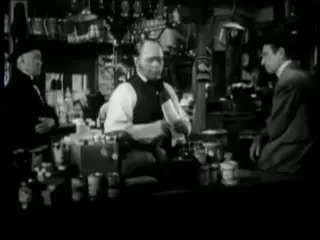
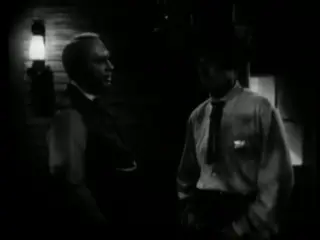
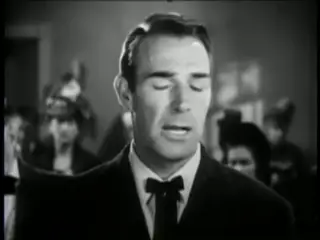
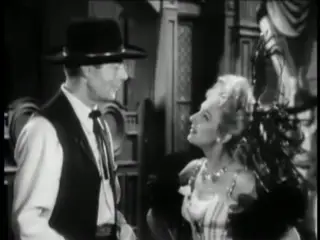
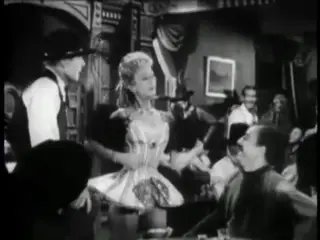
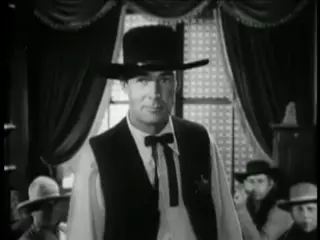
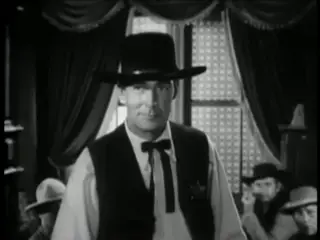
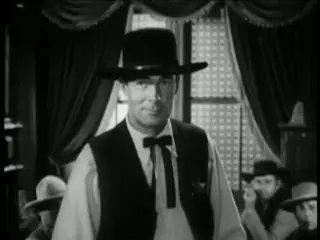
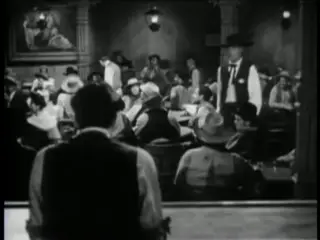
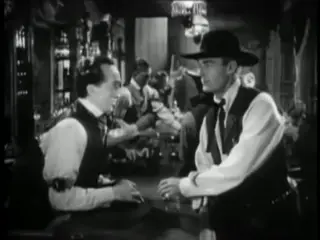
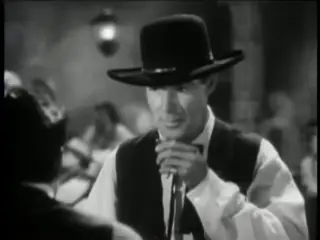
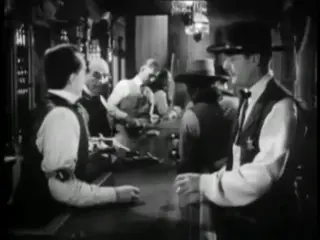
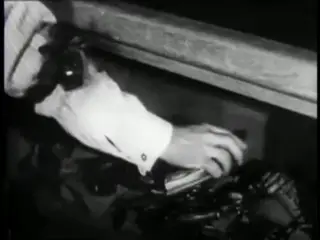
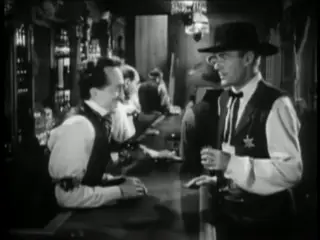
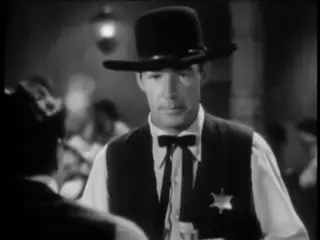
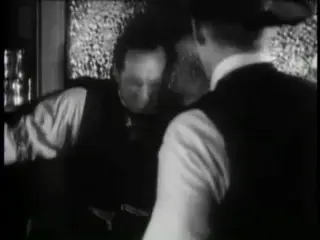
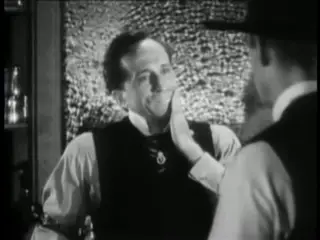
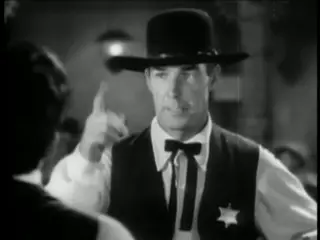
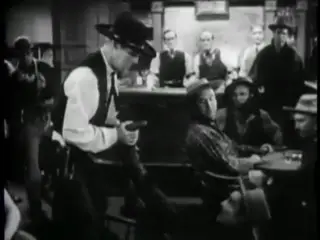
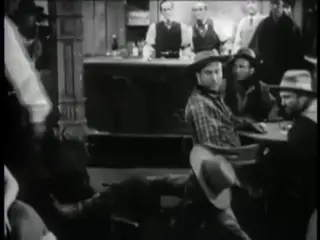
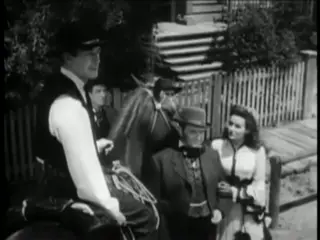
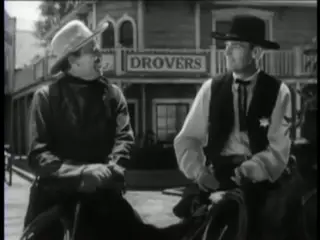
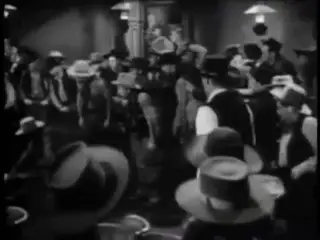
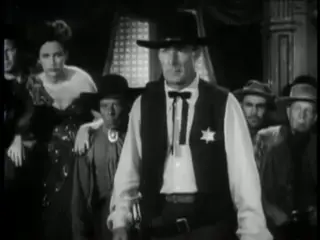
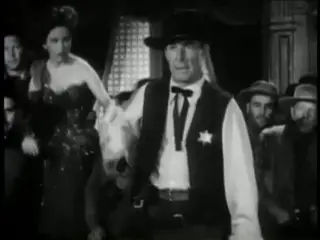
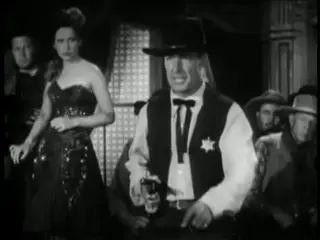
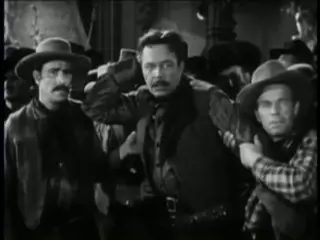
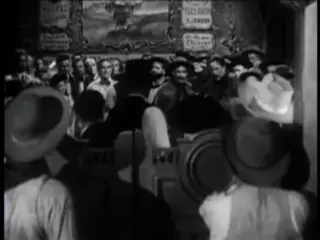
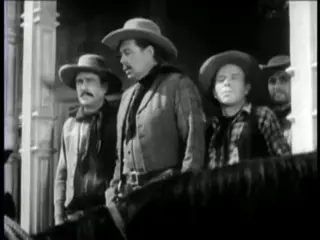
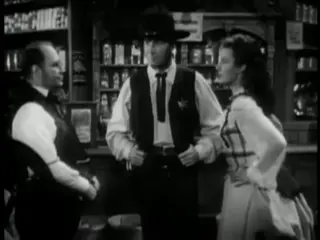
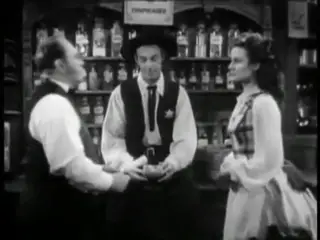
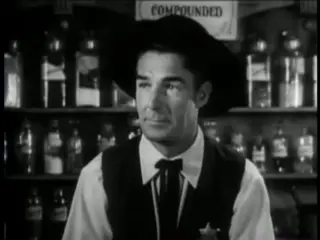
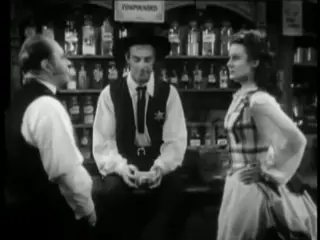
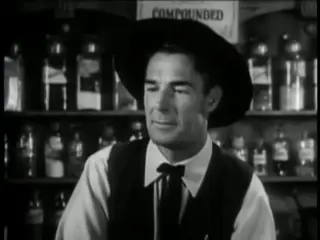
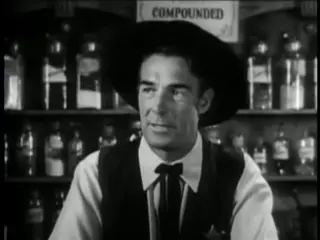
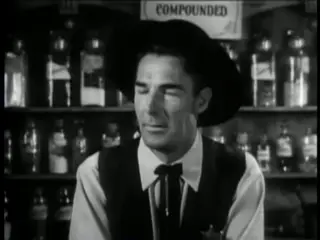
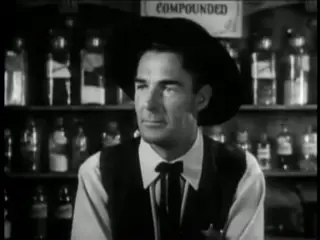
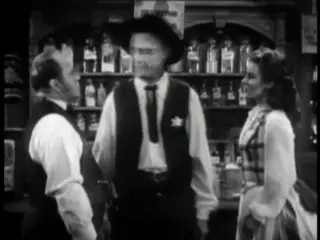
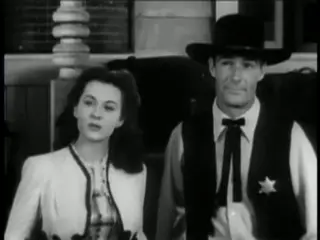
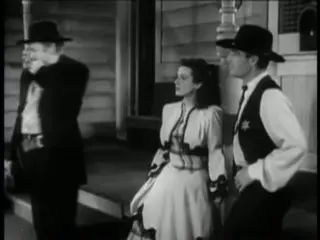
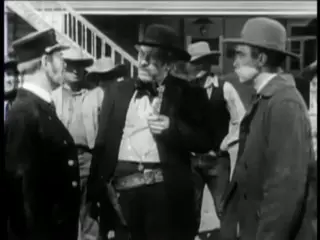
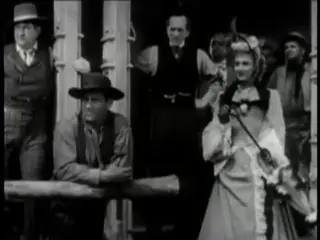
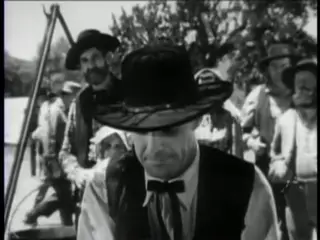
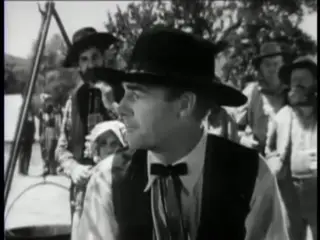
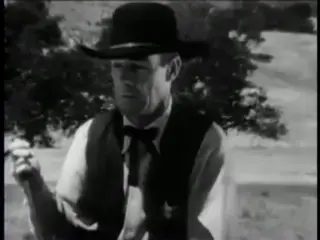
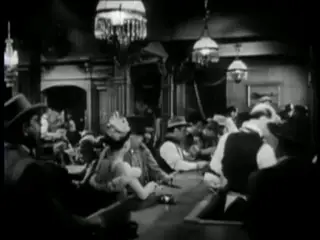
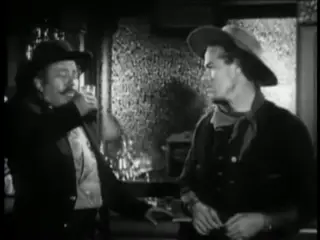
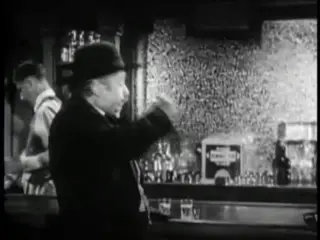
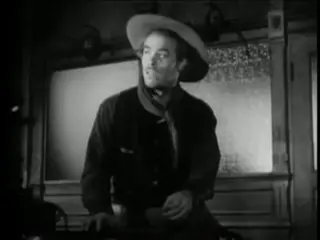
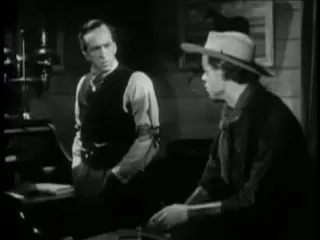
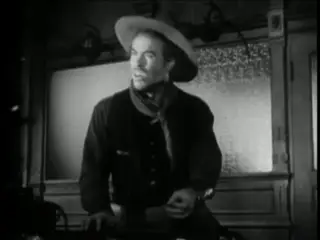
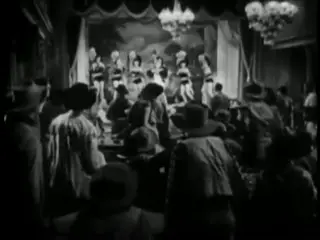
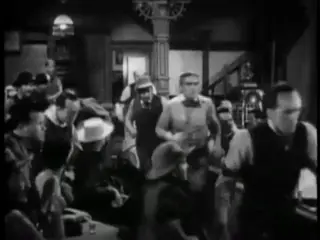
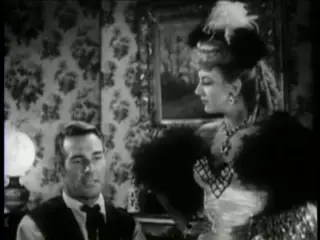
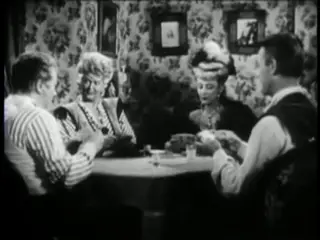
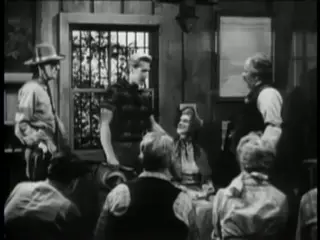
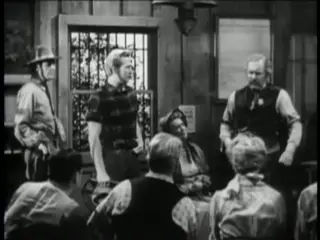
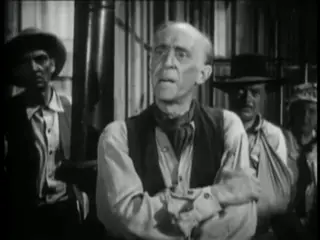
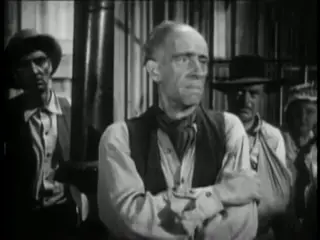
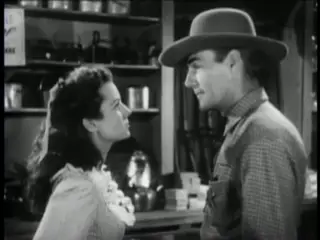
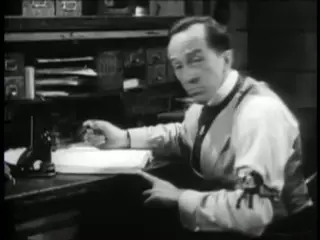
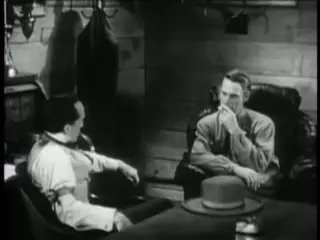
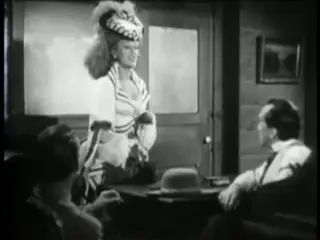
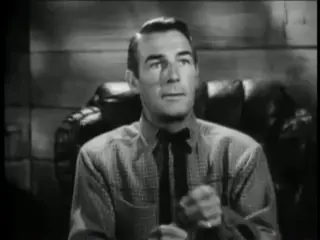
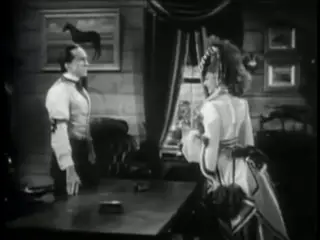
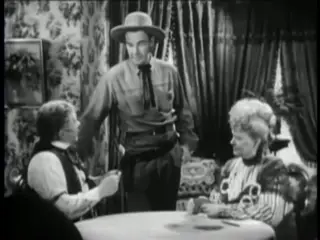
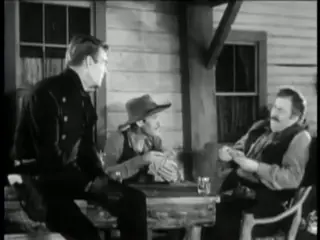
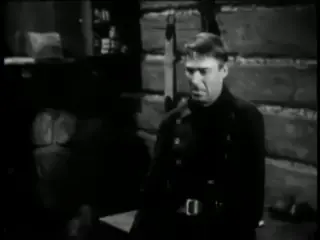
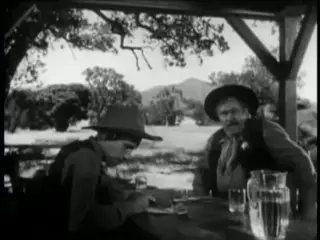
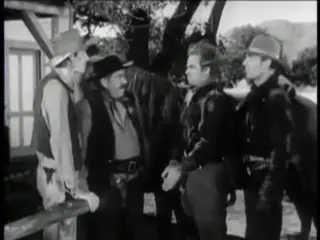
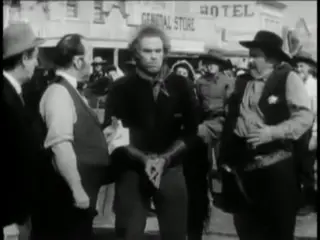
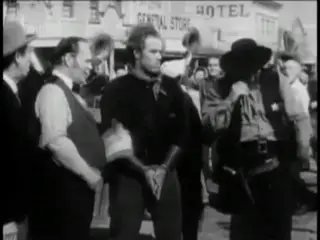
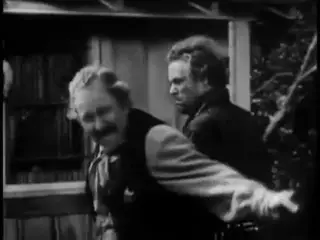
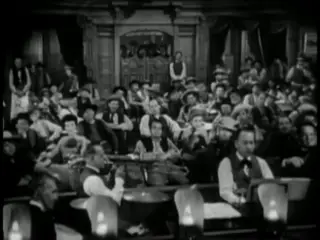
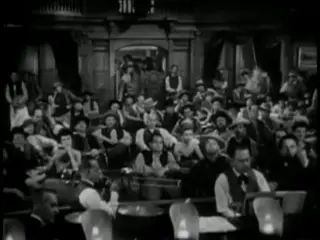
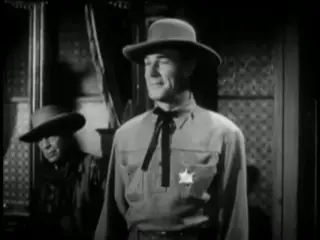
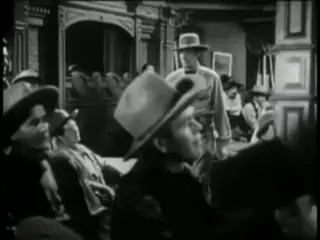
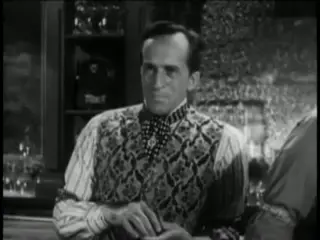
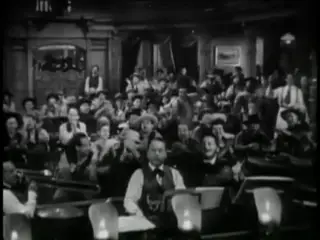
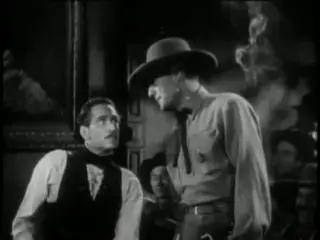
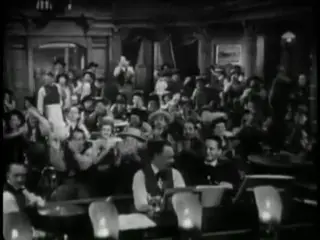
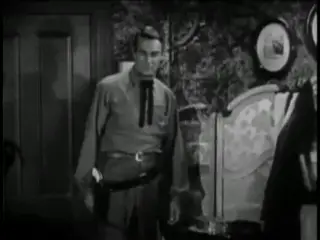
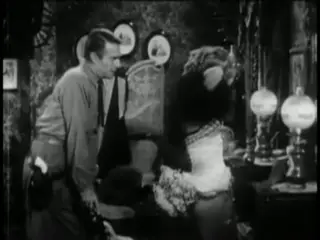
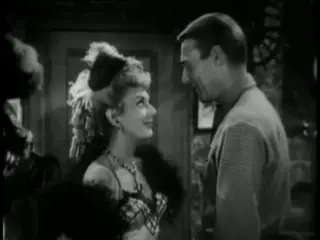
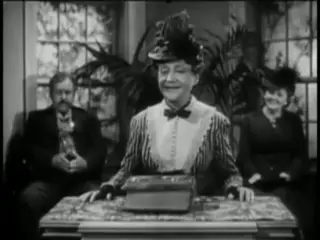
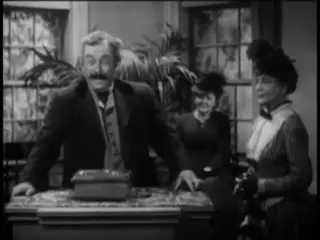
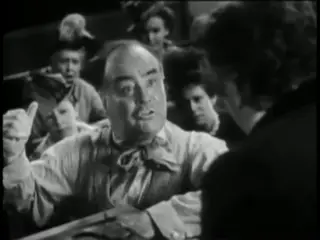
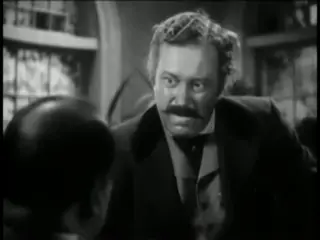
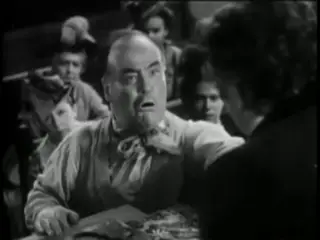
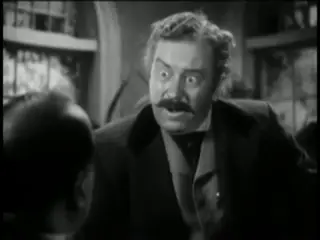
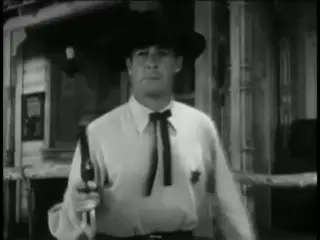
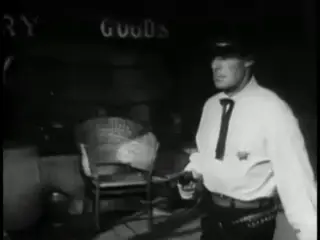
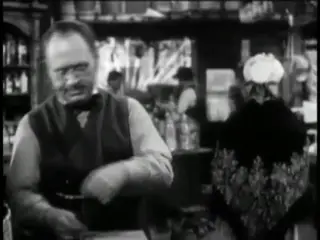
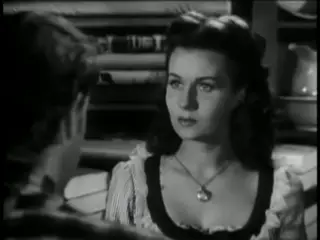
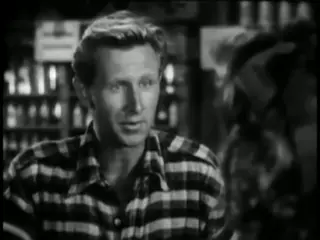
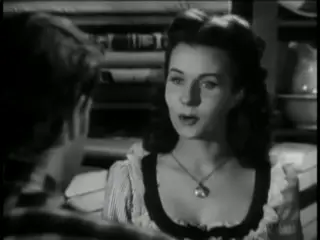
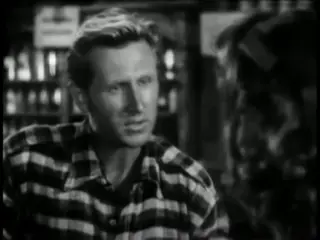
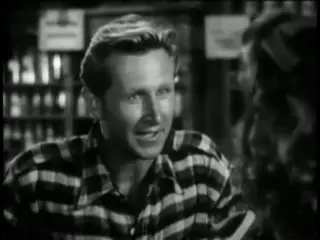
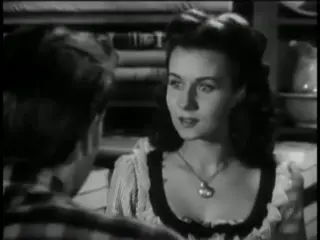
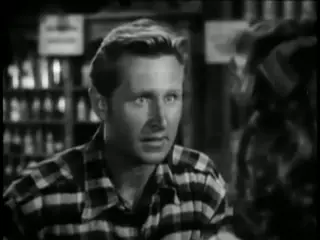
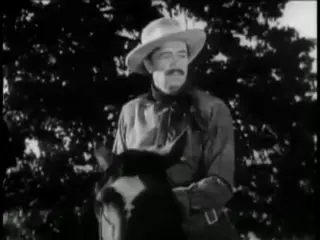
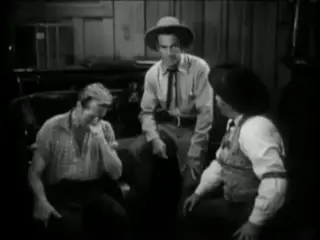
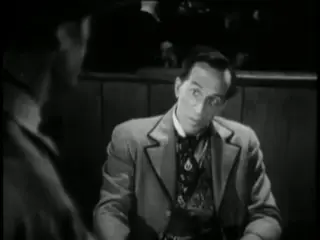
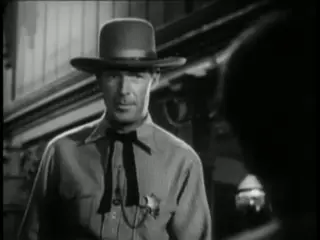
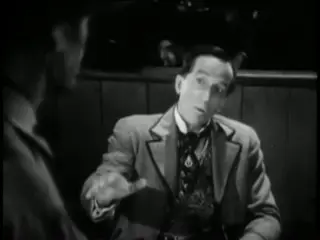
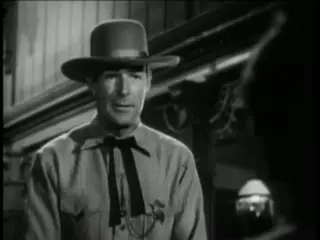
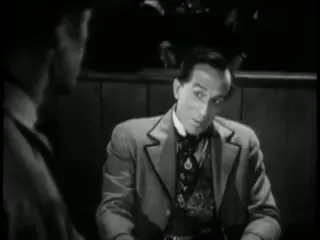
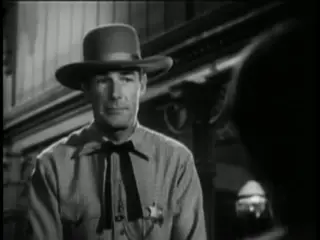
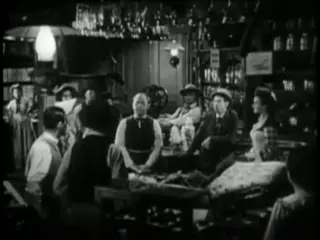
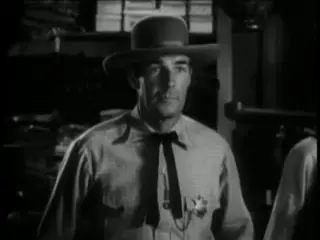
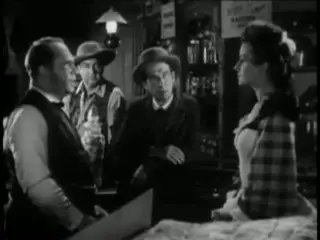
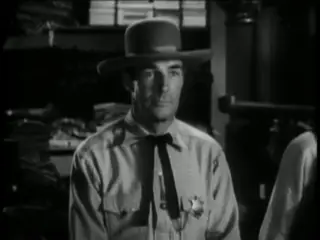
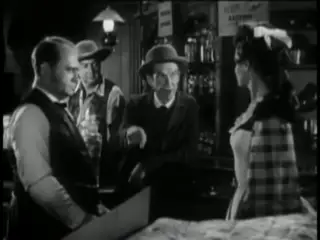
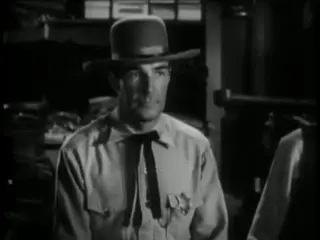
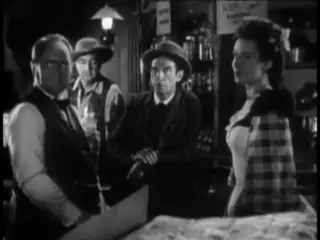
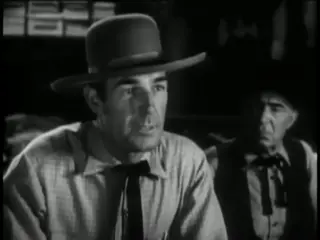
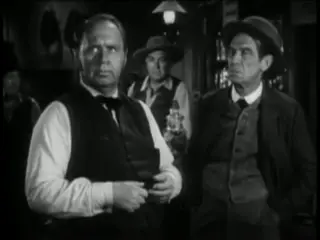
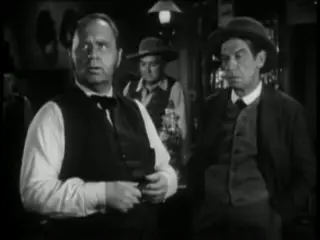
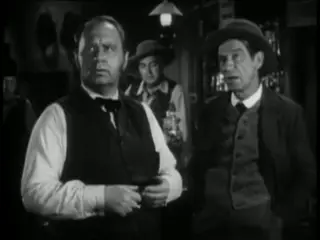
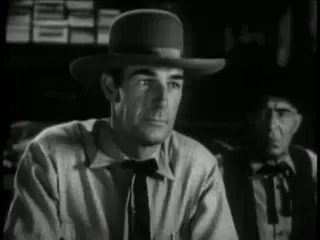
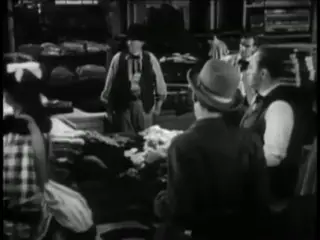
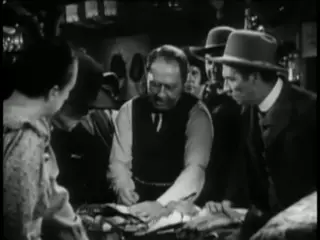
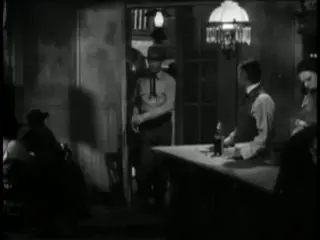
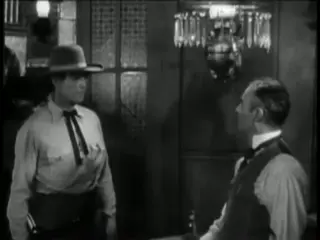
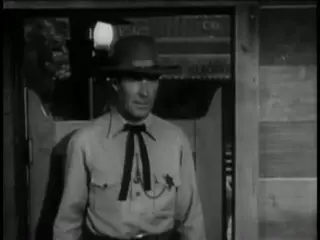
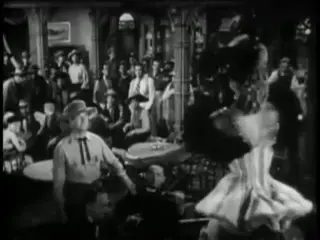
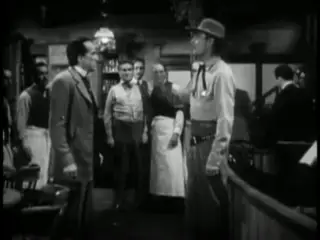
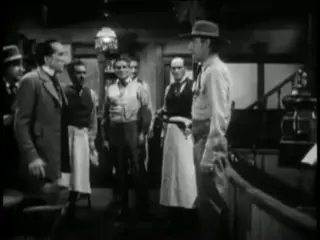
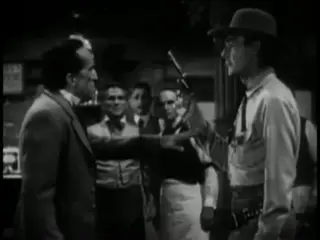
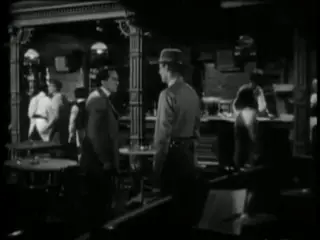
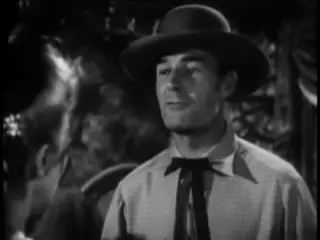
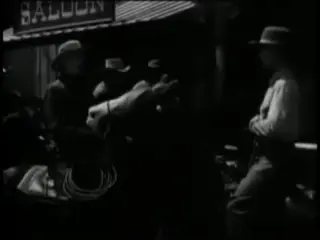
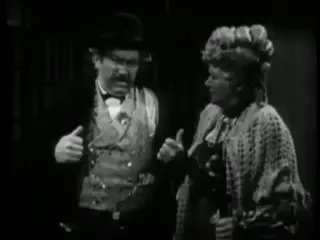
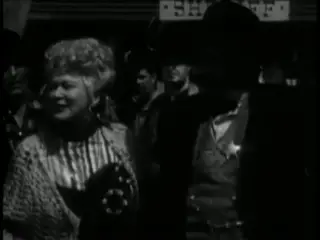
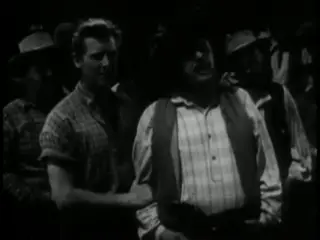
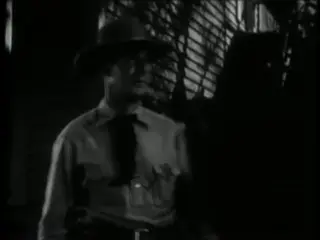
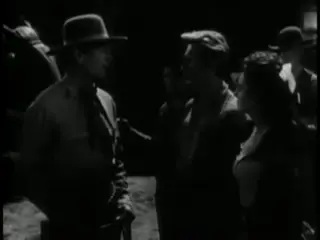
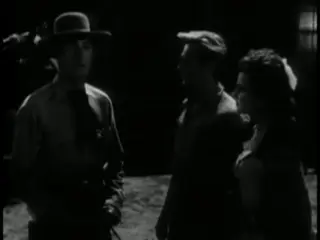
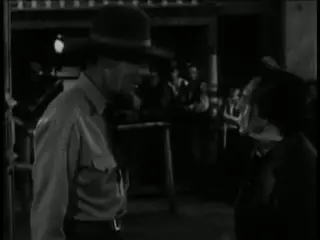
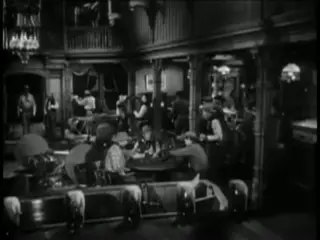
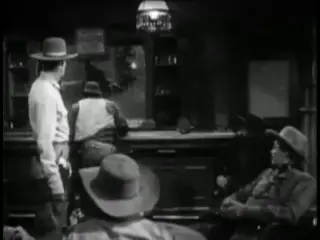
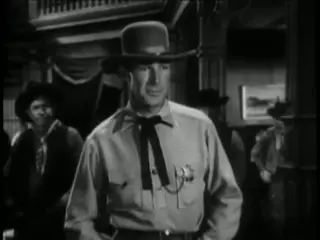
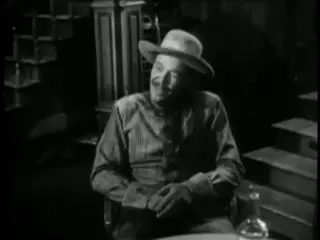
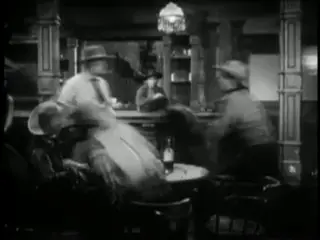
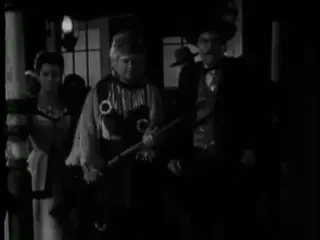
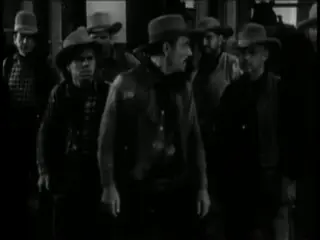
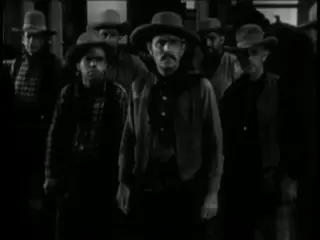
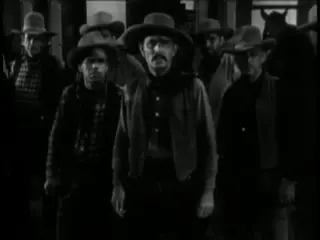
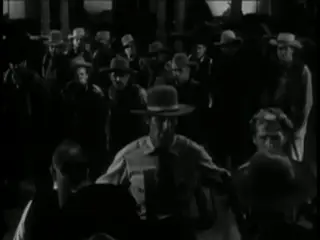
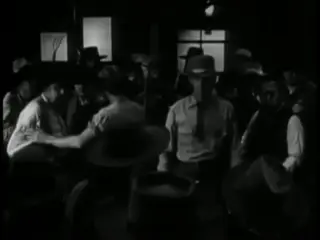
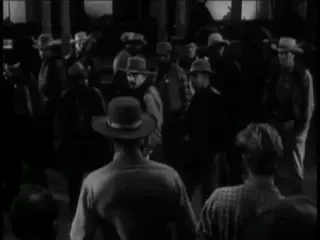
The men who want a marshal in Abilene Town do not necessarily want the law enforced. They want someone who will keep the cattle business comfortable. At 10:56, the atlas copy’s machine transcript records the distinction: “We want a marshal to keep us in good with Riker, not a killer.” The objection is not simply to violence, but to violence directed against an influential customer. Scott plays Marshal Dan Mitchell.3 His authority depends on people with a narrower understanding of his duties than he has. The film’s conflict begins with a practical problem: how to police a town when its patrons expect protection from the police.
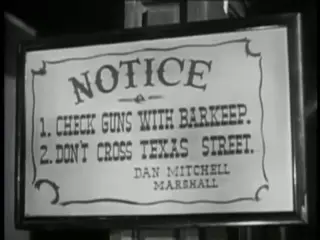
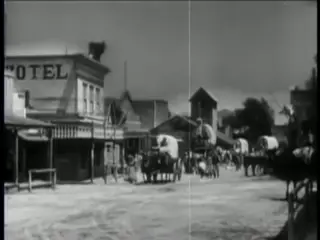
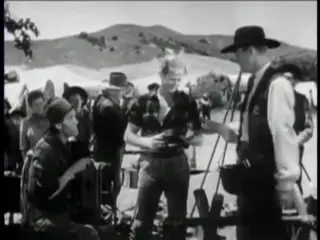
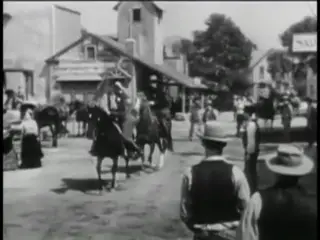
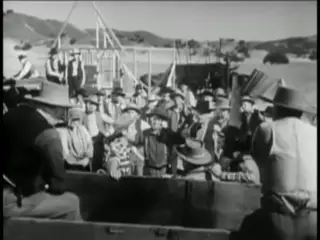
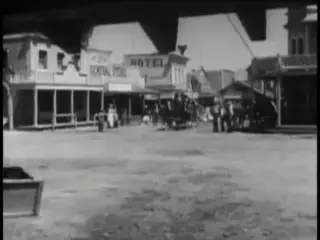
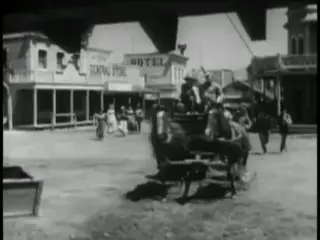
Ernest Haycox’s 1941 novel Trail Town supplied the basis for the film.3 Edwin L. Marin directed.1 Harold Shumate is credited as writer.1 The setting is Abilene, Kansas, where cattle traffic and incoming settlers make competing demands on the same place.34 Rather than treating the town as a neutral collection of buildings, the story makes it contested ground. A street can be a commercial boundary as well as a route from one confrontation to another. The division matters because the marshal’s jurisdiction covers people who disagree about what the town is for.
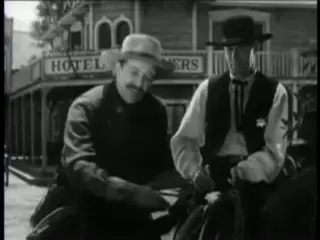
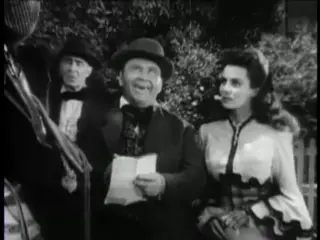
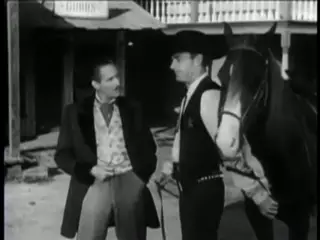
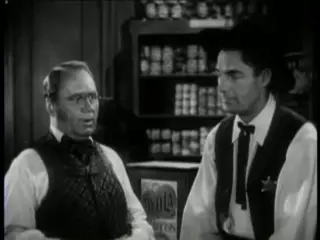
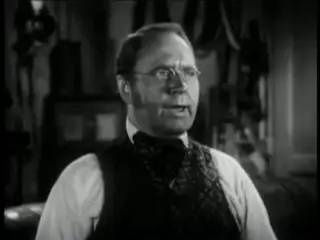
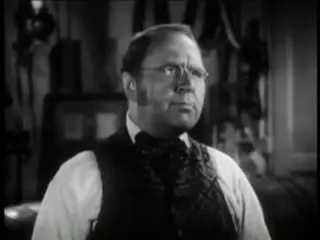
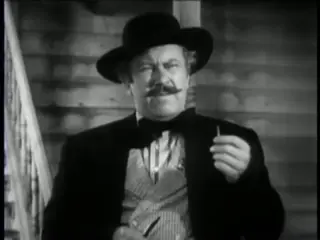
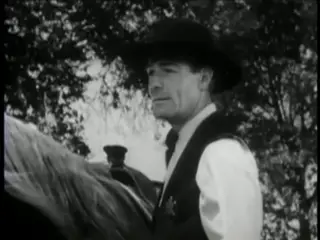
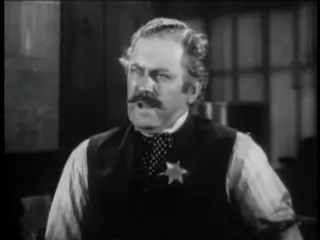
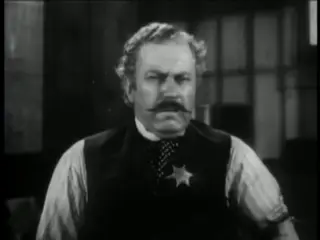
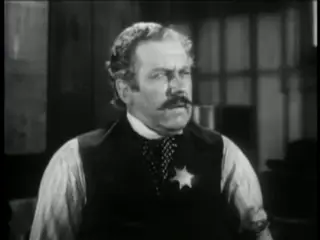
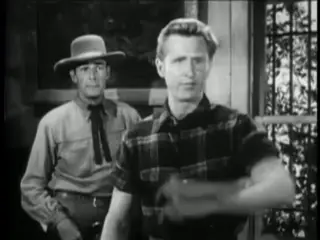
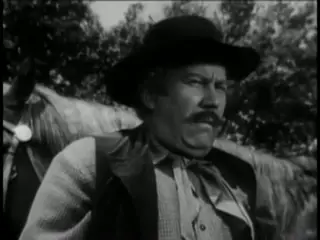
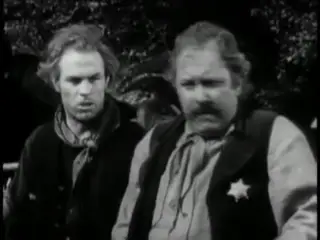
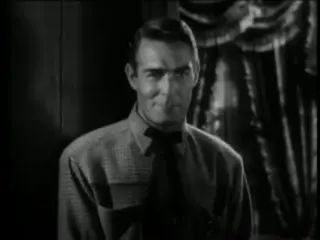
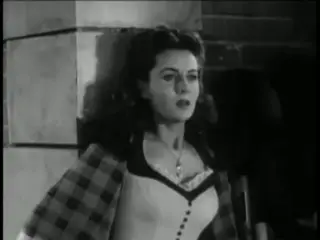
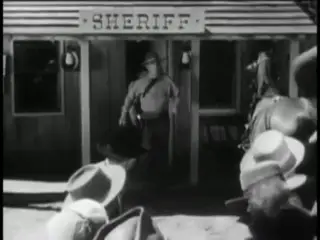
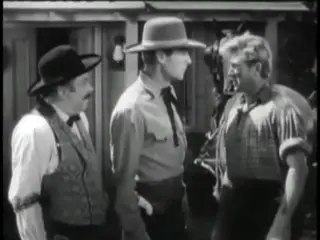
Scott’s marshal occupies the awkward space between public office and private interest. Edgar Buchanan’s Sheriff Bravo Trimble supplies another face of local authority.3 The cattlemen need a town organized around their trade, while the settlers need somewhere to remain. Mitchell must act within that division rather than stand safely above it. His problem gives the badge an uncertain value: possessing it does not establish whose claims the town will recognize.
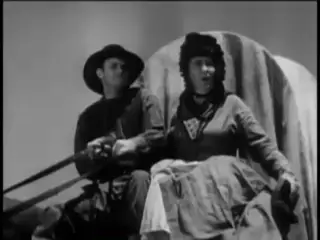
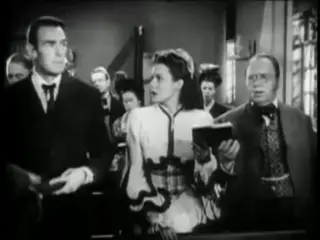
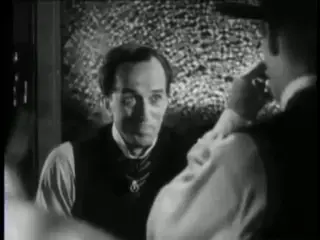
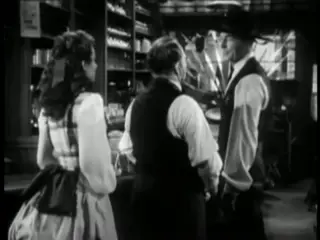
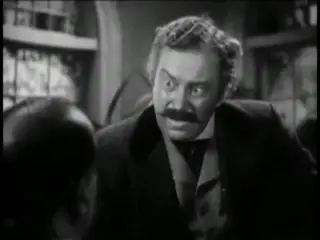
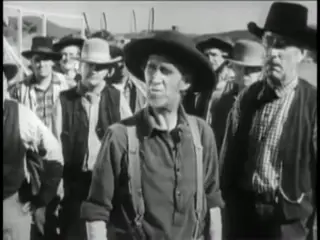
At 32:02, the conflict is brought down from these competing interests to the bewilderment of someone threatened by them: “But why should anybody want to harm us?” The discussion connects the hostility between cattlemen and farmers to land use. What matters is the distance between the question and its explanation. To the person asking, settlement is an ordinary attempt to make a home. To an opponent, that same act can obstruct a livelihood. The film lets the economic dispute register as personal incomprehension, not just as a reason for the next outbreak of violence. A contemporary Variety review likewise identified the violent struggle between cattlemen and newly arrived homesteaders as the story’s foundation.4
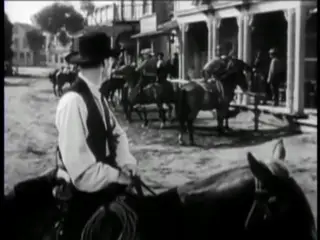
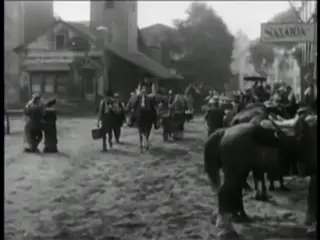
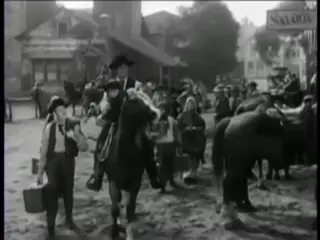
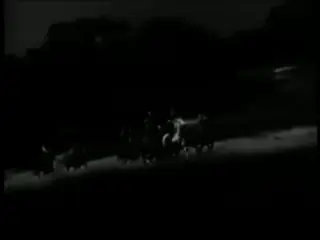
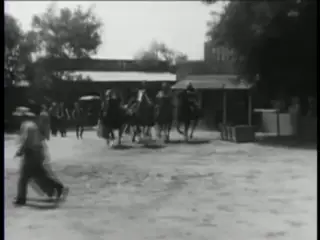
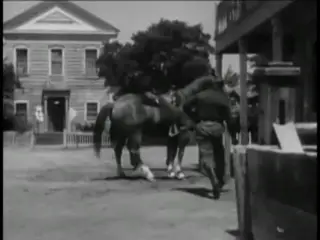
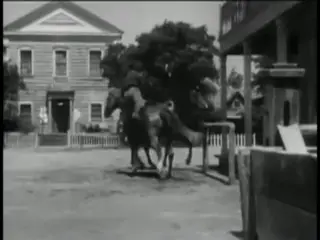
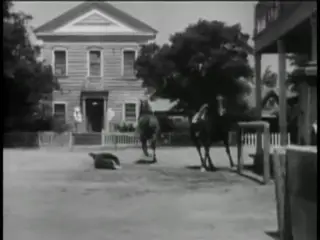
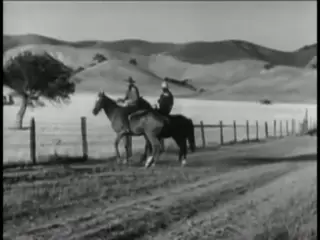
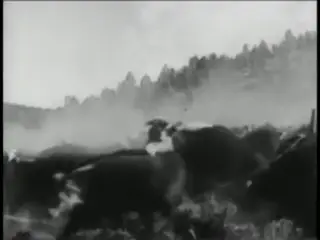
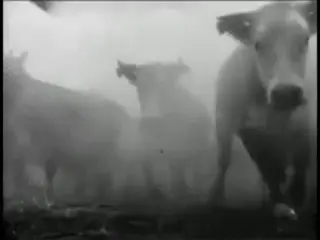
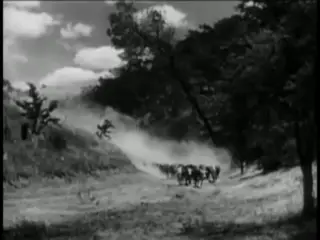
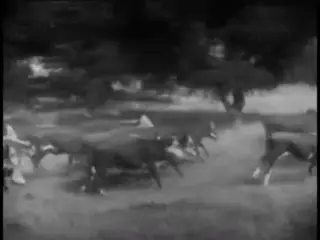
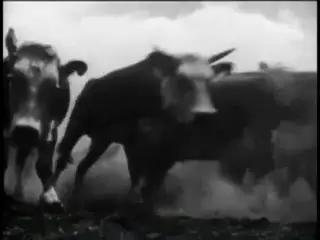
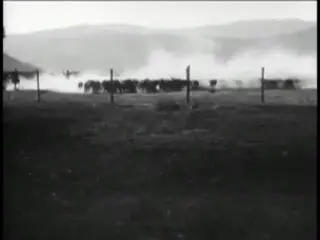
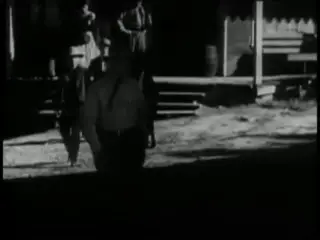
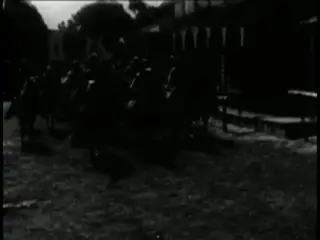
The cattle themselves keep that struggle from becoming entirely abstract. At 1:08:45, the atlas shows them crossing dusty ground without a person visible in the supplied frame. After the bargaining and coercion indoors, their movement gives material form to the business everyone has been defending or resisting. They are the source of the leverage exercised in the saloon conversation. Read against that earlier demand for an accommodating marshal, the image makes clear how much human authority rests on a trade that passes through.
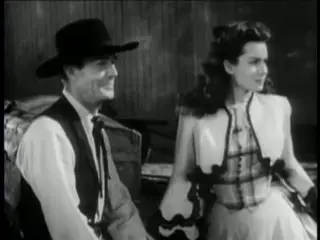
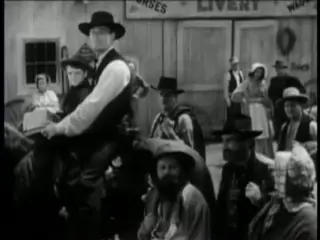
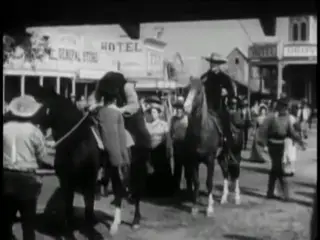
The film’s later traces offer less evidence of its reception than of its continued availability. A contemporary listing placed it at the Globe theatre.5 A screenshot now hosted on Wikimedia Commons carries a claim that the image is free of copyright restrictions.6 That claim concerns the screenshot, not the feature’s copyright history. The atlas gives a surviving copy a different use: the film can be examined moment by moment, rather than encountered only through a synopsis. Its time markers locate the saloon’s demand for an accommodating marshal and the later movement of cattle within the same copy.
The record: Registration LP114 by Guild Productions, Inc is dated 11 January 1946. The registry found no renewal in the renewal volumes for 1973 to 1975, nor in the Copyright Office's records from 1978 on; on that reading the term ended on 31 December 1974 and the film has been free in the US since 1 January 1975. This is a finding about the registered film and the renewal search, not a deduction from the availability of an online image. The record does not settle the provenance or completeness of any particular surviving copy.
Written 6 September 2026 by gpt-6-astra from the registry record, the atlas's own evidence and the sources below, gathered by Qwen/Qwen3.8-Max with web search and questioned by deepseek-ai/DeepSeek-V4-Pro. Numbered notes are the sources; a claim marked unverified has no source yet; times open the atlas at that second. How these are made and checked.
- catalog.afi.com https://catalog.afi.com/Film/24672-ABILENE-TOWN?cxt=filmography
- catalog.afi.com https://catalog.afi.com/Search/InternalSearch?searchField=Subjects&searchText=Saloon%20...
- en.wikipedia.org https://en.wikipedia.org/wiki/Abilene_Town
- variety.com https://variety.com/1945/film/reviews/abilene-town-1200414805/
- nytimes.com https://www.nytimes.com/sitemap/1946/03/04/
- commons.wikimedia.org https://commons.wikimedia.org/wiki/File:Abilene_Town_1946_(4).jpg
 1:04
1:04
 The Stranger
  Till the Clouds Roll By
  Whistle Stop
  Heartbeat
  Yellowstone
  Angel and the Badman
  Randy Rides Alone
 .jpg)