A Nazi fugitive makes himself at home in Connecticut, where neighbourly confidence becomes both his camouflage and the means of exposing him.
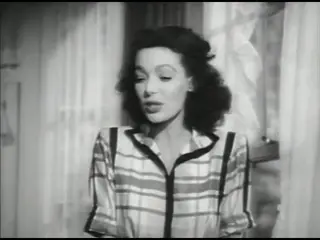
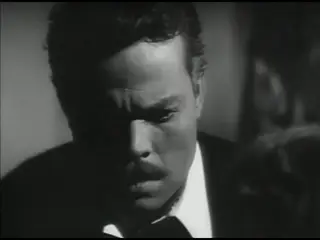
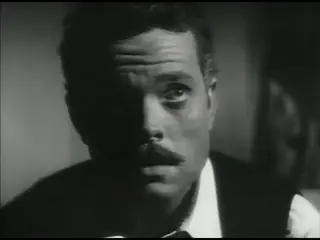
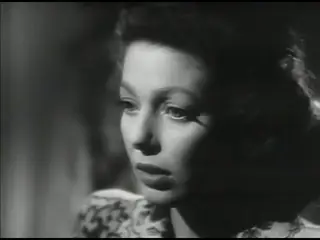
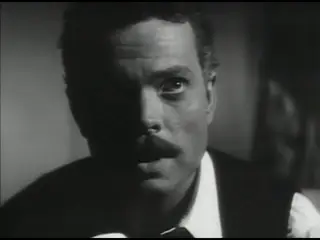
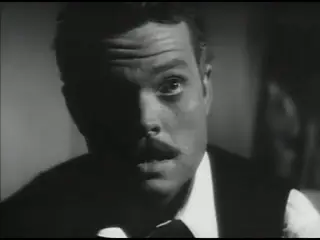
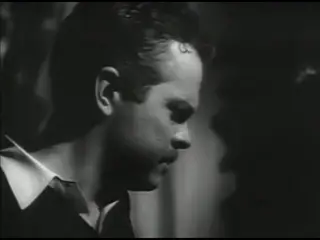
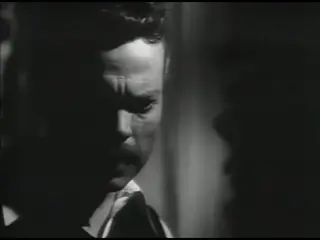
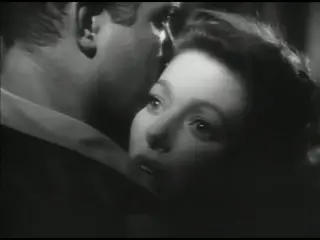
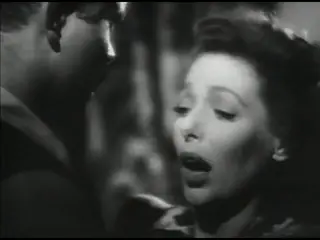
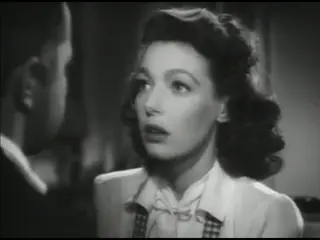
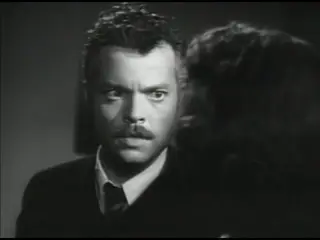
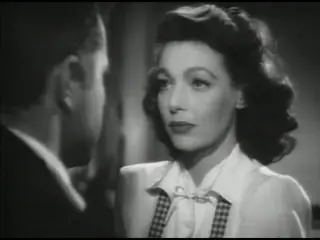
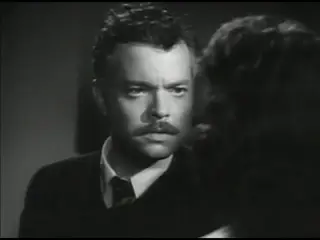
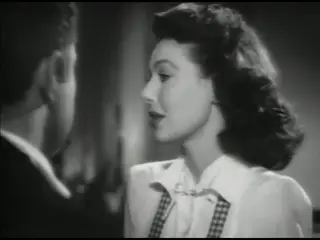
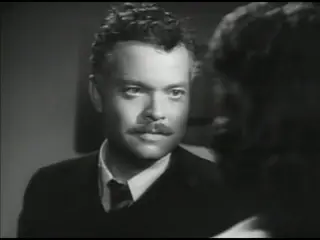
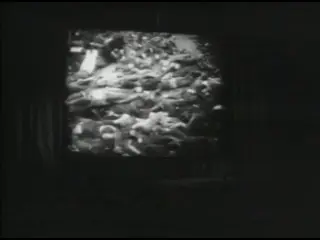
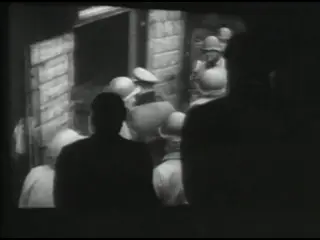
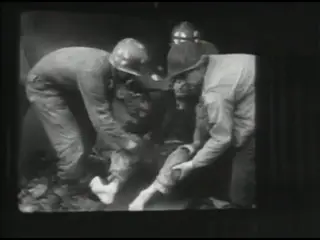
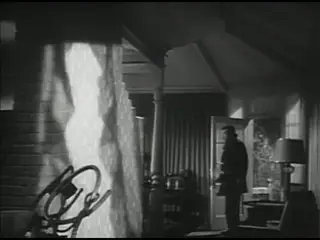
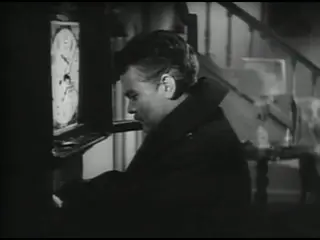
The Stranger (1946) incorporates documentary footage of the Holocaust.3 The encounter between images of the camps and a thriller about a respectable American marriage is the film’s central disturbance. Charles Rankin, a schoolteacher in Connecticut, has a plausible place in the town’s life.3 He is also Franz Kindler, a Nazi fugitive.2 For his wife, Mary, discovering that identity requires more than solving a mystery. She must accept that the man she knows at home belongs to the world recorded in those images.
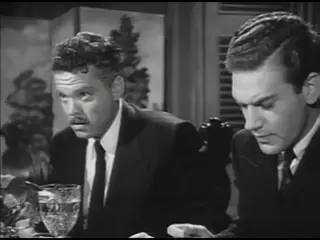
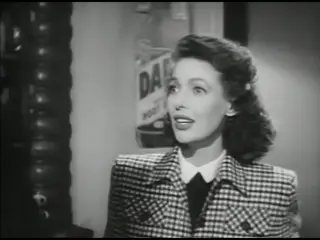
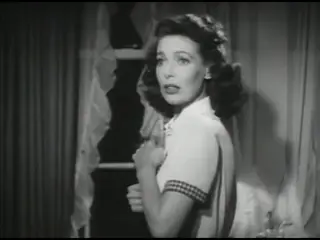
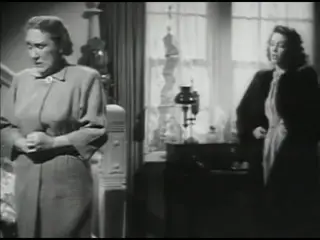
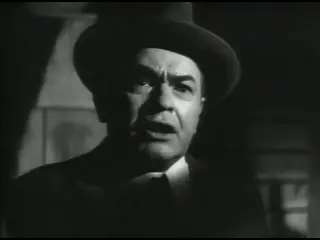
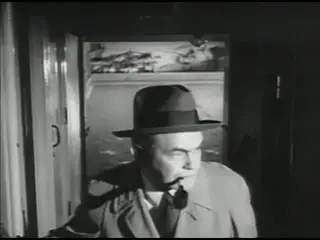
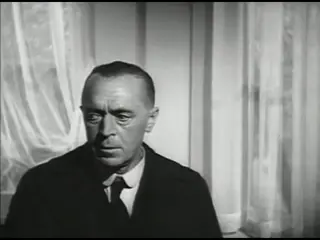
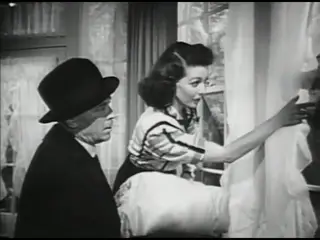
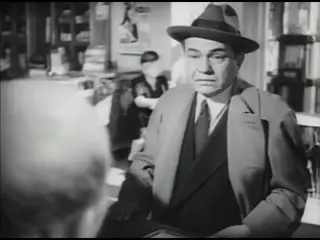
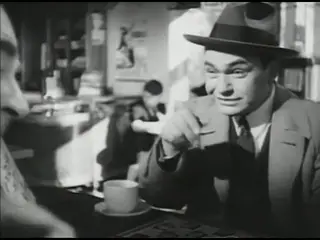
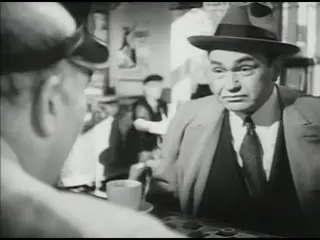
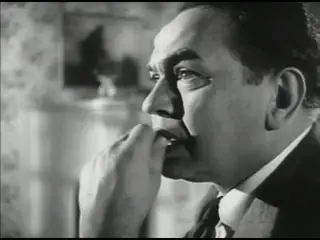
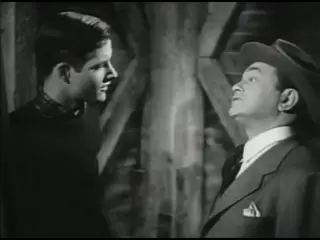
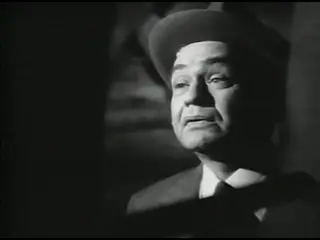
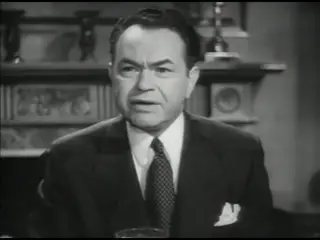
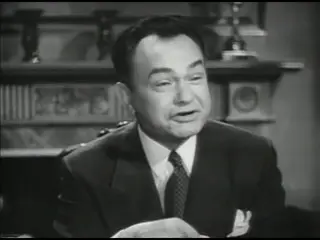
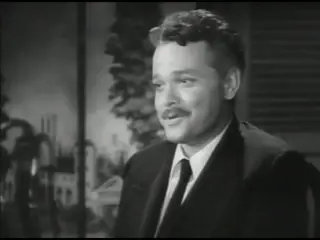
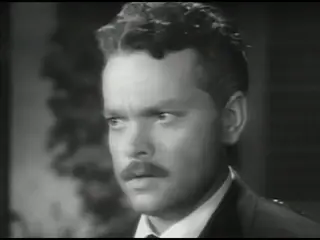
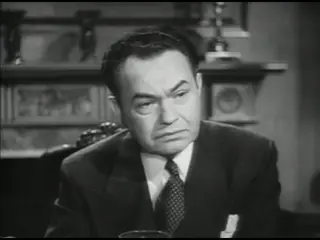
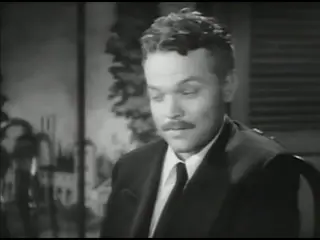
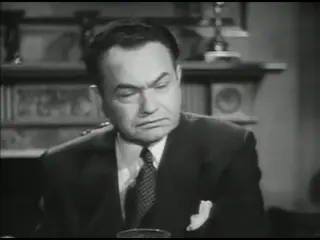
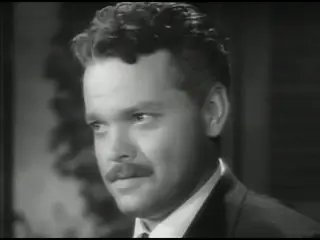
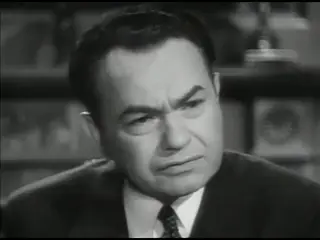
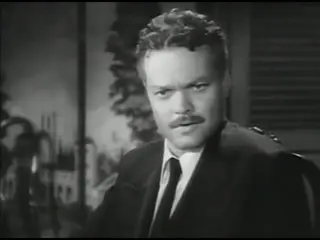
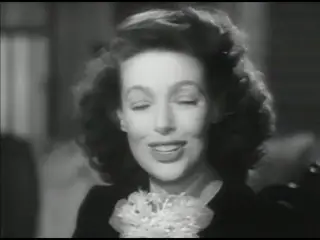
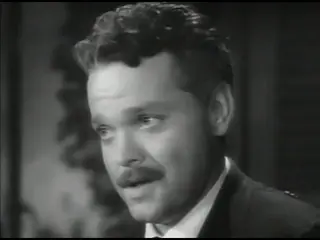
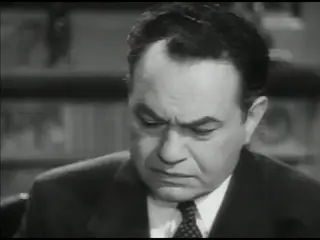
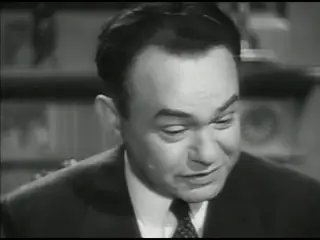
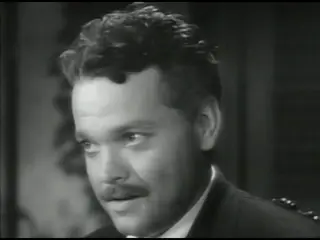
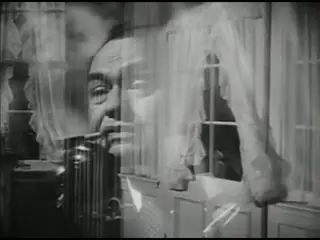
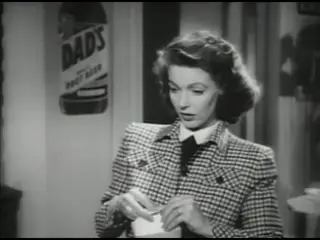
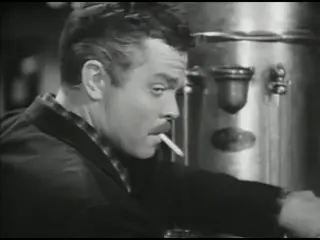
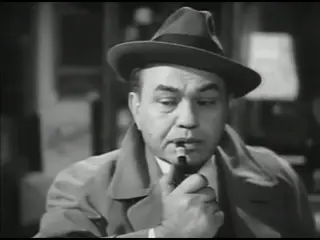
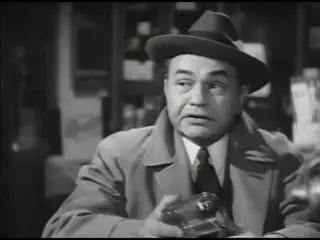
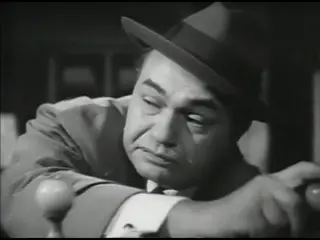
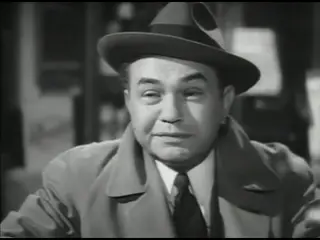
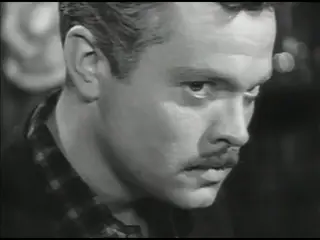
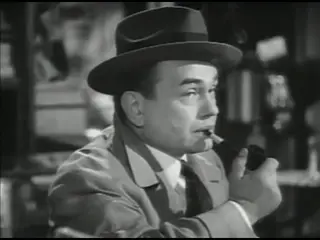
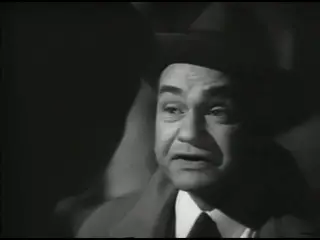
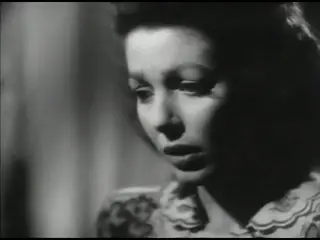
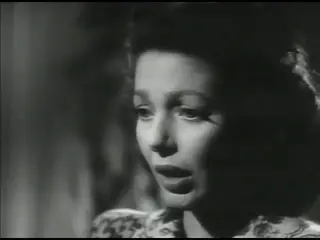
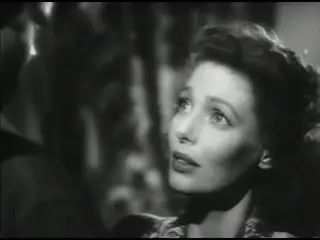
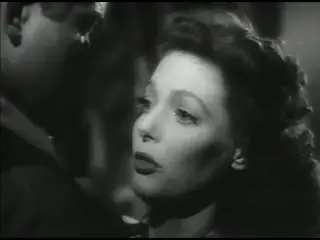
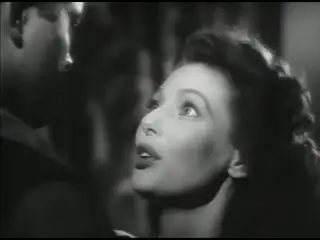
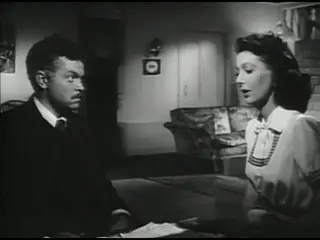
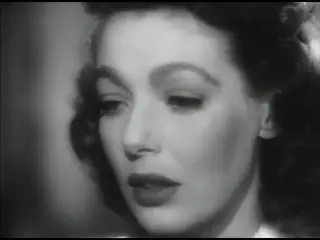
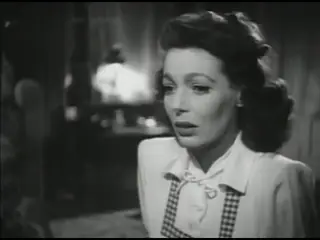
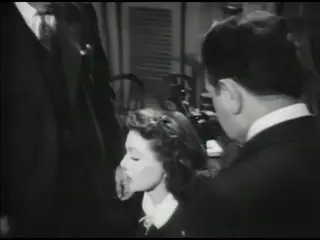
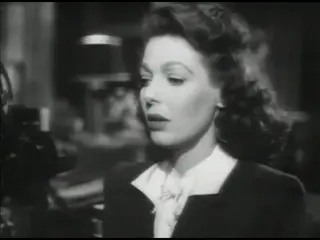
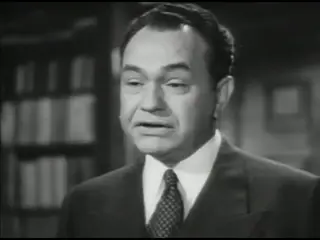
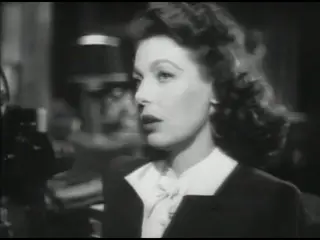
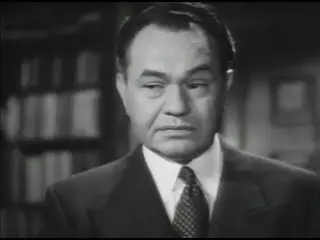
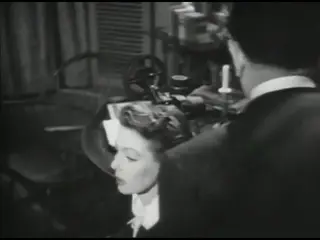
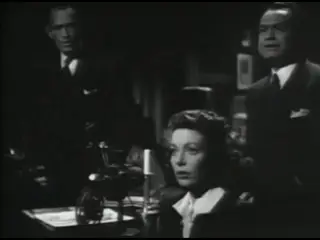
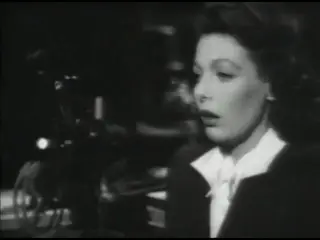
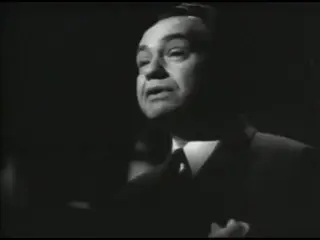
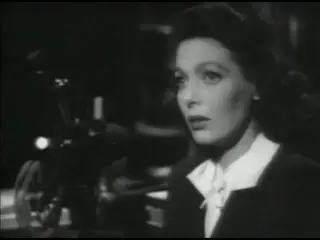
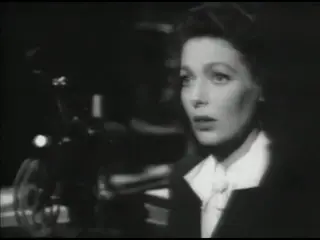
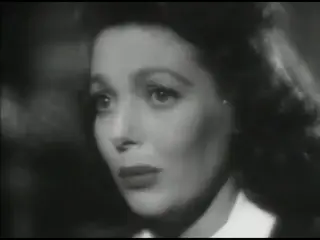
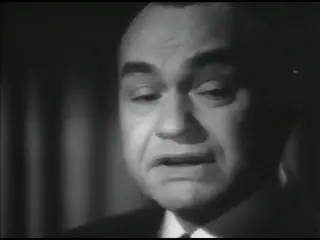
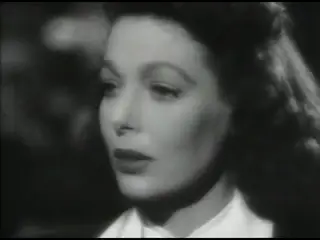
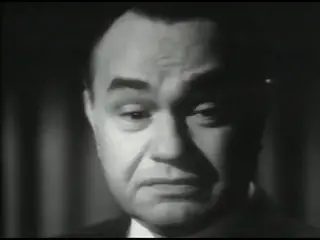
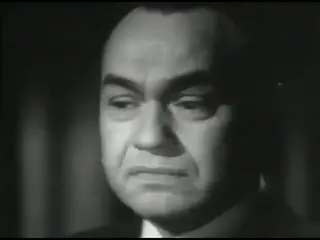
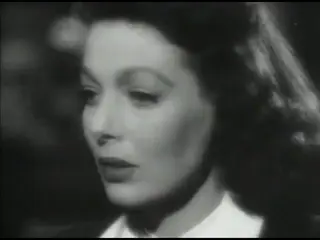
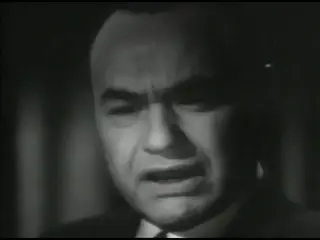
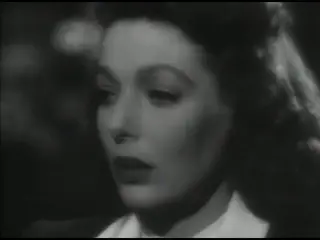
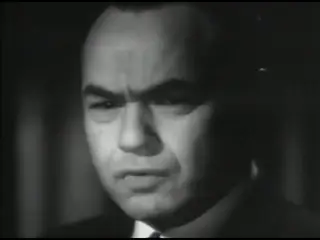
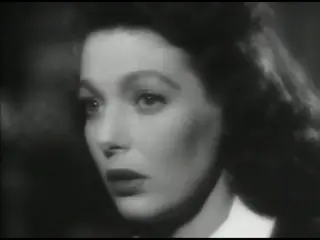
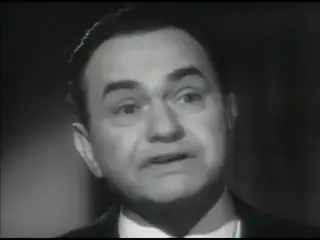
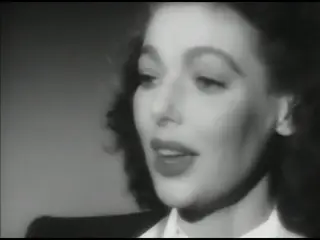
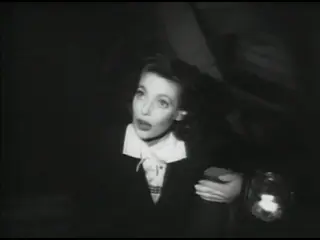
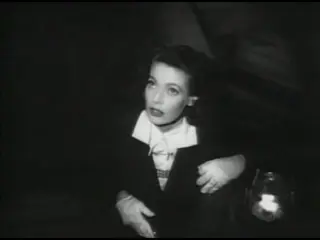
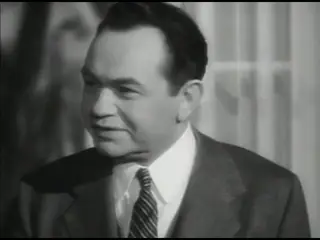
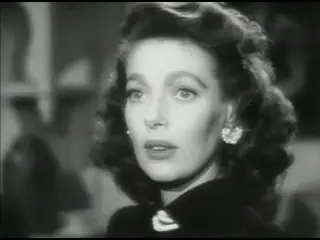
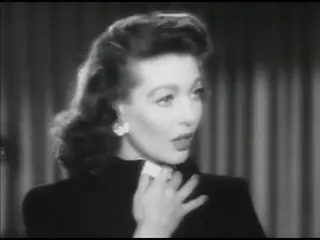
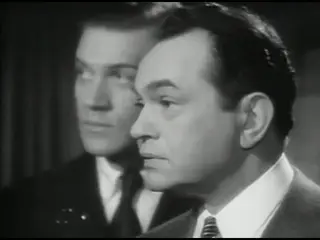
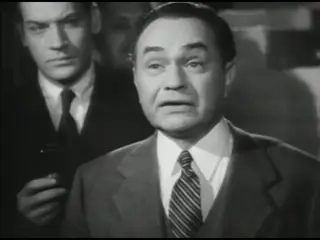
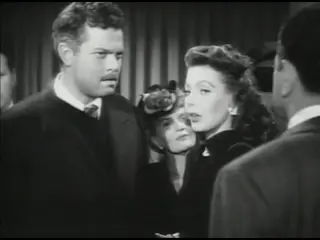
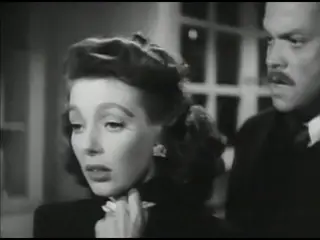
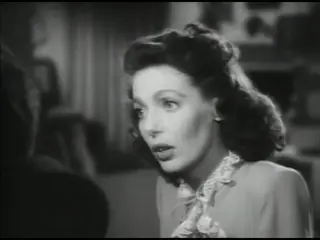
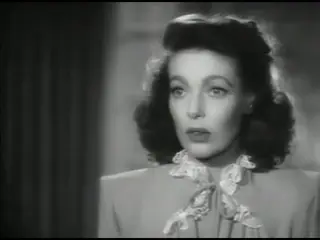
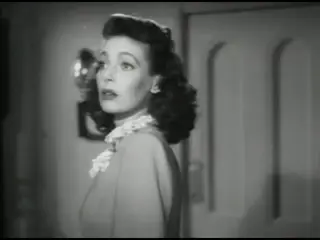
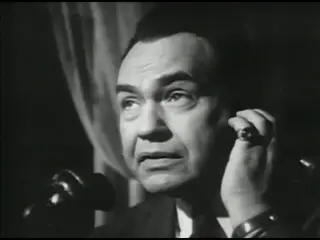
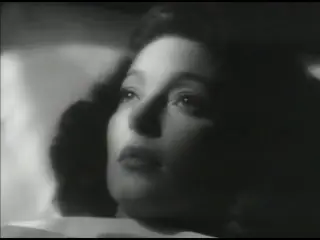
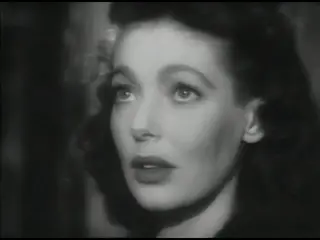
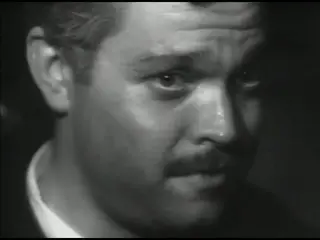
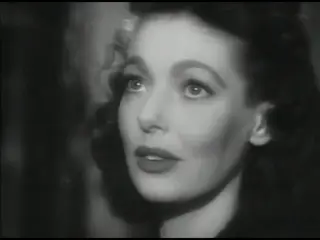
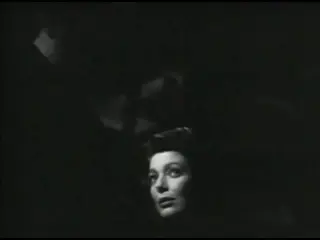
Orson Welles directed the film as an attempt to accommodate his methods to a more conventional studio production.8 He also plays Kindler.2 The pursuit of a fugitive gives the drama a readily legible shape. Edward G. Robinson’s investigator Wilson is charged with finding the man behind the teacher’s disguise.3 Loretta Young’s Mary gives that pursuit its most painful consequence.
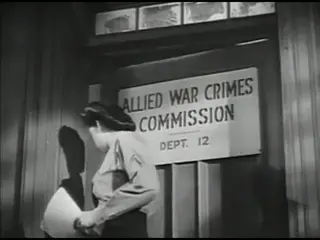
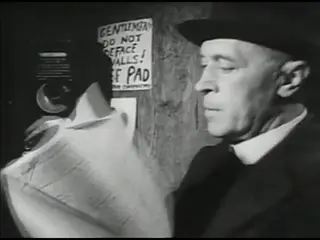
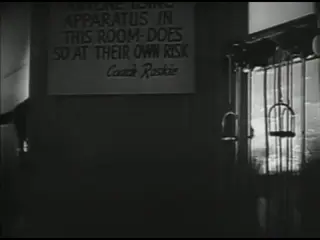
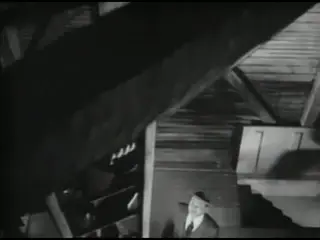
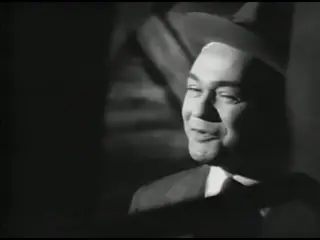
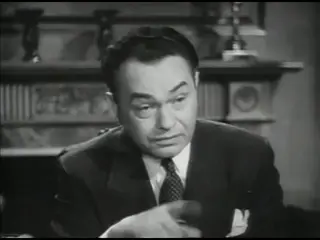
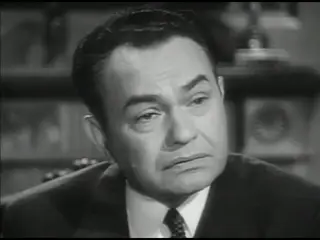
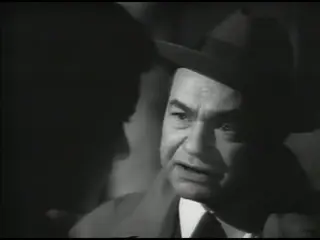
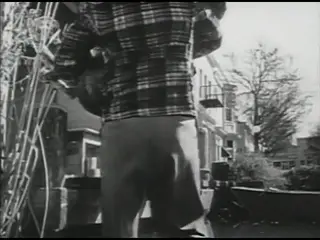
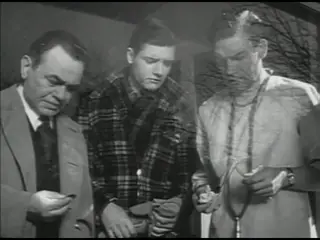
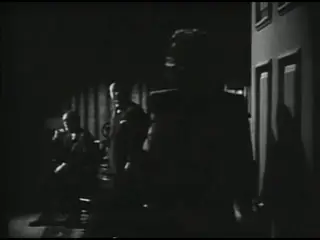
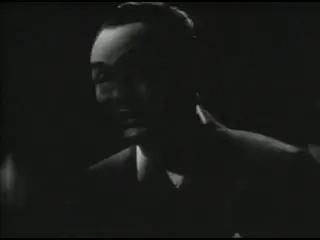
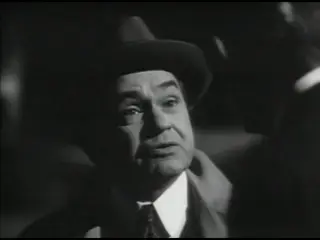
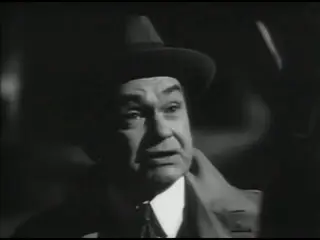
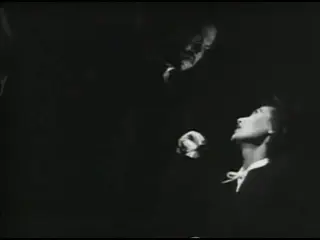
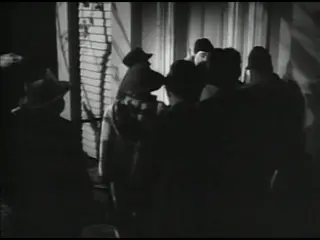
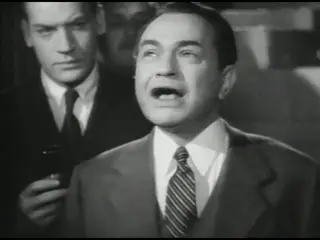
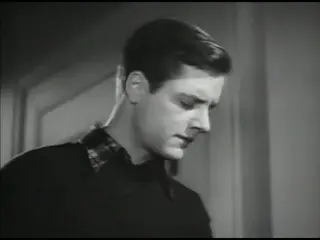
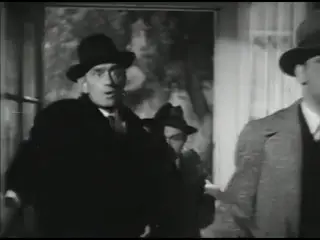
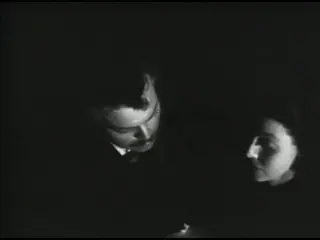
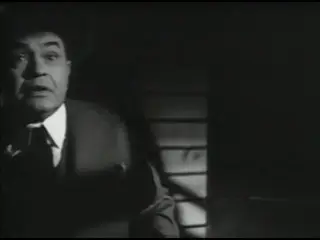
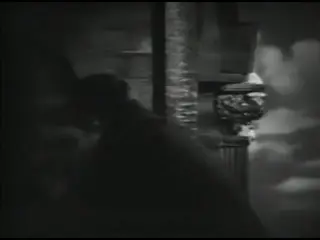
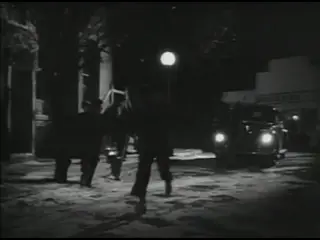
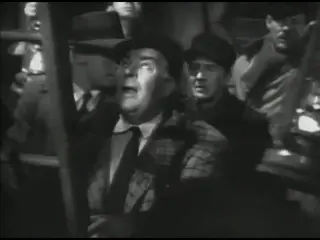
The hunt begins with an act that looks like a failure of custody. At 0:00, outside a door marked for the Allied War Crimes Commission, the instruction is “Leave the cell door open.” Wilson wants Kindler’s associate to escape so that he can follow him to his quarry.3 Before Connecticut appears, the film has established a method of reading another person’s apparently free action as evidence. Wilson cannot simply announce the truth and expect belief. He must make the hidden connection reveal itself, a procedure that becomes increasingly cruel when Mary is drawn into it.
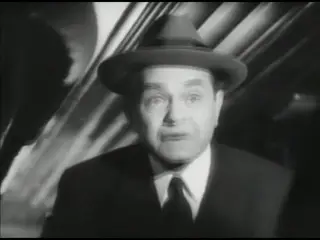
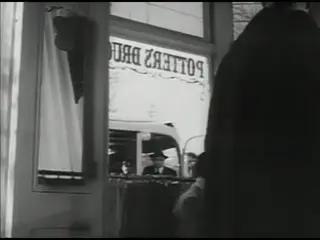
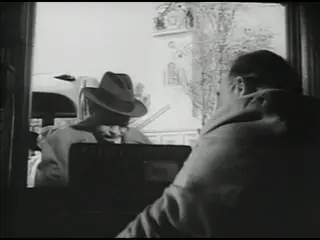
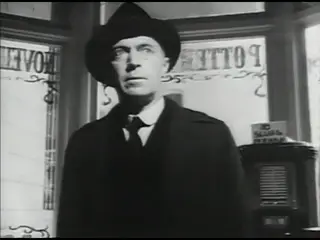
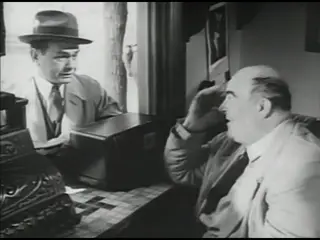
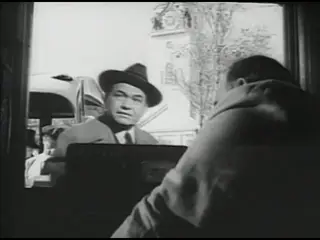
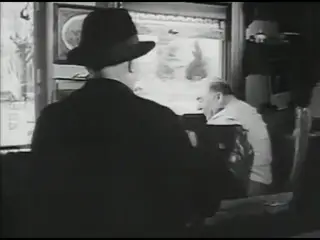
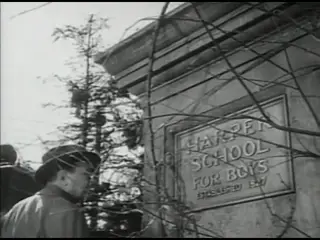
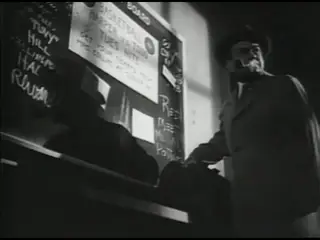
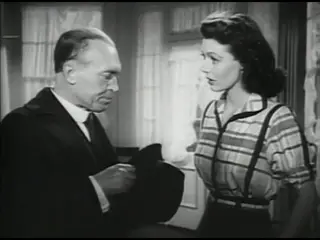
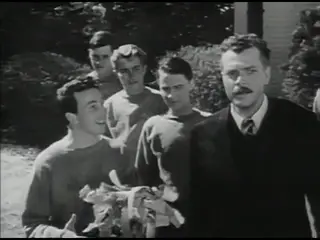
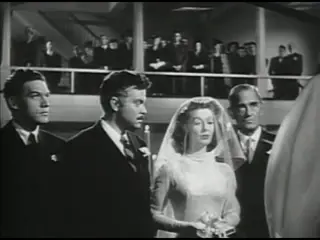
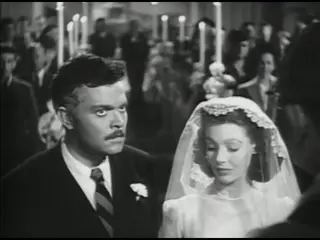
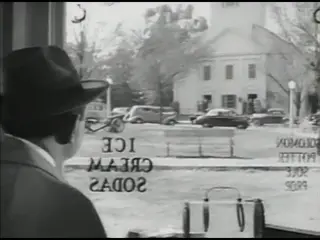
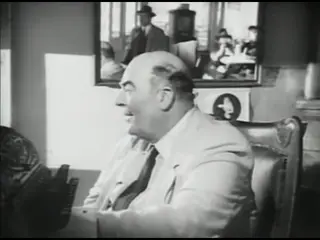
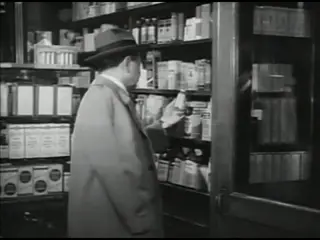
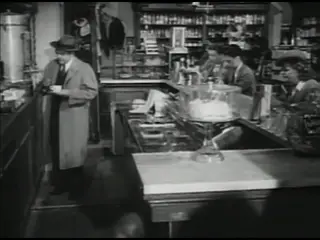
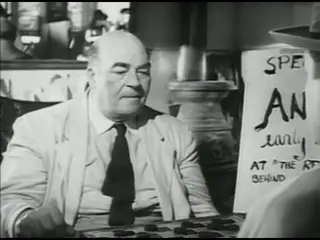
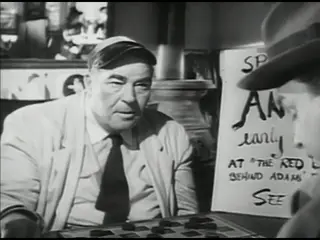
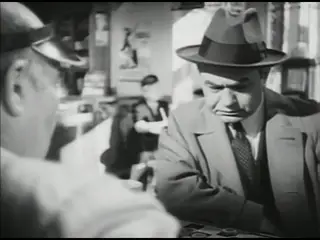
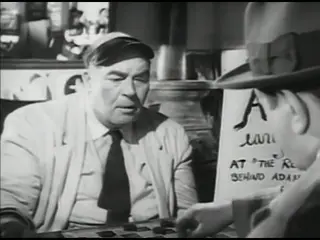
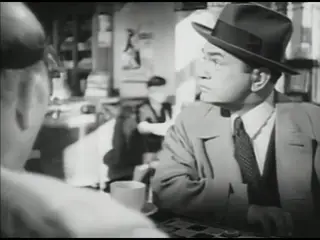
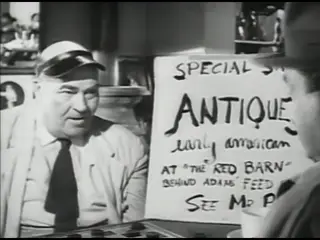
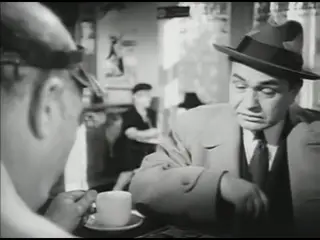
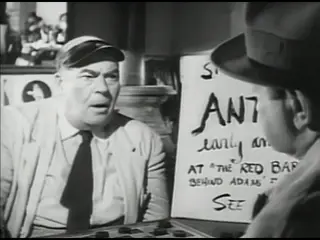
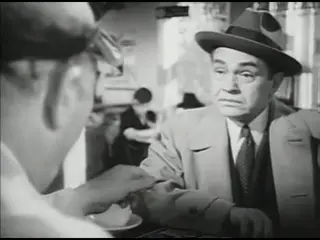
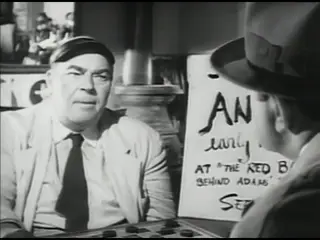
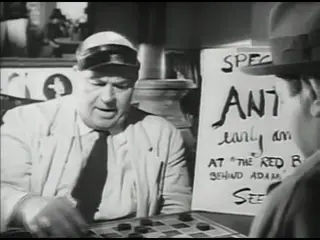
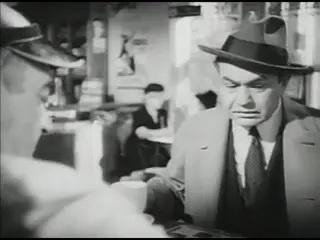
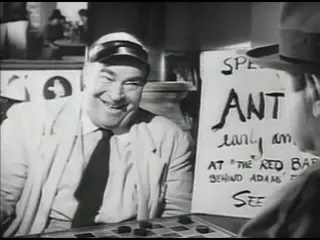
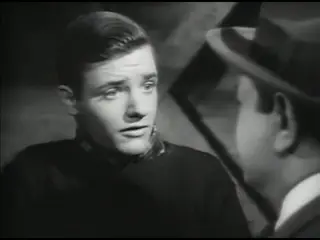
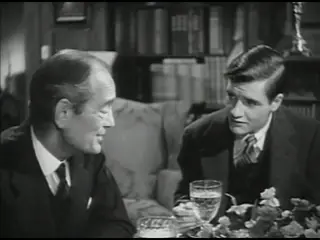
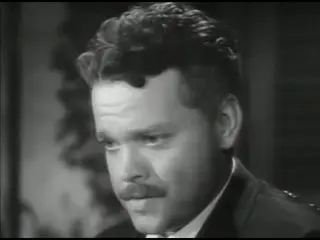
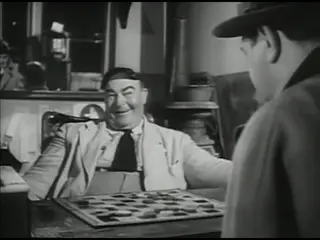
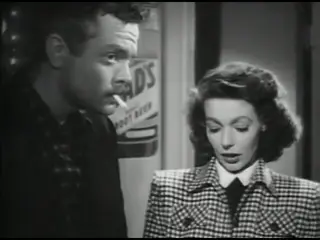
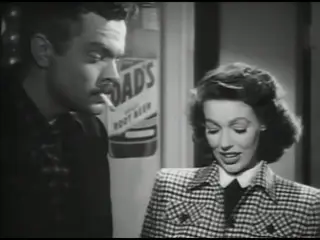
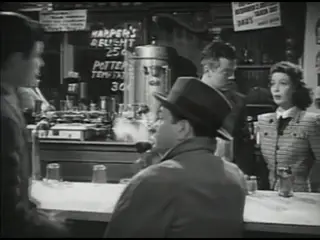
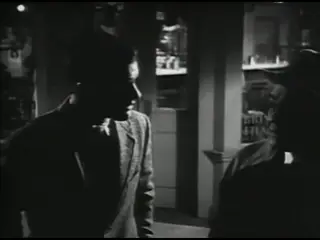
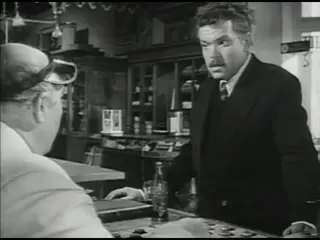
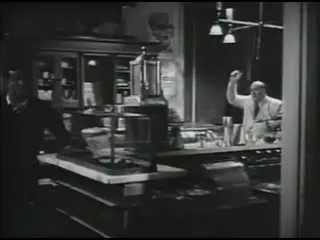
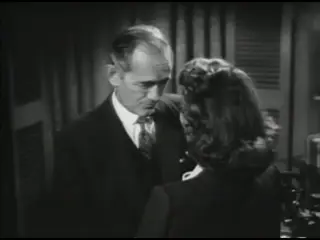
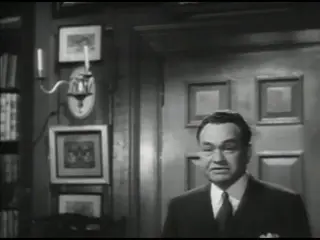
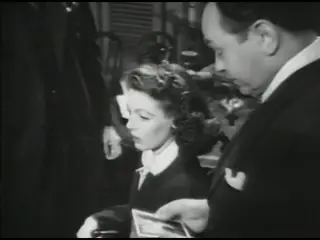
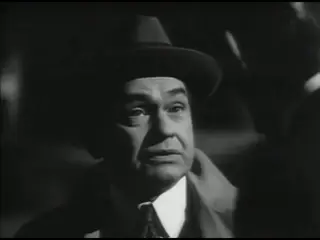
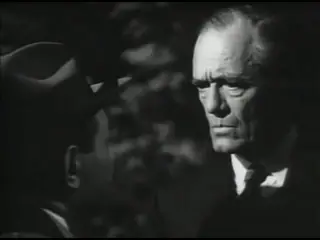
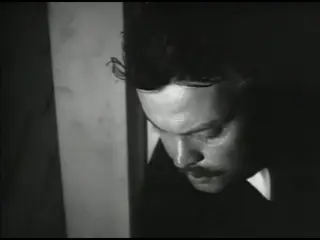
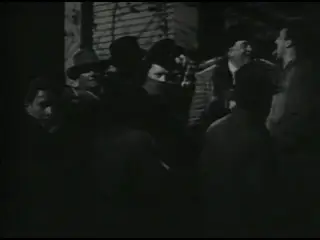
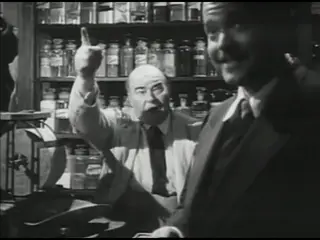
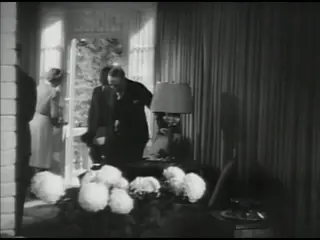
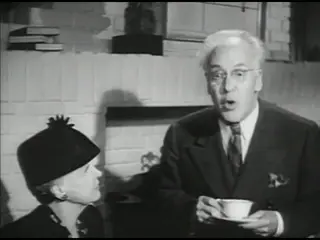
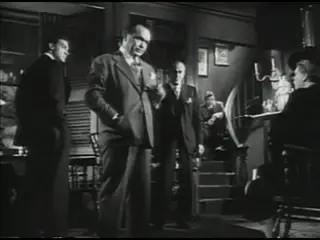
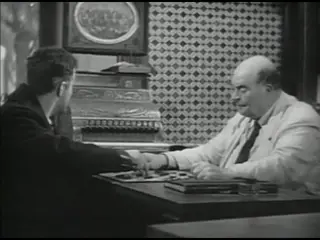
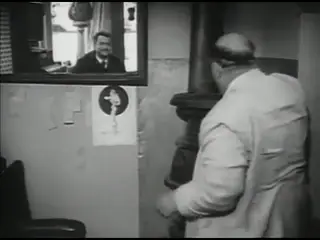
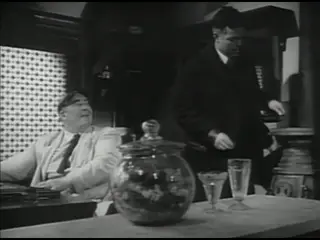
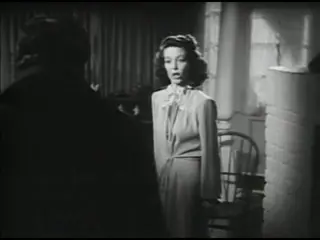
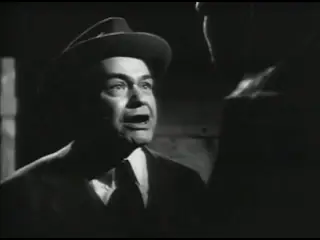
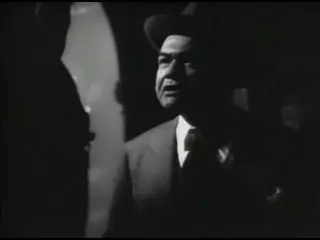
The town offers Kindler a disguise made less of anonymity than of recognition. At 20:49, a conversation at a counter turns on the assertion that its proprietor knows everyone. “Not just about,” comes the correction, followed by “Know everybody.” Such confidence is useful to a fugitive who has secured a place within the town’s social order. Mary is the daughter of a Supreme Court justice.3 Becoming her husband places Rankin within an apparently unimpeachable family. Yet the same intimacy makes deviations visible. Wilson begins using the habits of observation of a community that believes it has nothing to discover about itself.
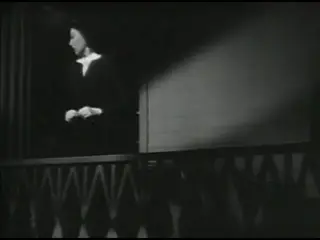
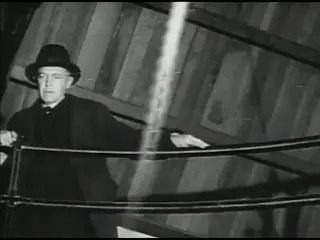
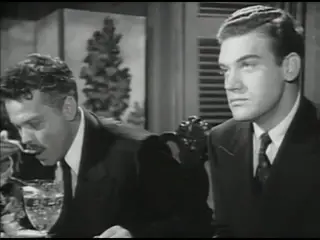
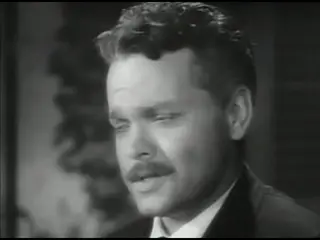
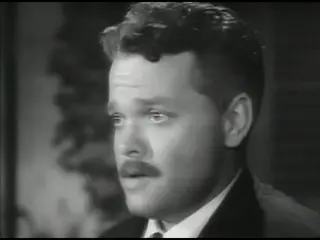
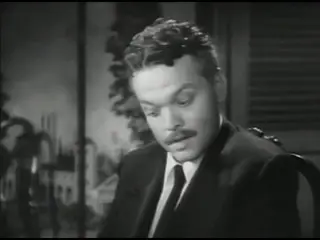
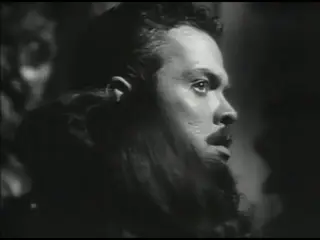
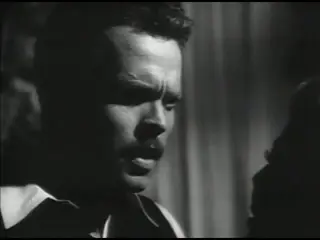
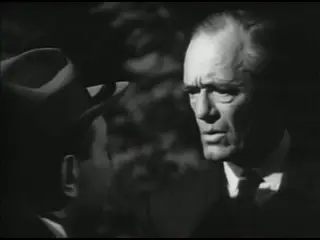
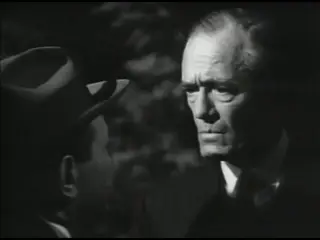
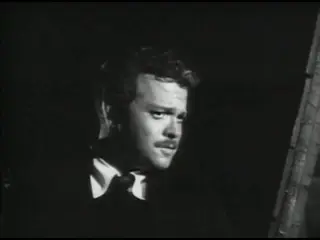
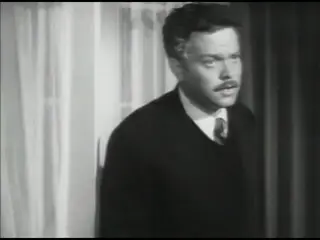
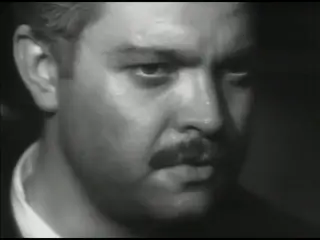
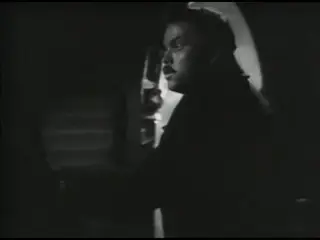
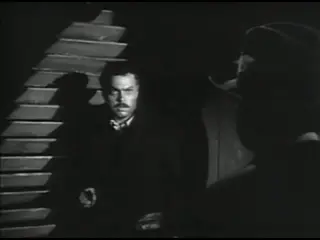
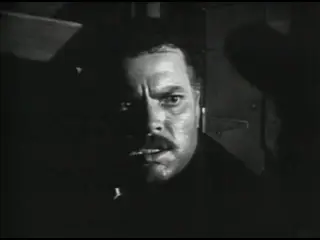
Kindler’s danger lies partly in his inability to remain the modest figure his disguise demands. At 29:50, the talk of German ideology becomes an elaborate account of a national dream: “The German’s dream world comes alive, and he takes his place in shining armor beneath the banners of the...” The speech gives intellectual fluency an unstable function. What might pass as a teacher’s command of his subject also sounds like an imagination too thoroughly inhabited. The performer’s appetite for authority threatens the concealment on which his life depends.
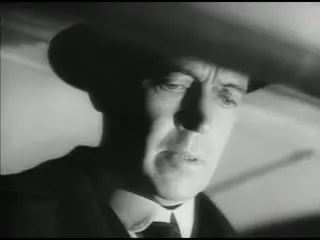
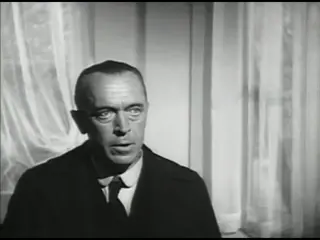
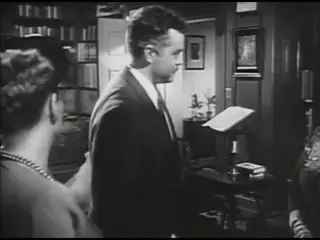
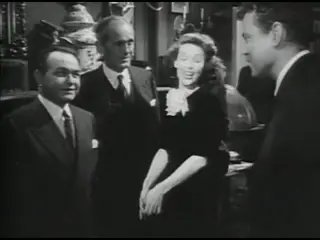
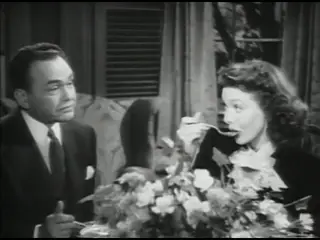
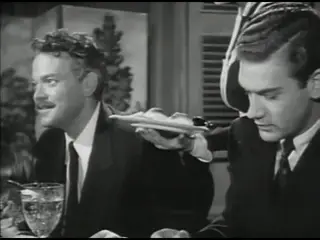
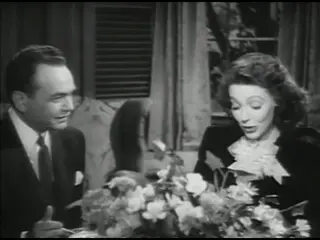
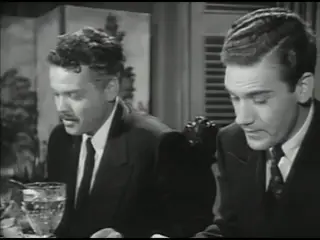
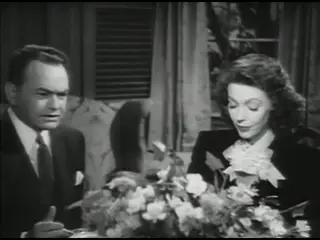
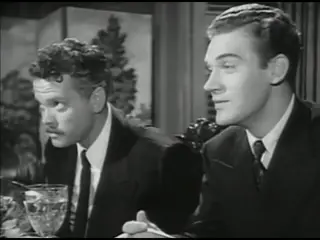
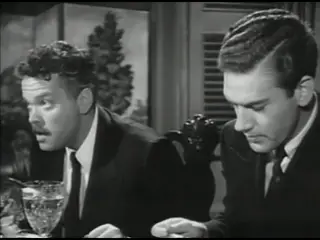
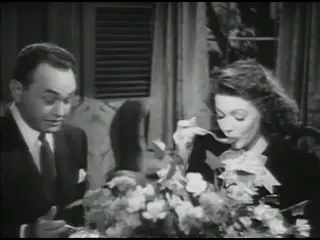
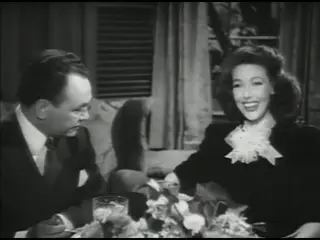
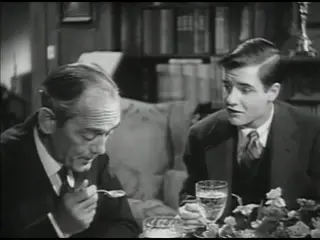
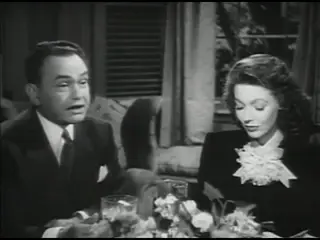
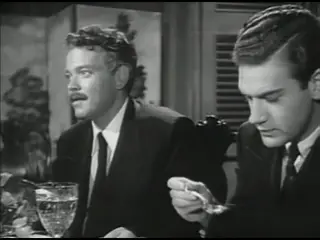
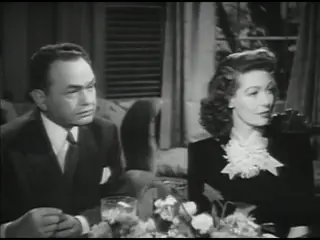
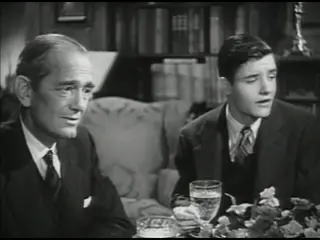
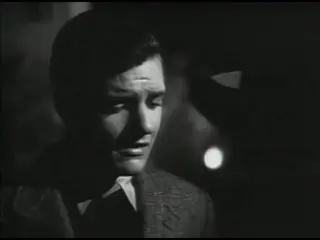
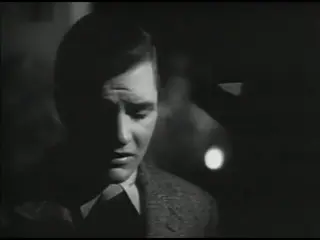
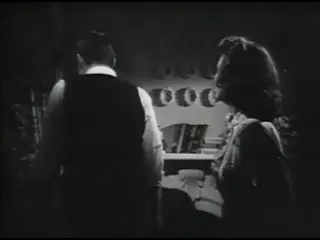
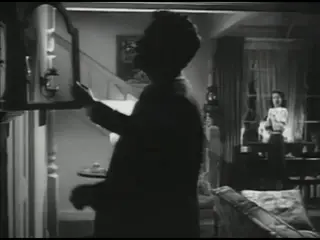
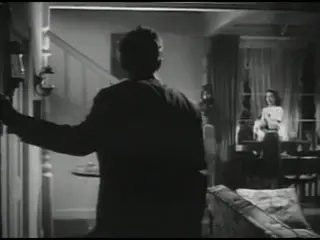
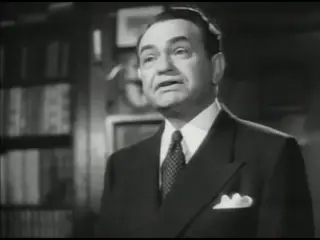
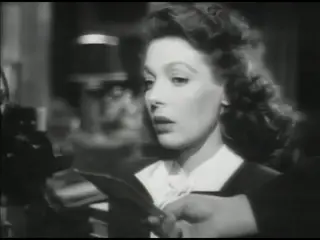
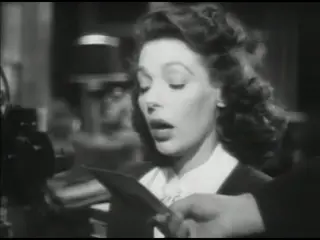
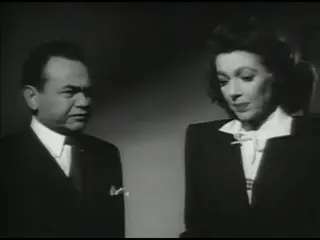
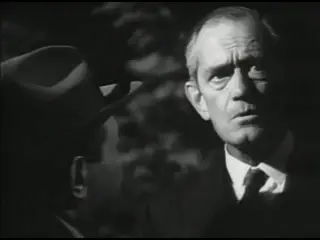
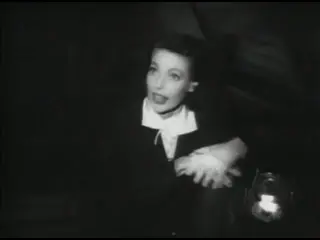
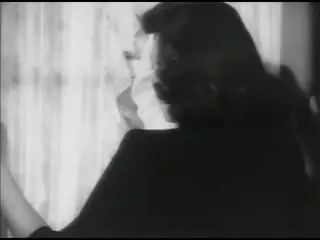
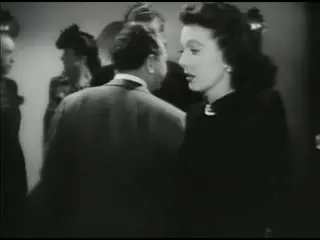
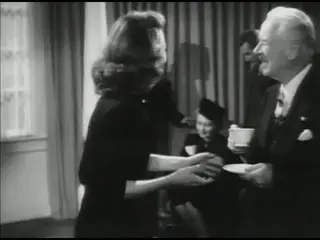
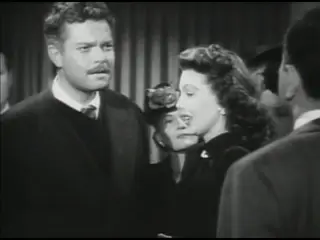
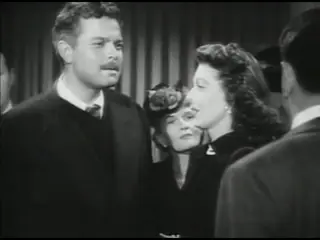
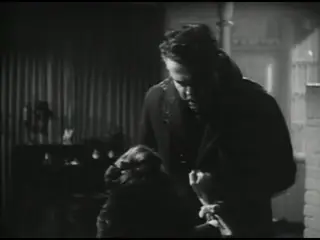
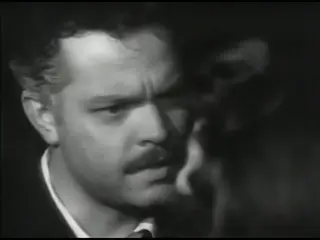
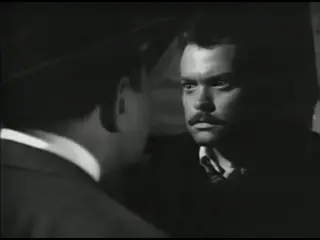
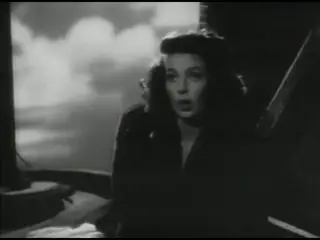
At 1:08:31, drawing-room conversation has itself become an instrument of pressure. Rankin arrives among guests trying to recall an Emerson quotation: “Commit a crime and the earth is made of glass.” An ordinary social exchange acquires the force of an accusation. Rankin has to respond as a husband and acquaintance while listening for how much the others know. The glass image describes the film’s movement towards exposure. It also catches Mary’s predicament: the domestic world she trusted is becoming transparent without becoming any easier to inhabit.
The film received mostly favourable reviews on release.7 Its standing among Welles admirers was subsequently diminished in part by the director’s own disparaging assessment.7 Its later circulation followed a different logic from that argument over authorship. Numerous labels have issued it for home viewing.9 Availability did not depend on a settled critical reputation. La Cinémathèque française is restoring the film in collaboration with the Library of Congress.9 The 4K restoration is to be celebrated at Cannes as the film marks its eightieth anniversary.10
The record: Registration LP409 by Haig Corp is dated 27 June 1946. The registry found no renewal in the renewal volumes for 1973 to 1975, nor in the Copyright Office's records from 1978 on; on that reading the term ended on 31 December 1974 and the film has been free in the US since 1 January 1975. The record does not settle the rights status of every later edition or restoration.
Written 6 September 2026 by gpt-6-astra from the registry record, the atlas's own evidence and the sources below, gathered by Qwen/Qwen3.8-Max with web search and questioned by deepseek-ai/DeepSeek-V4-Pro. Numbered notes are the sources; a claim marked unverified has no source yet; times open the atlas at that second. How these are made and checked.
- catalog.afi.com https://catalog.afi.com/Film/24989-THE-STRANGER?cxt=topsearches
- catalog.afi.com https://catalog.afi.com/Person/119503-Orson-Welles
- en.wikipedia.org https://en.wikipedia.org/wiki/The_Stranger_(1946_film)
- tcm.com https://www.tcm.com/articles/12688/the-stranger-1946
- orsonwelles.org https://www.orsonwelles.org/2012/09/the-stranger.html
- publicdomainmovies.info https://publicdomainmovies.info/stranger-1946-orson-wells-directs-edward-g-robinson/
- wellesnet.com https://wellesnet.com/stranger-turns-75/
- wellesnet.com https://www.wellesnet.com/stranger%20index.htm
- wellesnet.com https://wellesnet.com/stranger-restoration-80/
- wellesnet.com https://wellesnet.com/stranger-cannes/
 1:05
1:05
 Abilene Town
  Till the Clouds Roll By
  Whistle Stop
  Heartbeat
  Love Affair
  Penny Serenade
  Boys of the City