Frank Sinatra’s hired gunman turns a family home into an assassination post, in a thriller later overshadowed by disputed accounts of its withdrawal.
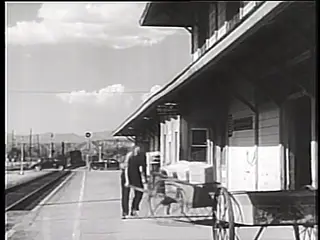
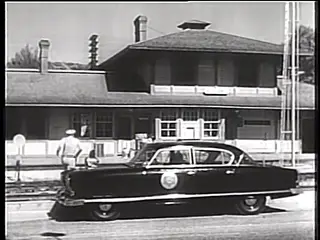
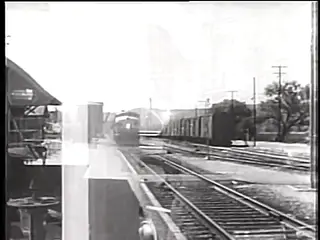
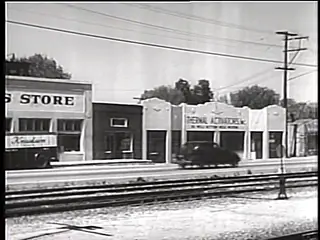
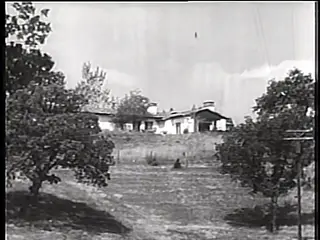
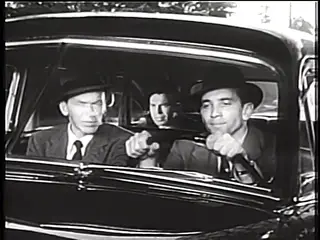
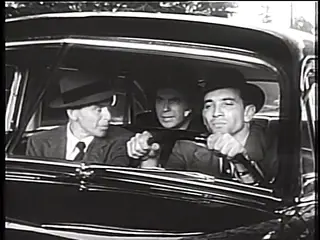
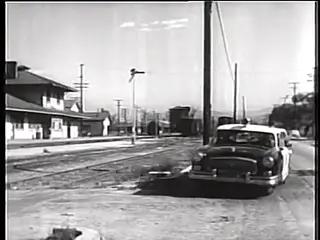
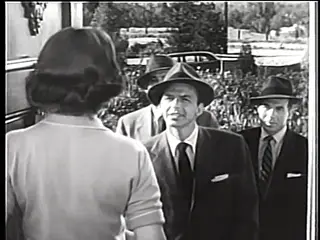
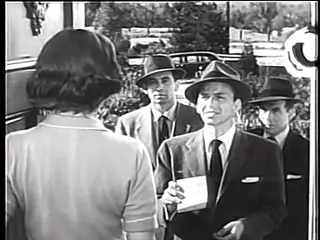
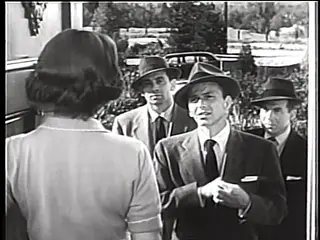
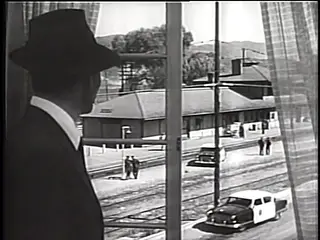
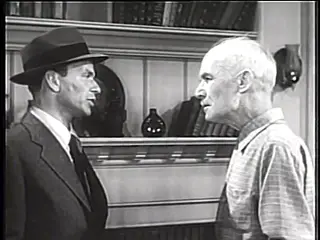
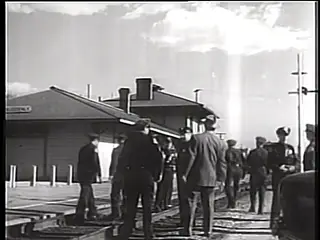
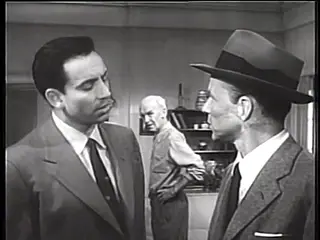
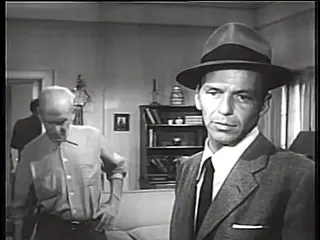
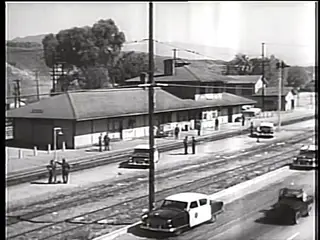
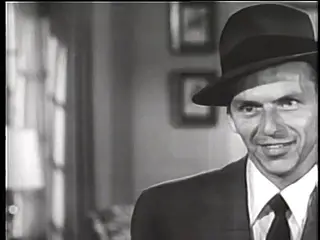
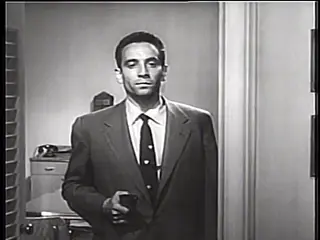
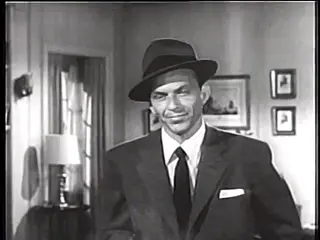
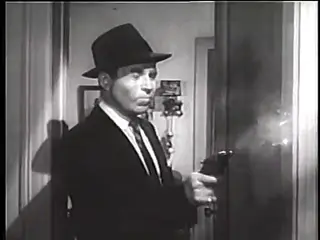
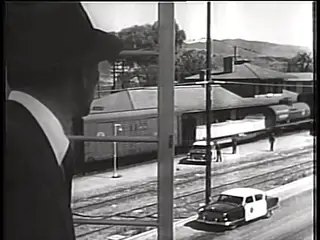
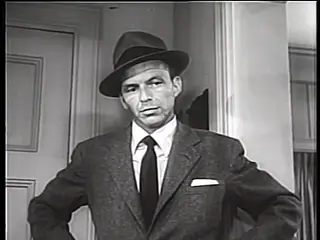
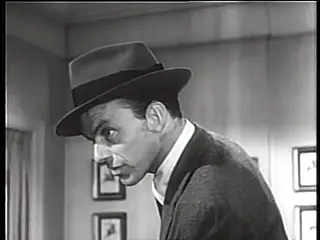
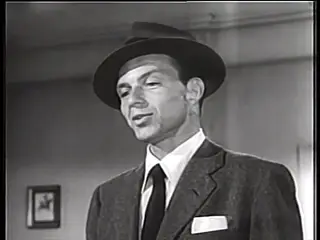
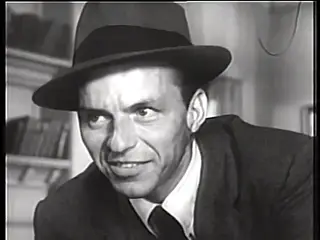
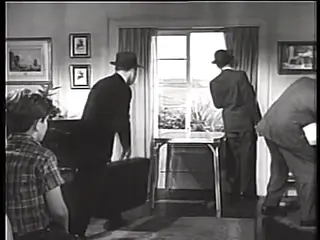
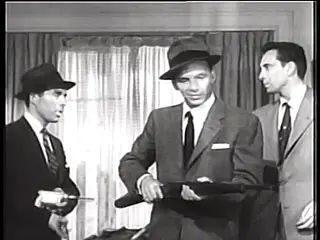
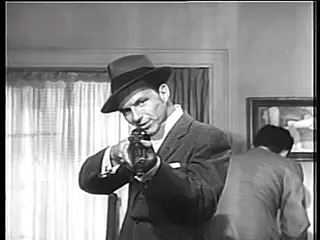
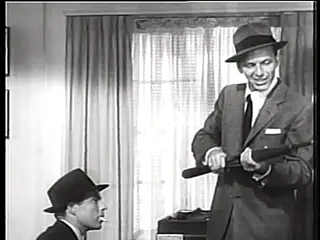
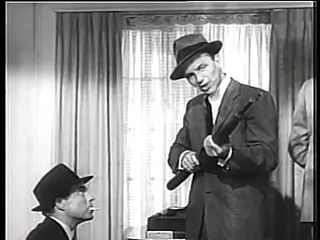
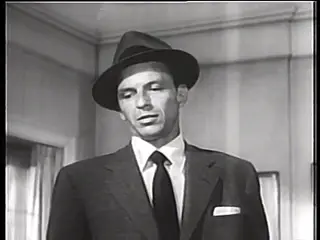
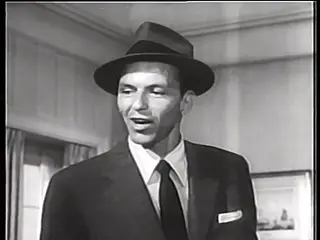
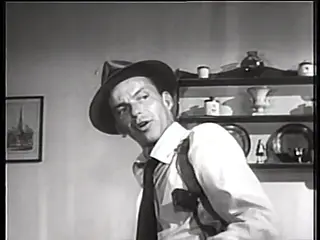
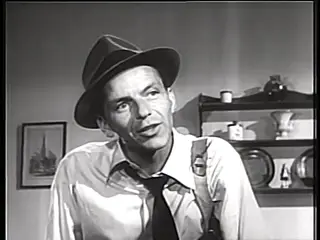
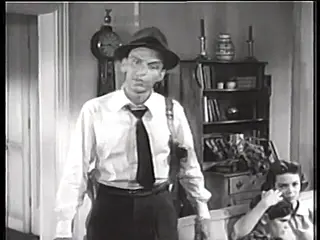
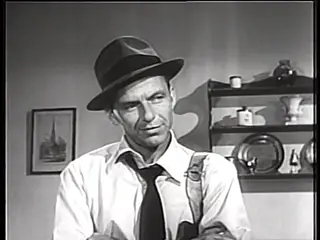
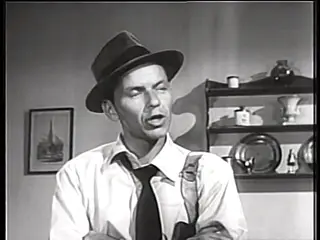
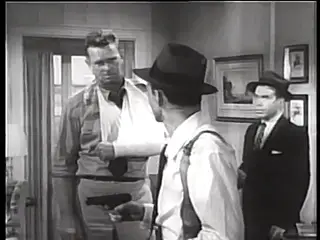
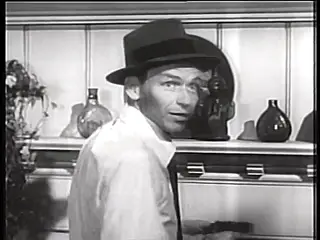
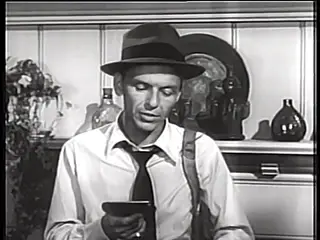
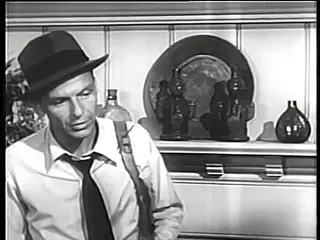
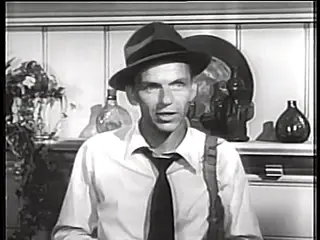
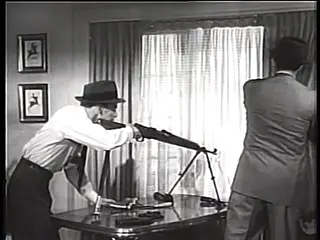
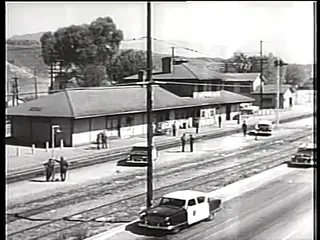
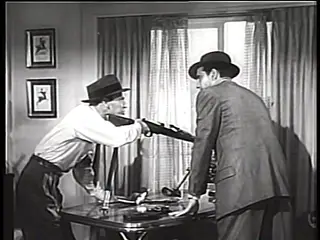
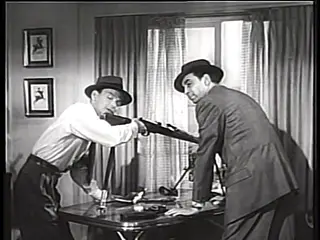
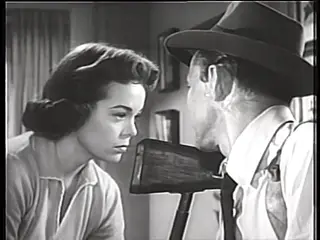
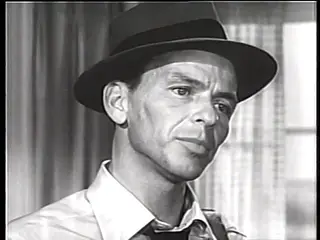
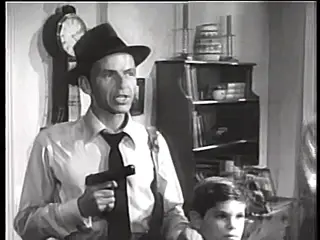
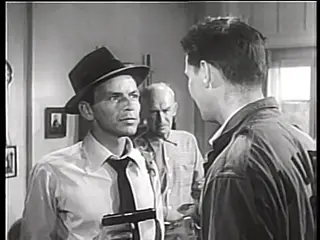
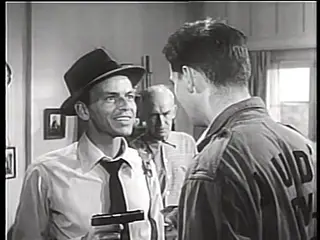
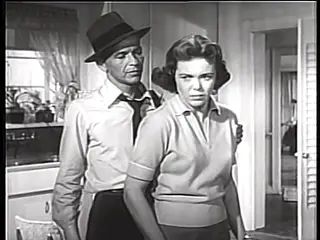
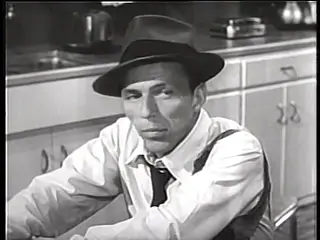
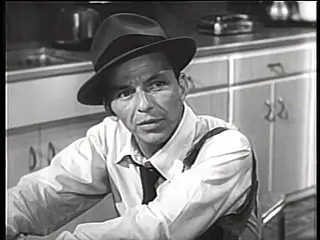
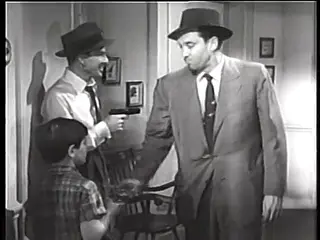
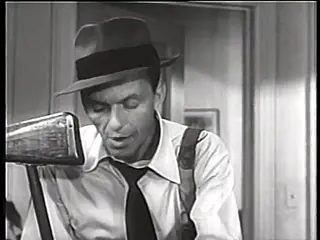
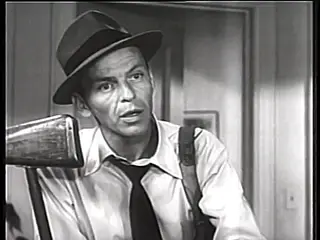
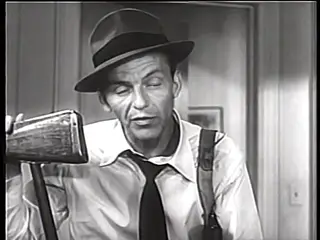
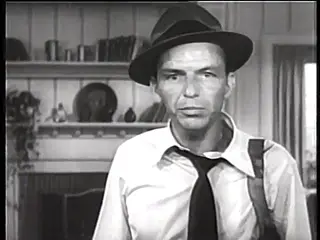
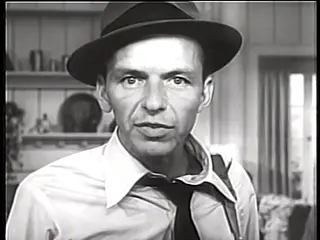
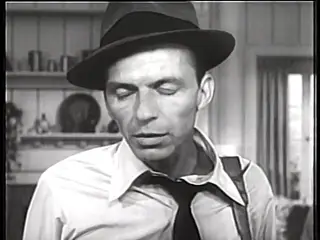
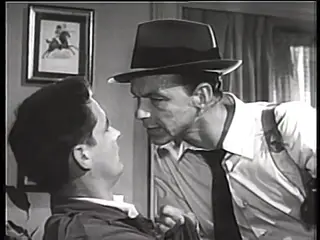
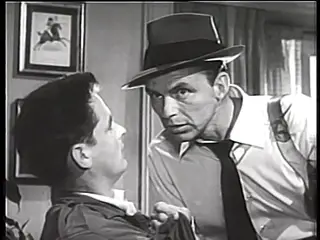
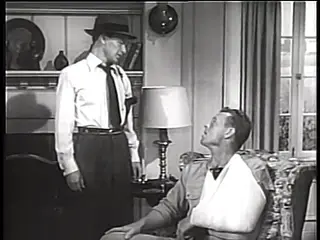
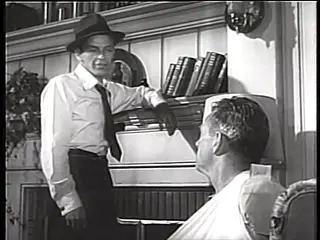
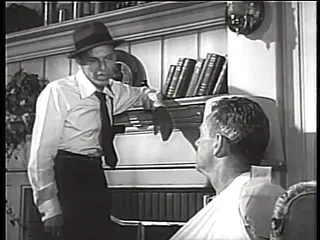
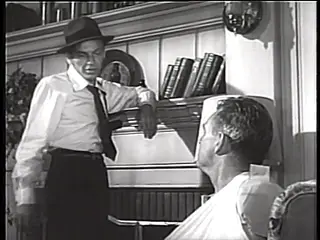
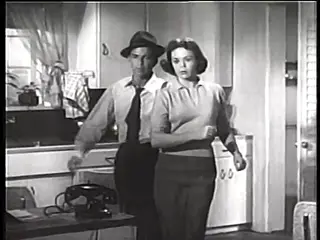
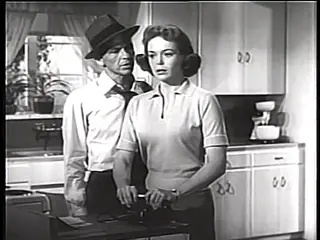
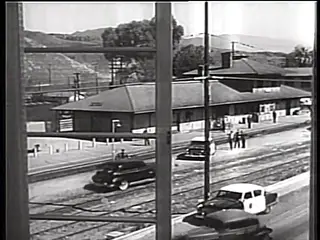
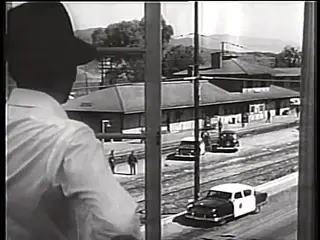
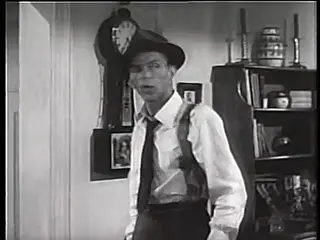
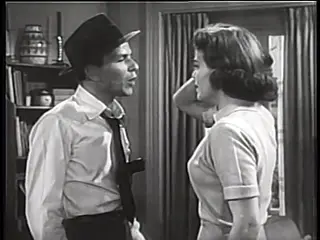
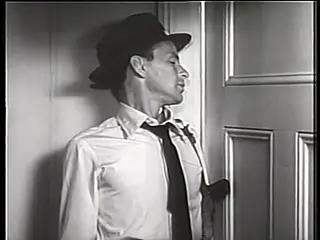
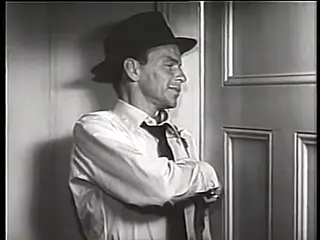
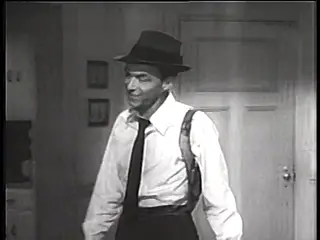
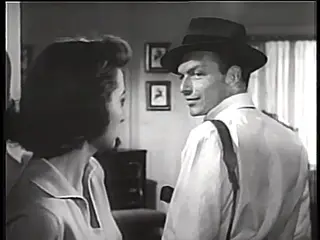
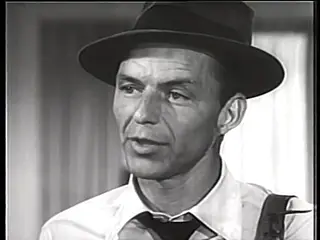
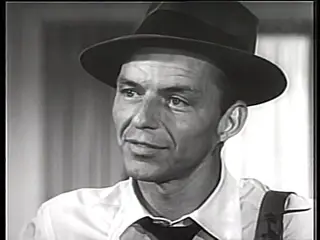
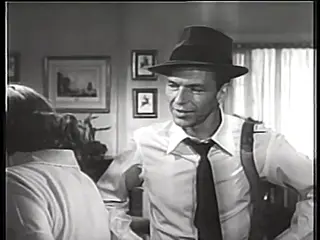
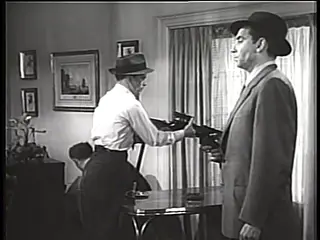
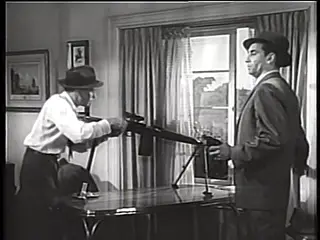
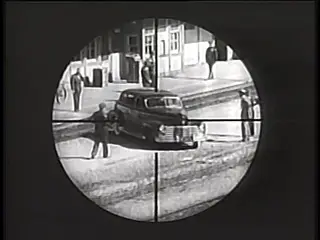
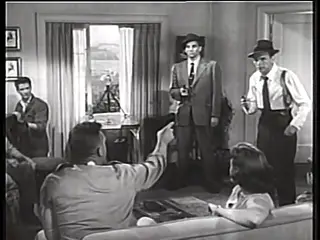
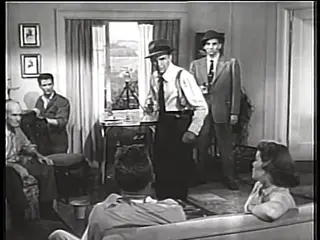
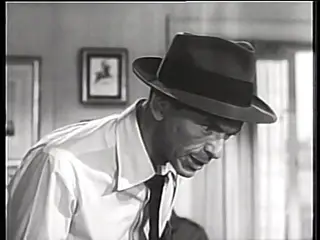
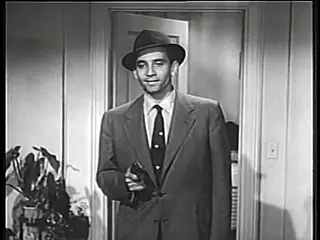
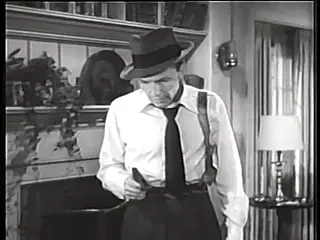
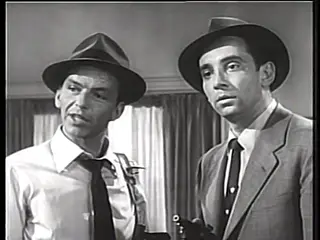
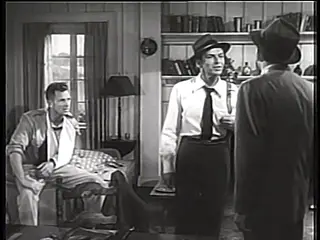
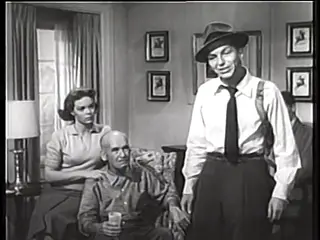
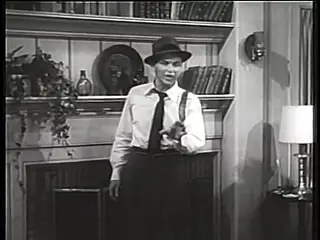
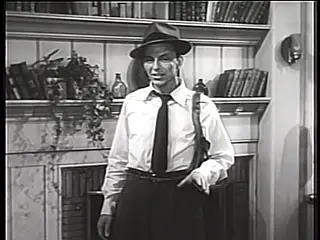
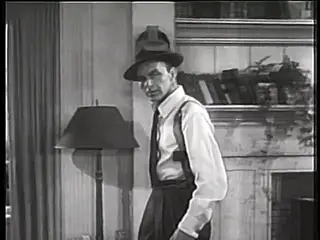
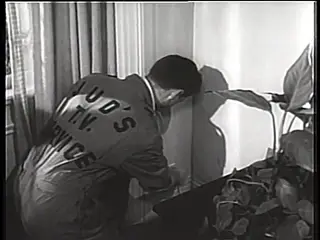
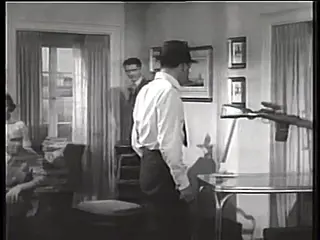
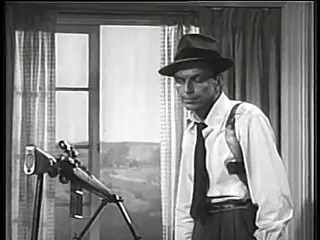
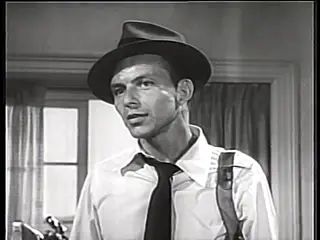
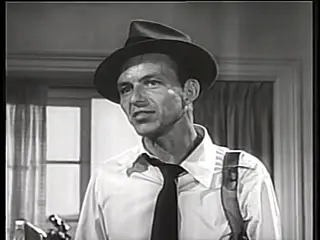
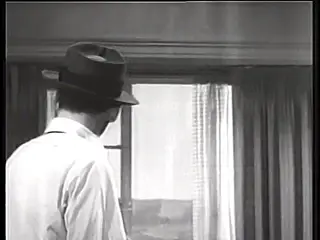
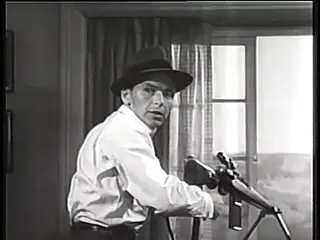
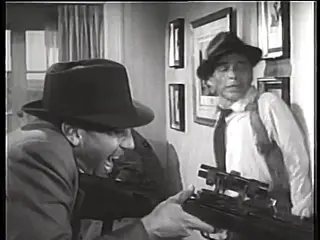
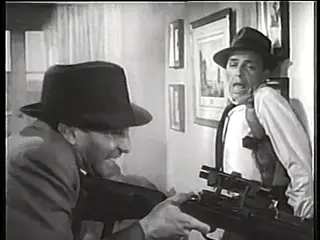
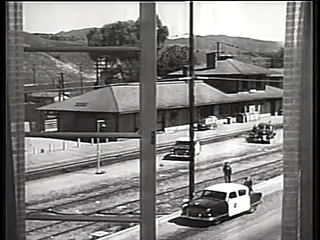
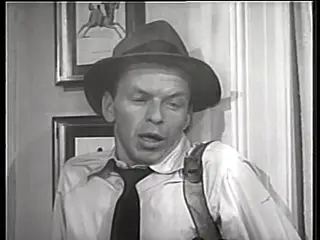
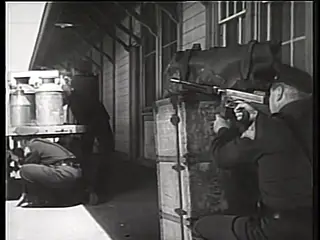
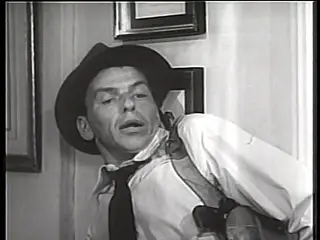
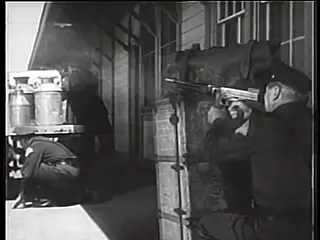
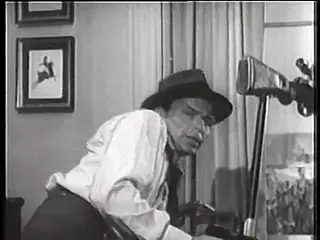
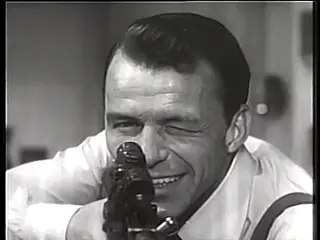
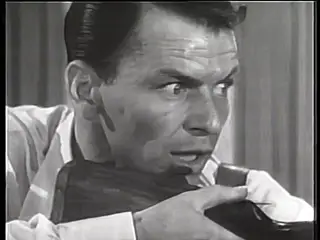
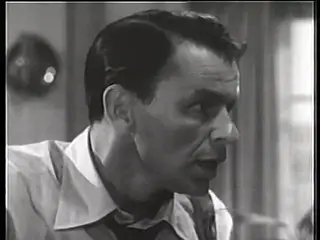
The gunmen in Suddenly first demand obedience in the name of the government whose President they intend to kill. Their impersonation of federal agents makes the household’s predicament more disturbing than a straightforward invasion: the family must recognise when official instructions have become threats. Frank Sinatra plays John Baron, the leader of three hired assassins who occupy a house overlooking the railway station where the President is expected. The target remains at a distance. The people between Baron and his rifle’s line of fire become the substance of the drama.
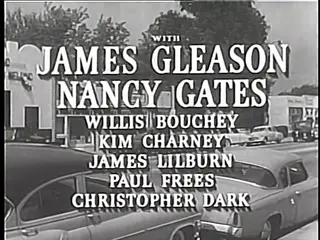
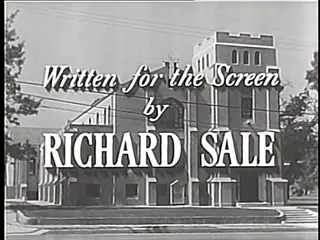
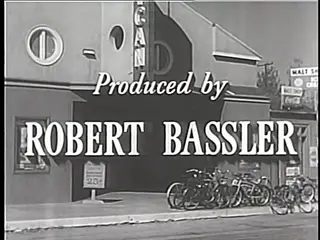
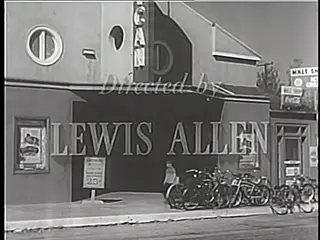
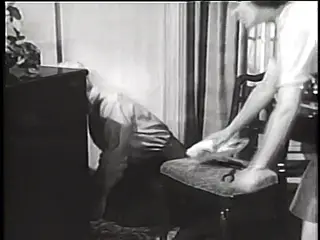
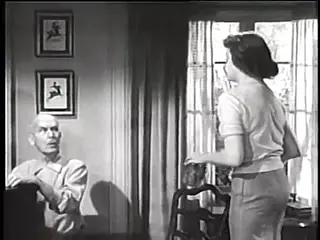
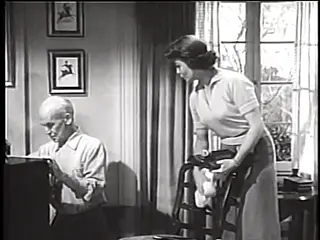
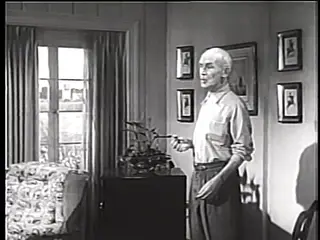
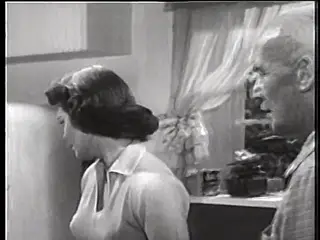
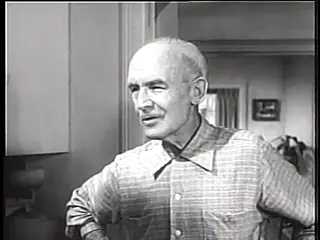
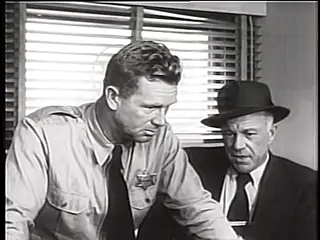
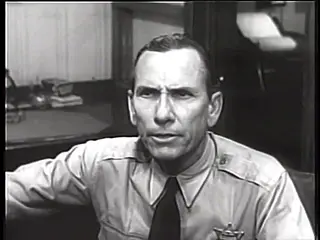
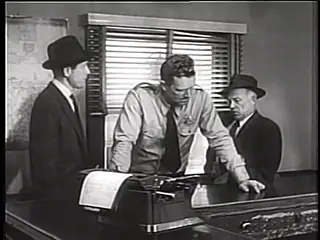
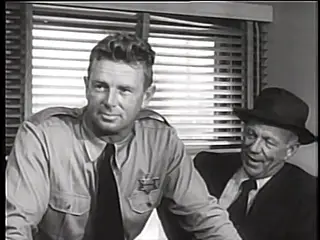
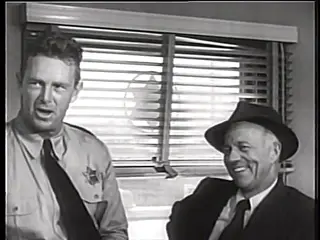
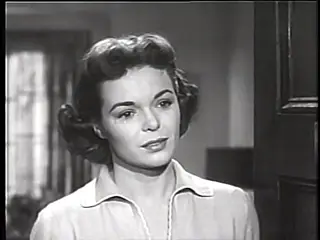
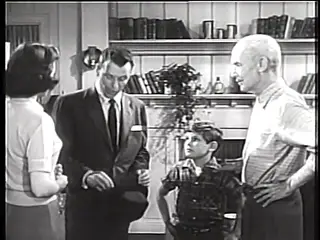
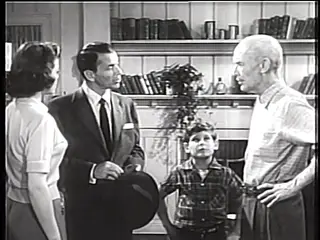
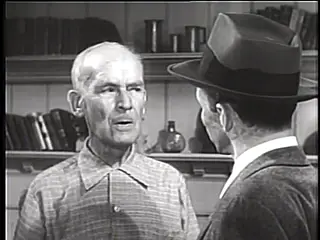
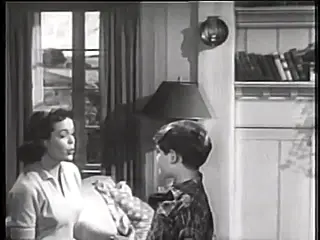
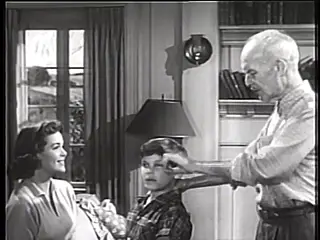
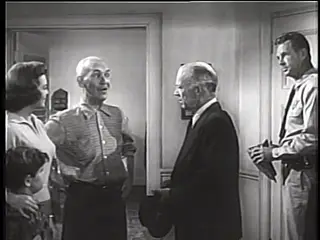
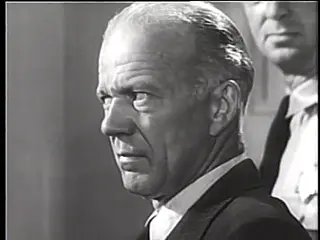
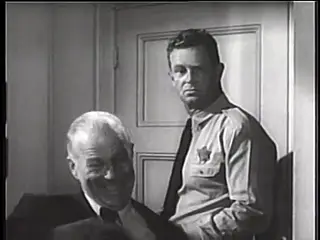
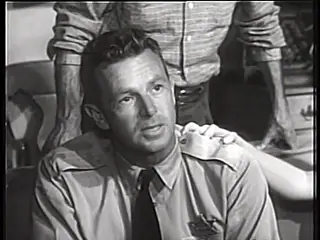
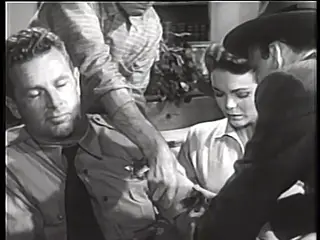
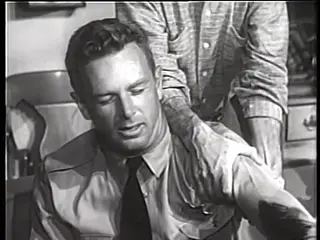
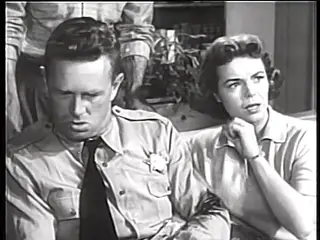
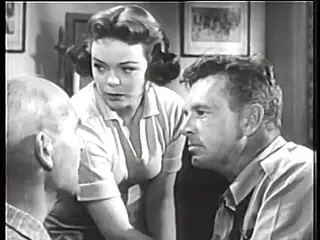
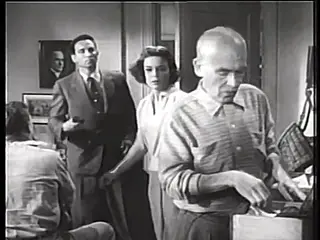
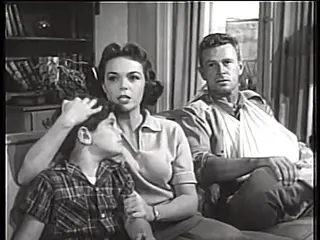
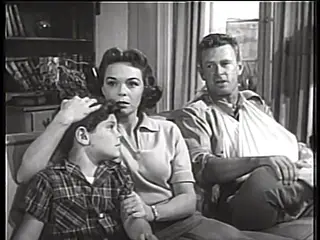
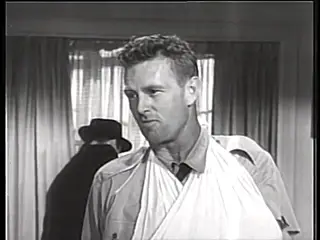
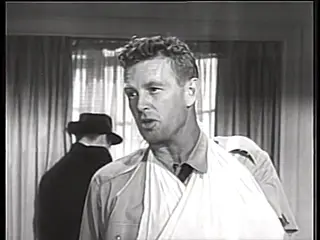
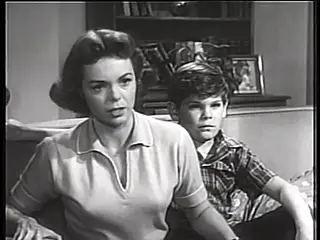
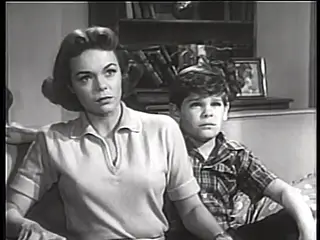
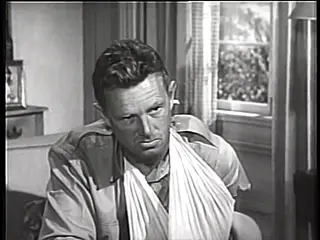
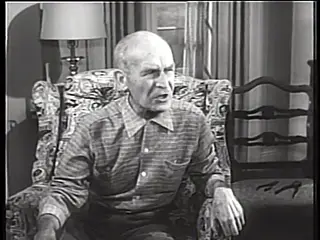
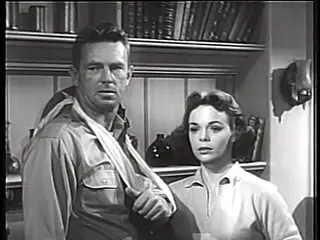
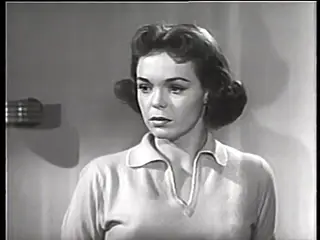
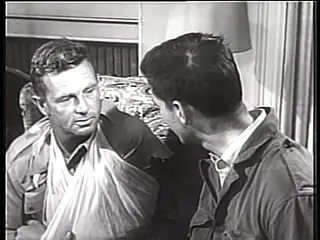
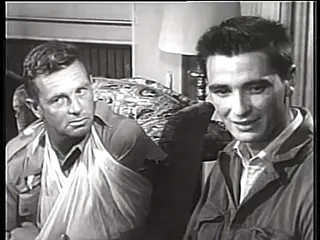
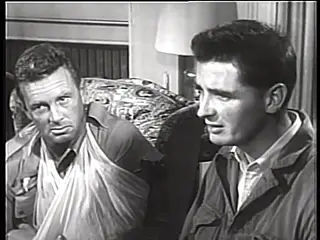
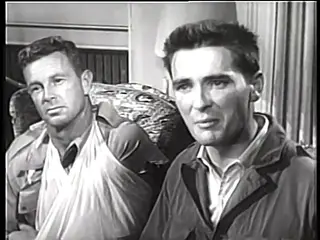
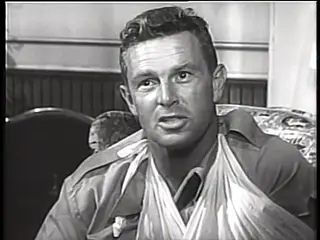
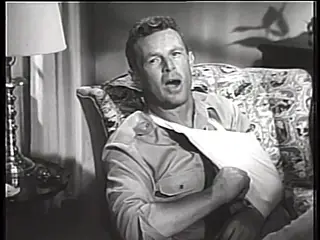
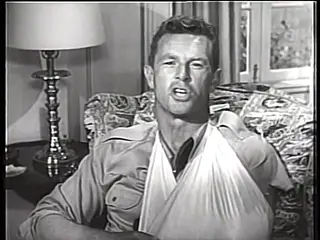
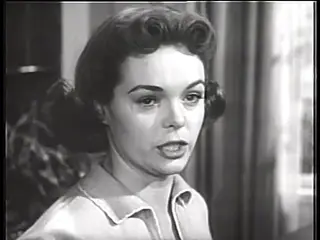
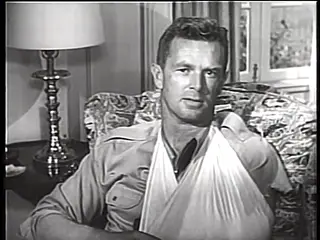
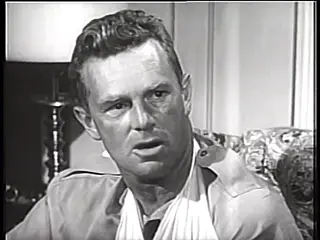
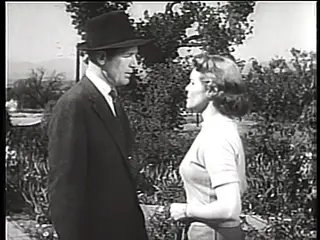
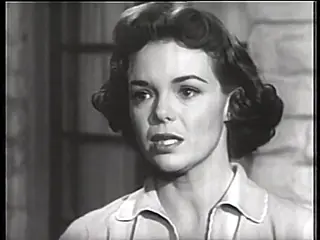
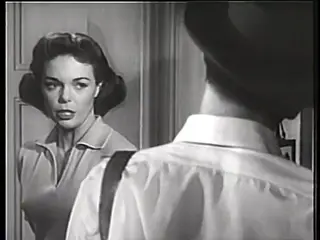
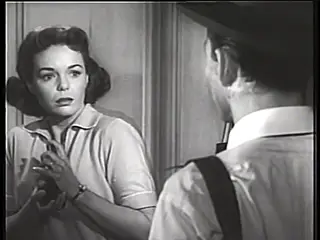
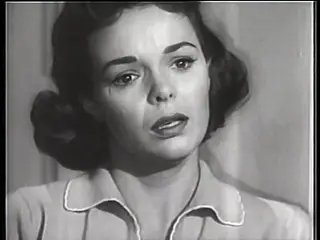
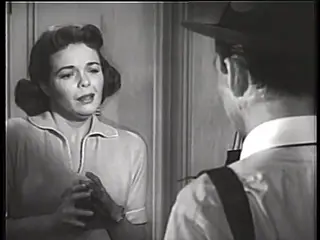
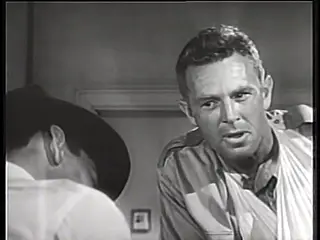
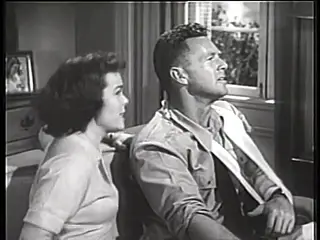
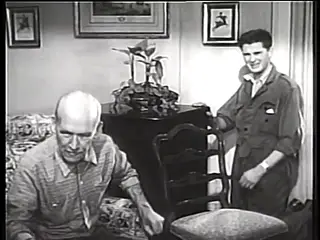
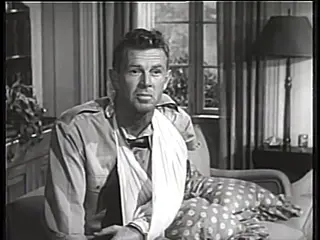
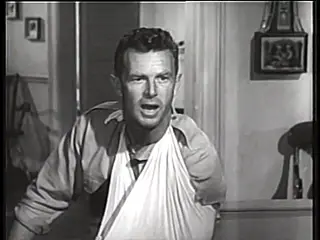
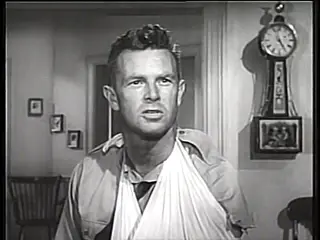
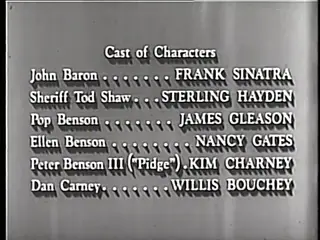
Lewis Allen directed the film.1 Richard Sale’s screenplay was based on his short story “Active Duty,” published in Blue Book in May 1943.1 Variety’s contemporary reviewer described it as Robert Bassler’s first independent production after leaving his previous studio role.2 The siege concentrates its resources on the household’s conflicting attitudes towards violence. Sterling Hayden plays the town’s sheriff, Tod Shaw. James Gleason’s Peter Benson brings the experience of a former Secret Service agent to the crisis. Nancy Gates plays Benson’s widowed daughter-in-law, Ellen, whose wish to protect her son makes resistance difficult to contemplate.
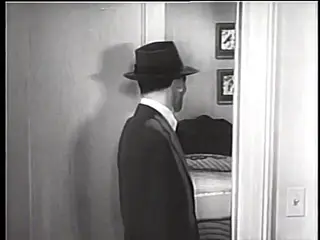
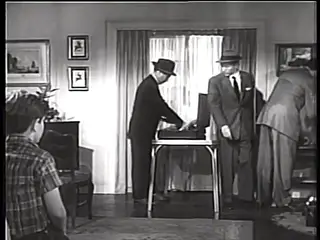
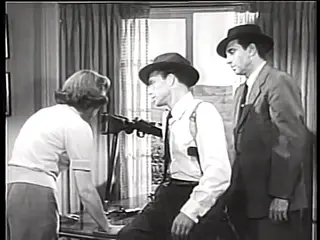
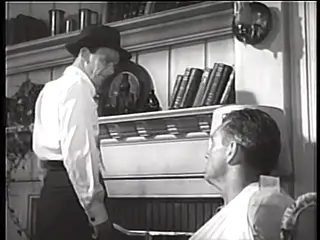
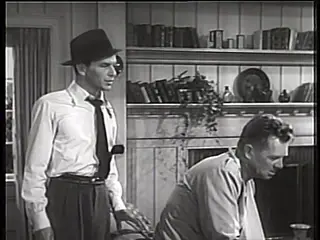
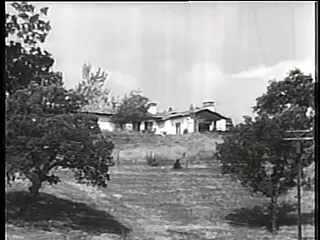
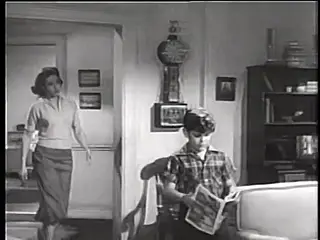
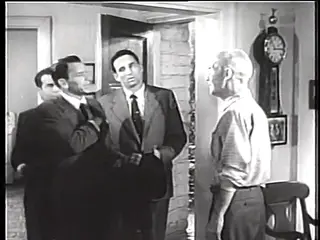
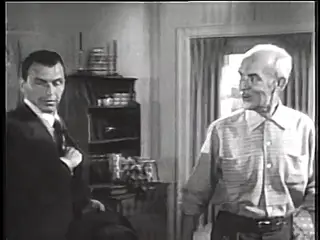
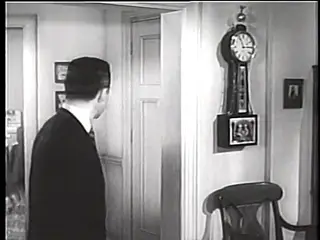
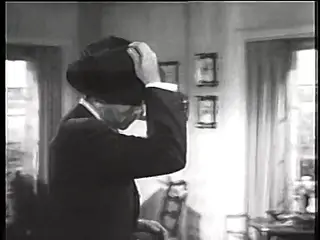
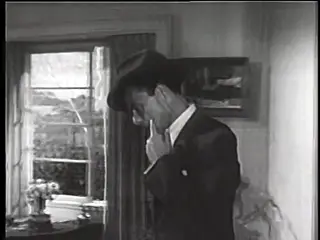
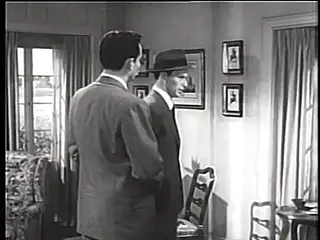
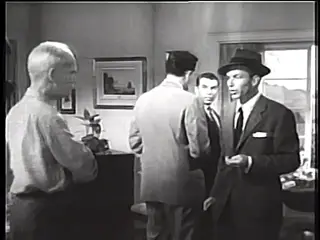
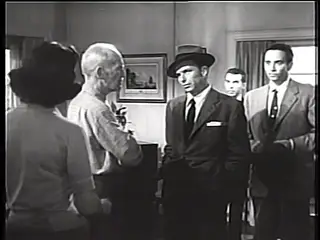
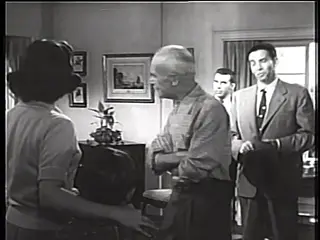
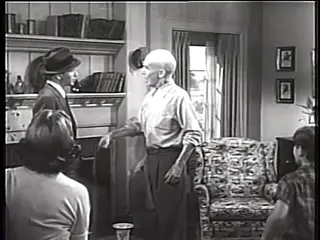
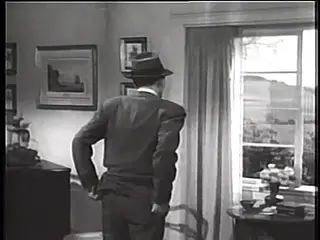
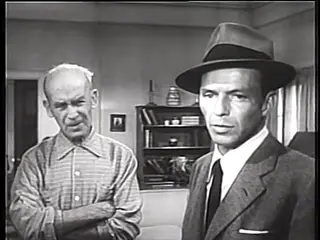
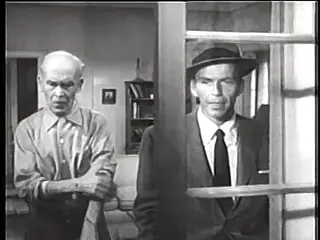
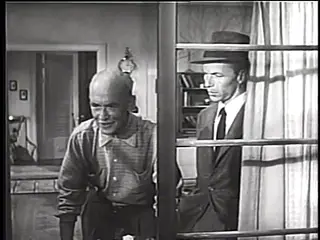
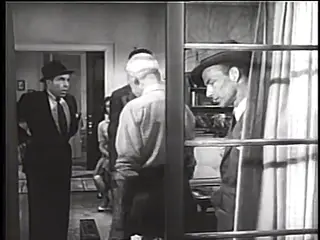
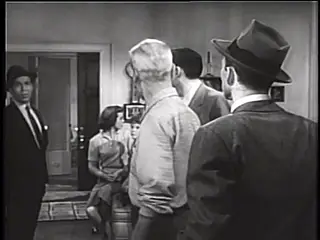
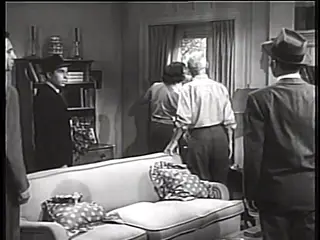
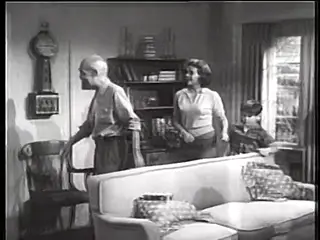
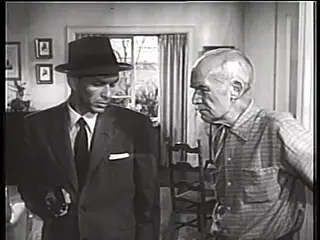
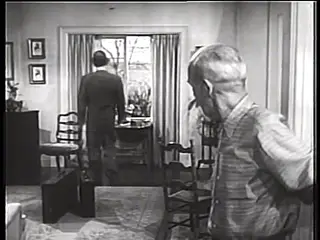
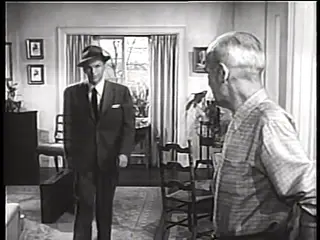
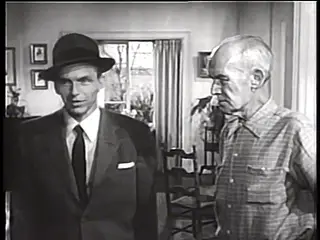
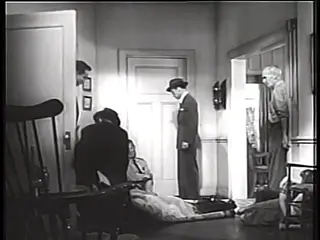
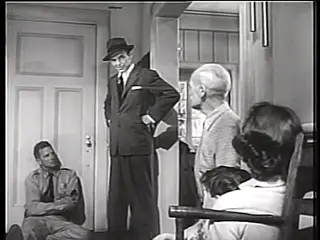
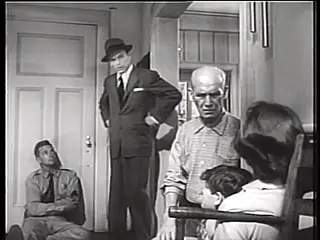
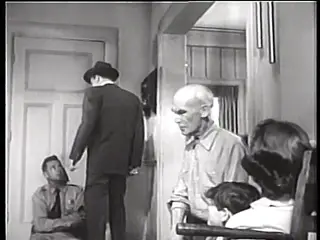
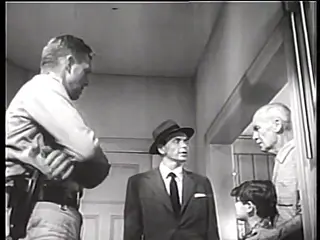
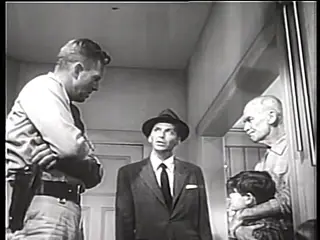
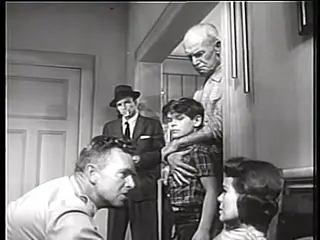
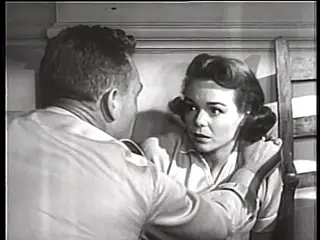
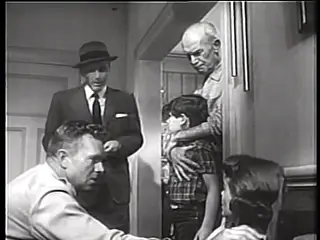
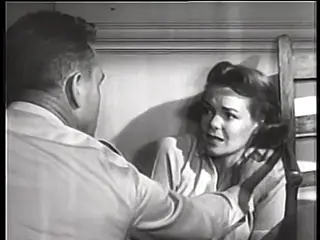
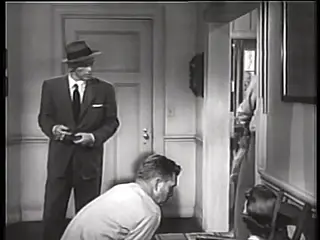
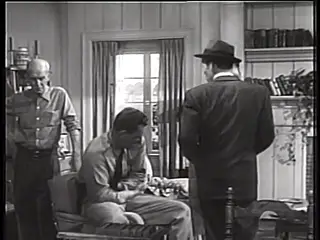
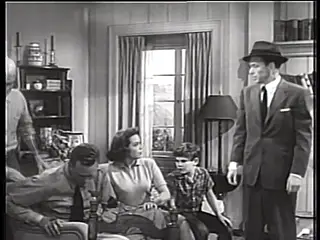
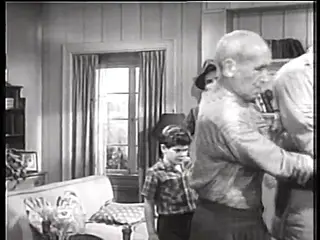
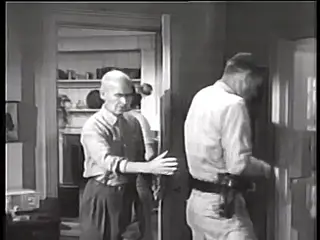
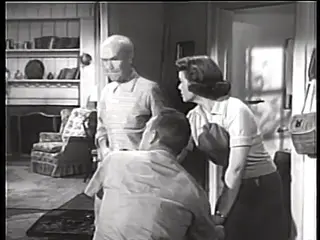
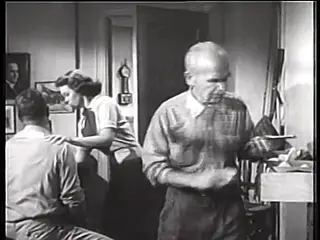
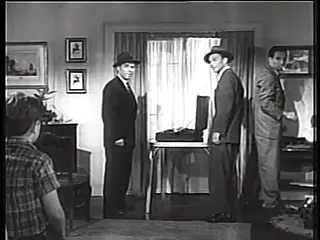
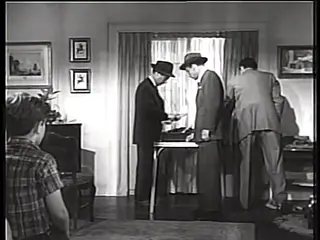
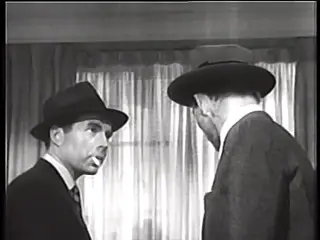
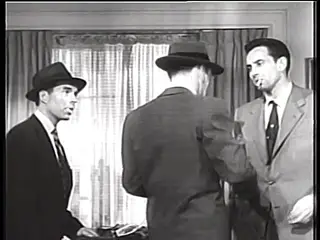
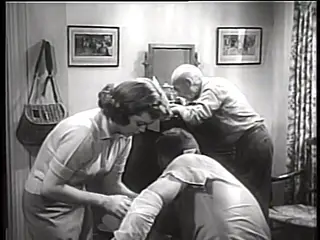
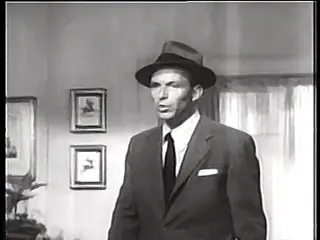
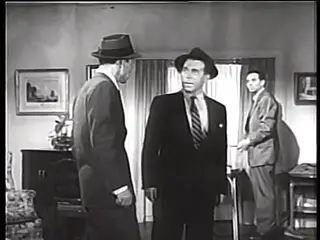
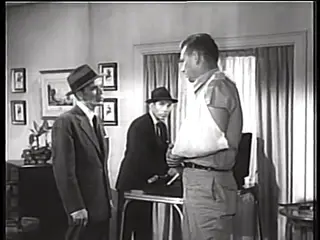
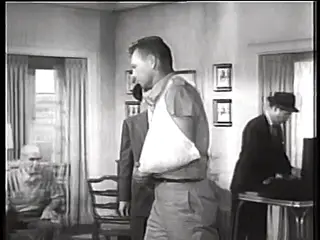
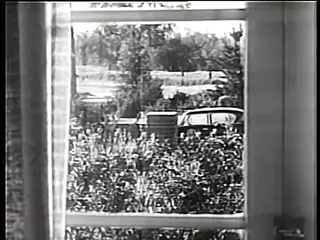
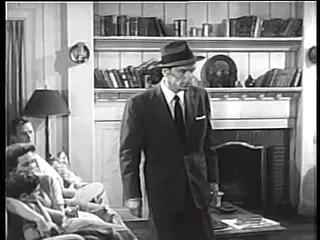
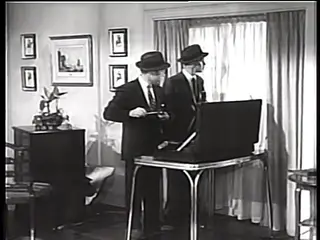
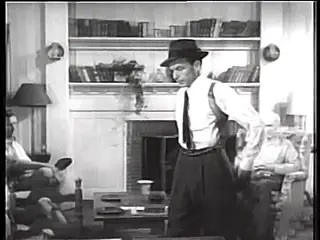
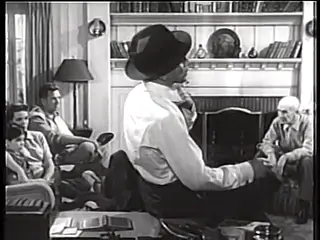
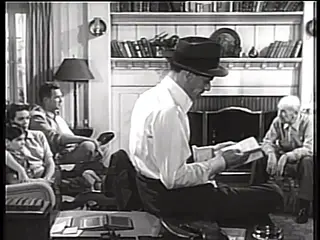
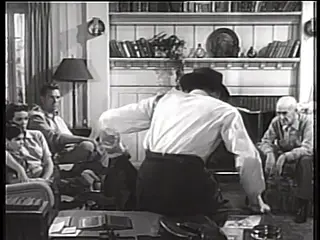
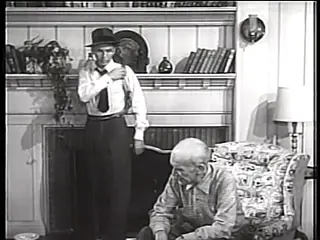
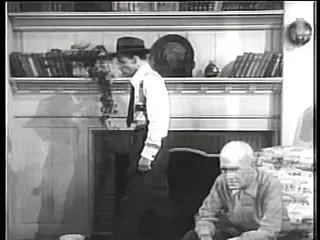
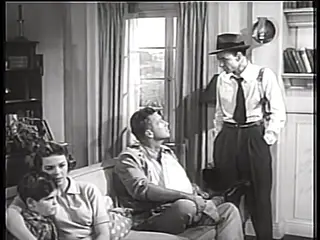
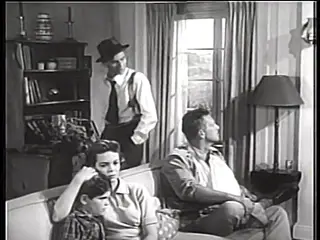
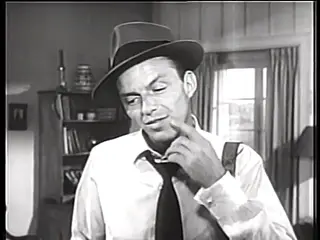
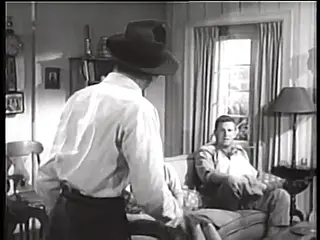
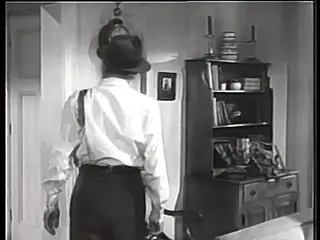
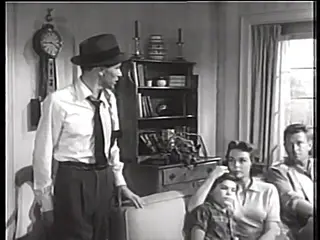
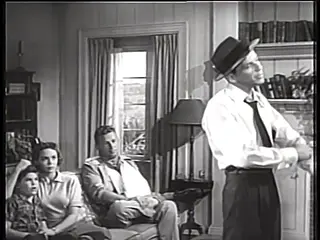
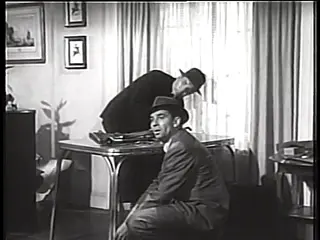
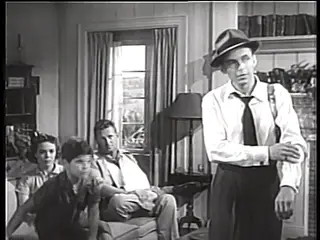
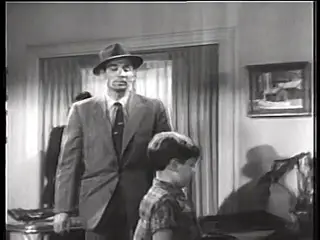
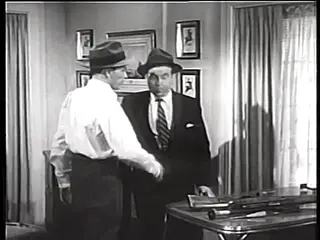
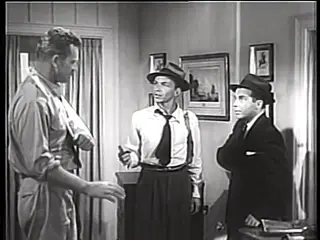
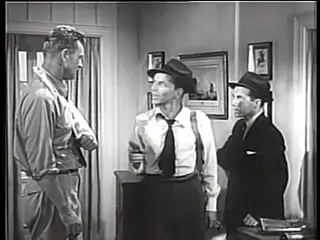
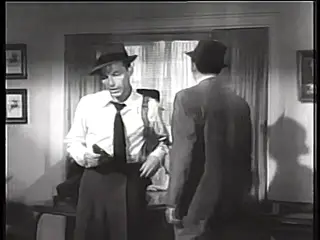
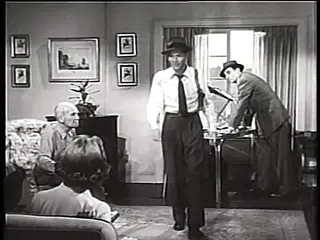
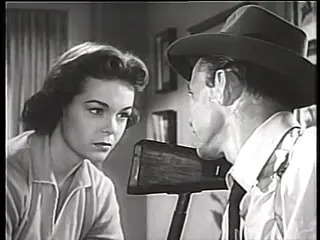
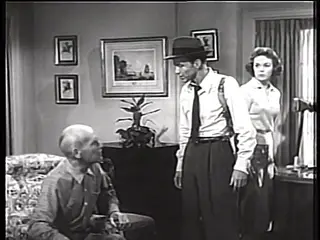
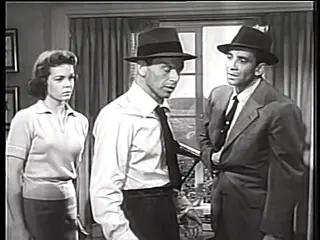
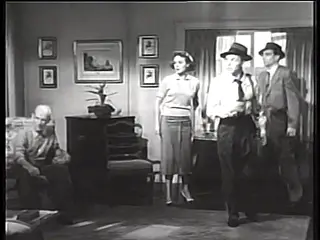
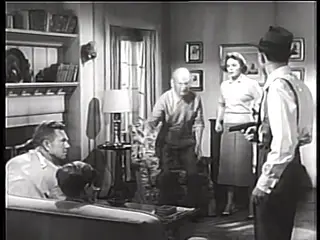
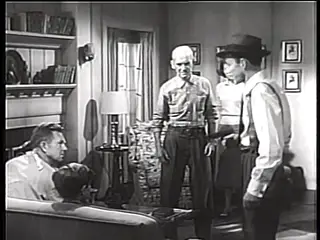
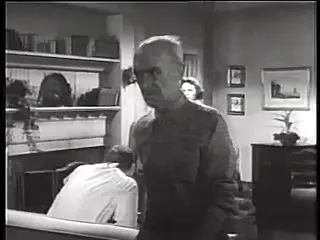
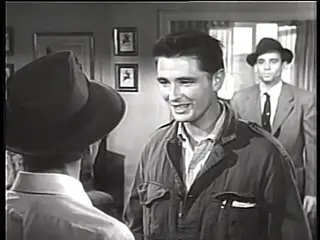
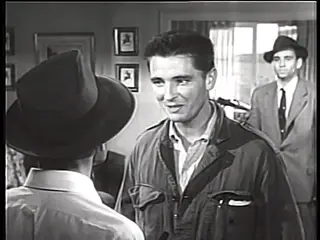
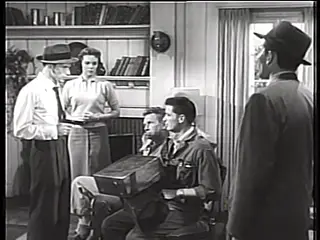
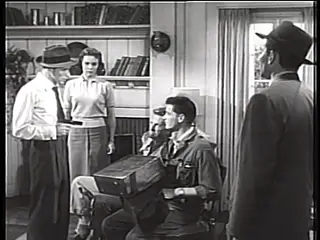
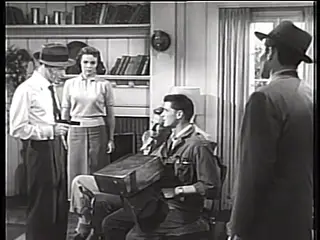
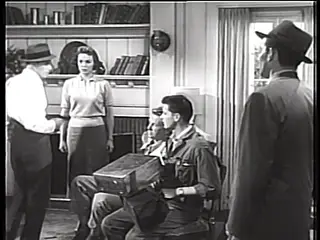
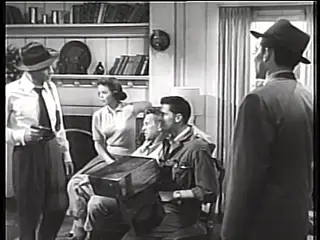
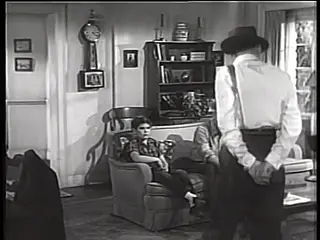
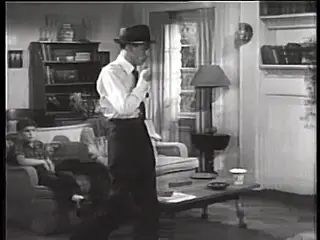
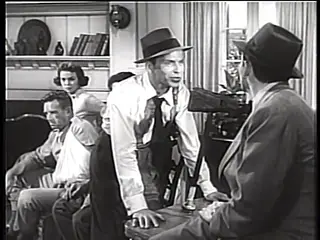
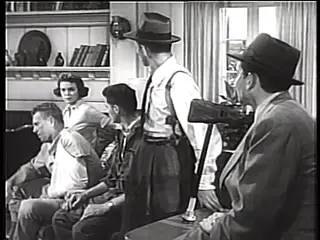
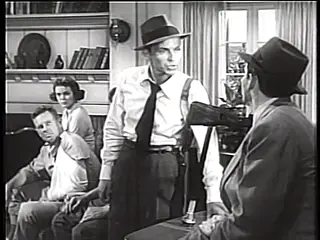
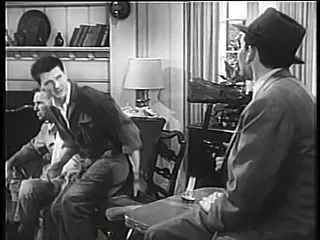
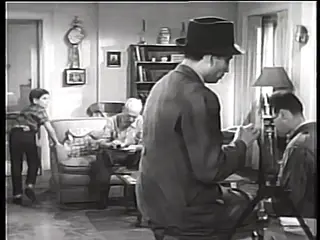
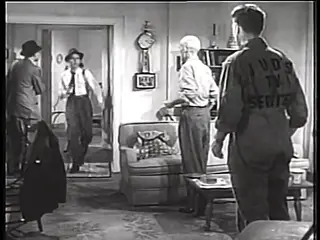
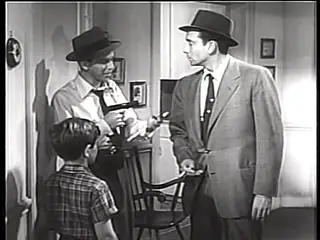
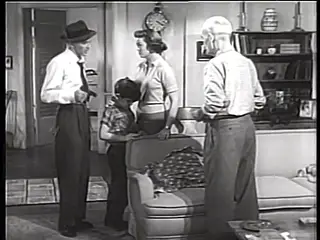
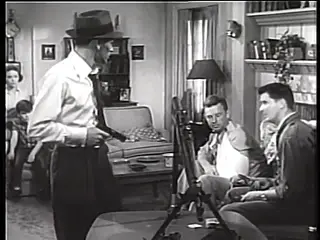
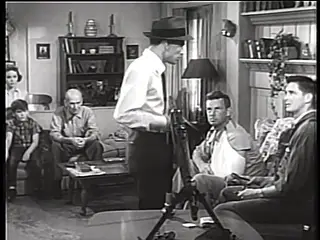
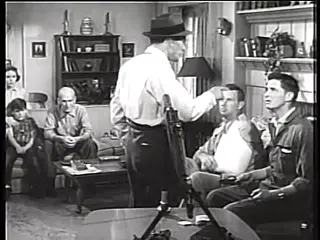
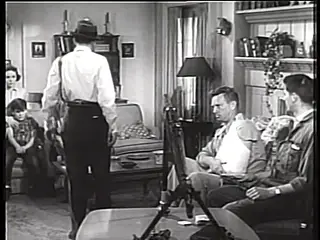
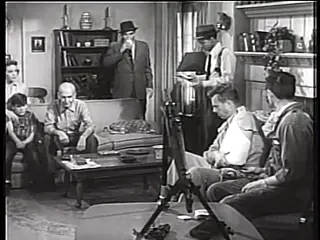
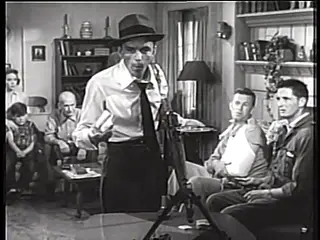
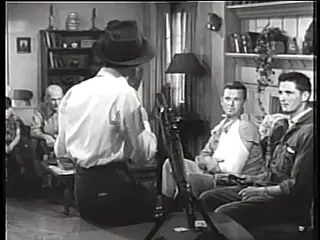
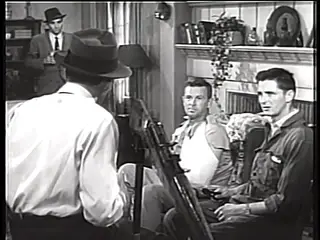
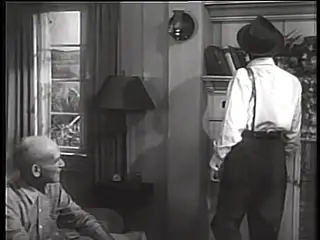
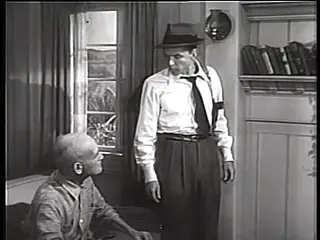
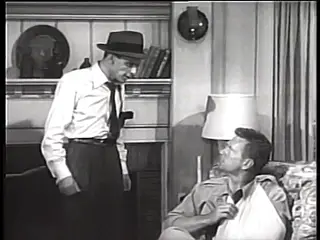
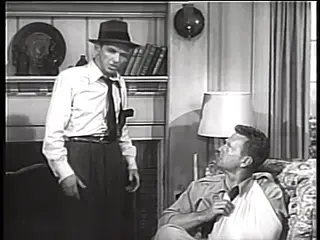
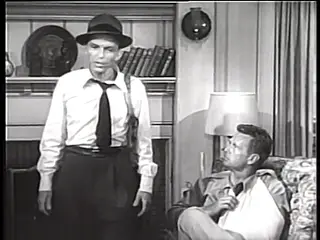
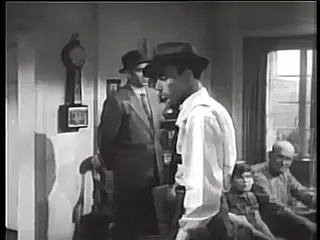
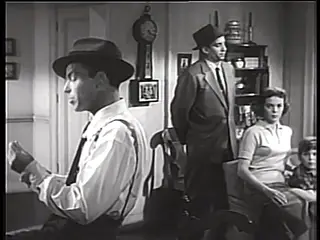
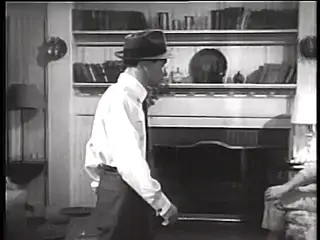
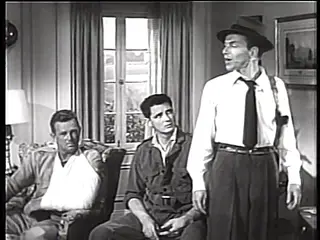
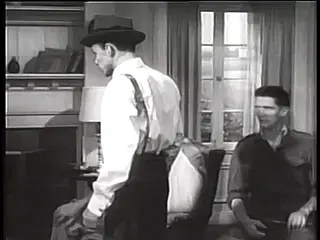
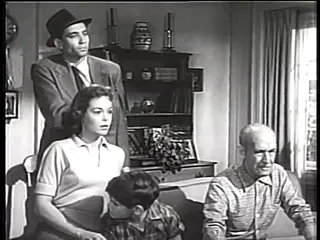
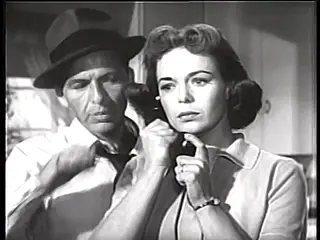
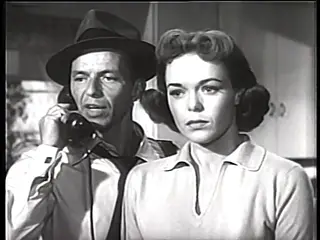
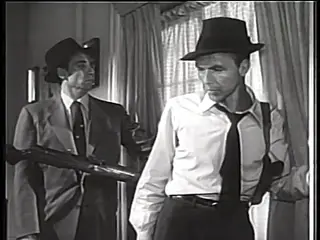
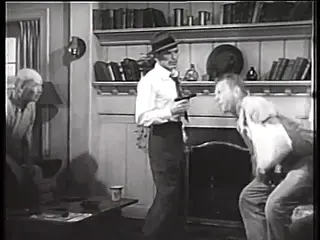
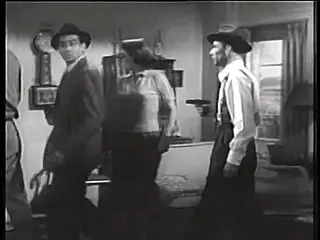
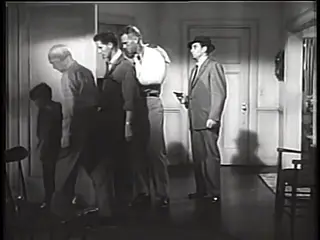
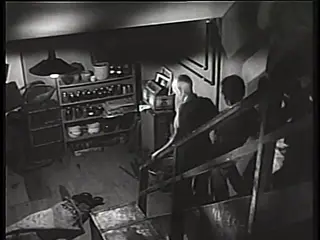
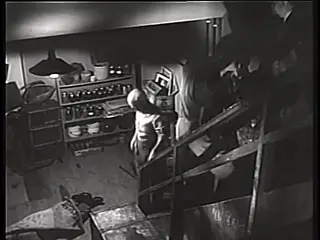
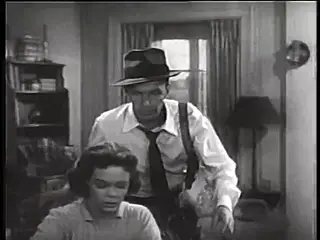
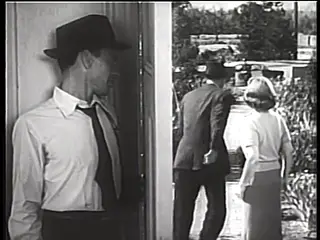
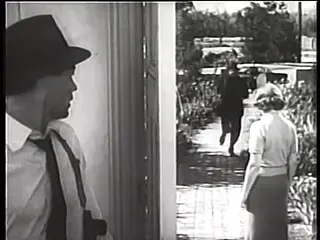
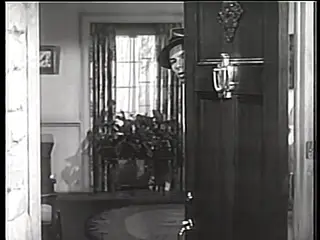
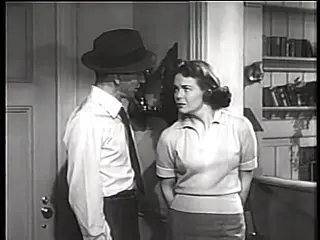
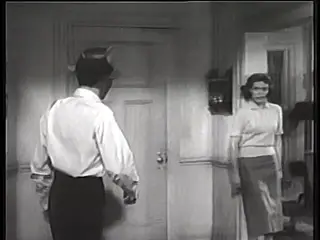
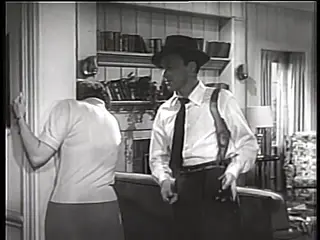
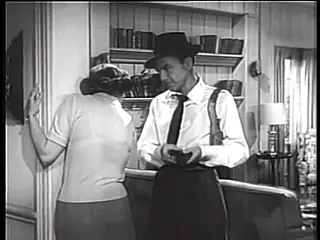
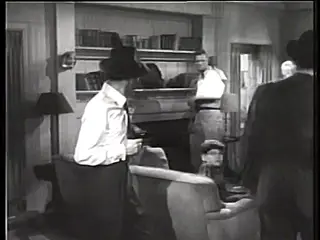
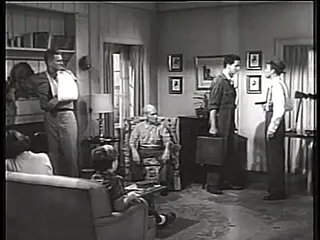
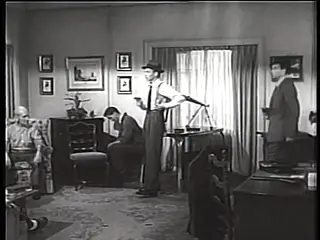
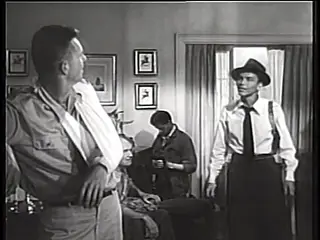
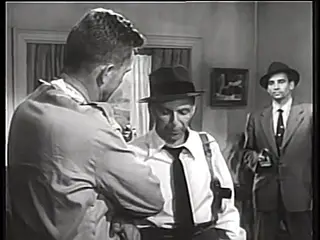
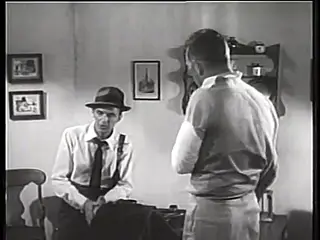
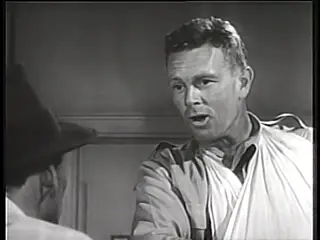
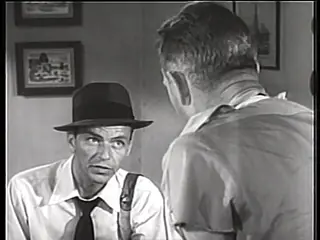
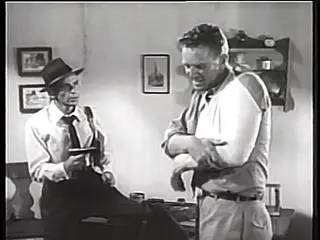
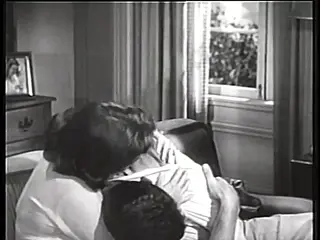
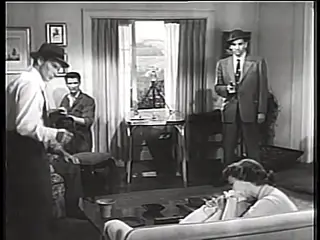
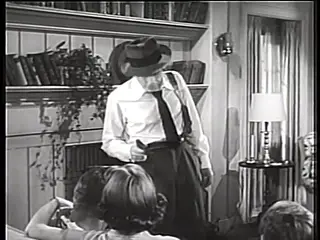
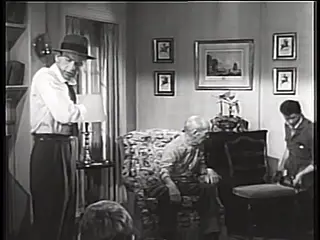
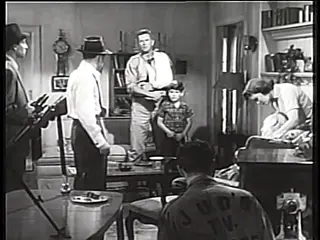
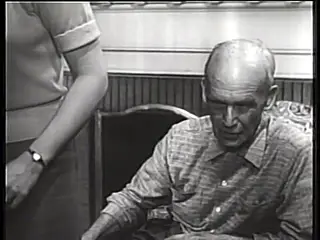
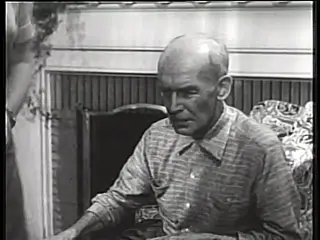
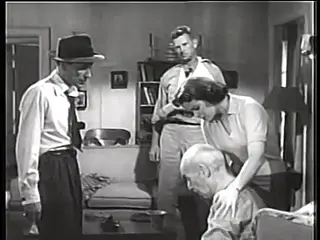
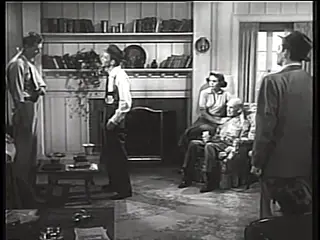
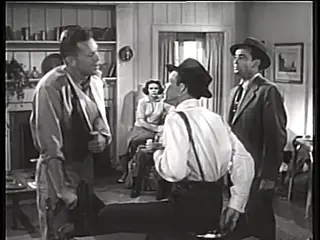
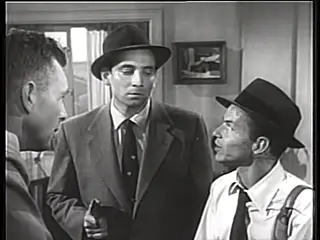
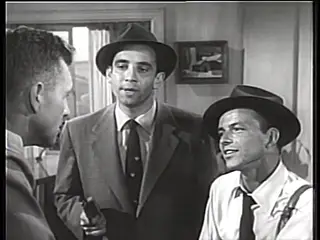
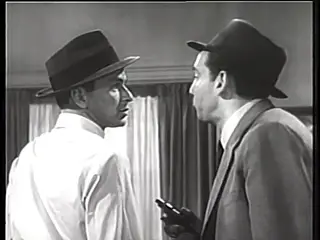
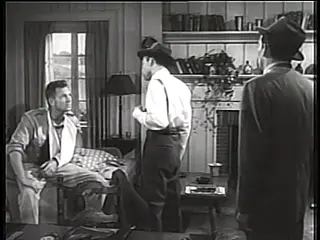
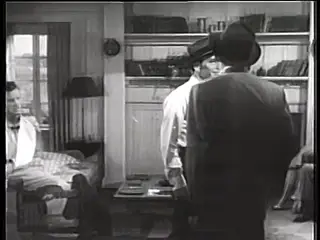
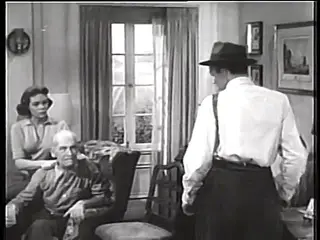
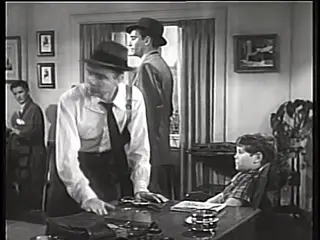
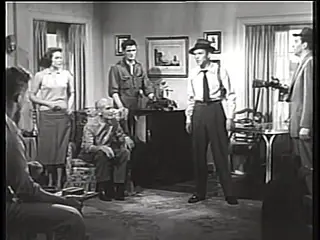
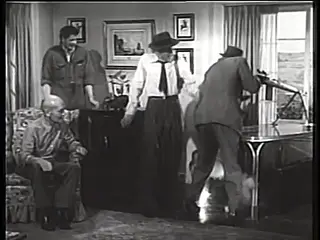
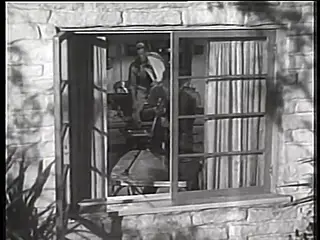
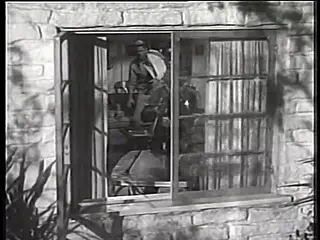
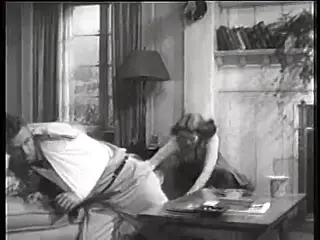
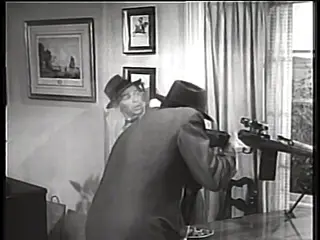
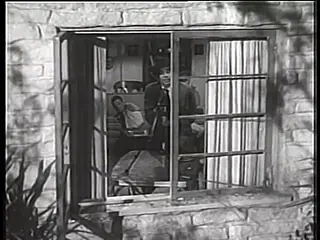
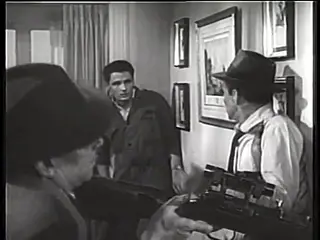
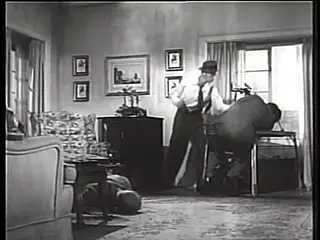
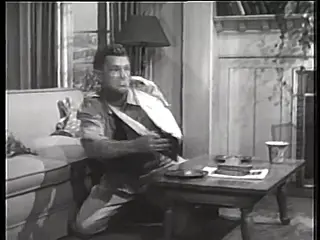
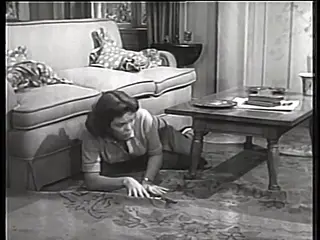
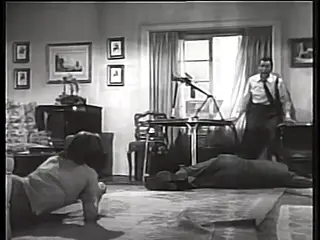
At 22:44, the men taking control of the house combine an absolute prohibition, “Nobody leaves the house until we do,” with instructions to carry on reading papers or watching television. The contradiction is the point. Ordinary life is to continue as a performance, supervised by men who have abolished its freedom. The scene gives the film’s confinement a particular cruelty: the household is required to furnish a reassuring appearance. Sinatra’s Baron depends on this gap between what can be seen from outside and what is happening within. The house becomes both a firing position and a disguise.
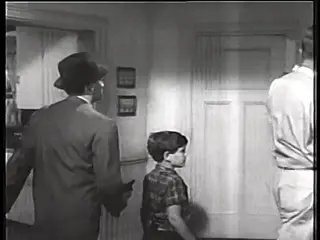
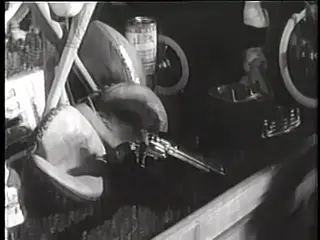
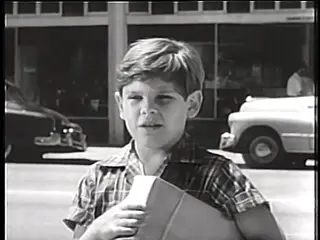
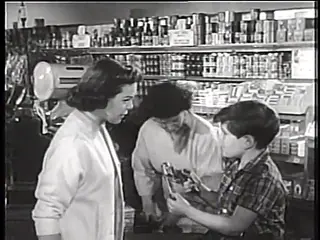
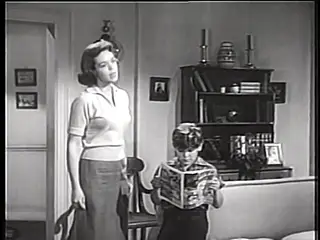
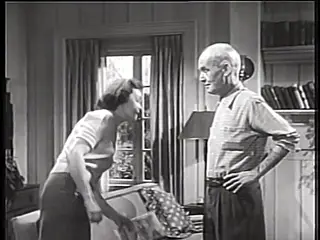
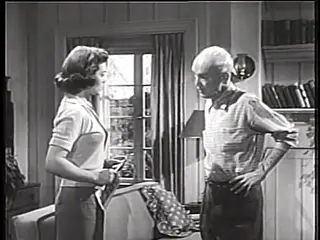
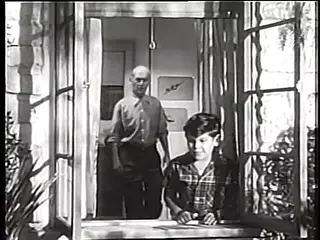
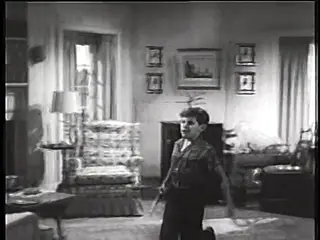
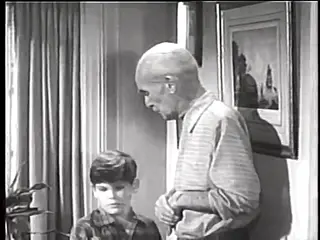
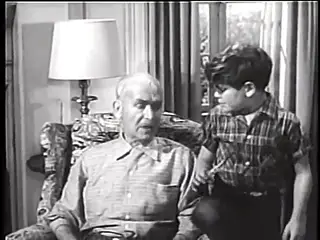
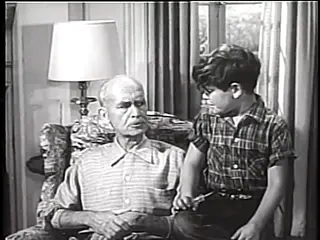
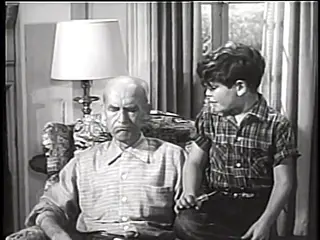
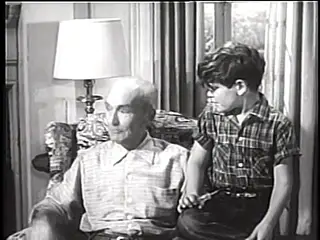
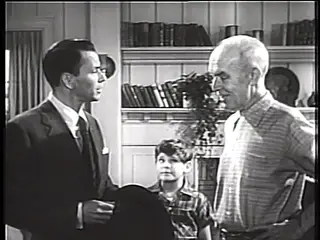
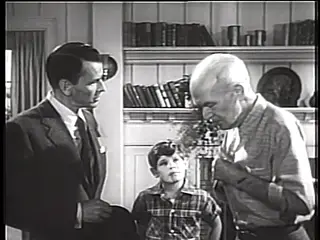
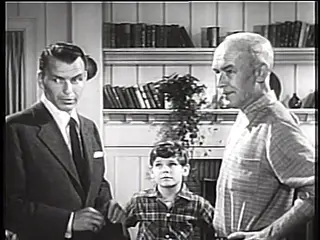
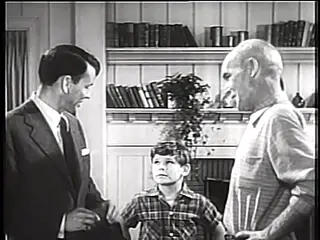
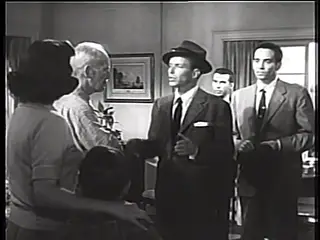
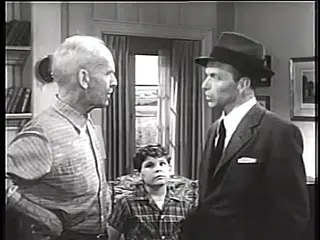
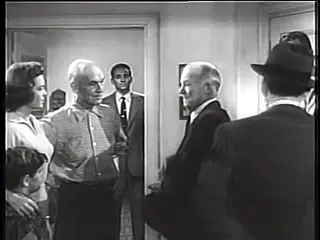
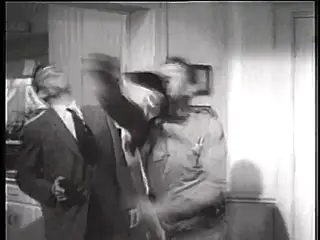
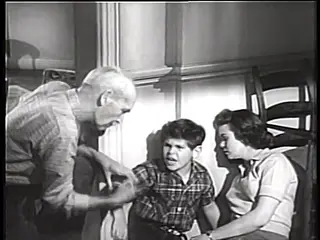
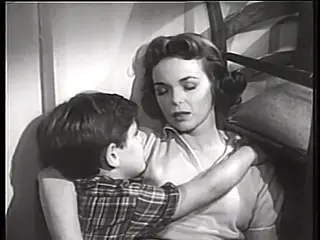
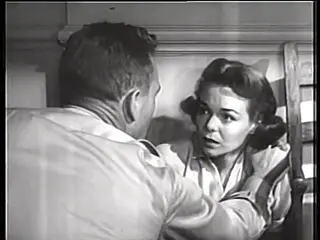
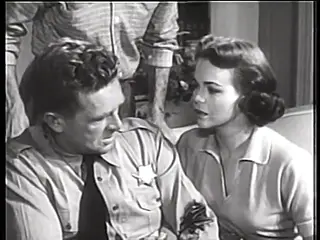
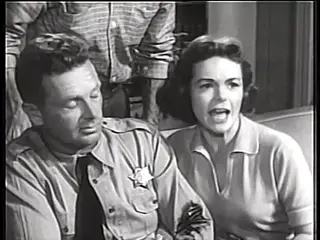
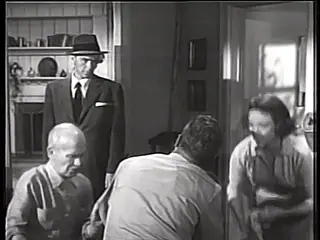
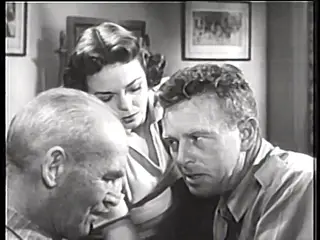
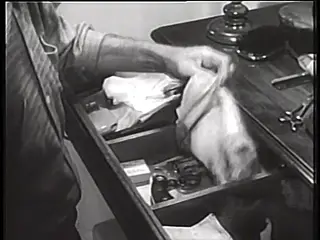
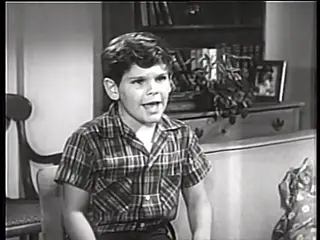
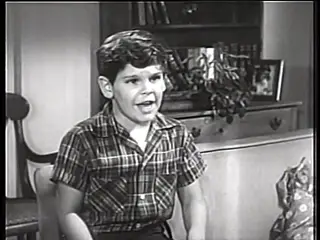
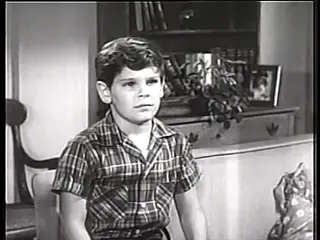
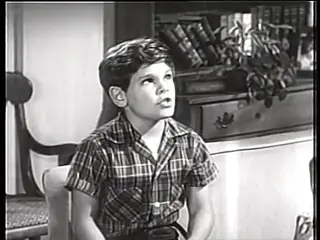
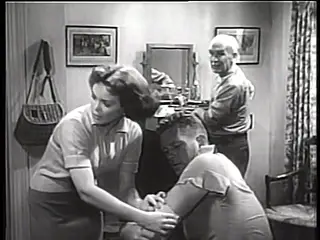
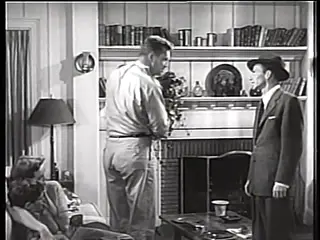
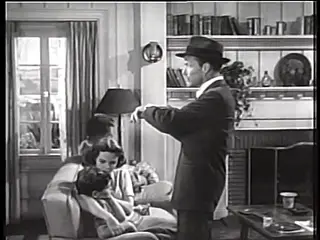
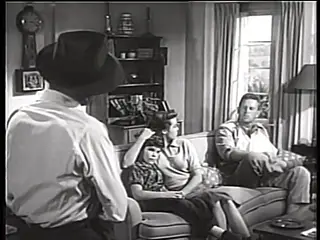
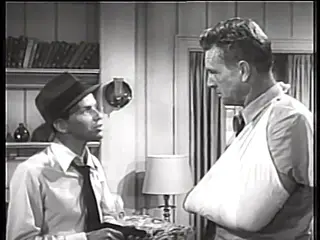
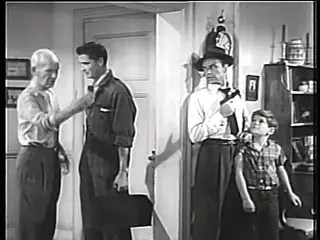
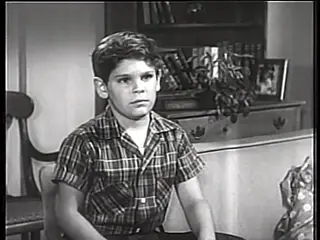
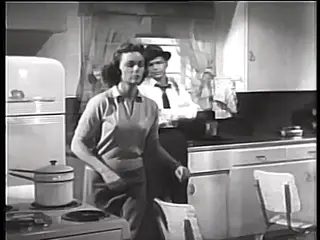
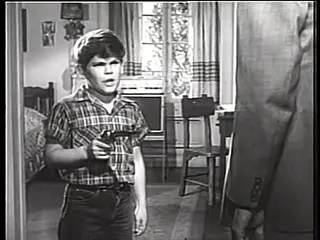
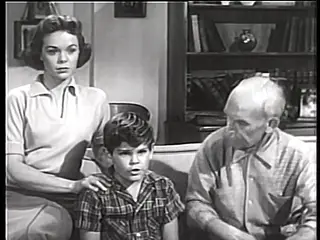
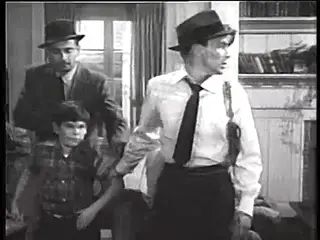
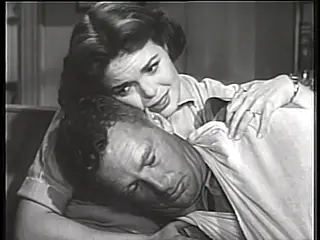
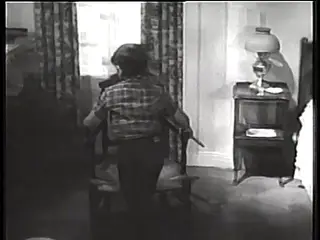
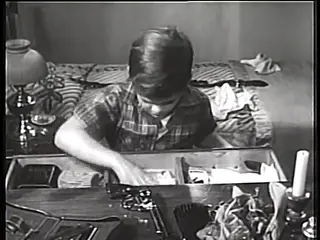
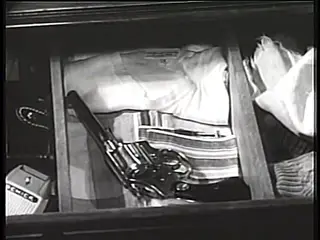
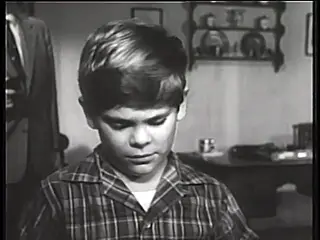
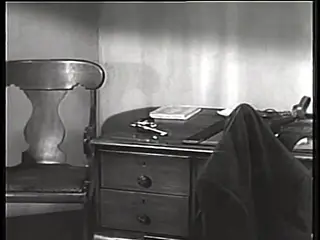
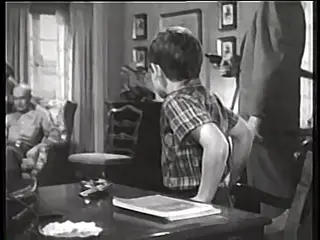
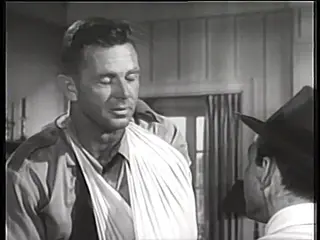
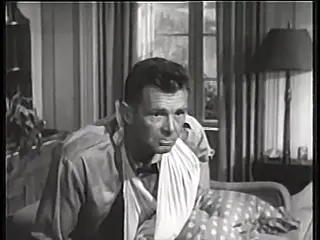
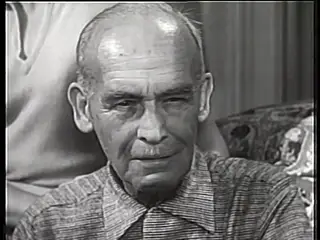
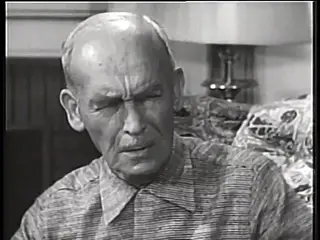
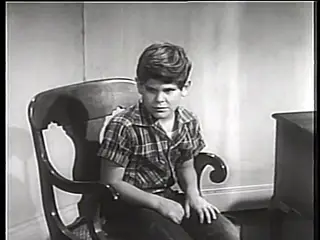
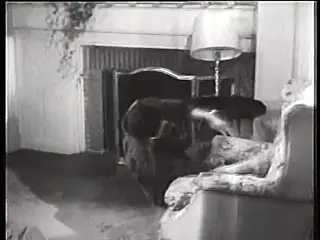
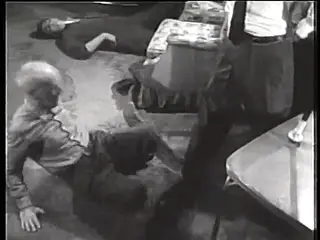
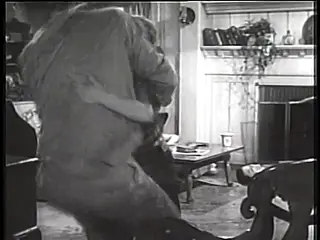
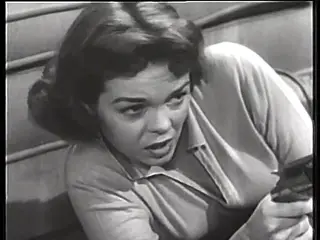
The family’s resistance develops through the problem of what can be risked when a child is among the hostages. At 32:08, the appeal “Pop, we got to do something” accompanies the retrieval of a gun from a drawer. The dialogue turns immediately to Pidge’s danger. Resistance appears hopeless. A weapon offers a possibility without offering safety. Hayden’s physical solidity supplies an alternative to Baron’s command without removing the family’s vulnerability. The captives must find some advantage against men whose power rests on their guns.
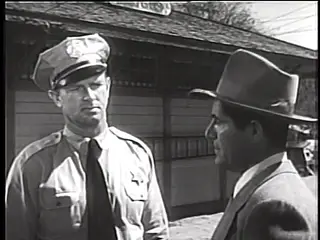
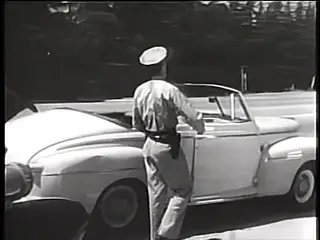
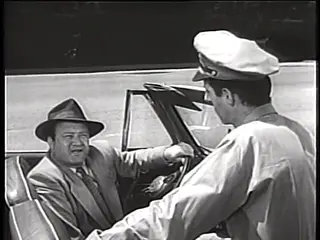
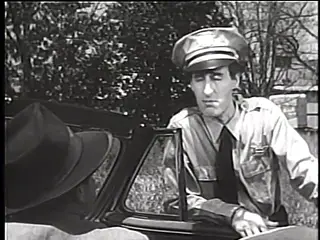
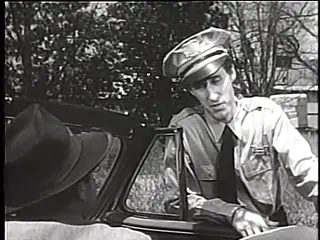
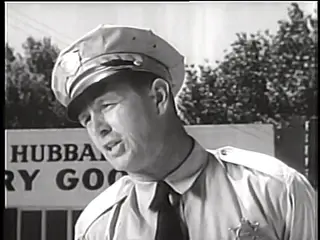
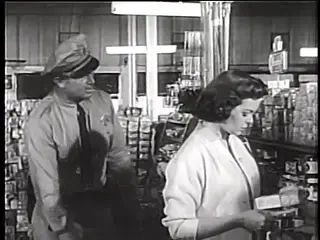
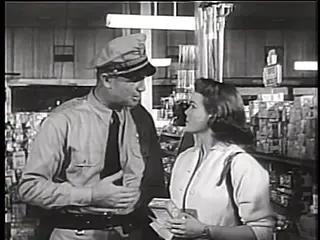
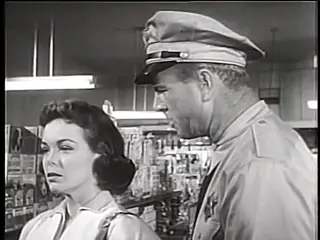
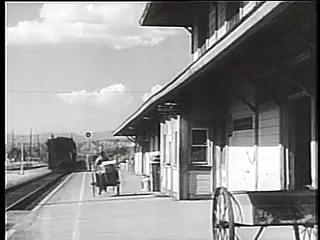
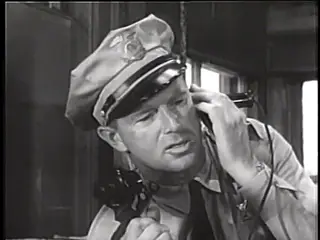
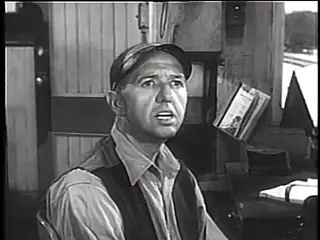
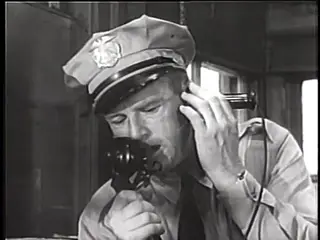
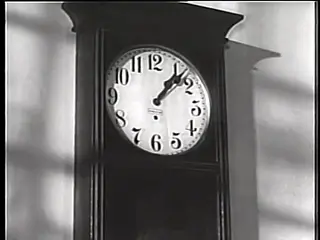
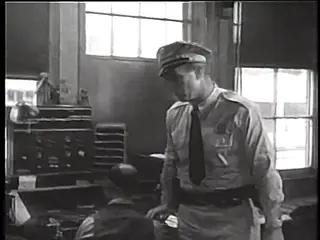
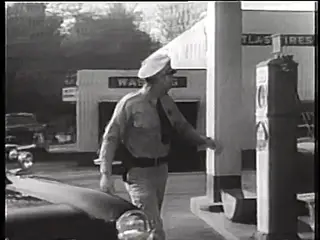
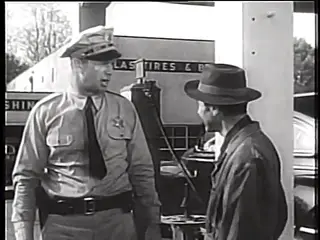
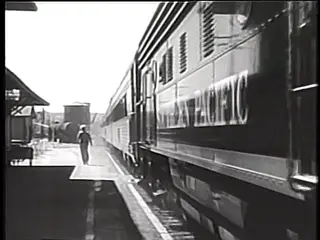
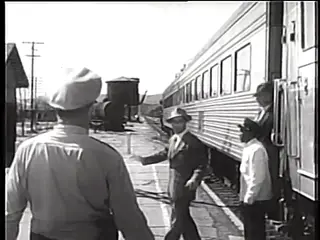
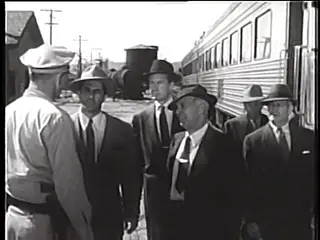
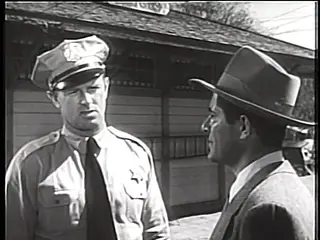
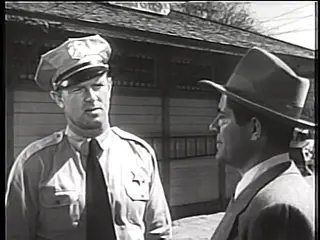
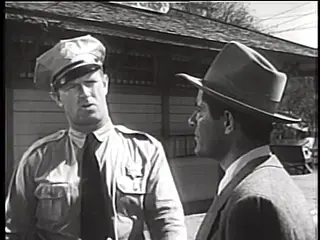
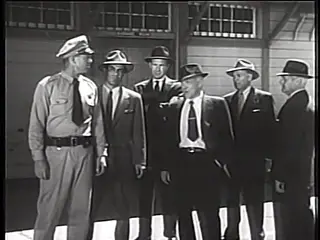
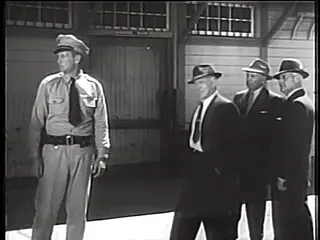
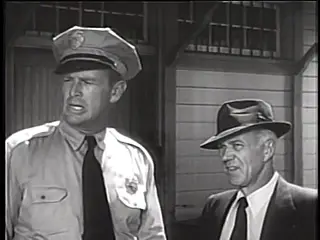
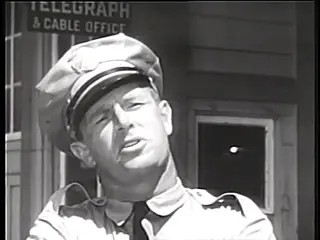
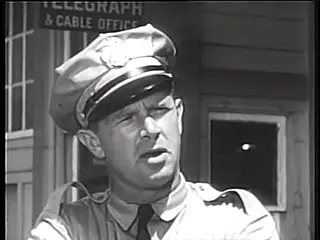
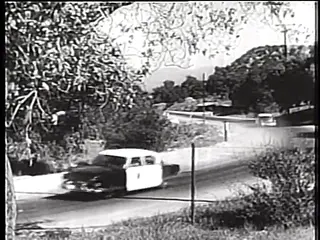
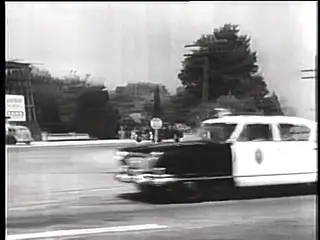
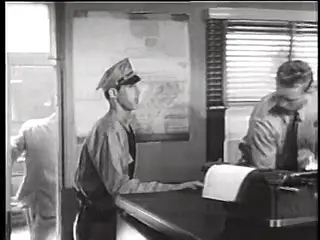
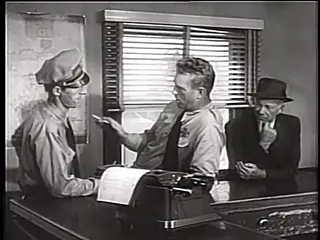
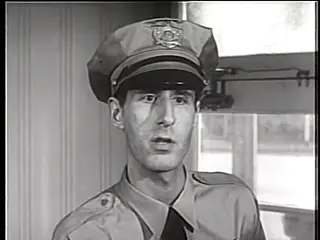
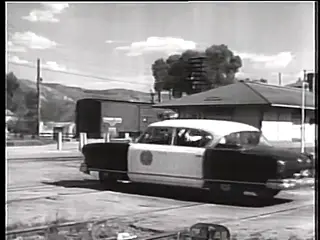
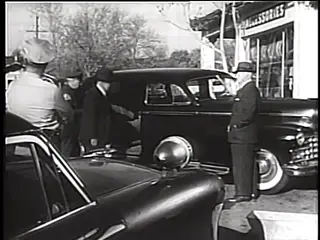
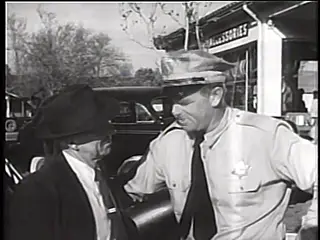
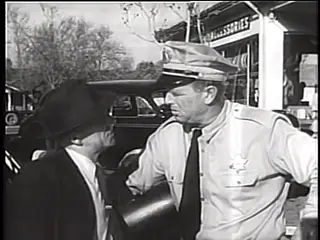
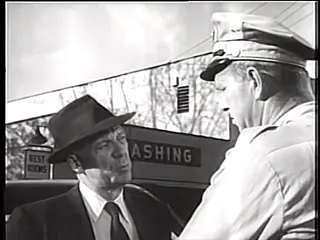
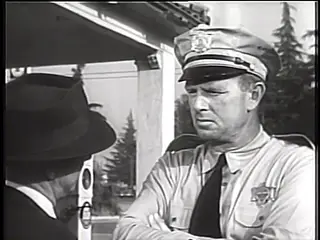
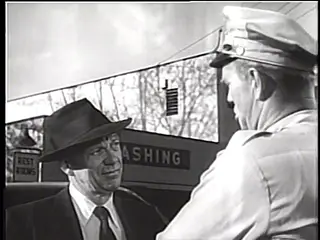
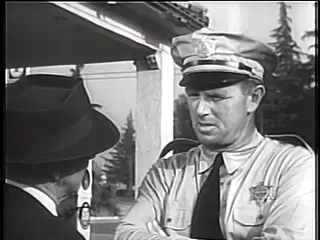
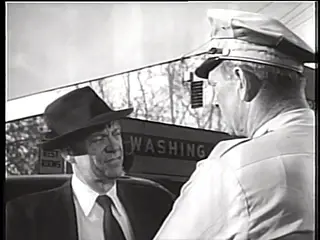
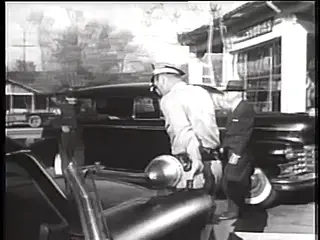
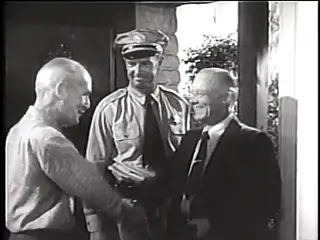
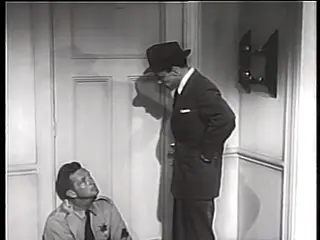
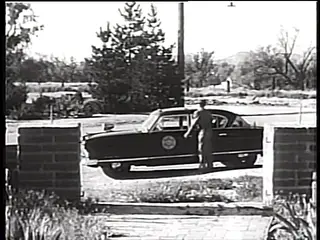
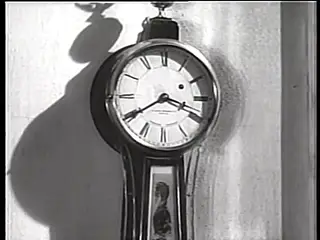
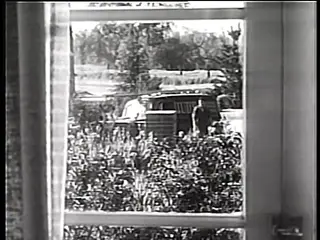
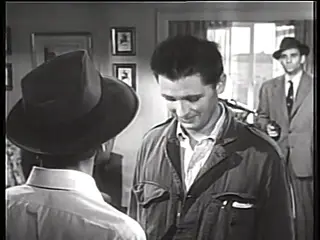
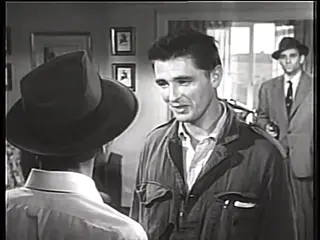
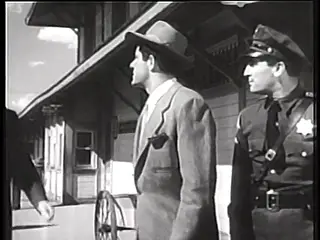
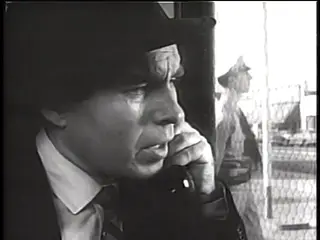
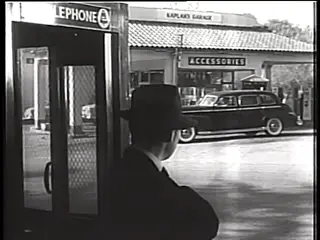
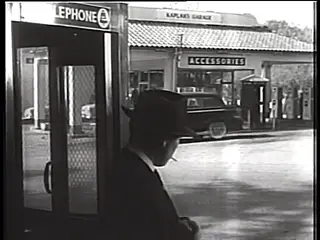
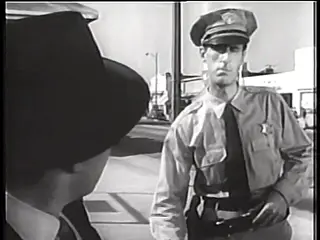
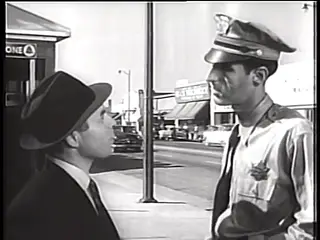
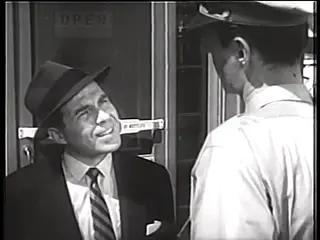
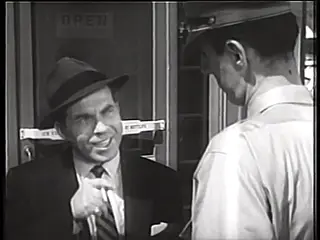
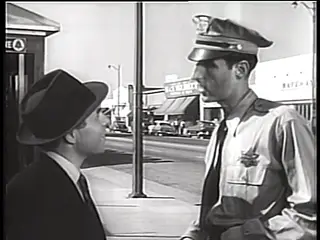
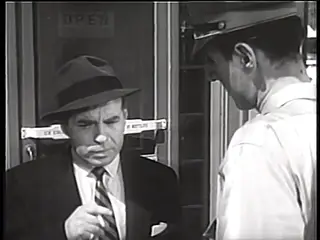
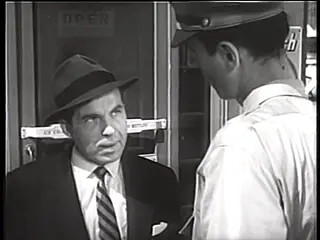
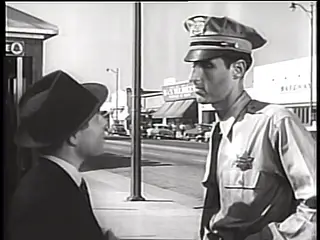
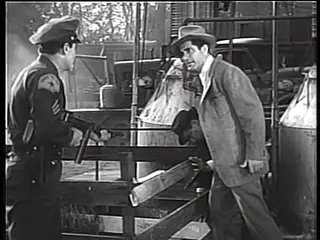
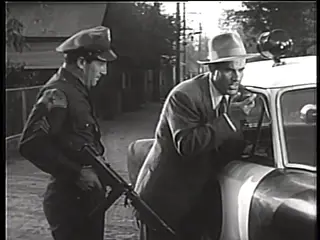
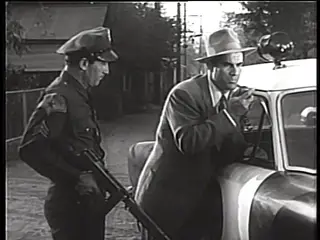
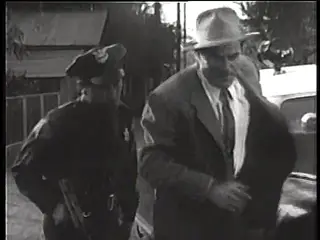
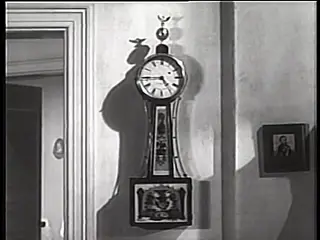
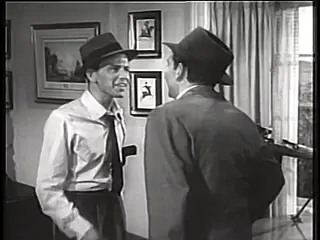
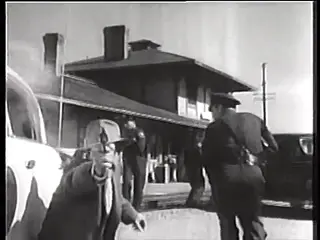
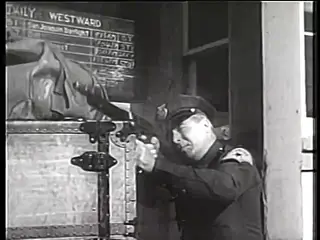
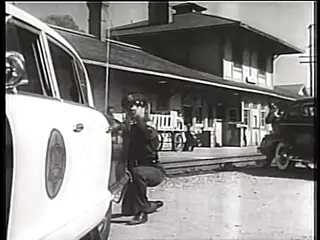
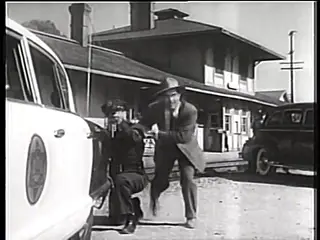
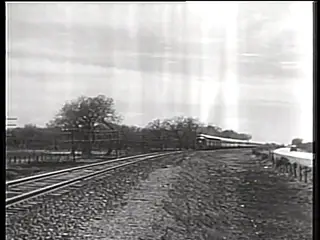
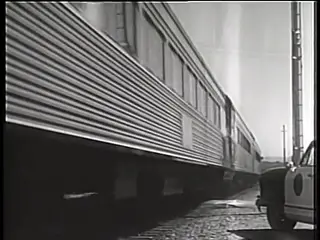
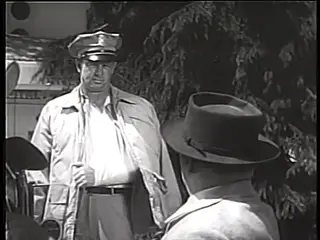
Outside the house, the assassins’ assumed authority encounters the town’s practical knowledge. At 53:32, an officer challenges a man’s account of his journey: “Because we don't have any 5 o'clock train that stops here, mister.” A timetable becomes a means of testing a stranger’s story. This is the other half of the confined-room thriller, in which local knowledge can interrupt a plan that seems secure indoors. Variety’s contemporary reviewer called the assassination plot fantastic.2 The suspense nevertheless rests on the recognisable procedure of noticing an explanation that does not fit.
The film’s later reputation became entangled with President John F. Kennedy’s assassination.5 Its withdrawal is less straightforward than the familiar story of Sinatra suppressing his own film suggests. One account says he had it withdrawn from distribution after the assassination.4 Another describes him asking United Artists to withdraw it because of the resemblance between its plot and Kennedy’s death.3 Neither account establishes how completely it disappeared from circulation. Later online collections presented the film as free to use on the basis of an asserted copyright status.67 Those listings do not supply the underlying registration and renewal evidence. Its afterlife also includes an HD restoration from original 35mm elements, prepared for Blu-ray by The Film Detective.8
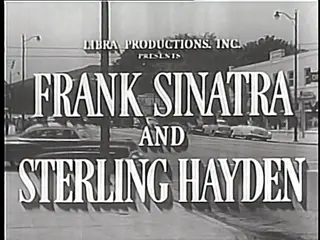
The record: Registration LP4300 by Libra Productions, Inc is dated 17 September 1954. The registry found no renewal in the renewal volumes for 1981 to 1983, nor in the Copyright Office's records from 1978 on; on that reading the term ended on 31 December 1982 and the film has been free in the US since 1 January 1983. This is a conclusion drawn from the registration and the renewal searches described, rather than from the film’s availability online. The record does not settle how completely the film was withdrawn. Nor does it establish the provenance of every circulating copy.
Written 6 September 2026 by gpt-6-astra from the registry record, the atlas's own evidence and the sources below, gathered by Qwen/Qwen3.8-Max with web search and questioned by deepseek-ai/DeepSeek-V4-Pro. Numbered notes are the sources; a claim marked unverified has no source yet; times open the atlas at that second. How these are made and checked.
- catalog.afi.com https://catalog.afi.com/Film/51365-SUDDENLY?cxt=filmography
- variety.com https://variety.com/1953/film/reviews/suddenly-1200417629/
- en.wikipedia.org https://en.wikipedia.org/wiki/Suddenly_(1954_film)
- tcm.com https://www.tcm.com/articles/31589/suddenly-suddenly
- daily.jstor.org https://daily.jstor.org/the-sinatra-movie-some-blamed-for-jfks-death/
- publicdomainreview.org https://publicdomainreview.org/collection/suddenly-1954/
- publicdomainmovies.info https://publicdomainmovies.info/suddenly-1954-film-noir-starring-frank-sinatra/
- highdefdigest.com https://www.highdefdigest.com/news/show/the-film-detective/Disc_Announcements/suddenly-...


 Killers from Space
  Private Eye Popeye
  Taxi-Turvy
  Jail Bait
  Behave Yourself
  Whistle Stop
  A Man Betrayed