A wounded Ranger acquires a mask, a partner and a new purpose in an origin story whose circulating versions complicate its television history.
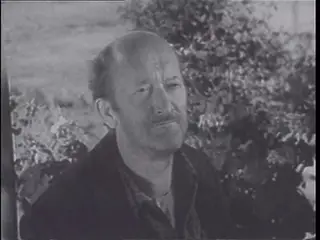
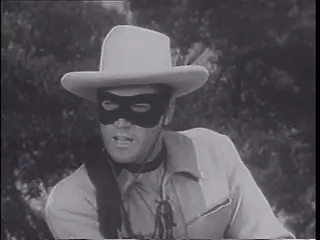
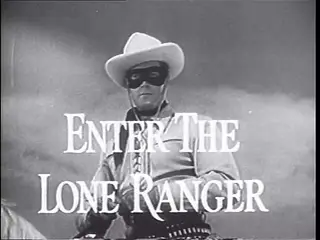
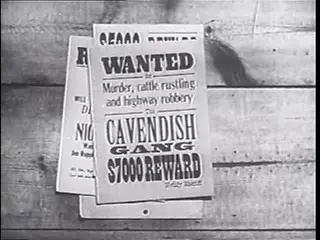
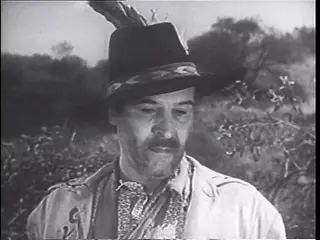
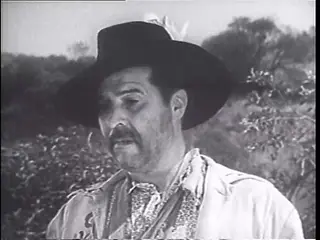
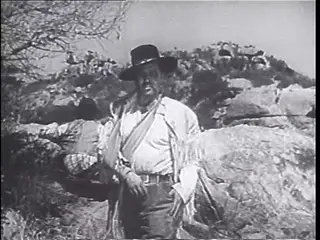
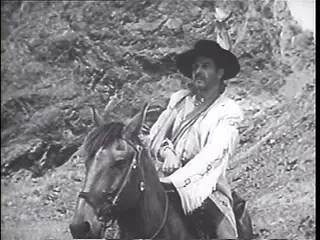
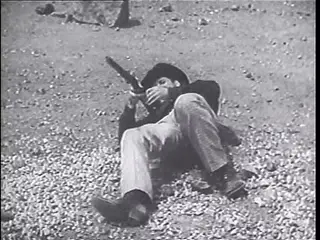
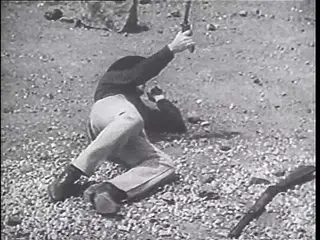
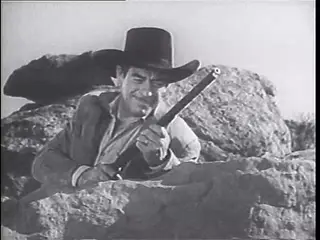
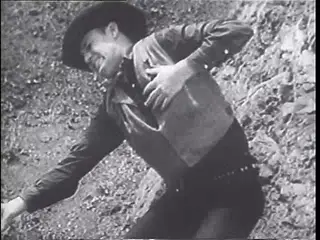
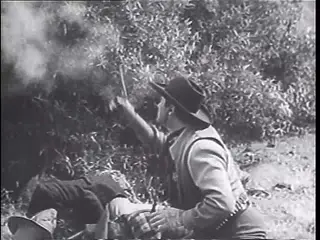
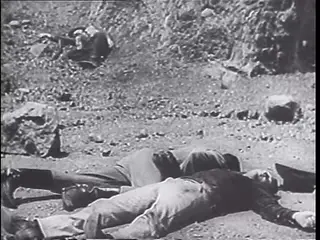
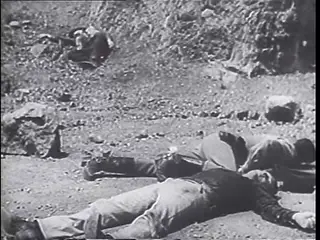
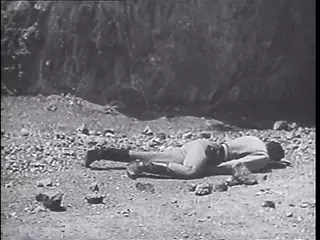
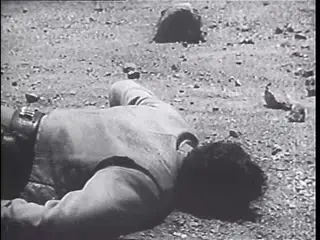
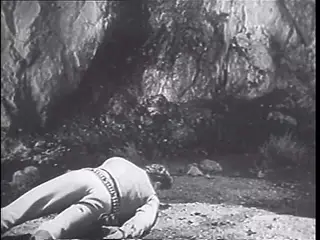
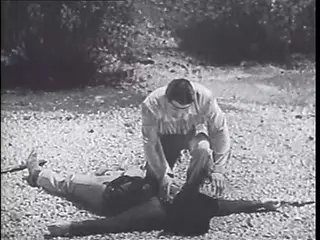
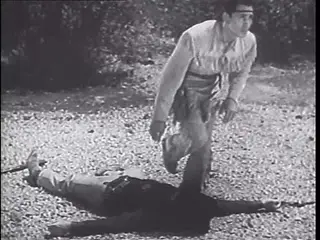
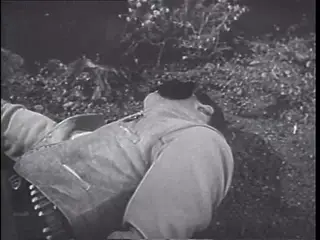
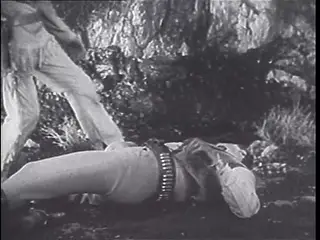
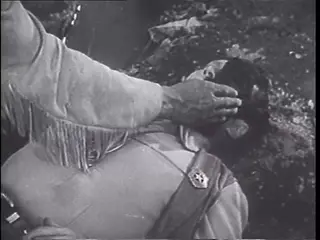
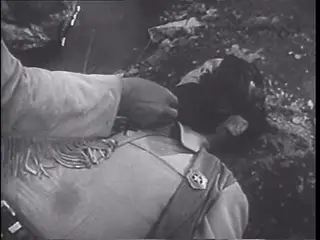
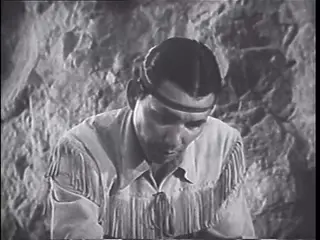
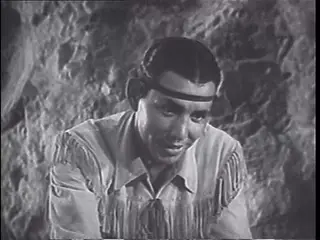
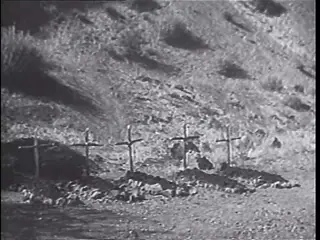
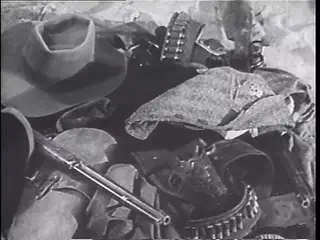
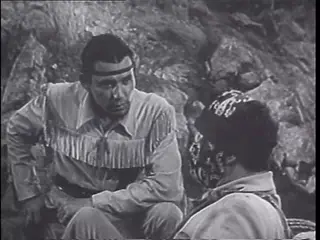
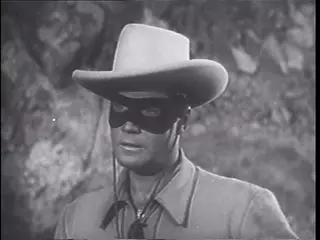
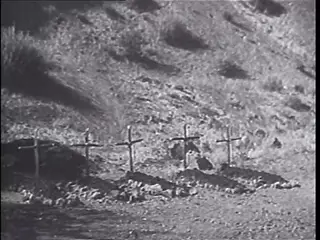
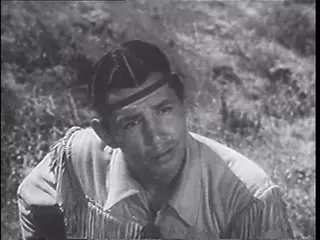
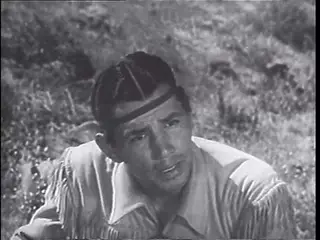
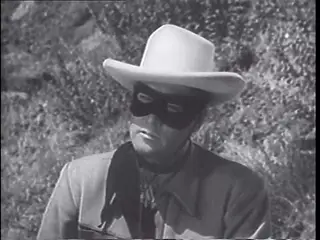
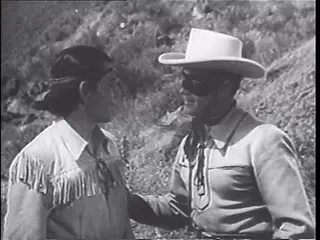
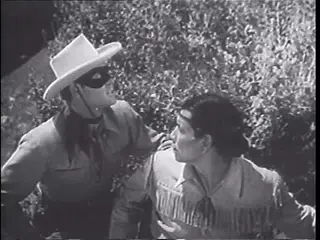
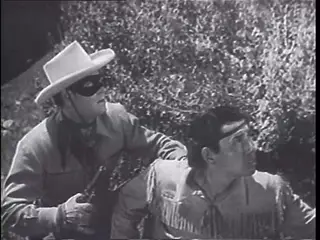
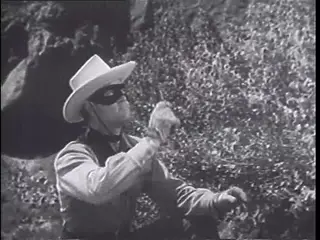
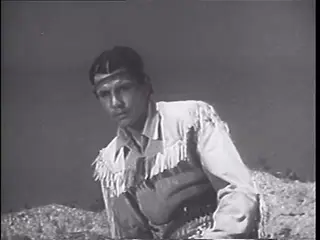
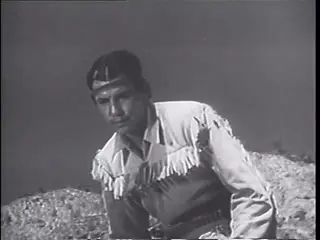
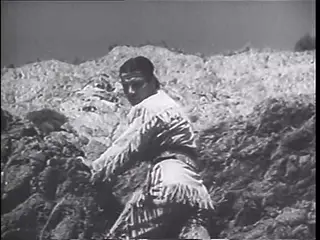
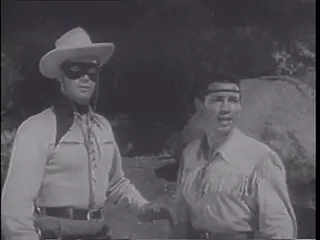
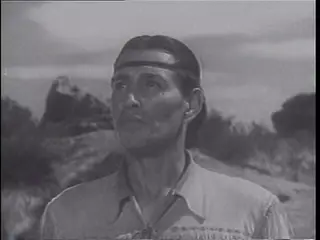
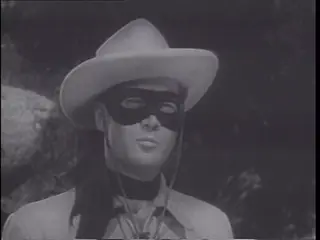
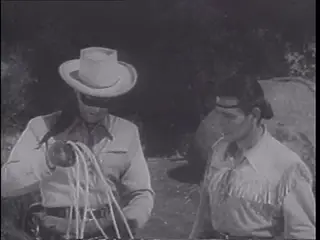
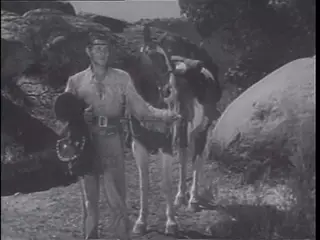
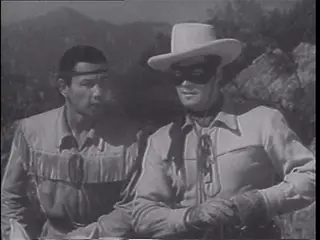
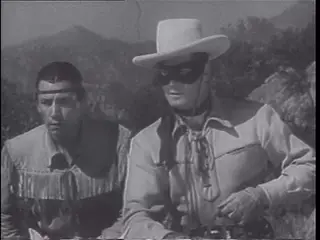
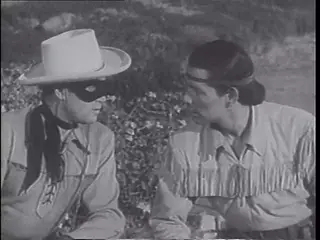
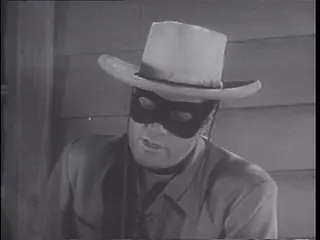
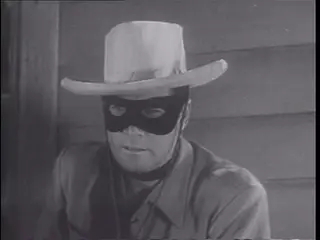
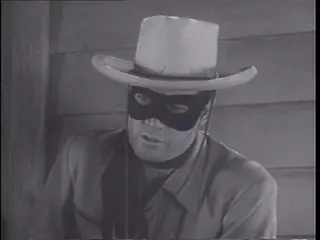
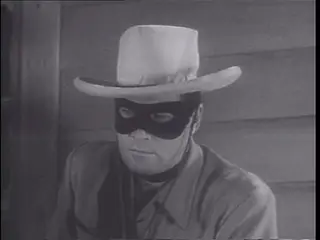
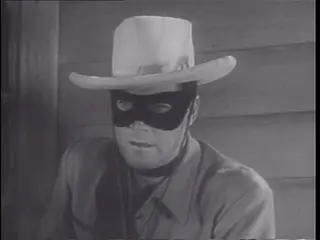
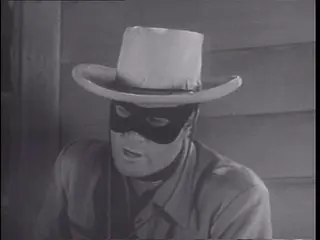
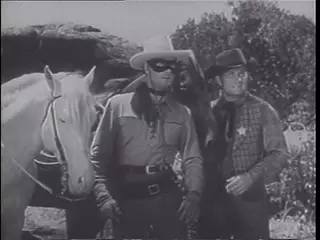
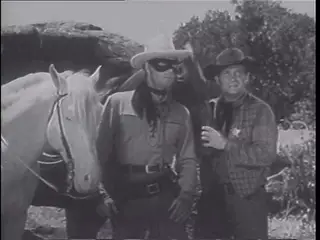
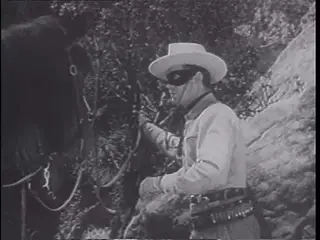
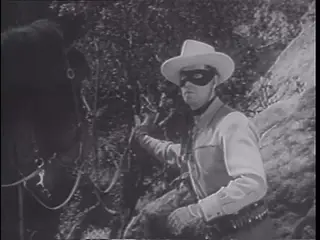
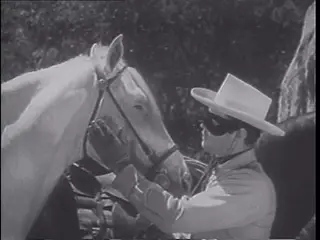
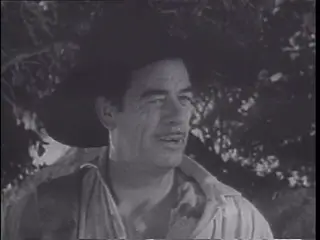
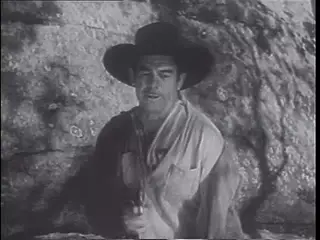
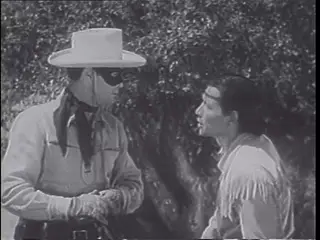
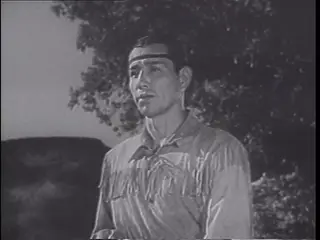
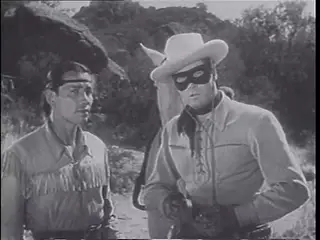
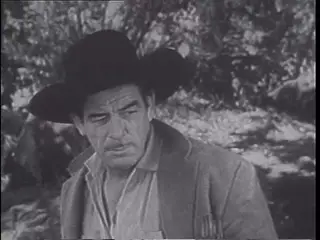
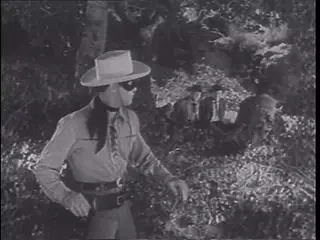
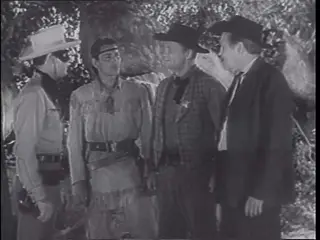
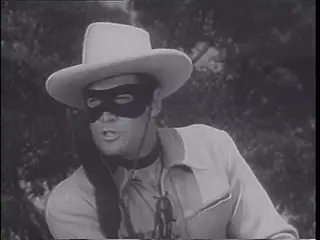
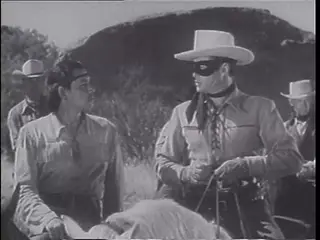
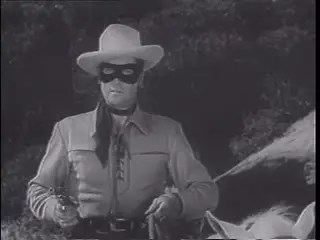
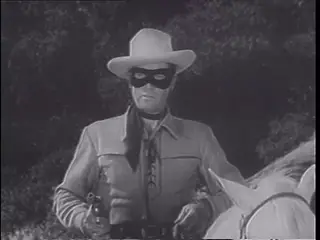
Before the Lone Ranger can become a figure who arrives to help other people, he has to be helped himself. Ranger Reid is the sole survivor of the Cavendish gang’s ambush.4 That exposed position gives Enter the Lone Ranger its centre of gravity. Clayton Moore plays the man who will wear the mask.3 Jay Silverheels plays Tonto.3 The story begins with the distance between the injured Ranger and the identity he will assume, rather than with the masked figure already secure in his purpose.
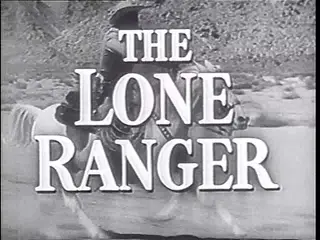
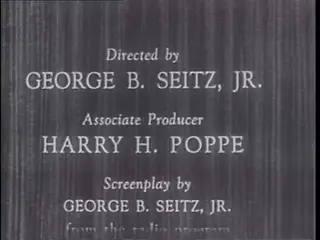
The character had already travelled between media before reaching television. George W. Trendle’s radio property, created in the 1930s, had supplied the basis for two movie serials.6 Trendle hired Jack Chertok, a veteran MGM producer, to bring the property to television.3 George B. Seitz Jr. directed Enter the Lone Ranger.1 He also receives its screenplay credit.2 The episode was broadcast on September 15, 1949.1 Its task was to give an existing identity a visible beginning.
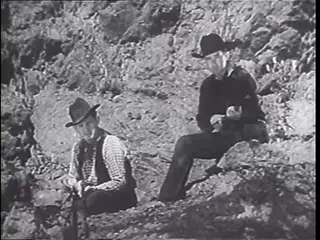
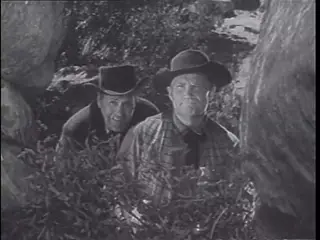
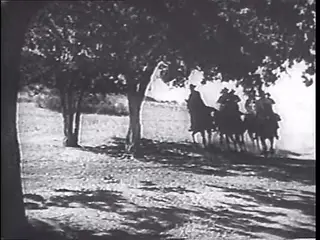
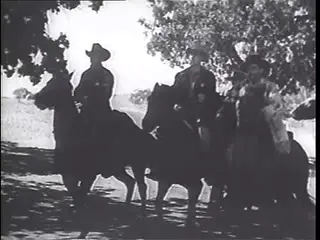
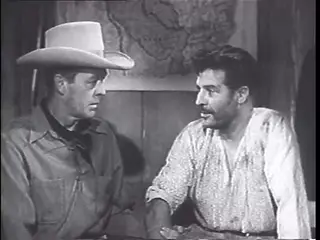
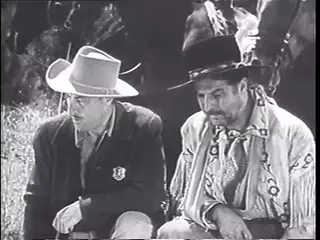
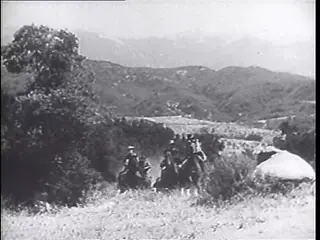
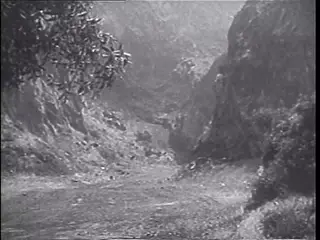
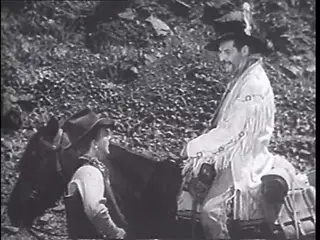
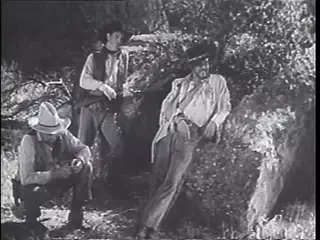
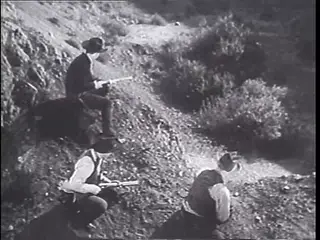
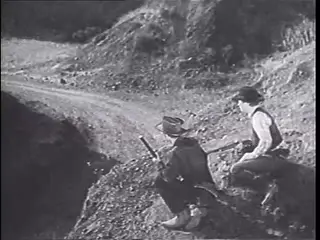
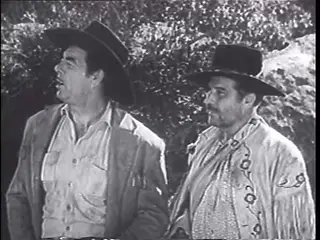
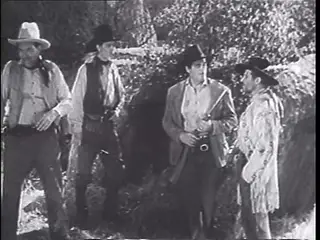
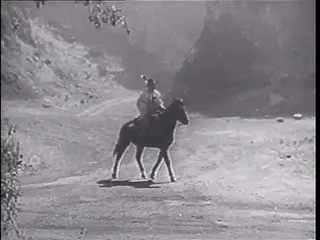
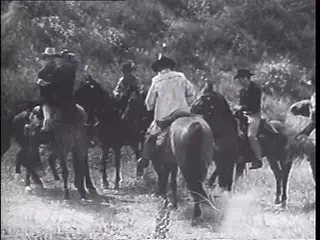
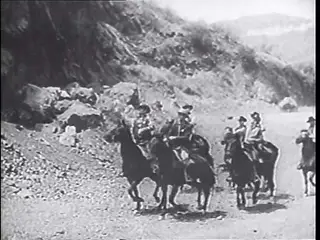
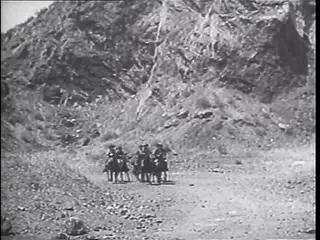
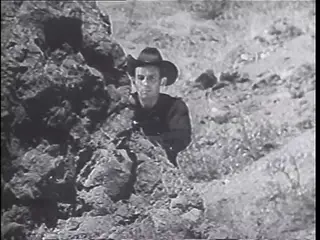
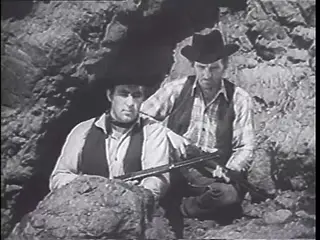
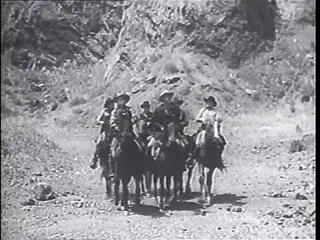
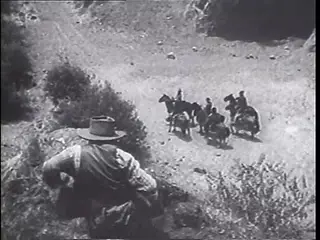
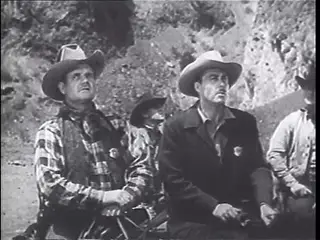
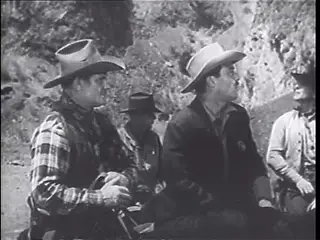
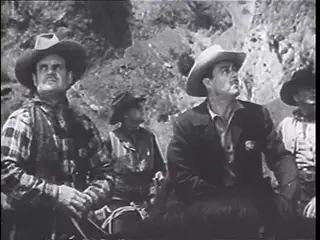
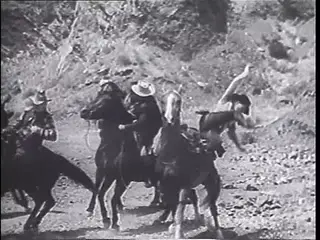
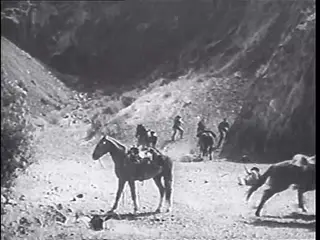
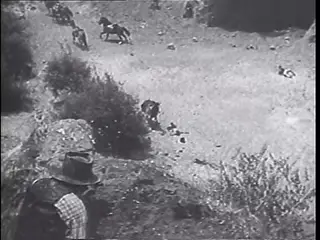
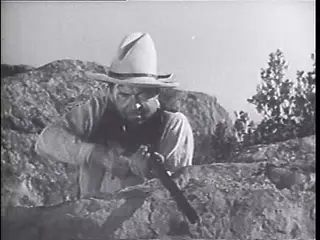
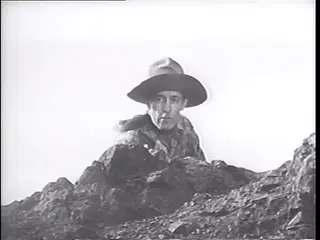
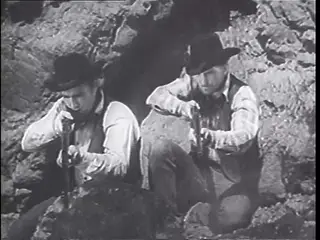
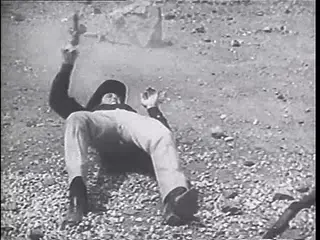
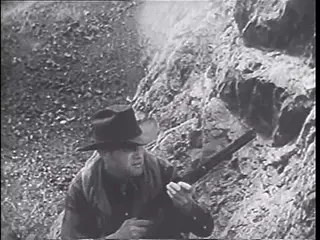
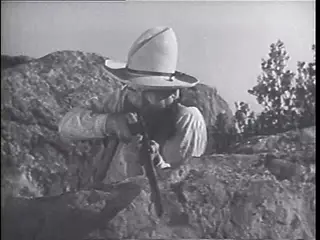
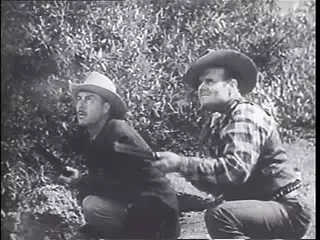
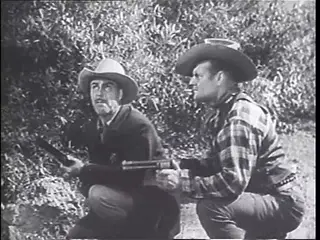
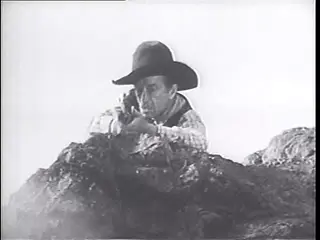
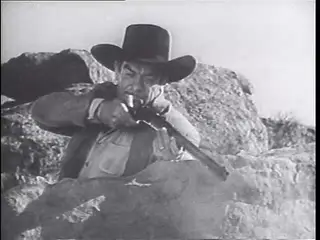
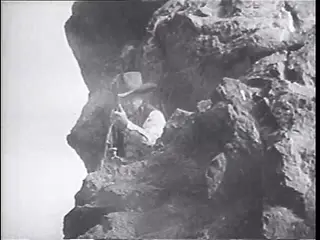
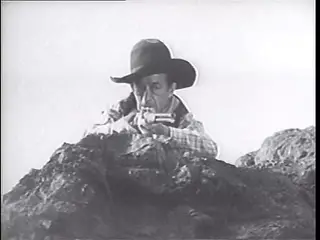
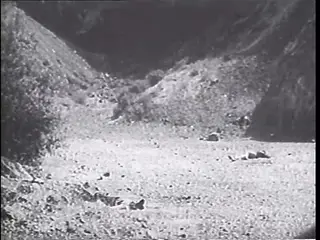
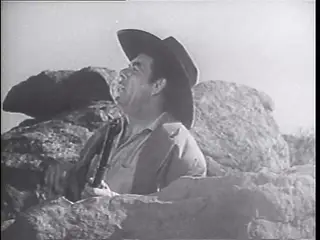
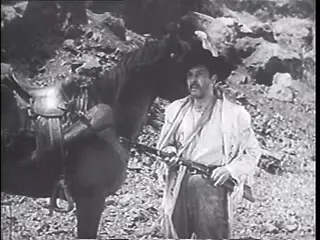
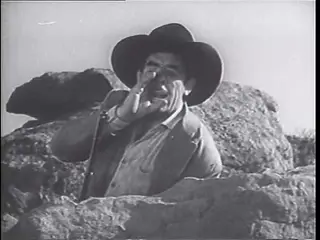
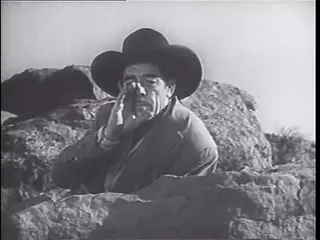
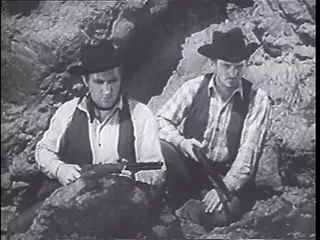
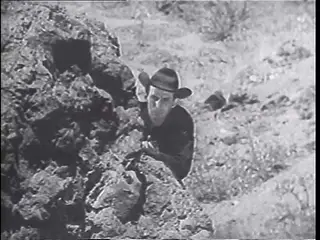
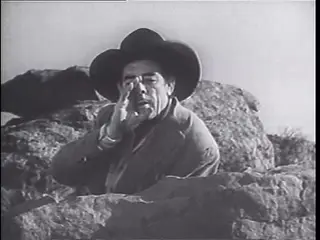
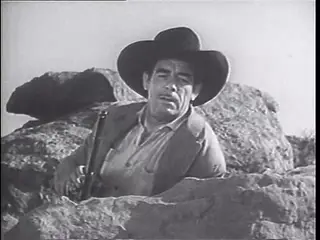
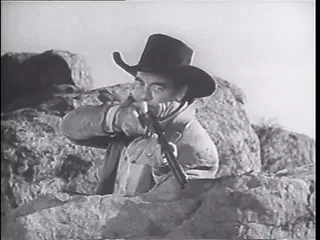
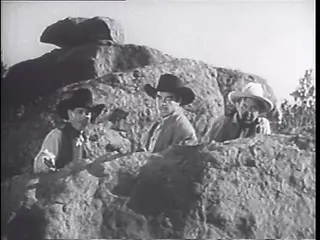
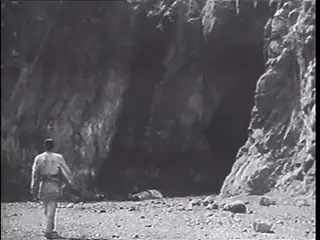
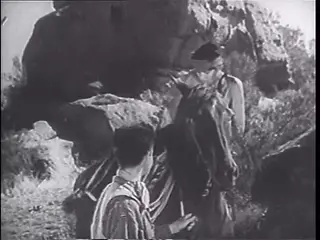
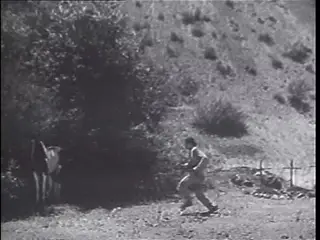
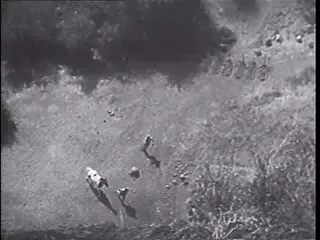
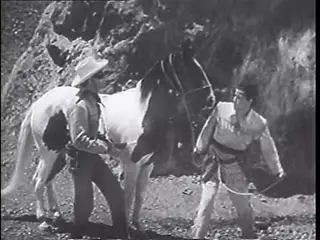
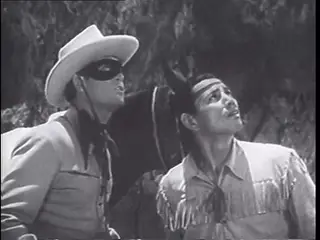
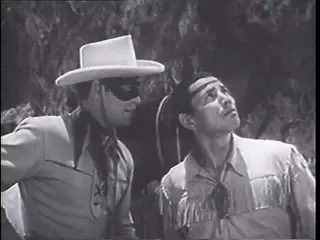
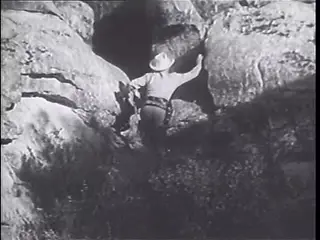
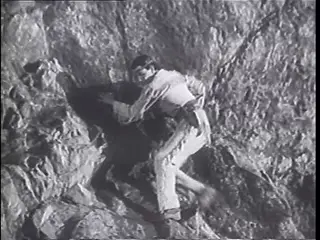
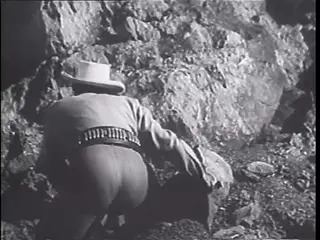
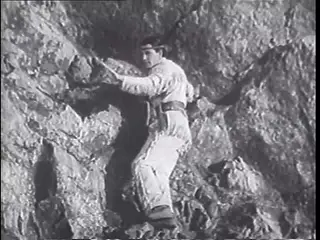
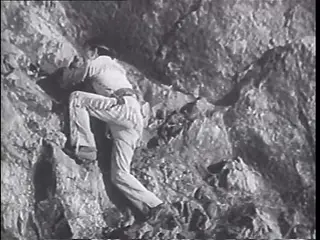
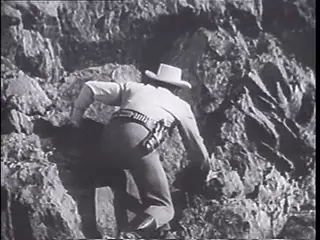
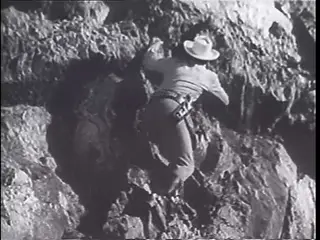
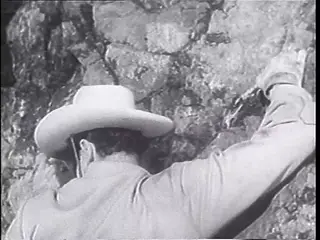
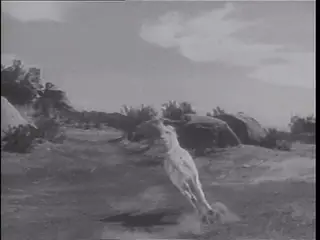
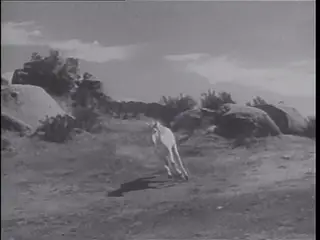
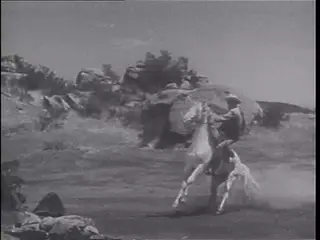
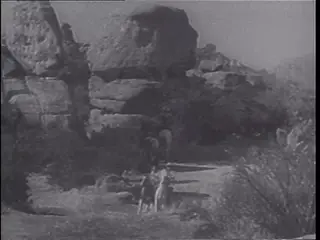
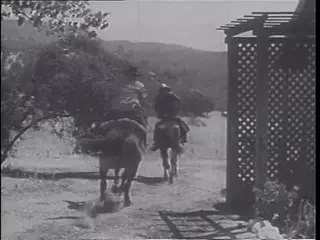
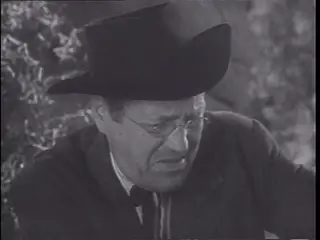
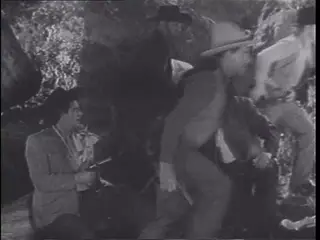
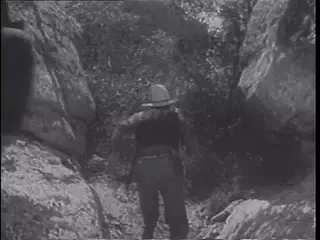
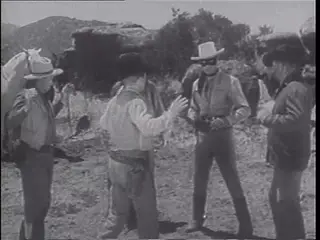
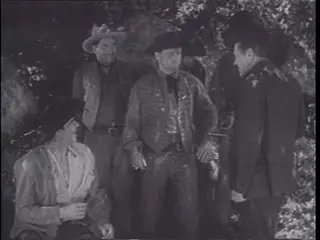
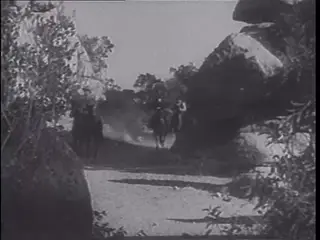
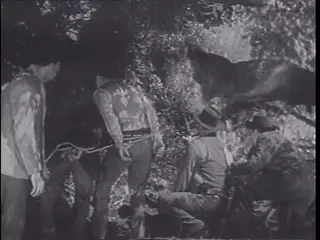
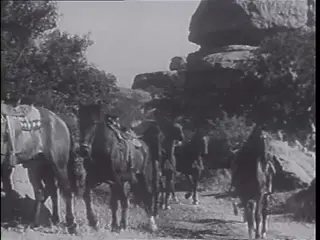
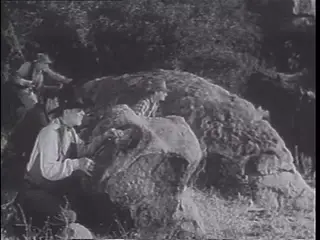
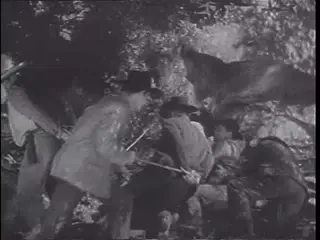
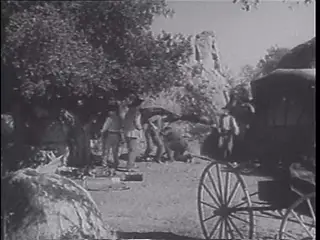
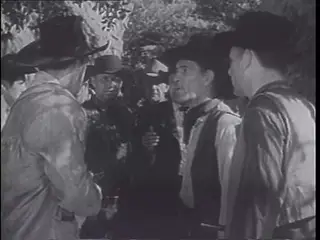
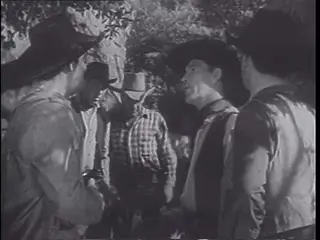
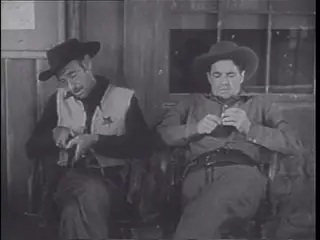
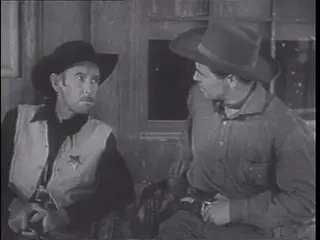
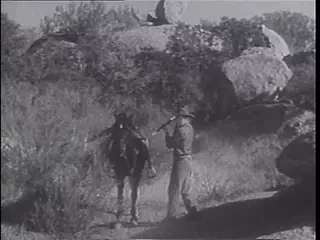
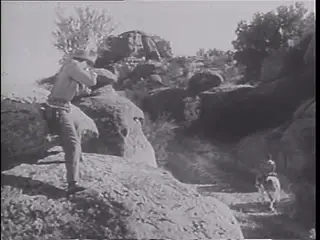
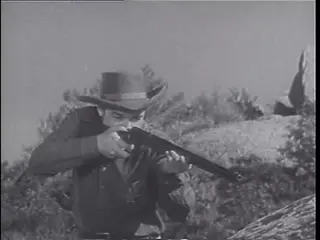
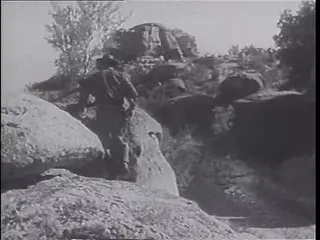
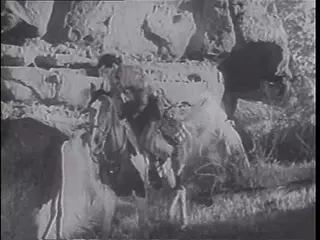
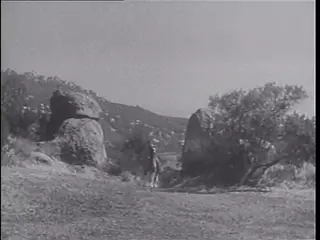
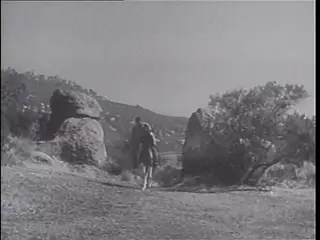
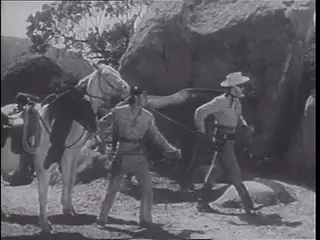
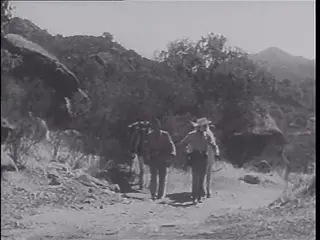
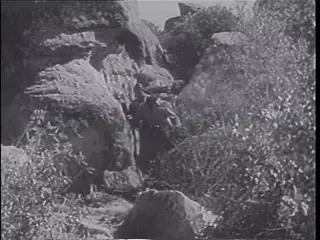
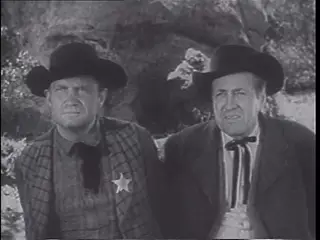
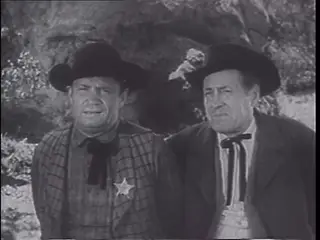
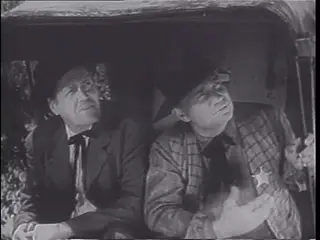
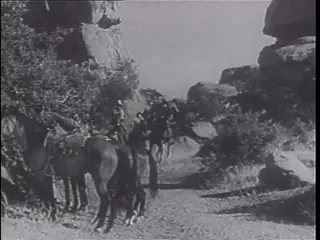
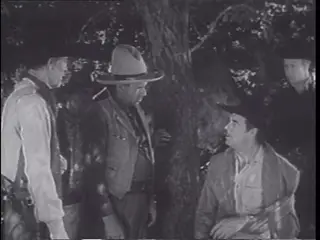
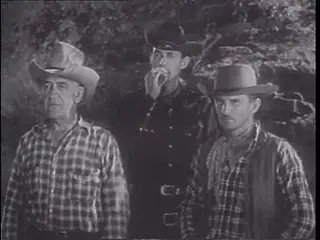
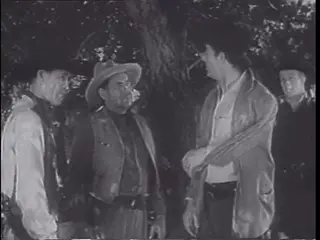
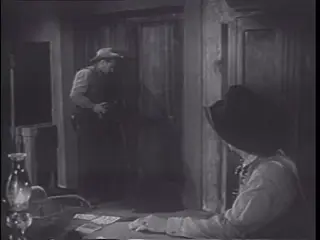
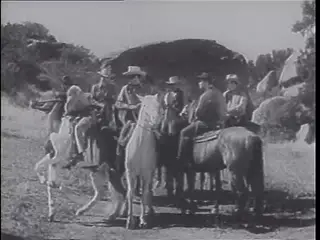
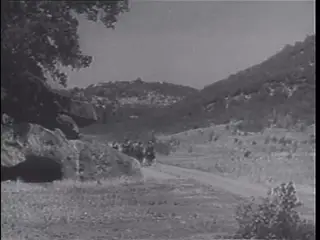
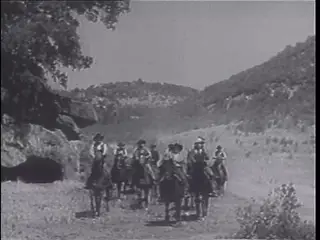
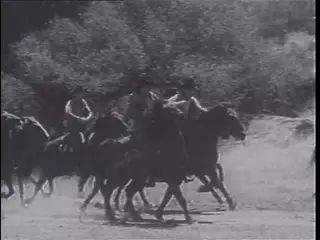
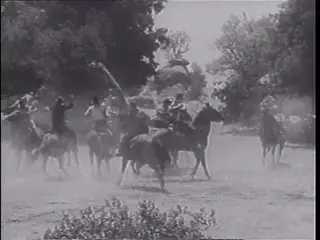
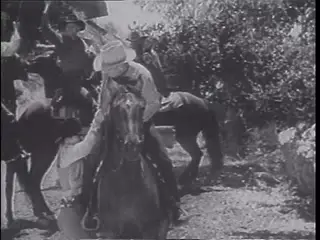
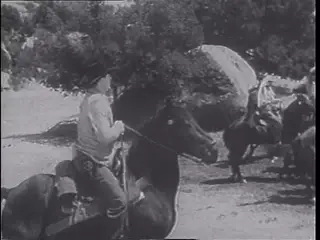
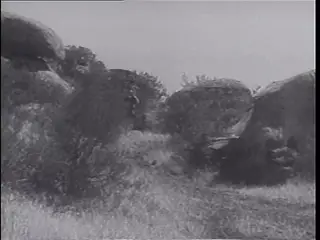
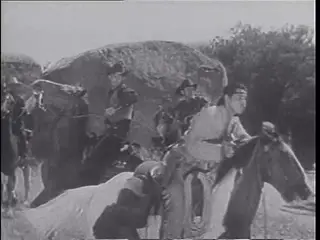
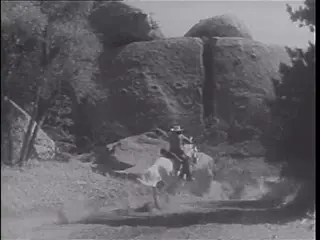
The canyon turns looking into a dangerous, incomplete form of knowledge. At 7:19 in the copy followed by the atlas, one man reports, “The Cavendish outfit is just leaving the far side of the canyon.” Another answers, “I saw their dust.” The exchange gives the landscape a tactical meaning: riders can be located by what they leave behind. Yet the ground limits what anyone can see. Against that confidence in reading distant signs, the ambush makes the Rangers vulnerable. The origin story strips official authority of its protection before rebuilding it around an individual who will work without displaying his name.
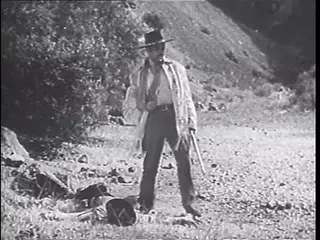
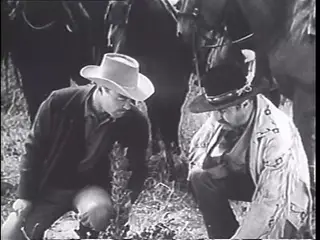
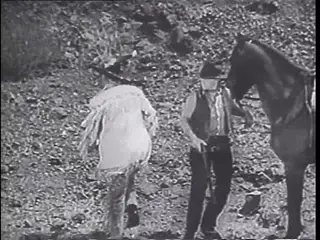
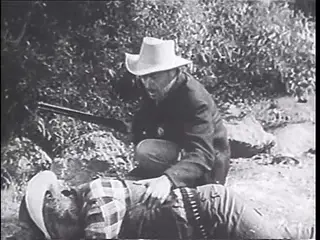
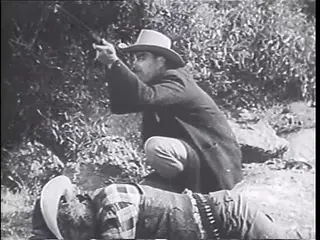
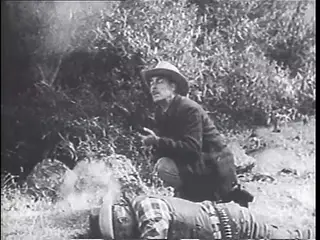
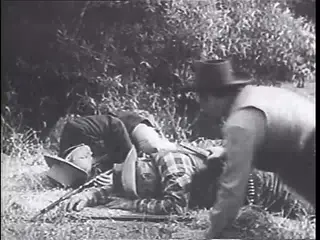
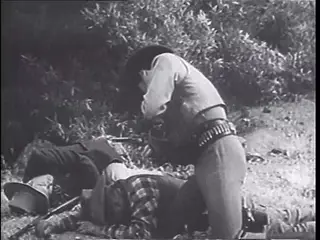
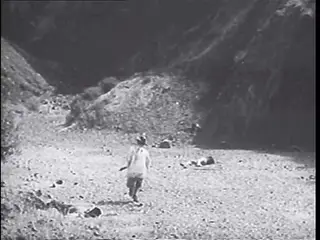
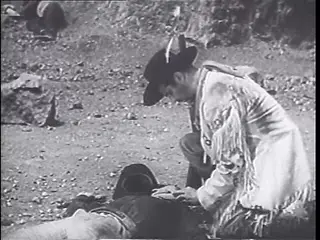
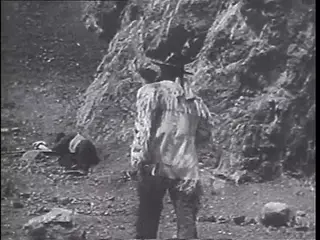
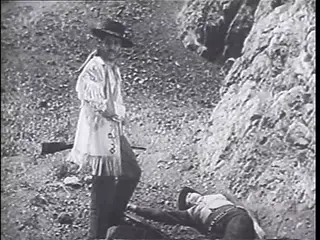
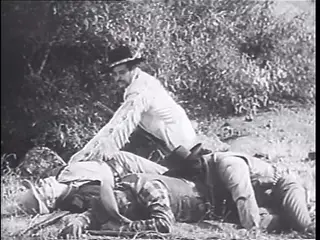
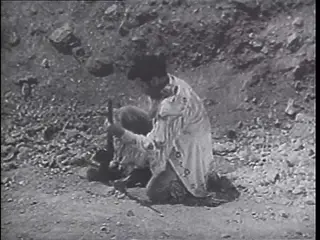
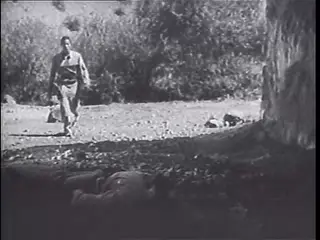
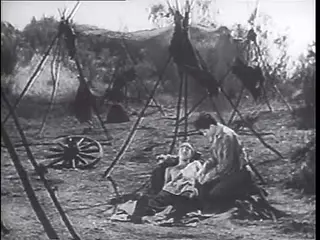
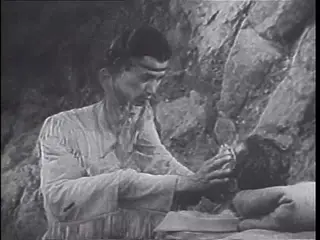
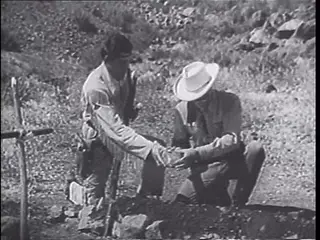
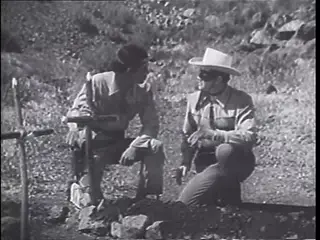
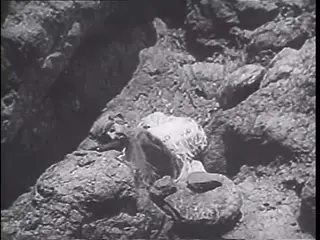
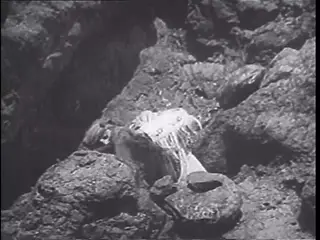
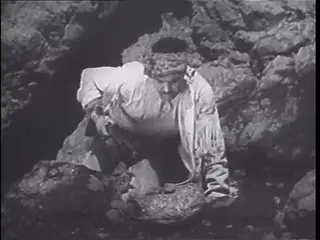
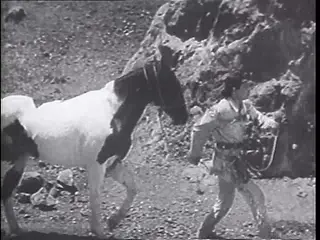
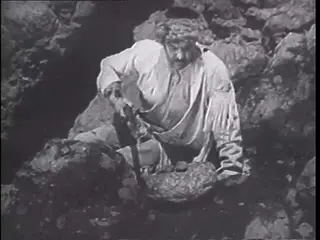
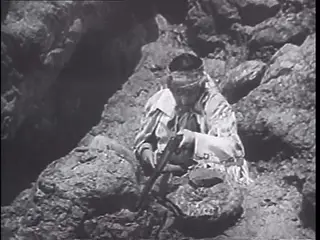
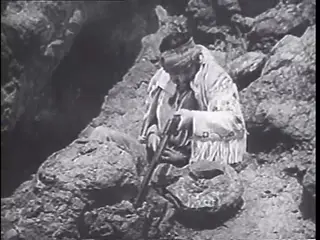
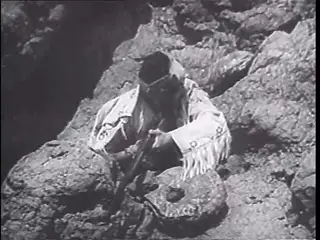
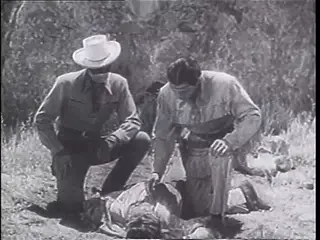
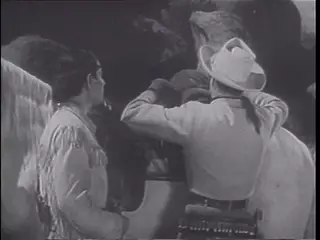
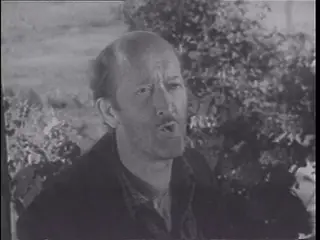
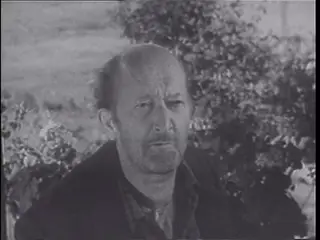
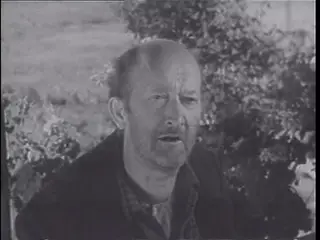
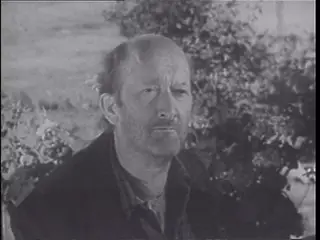
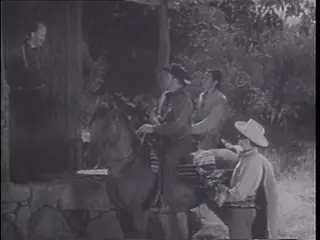
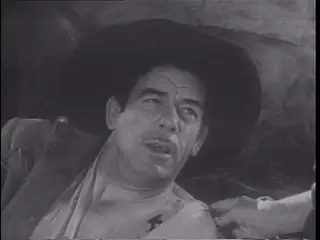
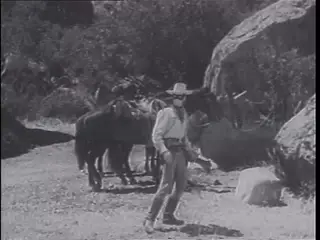
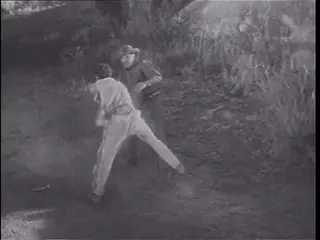
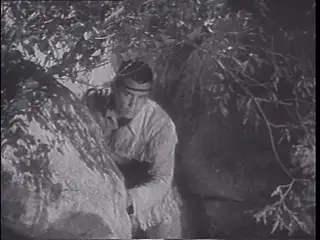
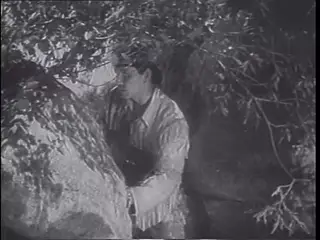
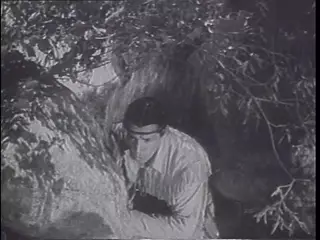
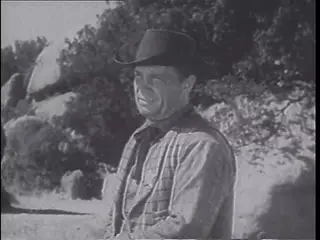
The change of scale afterwards is important. At 13:02, a man kneels beside a spring. A wounded man stirs nearby as another figure enters the canyon among the fallen Rangers. The machine transcript records, “Cold water never felt better,” followed by “Never seemed sweeter than now.” After pursuit and gunfire, the scene gives thirst the weight of an emergency. Survival depends on something close enough to touch.
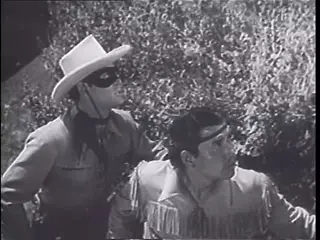
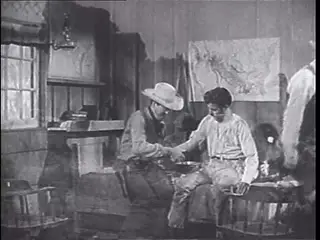
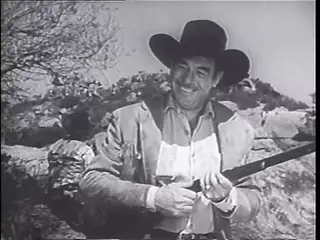
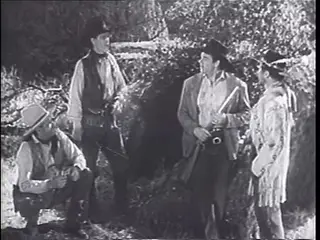
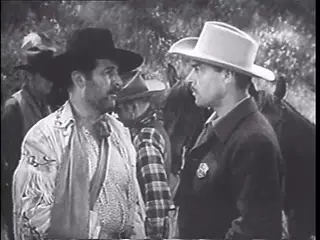
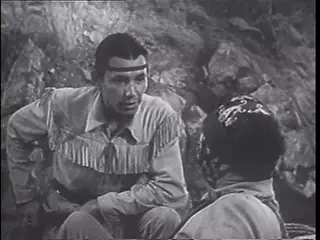
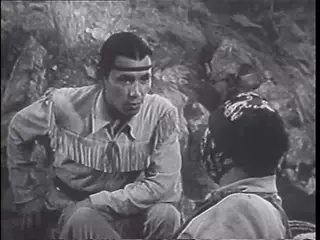
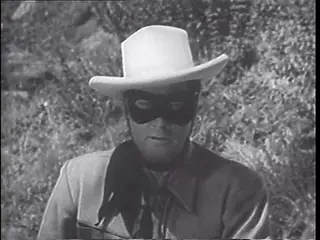
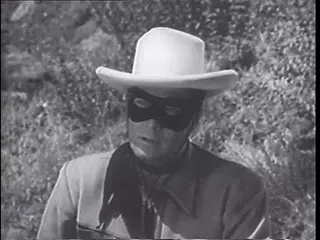
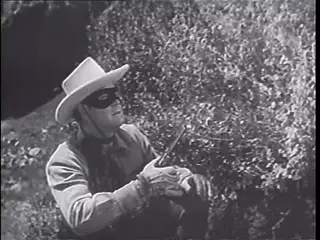
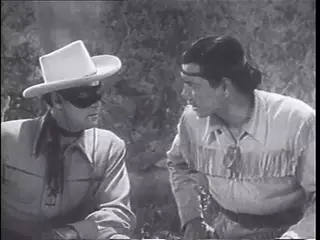
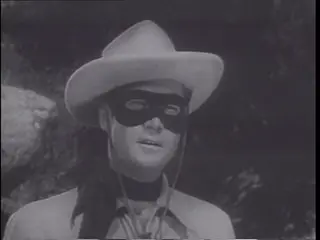
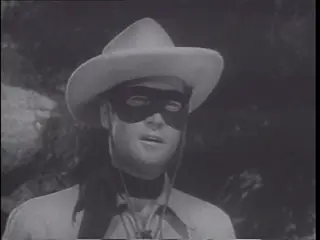
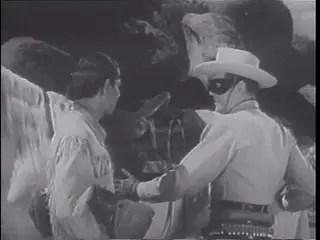
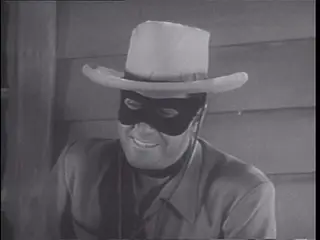
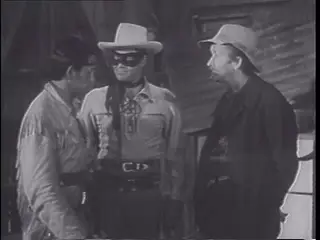
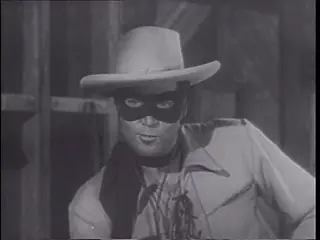
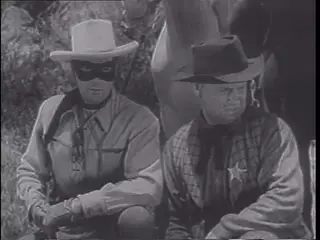
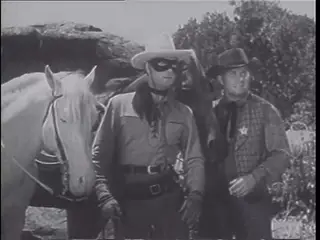
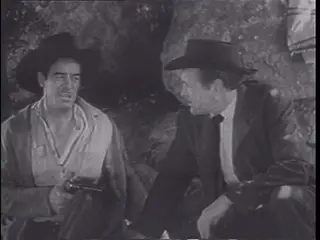
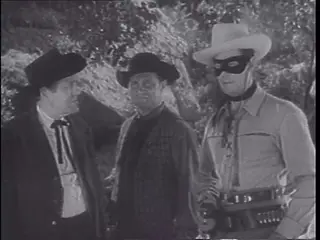
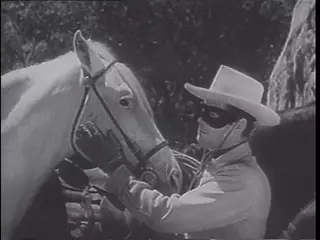
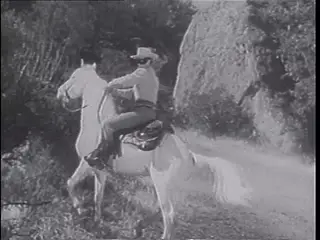
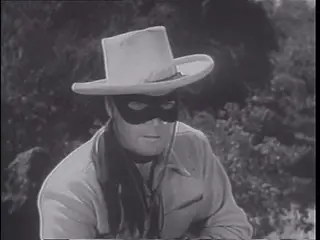
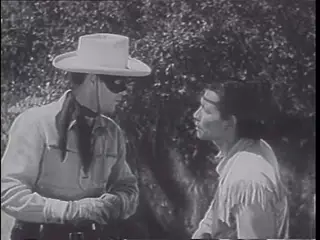
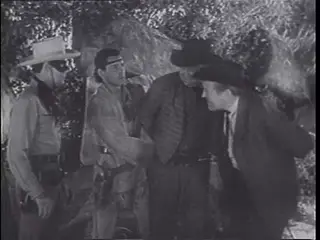
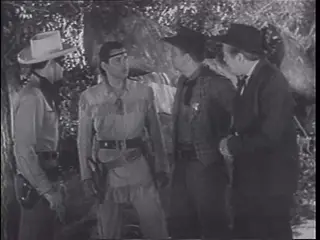
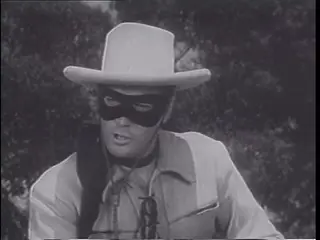
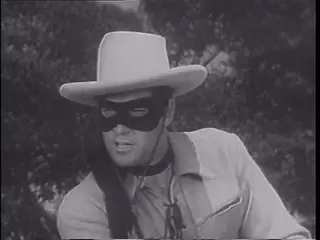
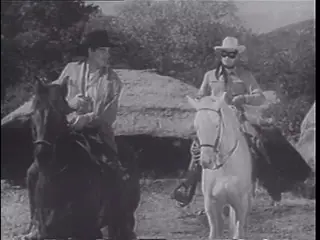
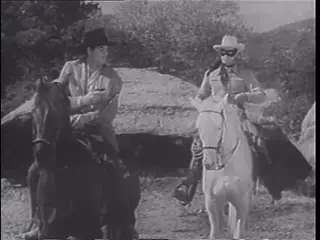
Later, at 21:37, a conversation involving the masked man includes the promise, “We’re going to capture him alive.” The line makes the new identity more than a device for concealment. Capture offers a contrast to the ambushers’ methods. The distinction belongs to a practical conversation about what to do next, rather than a speech about justice.
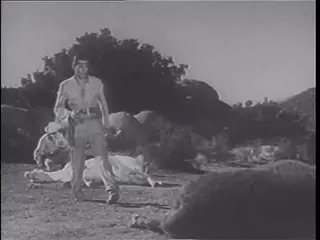
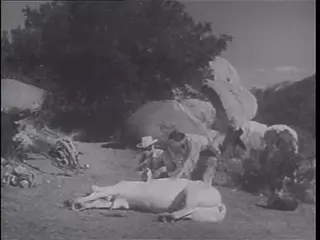
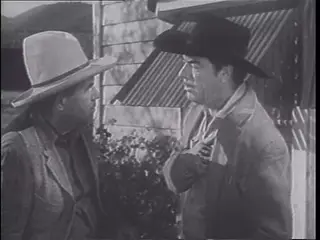
There is, however, a material complication in watching the object supplied here. Enter the Lone Ranger was a half-hour programme of about 30 minutes.4 The atlas follows the Internet Archive copy identified as enter_the_lone_ranger, with 449 shots over 68 minutes. The longer running time leaves the boundaries of the episode uncertain in this file. A title attached to a circulating copy cannot, by itself, establish where an original episode ends.
The property’s commercial life continued well beyond this opening story. The television series ran on ABC from 1949 to 1957.3 In July 1954, Trendle sold rights in The Lone Ranger to the Wrather Corporation for $3 million.8 The episode has since acquired other routes to viewers. It appears in Festival Films’ collection offered as public-domain Lone Ranger television.5 An episode copy is freely accessible through the Internet Archive.2 Those channels help explain its availability outside the original broadcast setting. A distributor’s classification is not a substitute for examining the particular film’s copyright record.
The record: Registration LP186 by The Lone Ranger, Inc is dated 15 September 1949. The registry found no renewal in the renewal volumes for 1976 to 1978, nor in the Copyright Office's records from 1978 on; on that reading the term ended on 31 December 1977 and the film has been free in the US since 1 January 1978. The record does not settle the identity of the longer circulating copy. Separate rights in the character and underlying material remain outside that finding.
Written 6 September 2026 by gpt-6-astra from the registry record, the atlas's own evidence and the sources below, gathered by Qwen/Qwen3.8-Max with web search and questioned by deepseek-ai/DeepSeek-V4-Pro. Numbered notes are the sources; a claim marked unverified has no source yet; times open the atlas at that second. How these are made and checked.
- en.wikipedia.org https://en.wikipedia.org/wiki/List_of_The_Lone_Ranger_episodes
- archive.org https://archive.org/details/the-lone-ranger-1949-s-01-e-01-enter-the-lone-ranger
- en.wikipedia.org https://en.wikipedia.org/wiki/The_Lone_Ranger_(TV_series)
- tvguide.com https://www.tvguide.com/tvshows/the-lone-ranger/episodes-season-1/1000293489/
- fesfilms.com https://www.fesfilms.com/public-domain/television/lone.html
- ebsco.com https://www.ebsco.com/research-starters/arts-and-entertainment/lone-ranger-tv
- imdb.com https://www.imdb.com/title/tt0041038/
- detroithistorical.org https://www.detroithistorical.org/learn/online-research/encyclopedia-of-detroit/trendle...
- en.wikipedia.org https://en.wikipedia.org/wiki/George_W._Trendle
- imdb.com https://www.imdb.com/title/tt0635367/
- en.wikipedia.org https://en.wikipedia.org/wiki/Lone_Ranger
 0:08
0:08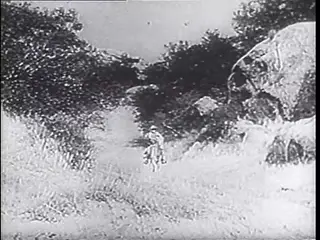



 Impact
  Jigsaw
  Snow Foolin'
  Africa Screams
  Cavalry
  Law of the Lash
  Billy the Kid Wanted