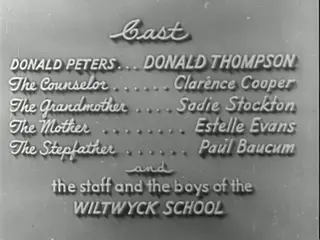
 0:09
0:091 of 1 shots sampled
1. Beat 1
Model synopsis: The beat shows a cast credit card for the film 'THE QUIET ONE', listing actors and roles, and mentions the Wiltwyck School. No people, actions, or settings are depicted beyond the text on screen.
No renewal found Free in the US since 1 January 1978, on the registry's reading: registration LP2552 of 1949 by Film Documents, Inc was not renewed in the volumes searched. Record.
A child’s rehabilitation becomes a meeting place for documentary, dramatic writing and the difficult business of speaking on someone else’s behalf.
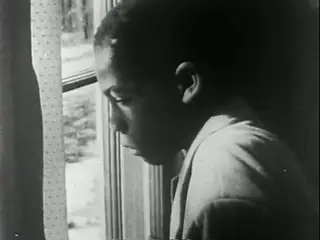
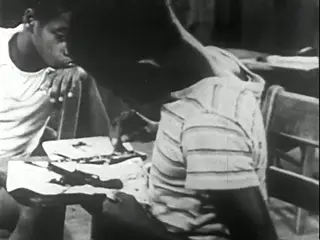
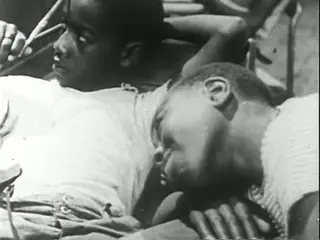
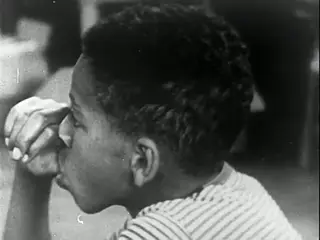
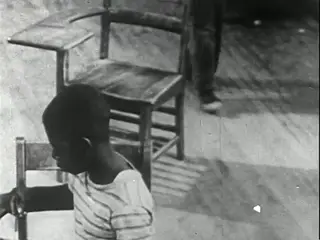
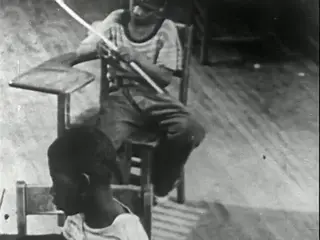
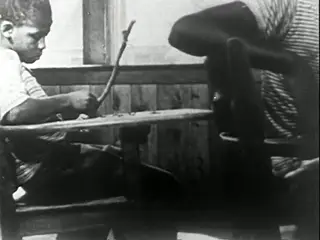
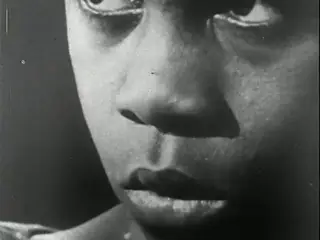
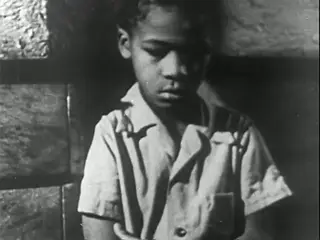
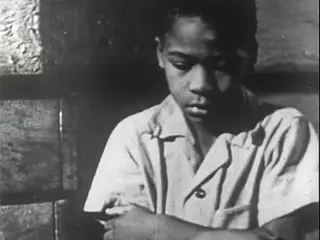
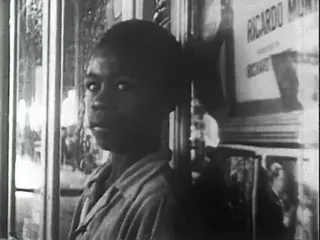
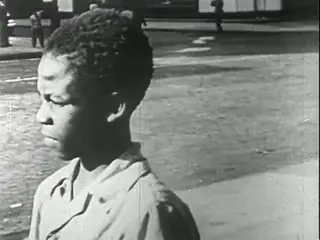
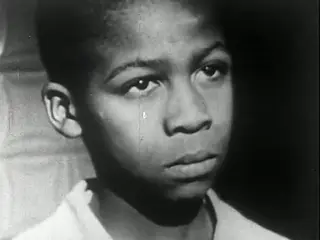
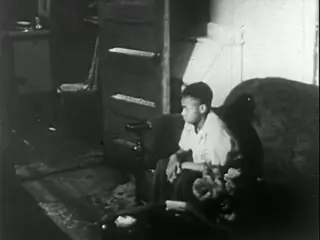
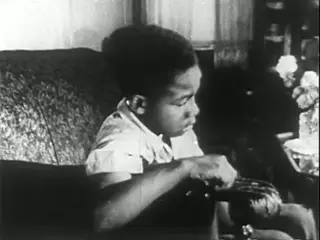
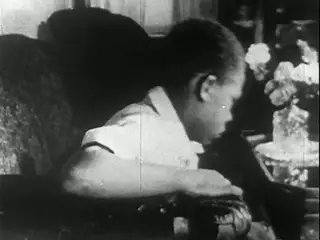
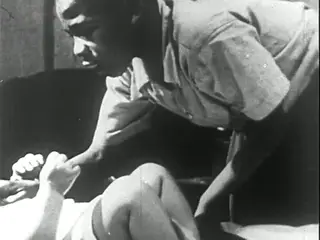
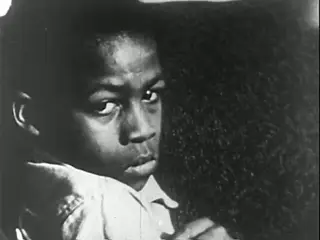
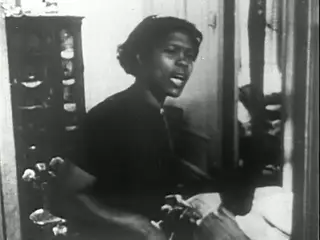
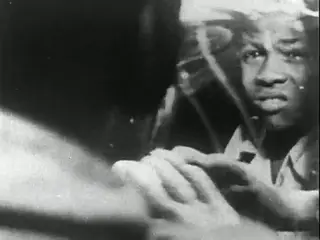
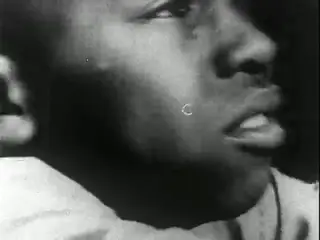
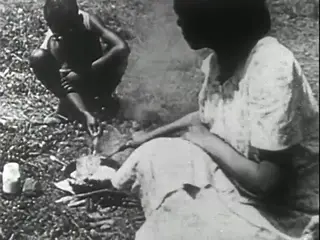
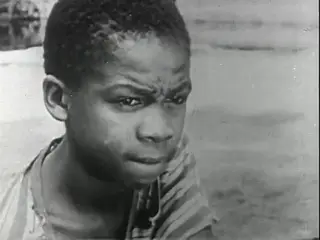
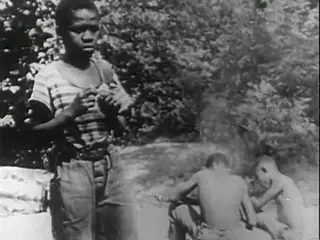
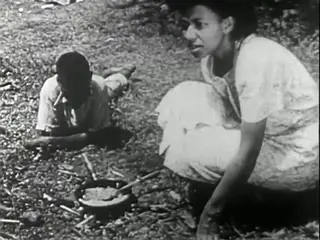
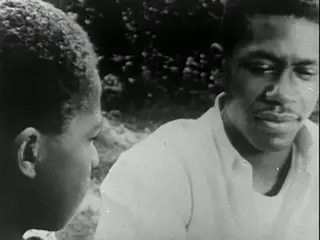
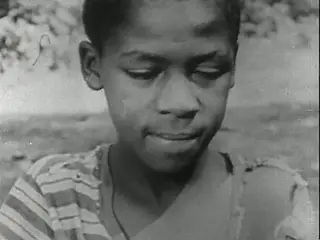
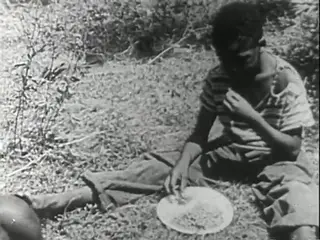
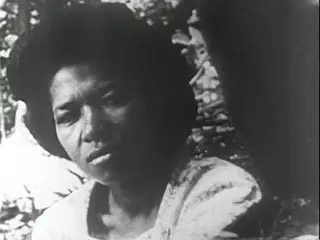
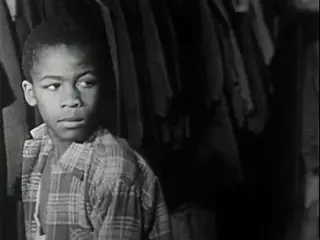
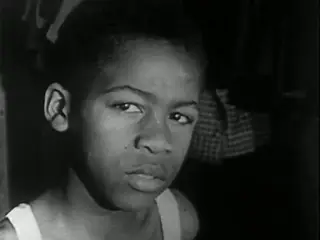
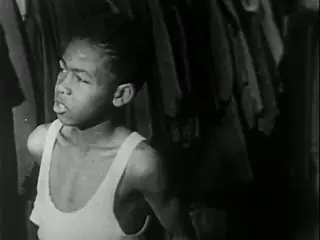
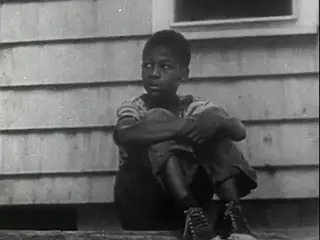
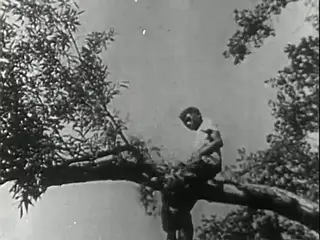
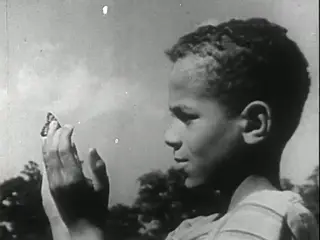
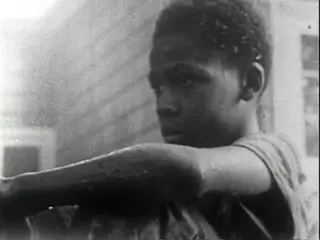
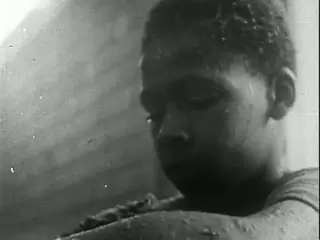
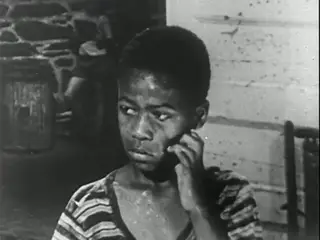
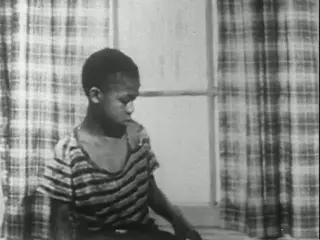
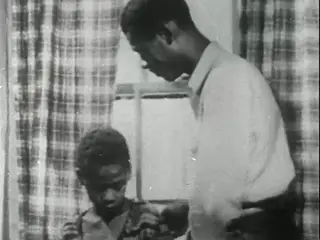
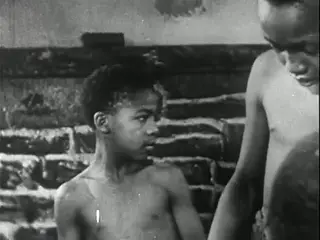
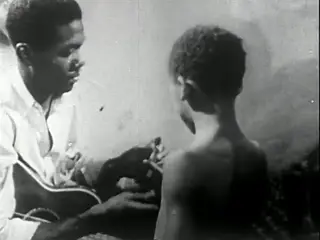
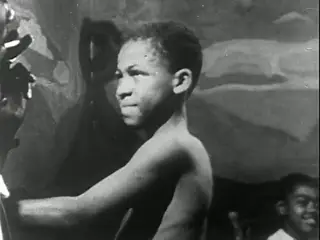
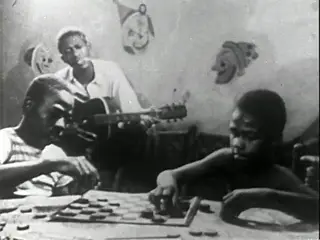
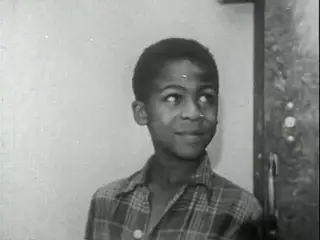
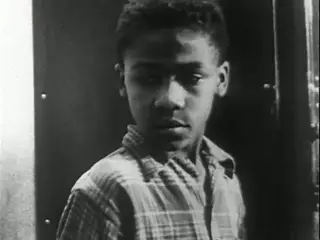
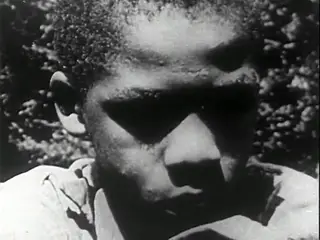
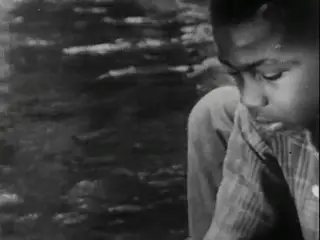
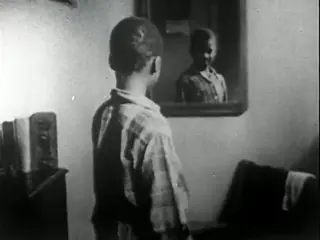
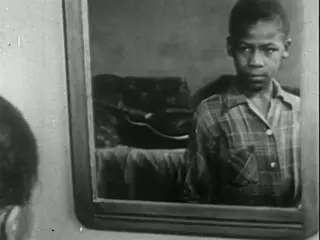
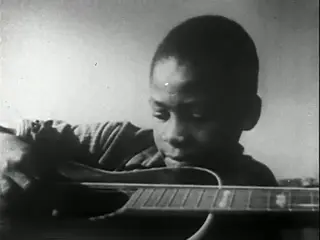
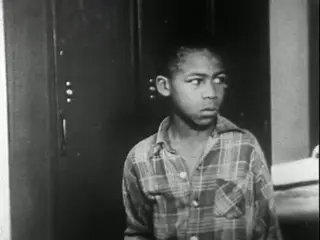
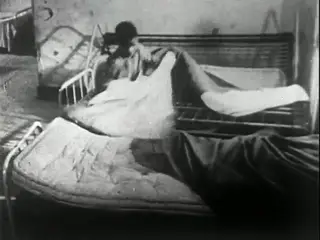
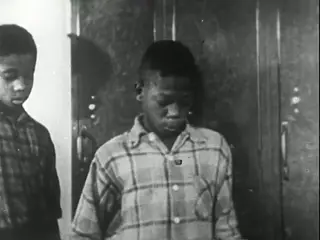
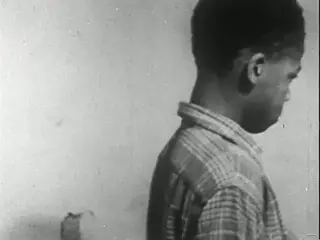
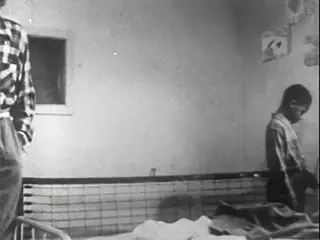
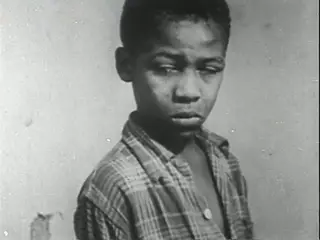
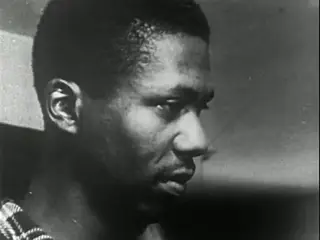
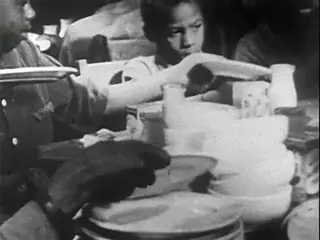
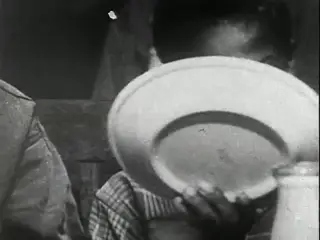
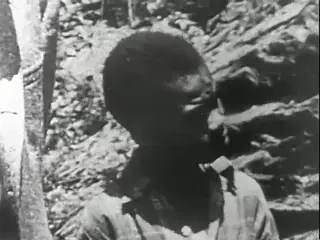
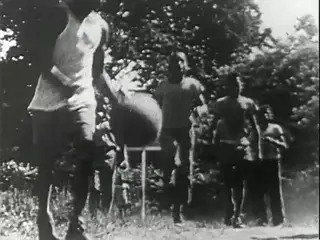
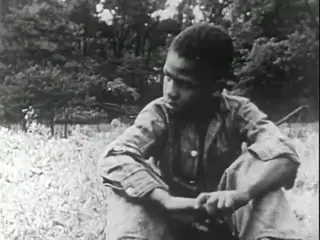
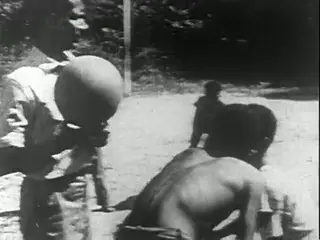
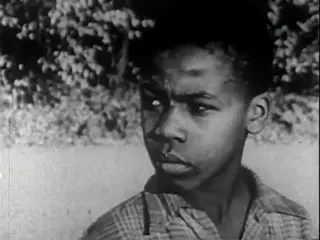
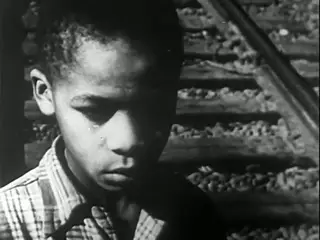
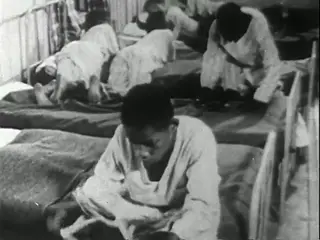
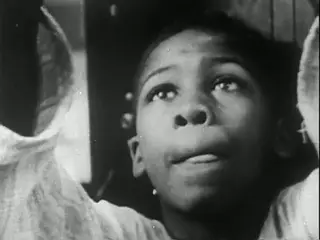
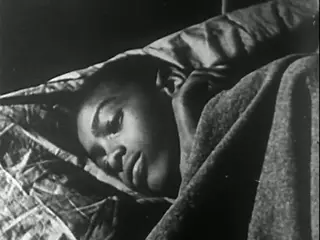
The Quiet One received Academy Award nominations both as a documentary feature and for its story and screenplay.14 That pairing catches the film’s central tension better than either category alone. Its subject is a ten-year-old Black boy attending the Wiltwyck School for Boys in Esopus, New York.1 Yet the screenplay credit matters: this is not simply a record of a child placed before a camera, but a documentary drama that gives his experience a narrative shape. The nominations mark two different kinds of attention to the same work. One concerns its encounter with a life; the other concerns the work of making that life intelligible to strangers.
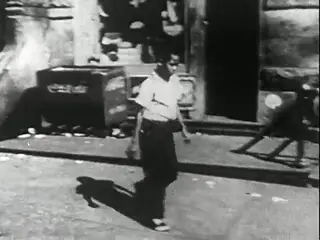
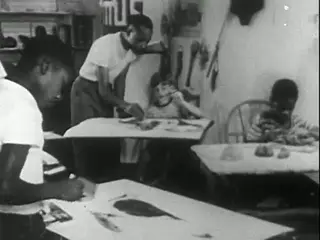
Sidney Meyers directed the film for Film Documents, Inc.1 Producer Janice Loeb shared the original screenplay credit with Meyers and Helen Levitt.13 The overlap between production and writing suggests how closely the screenplay belonged to the work of gathering and arranging the film’s material. The story concerns a child from Harlem undergoing treatment at Wiltwyck.8 The institution gives the film its practical concern: how to help a boy whose emotional difficulties have made ordinary relations with other people hard. The dramatic task is to make that process comprehensible without turning the child into nothing more than an illustration of treatment.
James Agee wrote the commentary spoken by Gary Merrill.3 That division is especially important to a film called The Quiet One. An adult voice carries words written to explain the child. The arrangement places a problem of authority inside the form itself. A voice can supply connections that behaviour alone might leave obscure. But explanation is not the same thing as access to another person’s thoughts. The title helps us recognise the distance between the person at the centre of the story and the people responsible for telling it. The film’s documentary and dramatic identities meet in that distance.
The New York Times review is dated February 14, 1949.3 The year attached to the film has remained less stable: it is catalogued and screened under both 1948 and 1949.110 Neither date alters the distinction between its reception and the boy’s story. The Academy nominations register the attention paid to the film as a finished work. Their categories offer little help, however, with the problem of speaking for the child whose treatment supplies its narrative.
Later screenings have continued to offer different frames for viewing it. The Quiet One was programmed at MoMA on March 2, 1995, as part of a programme of Academy-nominated films.9 That setting kept its original recognition in view. UCLA programmed it in the 2020 series American Neorealism, Part One: 1948-1984.10 The series title supplied a different frame from the Academy’s categories. A digitised copy is also hosted on Wikimedia Commons.11 An accessible viewing copy serves a different purpose from a retrospective screening. Its presence alone does not explain the rights history that permits it to circulate.
The record: Registration LP2552 by Film Documents, Inc is dated 12 February 1949. The registry found no renewal in the renewal volumes for 1976 to 1978, nor in the Copyright Office's records from 1978 on; on that reading the term ended on 31 December 1977 and the film has been free in the US since 1 January 1978. This is a conclusion drawn from the registration and the reported renewal searches, not from the mere presence of a downloadable file. The record does not settle the status of material that may have been added to later editions.
Written 6 September 2026 by gpt-6-astra from the registry record, the atlas's own evidence and the sources below, gathered by Qwen/Qwen3.8-Max with web search and questioned by deepseek-ai/DeepSeek-V4-Pro. Numbered notes are the sources; a claim marked unverified has no source yet; times open the atlas at that second. How these are made and checked.
695 shots over 1:03:56 · 345 beats in 193 sequences · 390 transcript lines · JSON
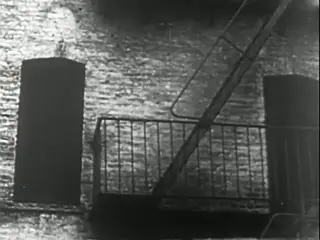
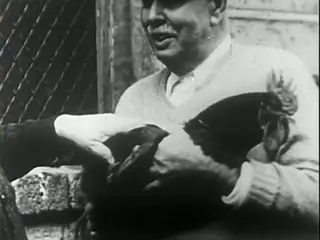
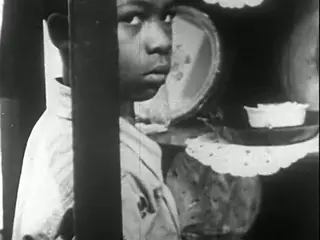
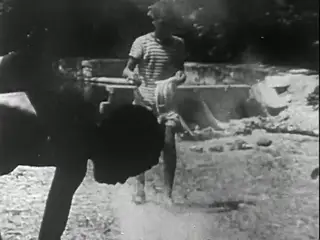
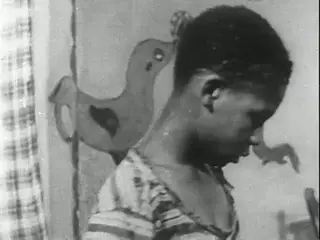
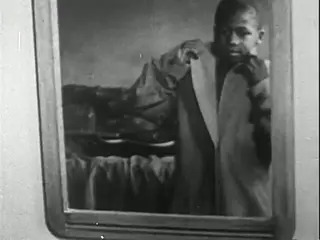
695 shots over 1:03:56, read from the Internet Archive copy the_quiet_one (the_quiet_one.mp4, 640×480, 29.97 fps). Shot boundaries by PySceneDetect's adaptive detector; each frame links to the Archive's player at that second. Registry dossier: The Quiet One No renewal found. JSON
Measurements: black-and-white film on its keyframes (0 of 695 shots judged colour), average shot 5.5s long, a frontal face detected in 12% of keyframes. Shots are detected automatically and each is represented by its midpoint frame.
Released 1948 (Internet Archive); copyright registered 1949 (catalog).
345 beats in sequences, cut automatically at shot boundaries scored on picture change, pauses in speech, topic shifts, on-screen text and cutting rhythm (each beat says why it starts where it does). Each is annotated by a vision-language model from four sampled frames and the transcript lines in it, as observations with evidence; anything the frames and lines do not support is left null. Machine annotation (Qwen/Qwen3-VL-235B-A22B-Instruct), checked automatically: quotes must be verbatim, names must be spoken, "visible" events are sampled to a second model.
Passages cut at shot boundaries and annotated by a machine from four sampled frames and the transcript lines in them. Each beat says why it starts where it does and what was checked; sequences are visual groups, not scenes.
0:09Model synopsis: The beat shows a cast credit card for the film 'THE QUIET ONE', listing actors and roles, and mentions the Wiltwyck School. No people, actions, or settings are depicted beyond the text on screen.
 0:46
0:46Model synopsis: The frame shows a studio credit card for Mayer-Burstyn Inc. No people, actions, or settings are depicted. The beat contains no spoken dialogue or visible events.
 1:15
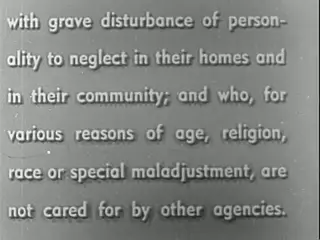
1:15Model synopsis: The beat consists of a single frame showing OCR text that discusses neglect in homes and communities due to personality disturbance and maladjustment. No people, actions, or named entities appear in the frames or transcript for this beat.
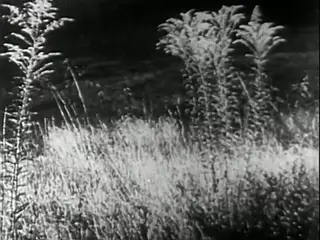
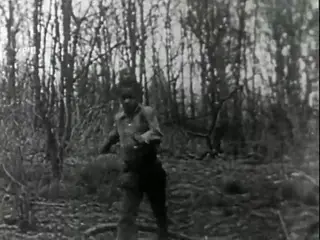
Model synopsis: A person moves through dense foliage in a black-and-white sequence. No dialogue or named characters are present, and the setting appears to be outdoors in natural vegetation.
1 person observed.
“*whistling*” 1:44
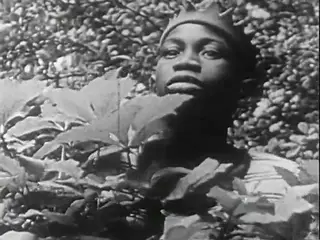
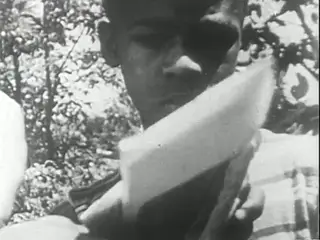
Model synopsis: A young person is shown in close-up among foliage, with a voice saying 'Come here, brother. Watch it.' The setting appears to be outdoors with dense vegetation.
1 person observed.
 1:58
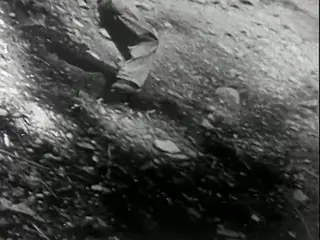
1:58Model synopsis: A close-up shot shows a ground-level view of leaves and pebbles. No people, dialogue, or on-screen text are visible in this beat.
 2:02
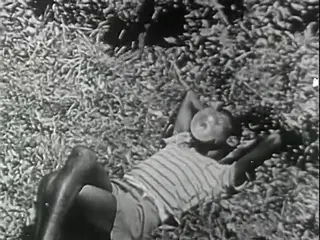
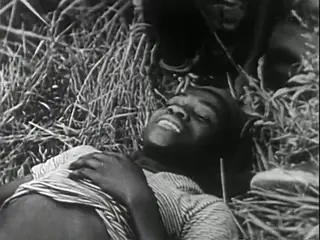
2:02Model synopsis: A child lies on grass in a black-and-white frame. No dialogue or on-screen text is present in this beat.
1 person observed.
 2:04
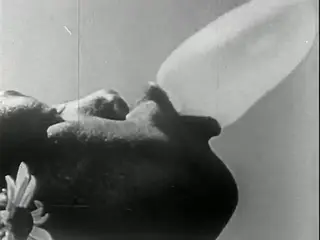
2:04Model synopsis: A close-up shows a dark, textured object with a light-colored, curved shape above it and a flower-like object to the left. No people, dialogue, or identifiable location are visible in this single frame.
 2:06
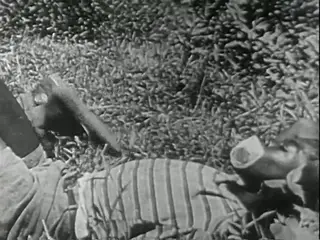
2:06Model synopsis: A person lies on grassy ground, partially visible, wearing striped clothing and a hat. No dialogue or other actions are shown or heard in this beat.
1 person observed.
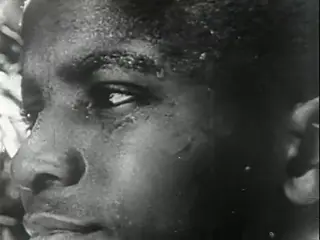
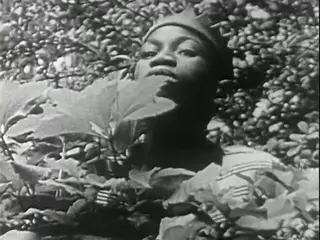
Model synopsis: A child is seen partially obscured in foliage, with close-ups on their face and body. The voiceover reflects on the child's ordinary nature despite being deformed by circumstances.
1 person observed.
“When I watch them playing, they seem like ordinary children.” 2:09 · “By all rights, they are ordinary children, but circumstances have deformed them.” 2:14
Model synopsis: A man is seen outdoors in a wooded area, walking away from the camera. A voice-over from a psychiatrist discusses helping troubled youth by showing them they are wanted.
1 person observed.
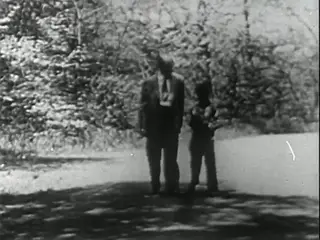
“Some of them have serious delinquency records, and nearly all of them are sick enough to need my help as a psychiatrist.” 2:23 · “The root of most of their troubles is that nobody has ever wanted them.” 2:32
 2:45
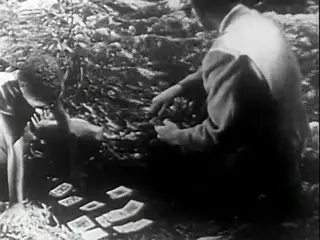
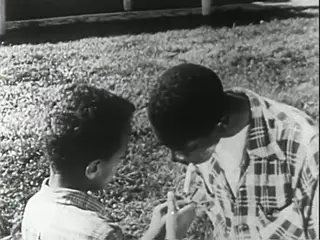
2:45Model synopsis: Two people are crouched on the ground outdoors, handling small rectangular objects laid out on the ground. The scene is shot in black and white with high contrast lighting.
2 people observed.
Model synopsis: A boy sits on a tree stump near water while another boy is visible in the background; a narrator introduces Donald Peters, a 10-year-old boy whose story is being told in fragments. The setting appears to be outdoors near a stream or riverbank.
Named: Donald Peters (t:2:48). 2 people observed.
“This is the story of one of these 80 boys, Donald Peters, 10 years old. How he lost his way, and how at last he began to find it.” 2:48 · “We learn this story very slowly by bits and pieces.” 3:00
Model synopsis: A young boy named Donald is shown alone outdoors, holding a stick and later a paper, while scattered playing cards lie on the ground. The narration describes his loneliness and silence over several months.
Named: Donald (t:3:06). 1 person observed.
“But we'll try to tell it as it happened to Donald.” 3:06 · “Donald has made no friends.” 3:36
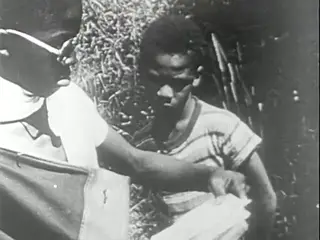
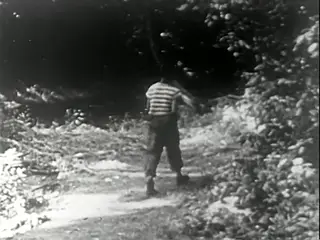
Model synopsis: A man in a striped shirt is shown outdoors, receiving or holding papers while another person interacts with him; the transcript notes he has never received a letter. The setting appears to be natural, with foliage visible.
2 people observed.
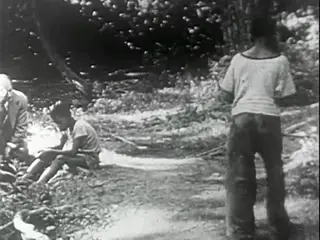
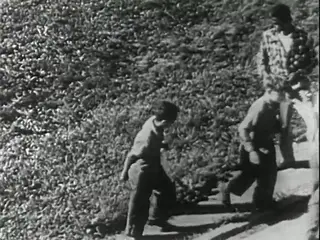
Model synopsis: A boy walks away from two seated figures on a dirt path in a wooded area. The voiceover describes his emotional development regarding expressing unhappiness.
3 people observed.
“But he is learning to endure disappointment.” 3:59 · “He used to hide himself to suffer.” 4:03
 4:19
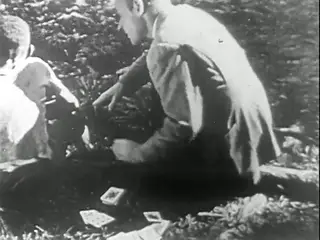
4:19Model synopsis: A boy and an adult are seated outdoors on the ground with playing cards scattered nearby. The transcript suggests the adult is discussing the boy's need for attention and jealousy, and mentions someone named Donald.
Named: Donald (t:4:21). 3 people observed.
“This boy wants all my attention.” 4:12 · “At this stage, they're painfully jealous.” 4:17
 4:28
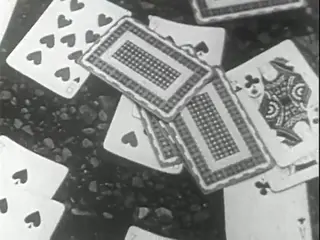
4:28Model synopsis: A close-up shows scattered playing cards on a dark, textured surface. No people, dialogue, or identifiable location are visible in this beat.
 4:30
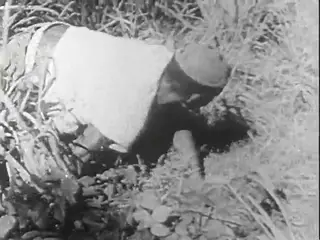
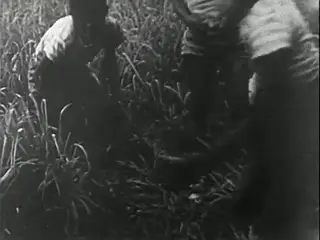
4:30Model synopsis: A person in a light shirt and cap is crouched in tall grass, partially obscured by foliage. No dialogue or on-screen text is present in this beat.
1 person observed.
 4:34
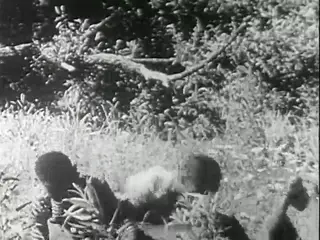
4:34Model synopsis: Two figures are visible in a grassy, brush-filled outdoor setting; one is spoken to by name. The scene is shot in black and white with natural lighting.
Named: Galeway (t:4:32). 2 people observed.
“Come on, Galeway.” 4:32
 4:42
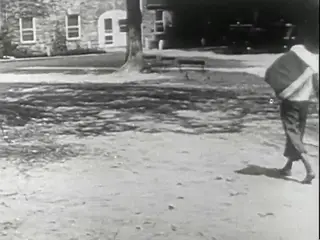
4:42Model synopsis: A person walks across a dirt yard carrying a large object, with a stone building and a tree in the background. No dialogue or on-screen text is present in this beat.
1 person observed.
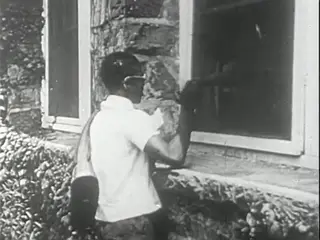
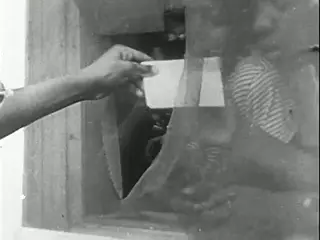
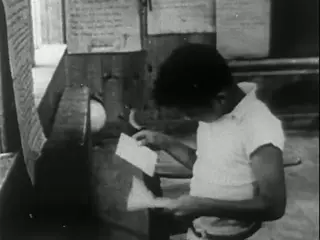
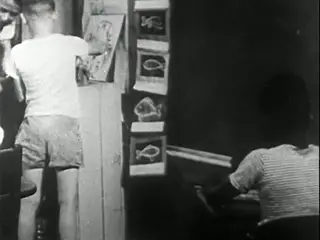
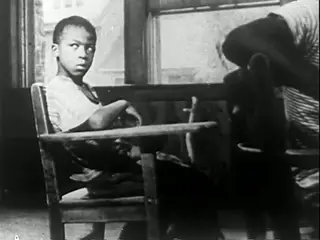
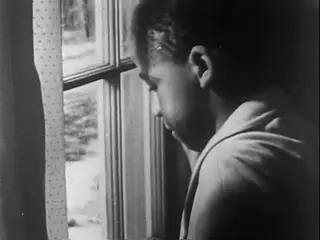
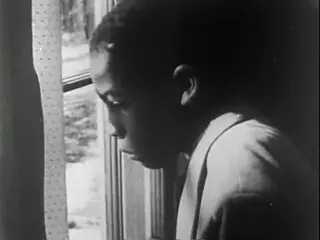
Model synopsis: A boy in a white shirt interacts with a window and then examines papers inside a room with posters on the wall. Another child is visible in the background during the final shot.
2 people observed.
“Oh, my God.” 4:48 · “Oh, my God.” 5:18
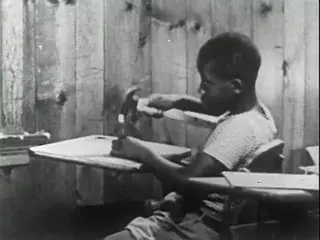 5:26
5:26Model synopsis: A boy sits at a school desk in a wooden-walled room, holding a hammer over the desk. No dialogue or on-screen text is present in this beat.
1 person observed.
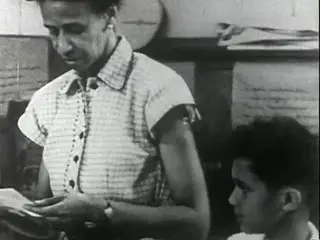
Model synopsis: A woman stands beside a seated boy in a classroom setting; the boy later covers his face. The transcript discusses children's shame over academic struggles.
2 people observed.
“Mrs. Johnson has very good reasons for not keeping order.” 5:30 · “Her boys are very backward in their reading, as in all their studies.” 5:35
Model synopsis: Two young boys are shown in close-up, one looking at a book and the other resting his head on his arm; an adult woman stands nearby holding a paper. The transcript discusses failure, fear, and the need for trust and sameness.
3 people observed.
“They've failed so often.” 5:53 · “They're afraid even to try anymore.” 5:56
Model synopsis: A boy sits at a school desk while another boy holds a stick; an adult is partially visible. The transcript suggests a theme of learning and acceptance.
3 people observed.
“Before they know their light,” 6:13 · “They can't like you.” 6:15
Model synopsis: A boy named Donald is shown in a classroom setting, interacting with an adult and other children while learning to read. The transcript indicates he has not yet learned to read but will do so in a supportive environment.
Named: Donald (t:6:29). 4 people observed.
“Donald has never learned to read a word.” 6:29 · “But here, seeing and hearing simple words one at a time, with nobody hurrying in,” 6:34
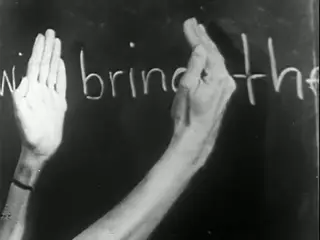
Model synopsis: A person writes on a blackboard while close-ups show their face; the transcript mentions emotional turmoil and memories. No names, time of day, or period are established.
1 person observed.
“for just such a word as baby.” 6:50 · “arouses a deep turmoil of feeling.” 6:52
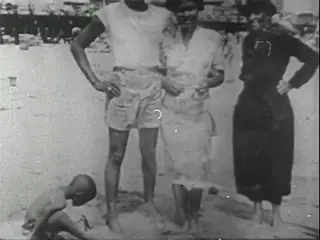 7:08
7:08Model synopsis: A black-and-white still shows three adults and a child on a sandy beach; one adult stands with hands on hips, another holds a child, and a third stands with hands on hips. A transcript line mentions a vanished father whose face the child cannot recall.
4 people observed.
Model synopsis: A close-up of a young boy's face is shown across two frames. The transcript describes memories of a boy named Donald, including his strained home life and his grandmother searching for him.
Named: Donald (t:7:42). 1 person observed.
“The mother who has no room for him in her life.” 7:25 · “A home he hates so much that even at night he seldom comes back.” 7:34
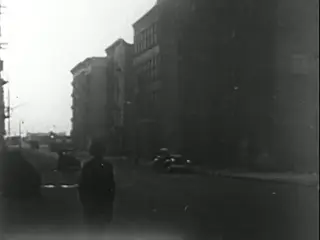 7:58
7:58Model synopsis: A person walks away from the camera down a city street lined with tall buildings; a car is visible on the road. A voice speaks about someone hiding, but no name is given.
1 person observed.
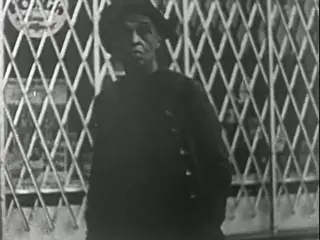 8:04
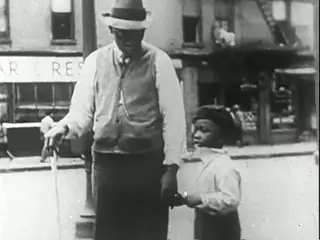
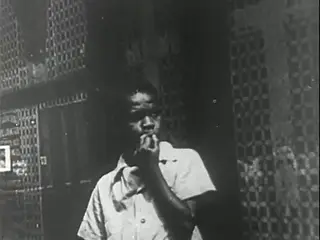
8:04Model synopsis: A man in dark clothing and a hat stands in front of a diamond-patterned metal gate. No dialogue or on-screen text is present in this beat.
1 person observed.
 8:10
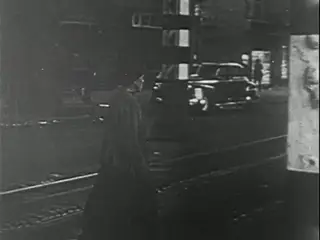
8:10Model synopsis: A person walks on a dark street at night, with a car parked nearby and a lit building in the background. No dialogue or on-screen text is present in this beat.
1 person observed.
 8:14
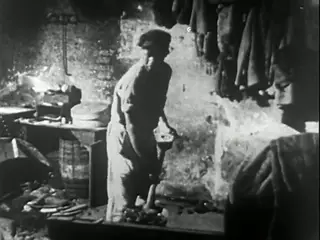
8:14Model synopsis: A person stands in a cluttered, dimly lit interior space holding a bowl. The setting appears to be a makeshift living area with hanging garments and scattered objects.
1 person observed.
 8:19
8:19Model synopsis: A single frame shows a dimly lit interior with scattered mechanical parts and debris. No people are visible, and only one spoken word, 'Oh,' is recorded.
“Oh.” 8:20
 8:24
8:24Model synopsis: A dark, confined space is shown through a narrow gap between wooden beams. No people, text, or spoken lines are visible or audible in this beat.
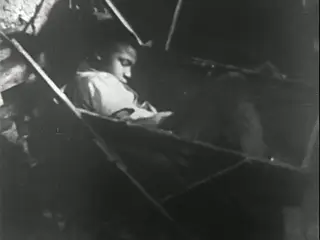 8:27
8:27Model synopsis: A person is visible in a dimly lit, cluttered space, surrounded by debris or structural elements. No spoken dialogue or on-screen text is present in this beat.
1 person observed.
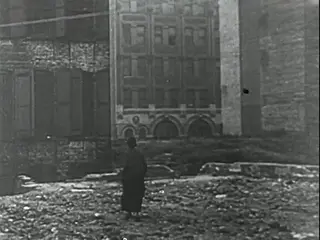 8:30
8:30Model synopsis: A lone figure stands in a rubble-strewn courtyard facing a large, damaged building. The scene is shot in black and white with no visible text or audible dialogue.
1 person observed.
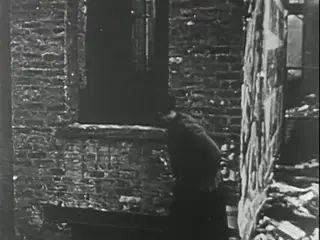
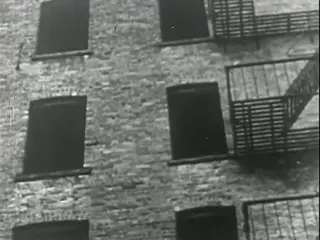
Model synopsis: A person is seen near a brick building with fire escapes; the transcript reveals a woman's regret over having to discipline a boy and her desire to avoid seeing him again. No names are spoken, and the setting appears to be an urban exterior at an unspecified time.
1 person observed.
“and she is wishing to goodness she'd never in her life have to smack him or scold him.” 8:33 · “or go claim him back at Children's Court.” 8:40
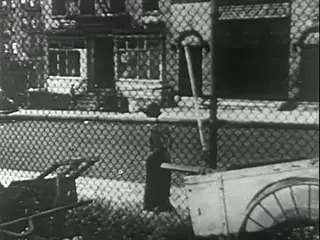 8:51
8:51Model synopsis: A person stands near a cart behind a chain-link fence with a building in the background. No spoken dialogue or on-screen text is present in this beat.
1 person observed.
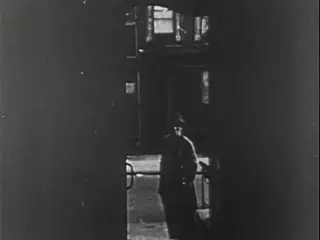 8:55
8:55Model synopsis: A person in dark clothing and a hat stands in a doorway, framed by shadow. The setting appears to be an urban alley or courtyard with a building visible behind.
1 person observed.
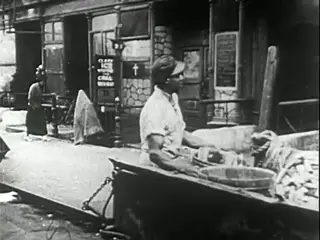 9:02
9:02Model synopsis: A man stands beside a cart on a street, with a storefront and another person visible in the background. No dialogue or on-screen text is present in this beat.
2 people observed.
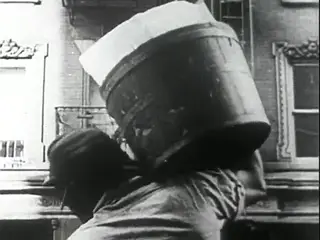 9:06
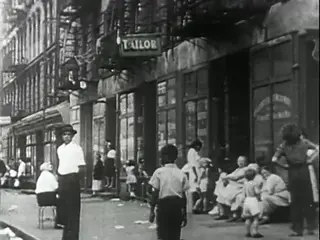
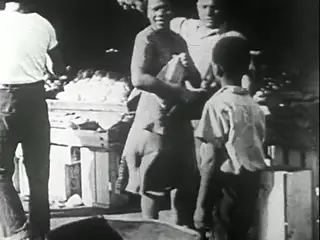
9:06Model synopsis: A person carries a large bucket on their shoulder outdoors. The background shows a brick building with windows and a fire escape.
1 person observed.
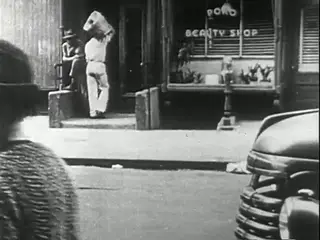 9:10
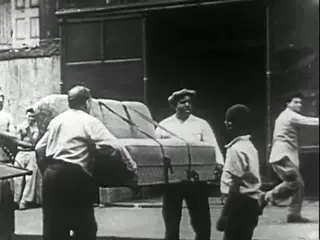
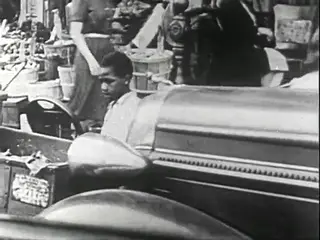
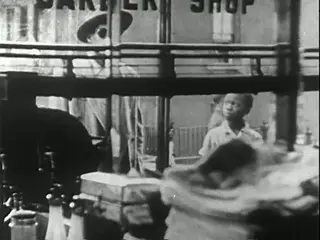
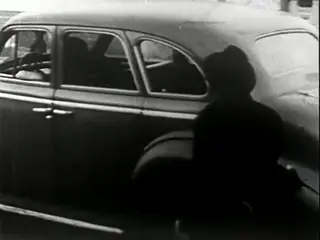
9:10Model synopsis: A man in light trousers and a dark shirt stands on a sidewalk near a beauty shop window, holding a large white object over his head. A car fender is visible in the foreground, and another person’s back is partially seen on the left.
2 people observed.
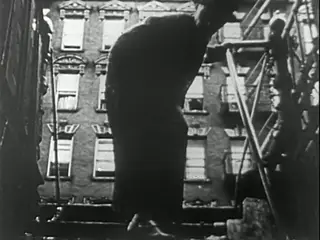 9:19
9:19Model synopsis: A silhouetted figure stands on a fire escape against a brick building facade. The scene is shot in black and white with high contrast lighting.
1 person observed.
 9:35
9:35Model synopsis: A single dim frame shows a person in a dark interior, with a transcript line stating 'That's how a day begins.' No names, objects, or clear place are visible or stated.
1 person observed.
 9:46
9:46 11:15
11:15 11:38
11:38 11:41
11:41 11:45
11:45 11:51
11:51 12:04
12:04 12:42
12:42 12:45
12:45 12:49
12:49 13:13
13:13 13:19
13:19 13:25
13:25 13:31
13:31 14:13
14:13 14:27
14:27 14:42
14:42 16:25
16:25 16:33
16:33 16:38
16:38 16:42
16:42 16:44
16:44 16:46
16:46 17:19
17:19 17:24
17:24 17:28
17:28 17:32
17:32 17:36
17:36 17:39
17:39 17:44
17:44 17:55
17:55 18:09
18:09 18:28
18:28 18:53
18:53 19:13
19:13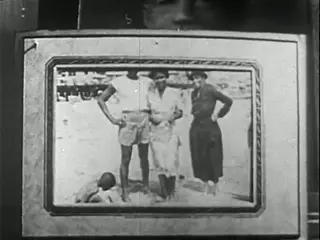 19:52
19:52 21:22
21:22 21:34
21:34 22:00
22:00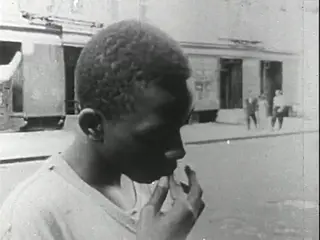 22:04
22:04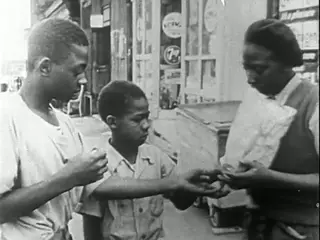 22:08
22:08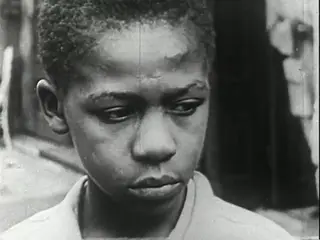 22:11
22:11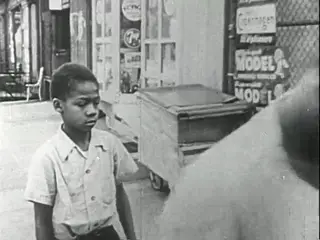 22:16
22:16 22:21
22:21 22:26
22:26 23:04
23:04 23:08
23:08 23:11
23:11 23:14
23:14 23:18
23:18 23:20
23:20 23:22
23:22 23:25
23:25 23:27
23:27 23:28
23:28 23:31
23:31 23:35
23:35 24:12
24:12 24:23
24:23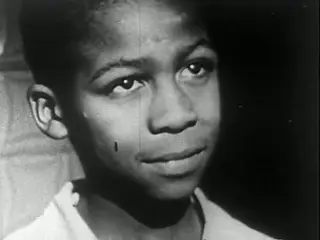 24:51
24:51 26:38
26:38 27:20
27:20 27:49
27:49 27:55
27:55 28:07
28:07 28:40
28:40 28:55
28:55 28:59
28:59 29:03
29:03 29:09
29:09 29:22
29:22 29:28
29:28 29:32
29:32 30:24
30:24 30:30
30:30 30:32
30:32 30:34
30:34 30:36
30:36 31:27
31:27 31:29
31:29 31:31
31:31 31:34
31:34 31:38
31:38 31:42
31:42 31:44
31:44 32:16
32:16 32:54
32:54 32:59
32:59 33:05
33:05 33:08
33:08 33:10
33:10 33:12
33:12 33:1533:20
 33:23
33:23 33:25
33:25 33:28
33:28 33:29
33:29 33:32
33:32 33:39
33:39 34:24
34:24 36:11
36:11 36:28
36:28 36:35
36:35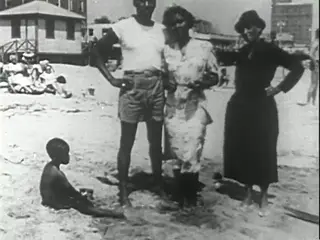 36:42
36:42 36:59
36:59 37:16
37:16 37:27
37:27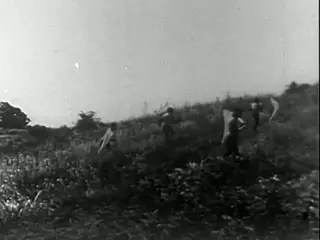 37:57
37:57 40:40
40:40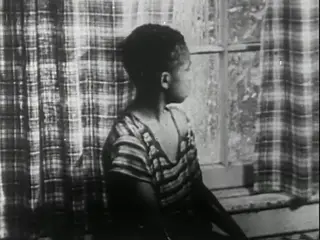 40:44
40:44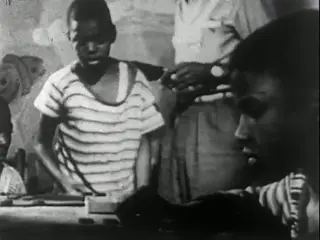 40:51
40:51 41:43
41:43 41:46
41:46 43:07
43:07 43:13
43:13 44:05
44:05 45:26
45:26 45:32
45:32 45:37
45:37 45:44
45:44 46:41
46:41 46:44
46:44 47:56
47:56 48:03
48:03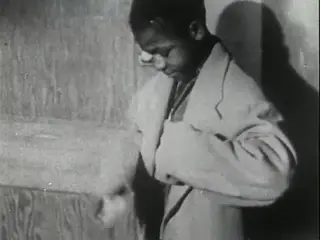 48:5049:02
 49:36
49:36 49:37
49:37 49:39
49:39 49:41
49:41 49:43
49:43 49:50
49:50 49:56
49:56 50:39
50:39 50:43
50:43 50:48
50:48 50:51
50:51 50:53
50:53 50:55
50:55 50:58
50:58 50:59
50:59 51:02
51:02 51:04
51:04 51:39
51:39 52:03
52:03 52:07
52:07 52:09
52:09 52:12
52:12 52:19
52:19 52:20
52:20 52:22
52:22 52:24
52:24 52:25
52:25 52:26
52:26 52:47
52:47 52:49
52:49 52:51
52:51 53:03
53:03 53:07
53:07 53:09
53:09 53:12
53:12 53:14
53:14 53:22
53:22 53:32
53:32 53:34
53:34 53:36
53:36 53:38
53:38 55:11
55:11 56:03
56:03 56:18
56:18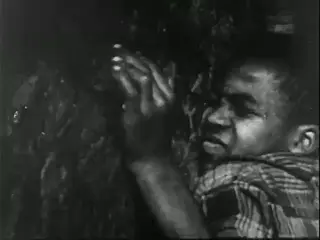 57:07
57:07 57:09
57:09 57:12
57:12 57:14
57:14 57:16
57:16 57:18
57:18 57:20
57:20 58:10
58:10 58:18
58:18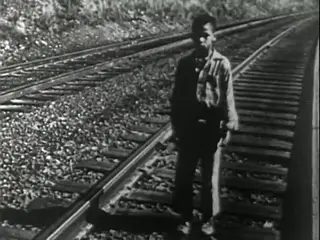 58:27
58:27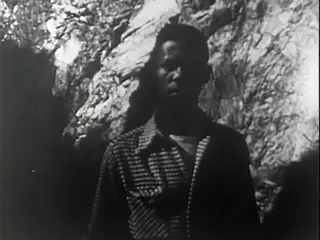 58:29
58:29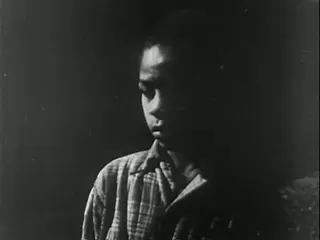 58:31
58:31 58:33
58:33 58:36
58:36 59:10
59:10 1:00:30
 1:01:50
Machine transcription of the Archive copy's audio with Whisper large-v3-turbo (temperature 0); the model heard it as en. 390 segments kept, 254 dropped as the kind of hallucination the model produces over music and silence. Each timestamp links to the Archive's player at that second. This has not been checked against the film and can be wrong.
Every free film of 1948 with a copy
By the average clip vector of the keyframes; a measurement, not a judgement




 Under California Stars
  Inner Sanctum
  He Walked by Night
  Bird of Paradise
  Bronenosets Potyomkin (Battleship Potemkin)
  The Phantom Creeps