Protect And Survive 13 Fire Precautions (1980)
Crown copyright, not a US Government work. Made 1975–76 by Richard Taylor Cartoons for the Central Office of Information and the Home Office; first shown publicly in 1980. 17 U.S.C. 105 covers only works of the United States Government, so Public Reel's registry rules do not clear this film. The Imperial War Museum reproduces the series as © Crown copyright under delegated authority. The Archive uploads carry an uploader's public-domain mark, which is a claim, not a licence. The atlas indexes it because the series is a landmark of government public information film; the video stays on the Archive.
How this page was made
12 shots over 1:58, read from the Internet Archive copy ProtectAndSurvive13FirePrecautions (Protect_and_Survive_13_Fire_Precautions.mp4, 636×360, 25.00 fps). Shot boundaries by PySceneDetect's adaptive detector; each frame links to the Archive's player at that second. Part of Protect And Survive. JSON
Measurements: colour film on its keyframes (12 of 12 shots judged colour), average shot 9.9s long, a frontal face detected in 0% of keyframes. Shots are detected automatically and each is represented by its midpoint frame.
Released 1980 (Internet Archive).
6 beats in 5 sequences, cut automatically at shot boundaries scored on picture change, pauses in speech, topic shifts, on-screen text and cutting rhythm (each beat says why it starts where it does). Each is annotated by a vision-language model from four sampled frames and the transcript lines in it, as observations with evidence; anything the frames and lines do not support is left null. Machine annotation (Qwen/Qwen3-VL-235B-A22B-Instruct), checked automatically: quotes must be verbatim, names must be spoken, "visible" events are sampled to a second model. 6 of 6 beats annotated, 6 passed the checks, 0 flagged.
Beats
Passages cut at shot boundaries and annotated by a machine from four sampled frames and the transcript lines in them. Each beat says why it starts where it does and what was checked; sequences are visual groups, not scenes.
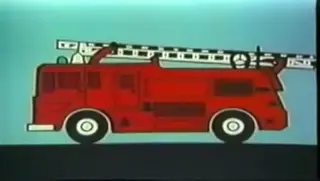 1:21
1:211 of 1 shots sampled
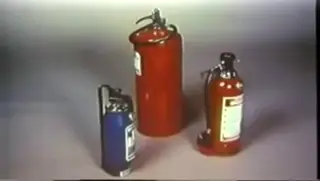 1:37
1:371 of 1 shots sampled
 1:49
1:491 of 1 shots sampled
Transcript
Machine transcription of the Archive copy's audio with Whisper large-v3-turbo (temperature 0); the model heard it as en. 28 segments kept, 1 dropped as the kind of hallucination the model produces over music and silence. Each timestamp links to the Archive's player at that second. This has not been checked against the film and can be wrong.
- 0:00 *Burrish*
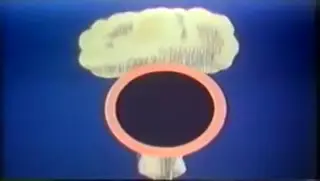
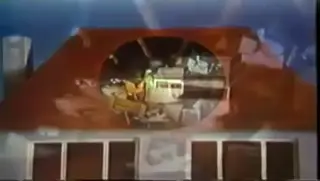
- 0:07 A nuclear explosion produces intense heat.
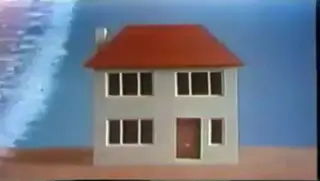
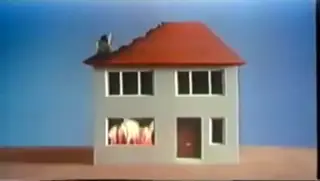
- 0:12 This can get through unprotected windows and set fire to things in your home.
- 0:17 But there are steps you can take now to cut down the risk.
- 0:23 First...
- 0:24 whiten your windows with white paint.
- 0:26 to reflect some of the heat away.
- 0:29 This will cut down the risk of these fires.
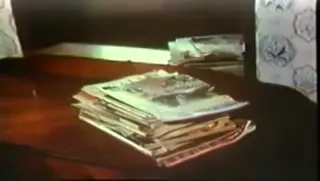
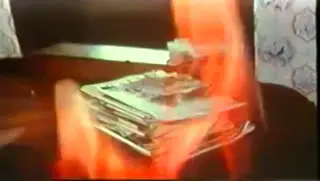
- 0:35 Then get rid of junk lying about in your attics and upper floors.
- 0:39 especially old papers and magazines, which can catch fire easily.
- 0:45 the heat from the bomb strikes at attics and upper floors most easily.
- 0:50 and fires there are usually the hardest to put out.
- 0:53 So pay particular attention to these places.
- 0:56 In other parts of the building, clear away papers and magazines.
- 1:00 than nat curtains from windows.
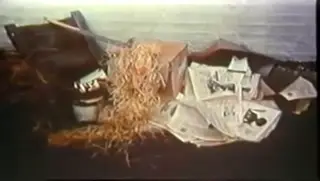
- 1:03 and any old rubbish inside or outside your home which is likely to catch far easily.
- 1:11 small fires can be put out easily
- 1:13 if they are tackled at once.
- 1:16 if they are left,
- 1:17 They spread fast.
8 more segments
- 1:19 and soon get out of control.
- 1:22 The fire brigade...
- 1:23 may not be able to reach you.
- 1:26 And you will have to protect yourself without any help.
- 1:29 So prepare now.
- 1:33 If you have a fire extinguisher, keep it handy.
- 1:37 Or a garden hose could be very useful.
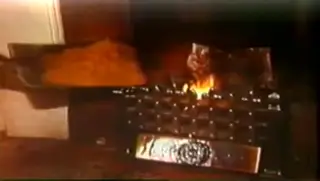
- 1:41 Keep buckets of sand and water ready on each floor.
Similar frames
By the average clip vector of the keyframes; a measurement, not a judgement
 Protect And Survive 16 What To Do After An Attack
  Protect And Survive 7 Materials To Use For Your Fall Out Room And Refuge
  Protect And Survive 10 Action After Warnings